Nvidia’s French Bet: Financing the Demand for AI
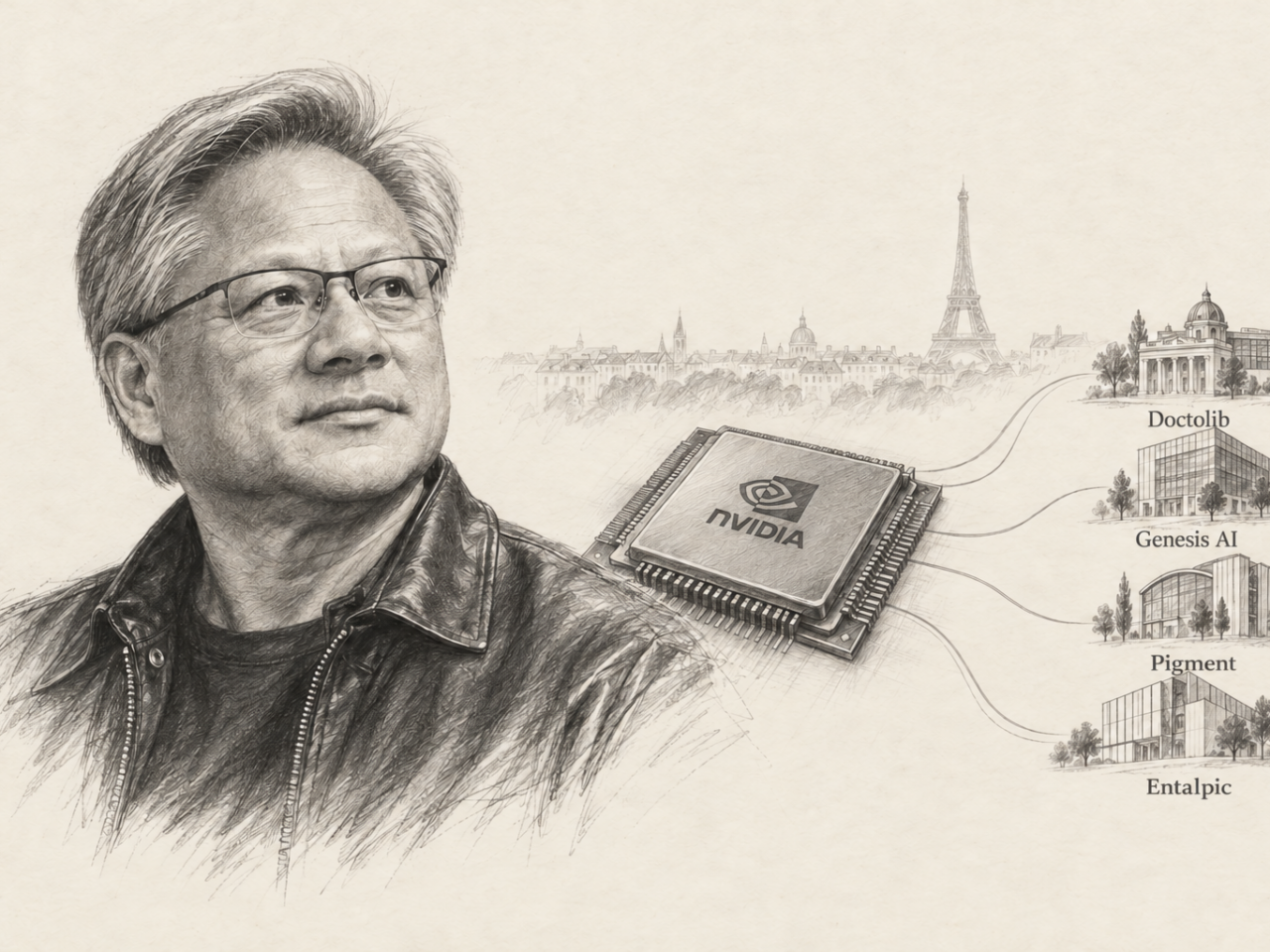
Planned investments in four French technology companies highlight the commercial tension when an AI supplier also becomes an investor.
Nvidia has announced planned investments in Doctolib, Genesis AI, Pigment and Entalpic, spanning healthcare, robotics, business planning and materials discovery. The amounts remain undisclosed. For Europe, the prospect is faster development. For Nvidia, the strategic payoff could extend beyond equity returns: sustained demand for the computing architecture at the heart of its business.
The strategic question is how much freedom these companies retain as capital, technical support and infrastructure become more closely connected.
Read MoreEurope’s Scaleup Ambition Meets Singapore’s Patient Capital
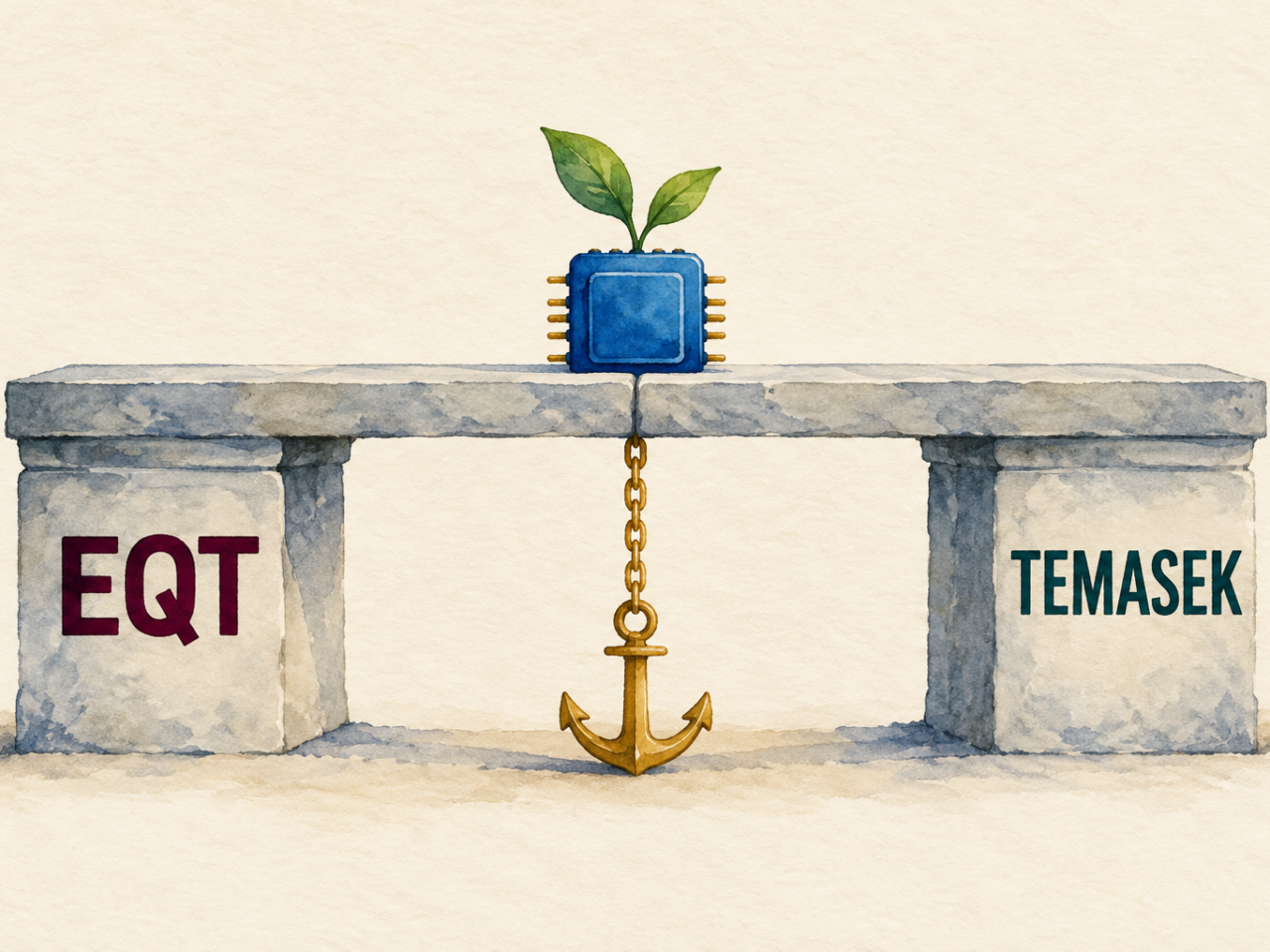
Temasek’s reported $250 million commitment connects Singapore’s long investment horizon with Europe’s harder challenge: retaining strategic influence after a growth fund exits.
Europe’s effort to finance its technology champions is attracting global capital. According to the Financial Times, Singapore’s Temasek has agreed to commit $250 million to the EQT-managed Scaleup Europe Fund. The reported deal raises a harder question: can Europe retain headquarters and jobs while also preserving influence over intellectual property and strategic decisions?
The development connects two Altair themes: Europe’s search for growth capital and Temasek’s ability to invest across generations. Six questions reveal the tension.
Read MoreUBS: Who Keeps the Human in Control?

As AI reshapes advice and client relationships, UBS puts human autonomy at the centre of its approach. The test is whether people retain the power to challenge the system.
UBS presents artificial intelligence as a way to strengthen human advice, improve productivity and deepen client relationships. Its public policies explicitly recognise human autonomy and oversight. That creates a demanding question: as AI shapes what advisers see, recommend and prioritise, how can the bank demonstrate that human judgement remains effective, independent and accountable in practice?
The tension begins before the final decision. A person may approve the advice while the system has already shaped the available choices.
Read MoreSociety & Culture

🇲🇩 Portrait of a European — Moldova
Sunday, May 17, 2026
Moldova stands between European aspiration and post-Soviet reality. This portrait explores how migration, Russian influence and economic vulnerability shape everyday life, revealing a society where Europe exists not only as geography, but increasingly as hope, direction and imagined future.

🇸🇰 Portrait of a European — Slovakia
Sunday, May 17, 2026
Slovakia became deeply integrated into Europe’s industrial economy through manufacturing and automotive production. This portrait explores how industry, identity and political tension shape everyday life, revealing a society balancing economic integration with questions around sovereignty, populism and European direction.

🇸🇮 Portrait of a European — Slovenia
Saturday, May 16, 2026
Slovenia occupies a unique position between the Balkans, Central Europe and the Alps. This portrait explores how geography, moderation and layered identity shape everyday life, revealing a society balancing regional complexity with stability, pragmatism and strong European orientation.

🇨🇾 Portrait of a European — Cyprus
Saturday, May 16, 2026
Cyprus remains one of Europe’s most geopolitically layered societies. This portrait explores how division, energy politics and Mediterranean geography shape everyday life, revealing a country where European integration coexists with unresolved borders, historical memory and strategic vulnerability.
