
Akhetonics is taking photonics inside the processor, but its first market will depend on more than optical speed. This Signal examines how memory constraints, system efficiency, adoption costs and dependable manufacturing shape the route from demonstrator to repeat orders.
Digital Infrastructure
The digital networks, platforms and data systems that enable connectivity, digital services and the functioning of the modern digital economy.
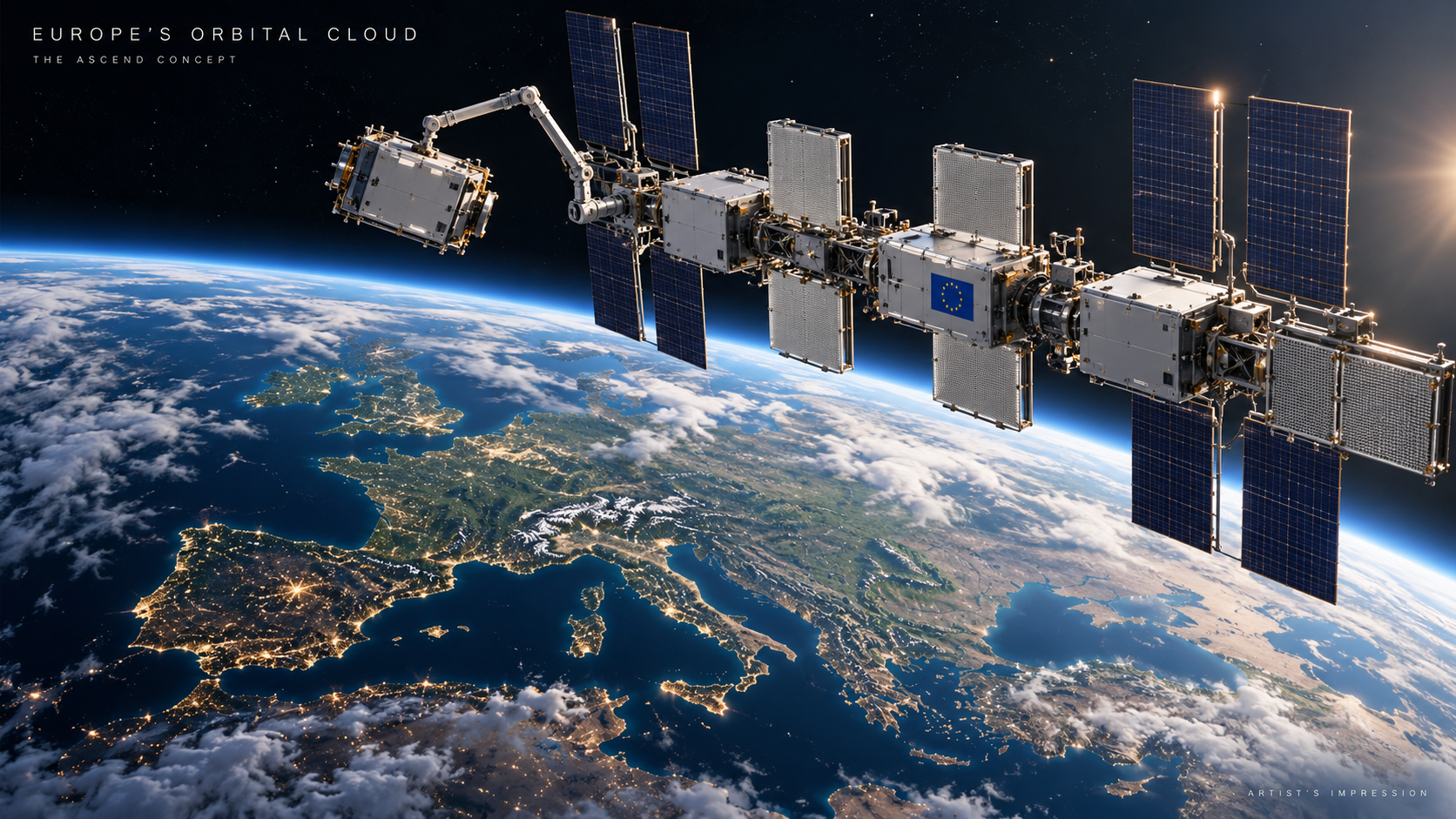
Airbus, Thales Alenia Space and their partners have studied how Europe could build data centres in orbit. Turning that architecture into a commercial service requires committed customers, credible financing and an operator willing to carry the risk. Who will build the business?
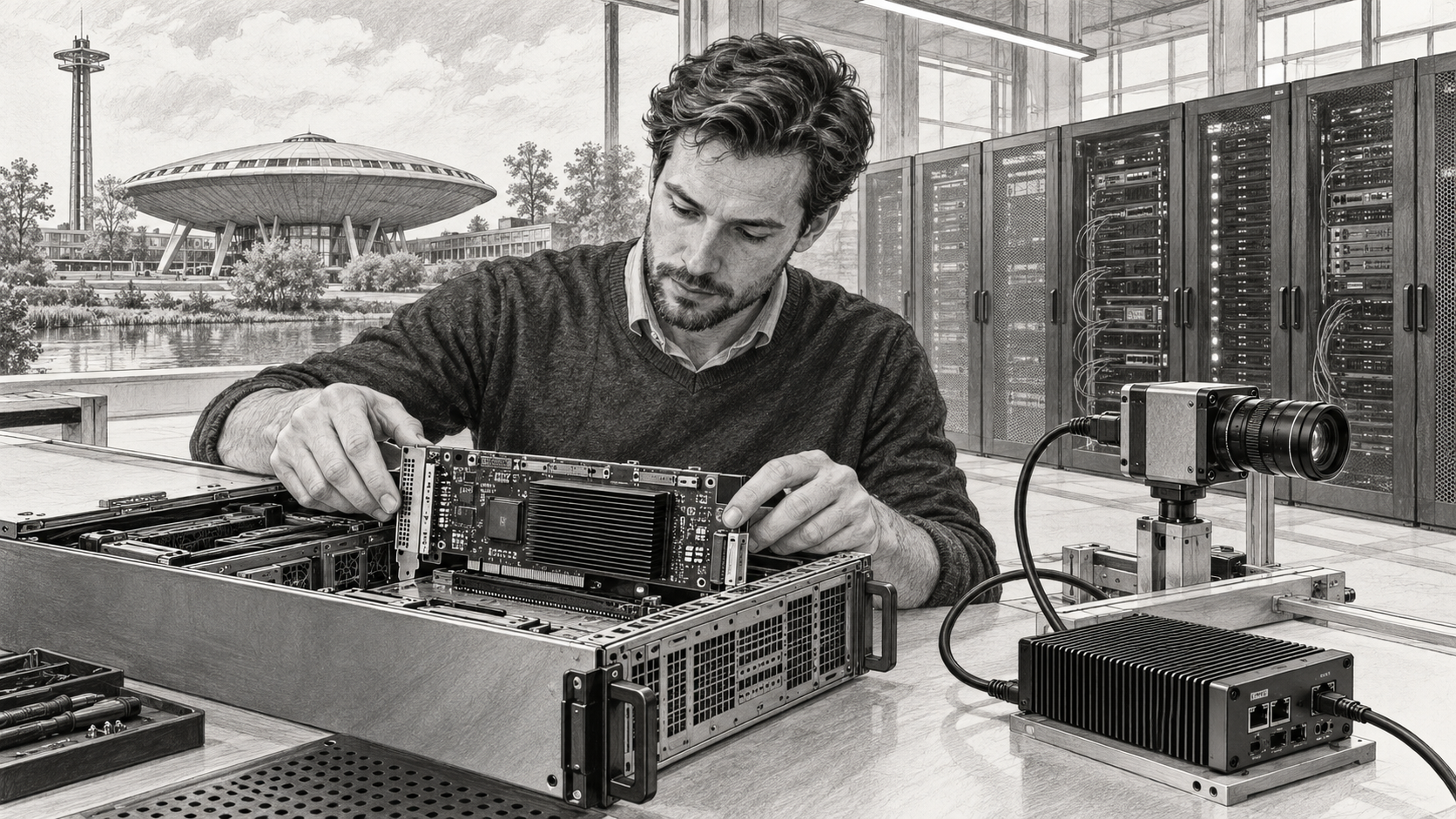
Axelera AI is building a European customer base for its AI chips. Relationships with OVHcloud, Safran, Telefónica Tech and 2CRSi show how the Eindhoven company’s technology could reach cloud services, industrial equipment and business infrastructure—and which steps towards commercial use remain.
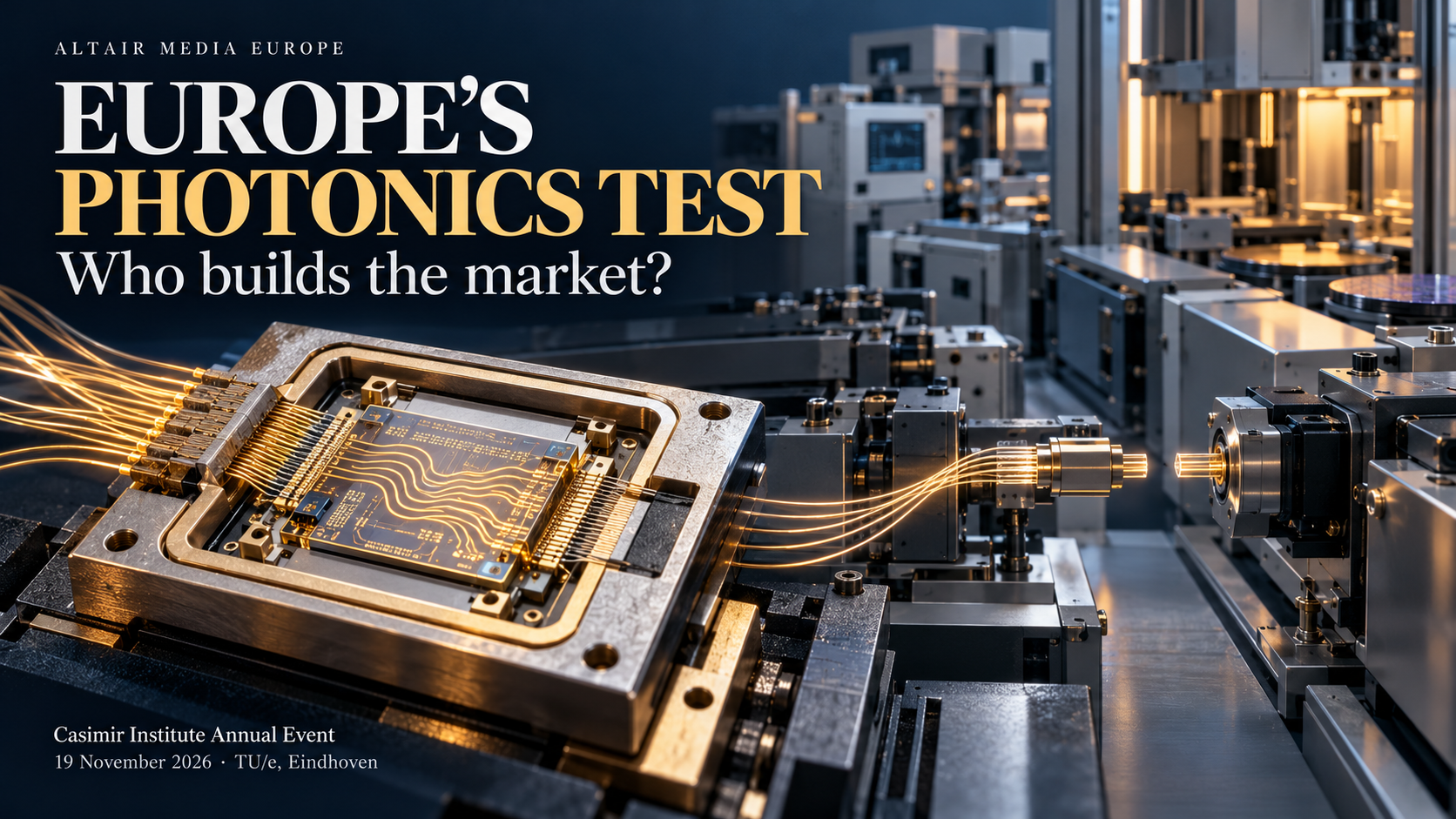
Europe is investing in photonic chips and production capacity. The next test is commercial: who connects research to customer demand, takes responsibility for complete systems and captures the value? Siemens offers a concrete case for examining that industrial transition.

SAP’s €10 billion quarter reveals a business expanding from cloud subscriptions into the automation of work. Joule, AI agents and sovereign cloud services show how the European software group aims to make business processes and their governance its next growth market.
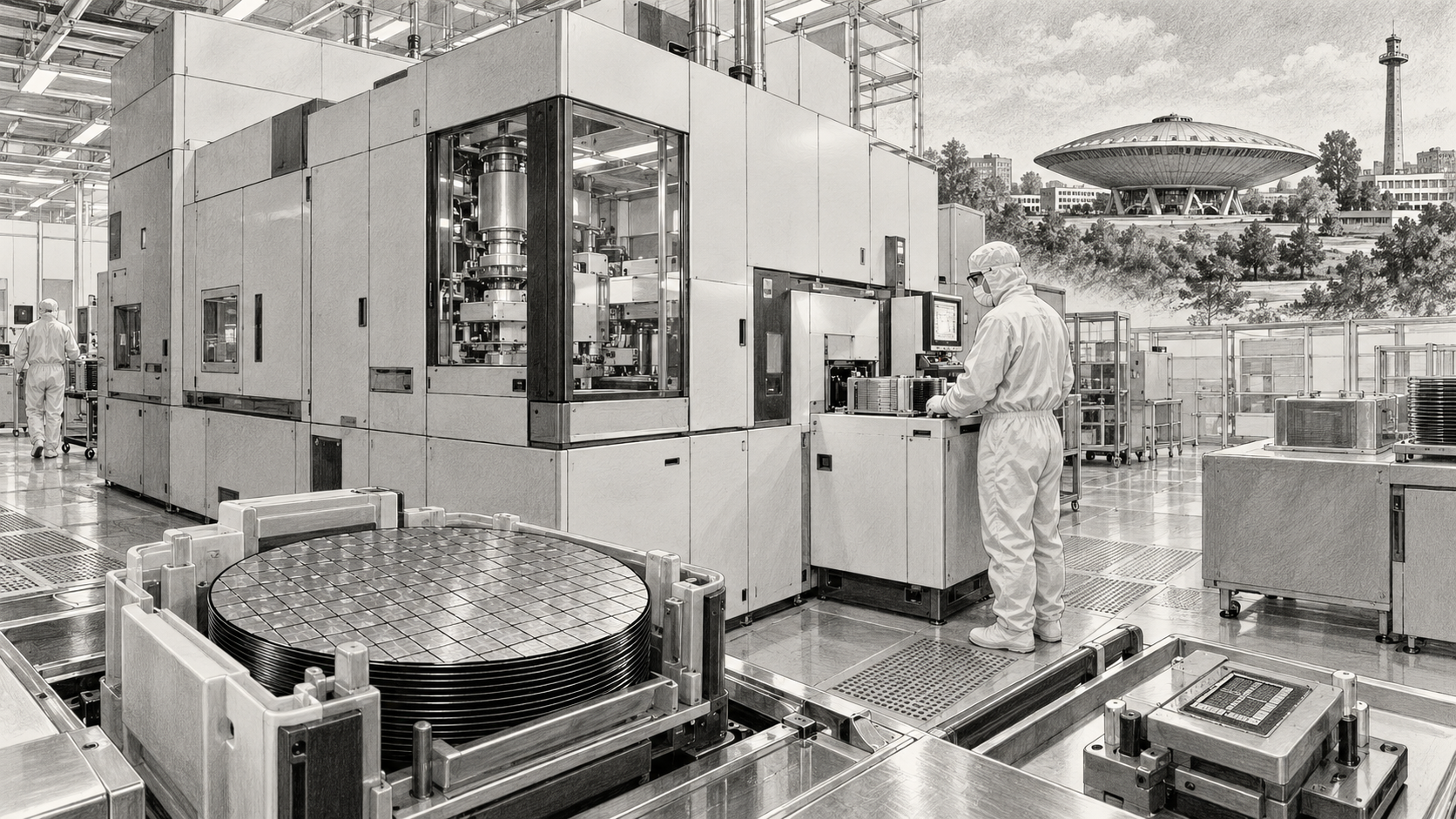
XIVER has acquired ASML equipment to expand specialised chip production in Eindhoven. Backed by a €55 million investment programme and a partnership with Italy’s PhotonPath, the former Philips business connects Brainport’s manufacturing expertise with European demand.

Europe’s innovation strength lies in its specialised regional ecosystems. From Baltic photonics to semiconductor manufacturing in Dresden and Eindhoven, the challenge is no longer scientific excellence alone, but connecting research, capital and industry into a functioning European innovation economy.
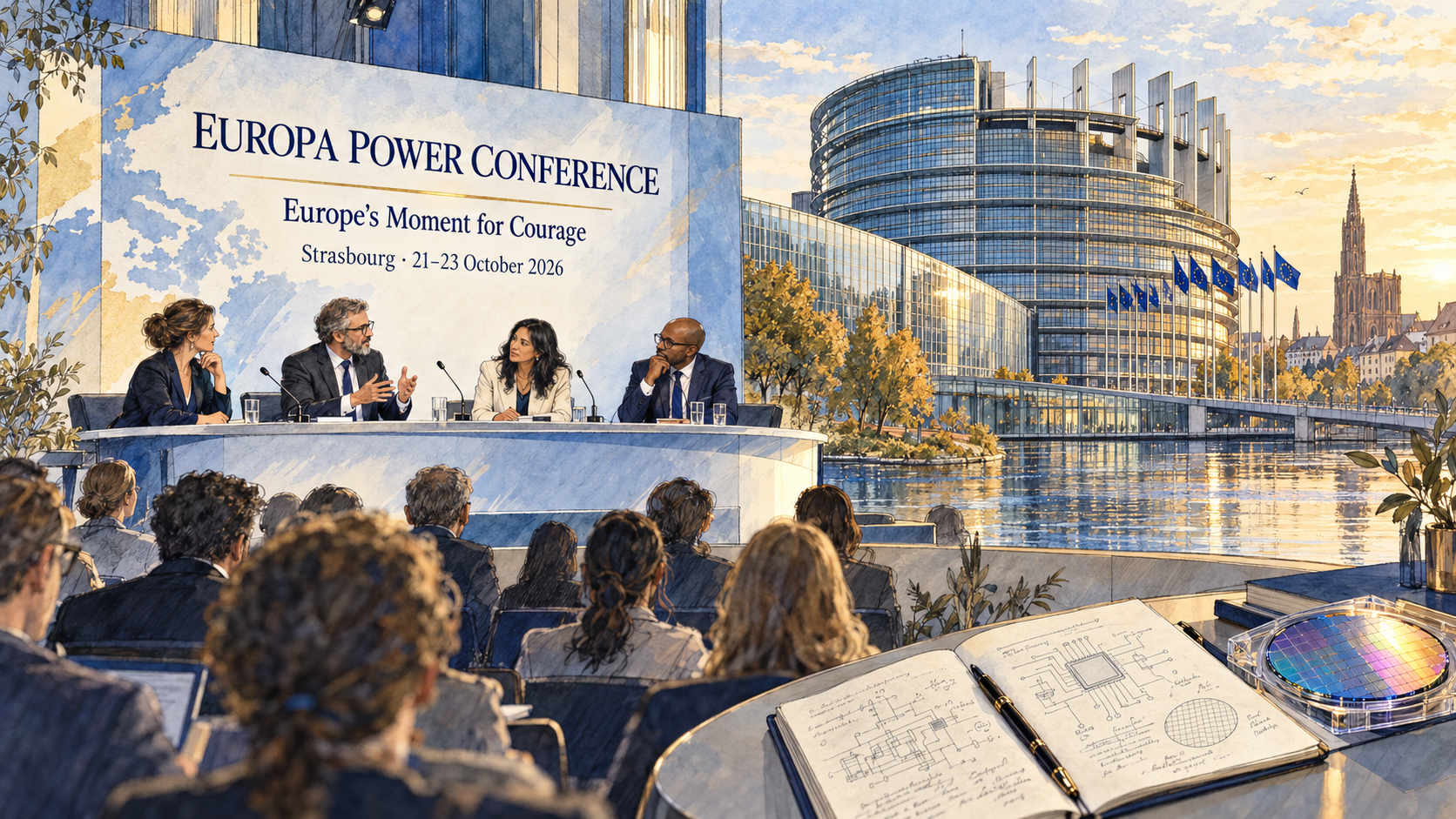
Nvidia’s investment in Doctolib sharpens Europe’s innovation dilemma: accelerating growth while preserving room for competing technologies. Beyond research funding, European breakthroughs need first customers, credible validation and access to infrastructure that allows tomorrow’s alternatives to compete.
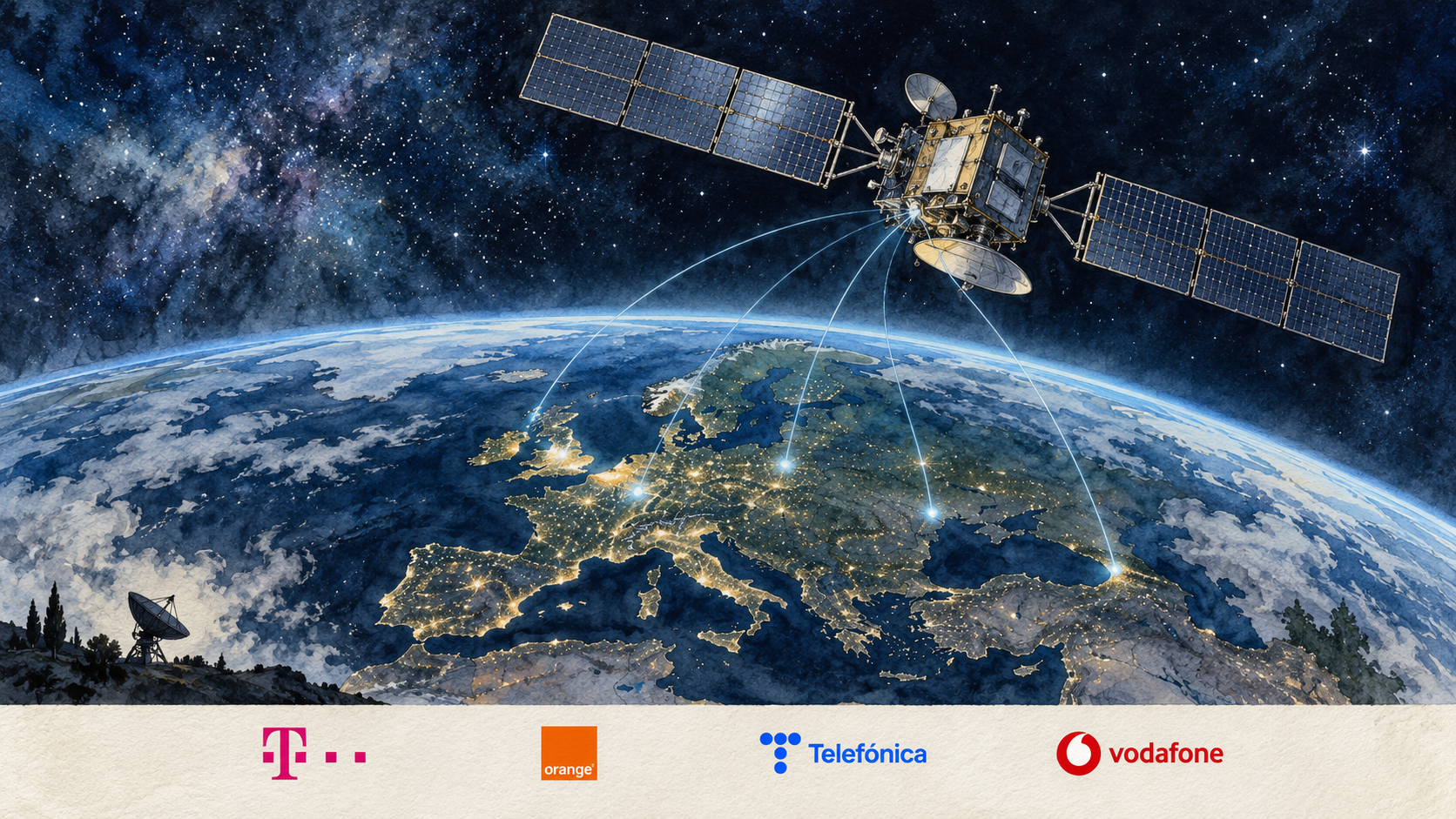
Deutsche Telekom, Orange, Telefónica and Vodafone are exploring a joint bid for European satellite spectrum. Their initiative could strengthen coverage and negotiating power. But European ground infrastructure leaves a harder question unresolved: who controls orbital capacity, market access and connectivity during a crisis?
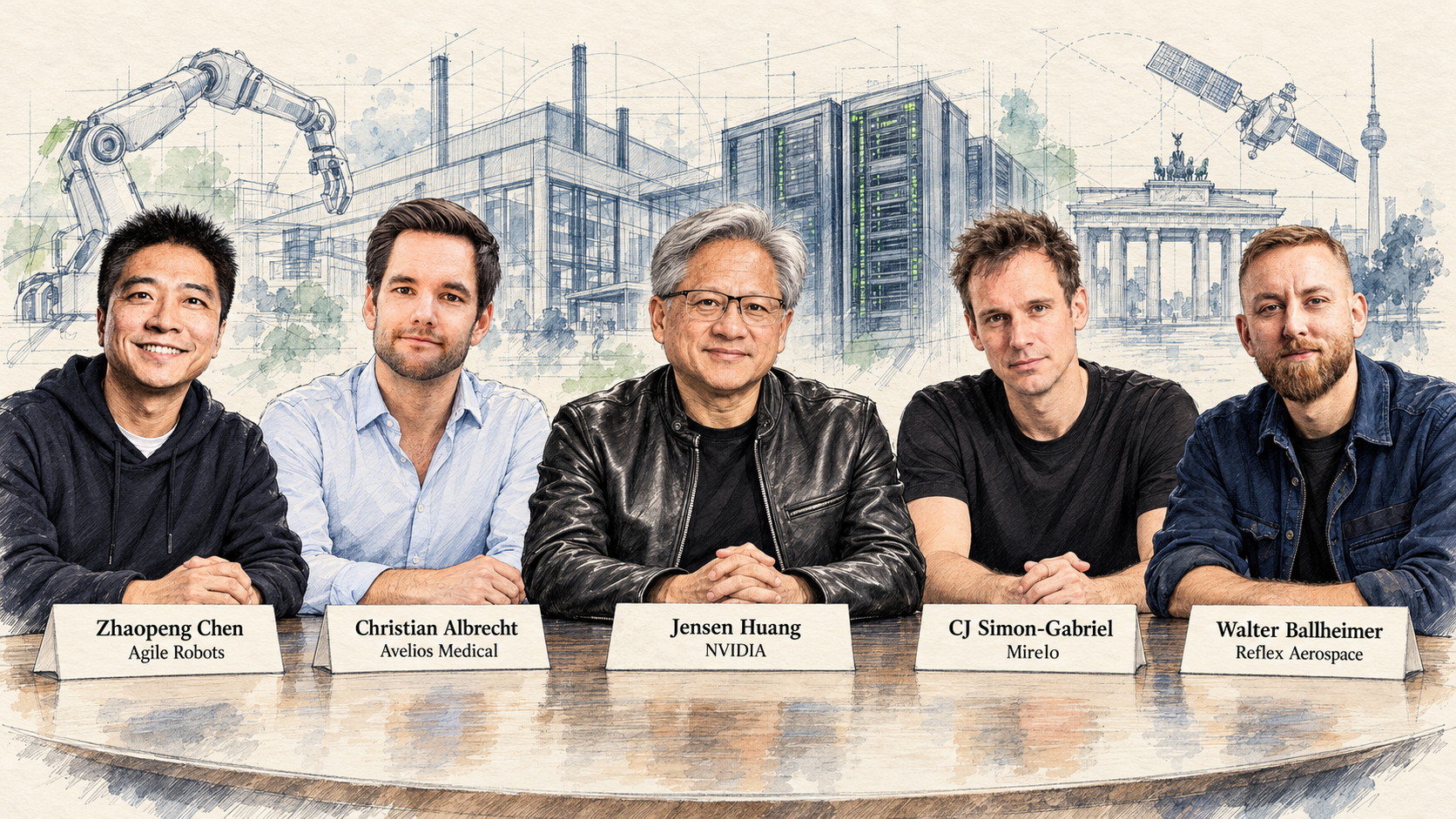
Nvidia’s planned investments in four German startups sharpen Europe’s AI sovereignty dilemma: greater industrial capability can come with deeper technological dependence. The strategic test is how much freedom European companies retain to control their knowledge, change suppliers and negotiate their terms.
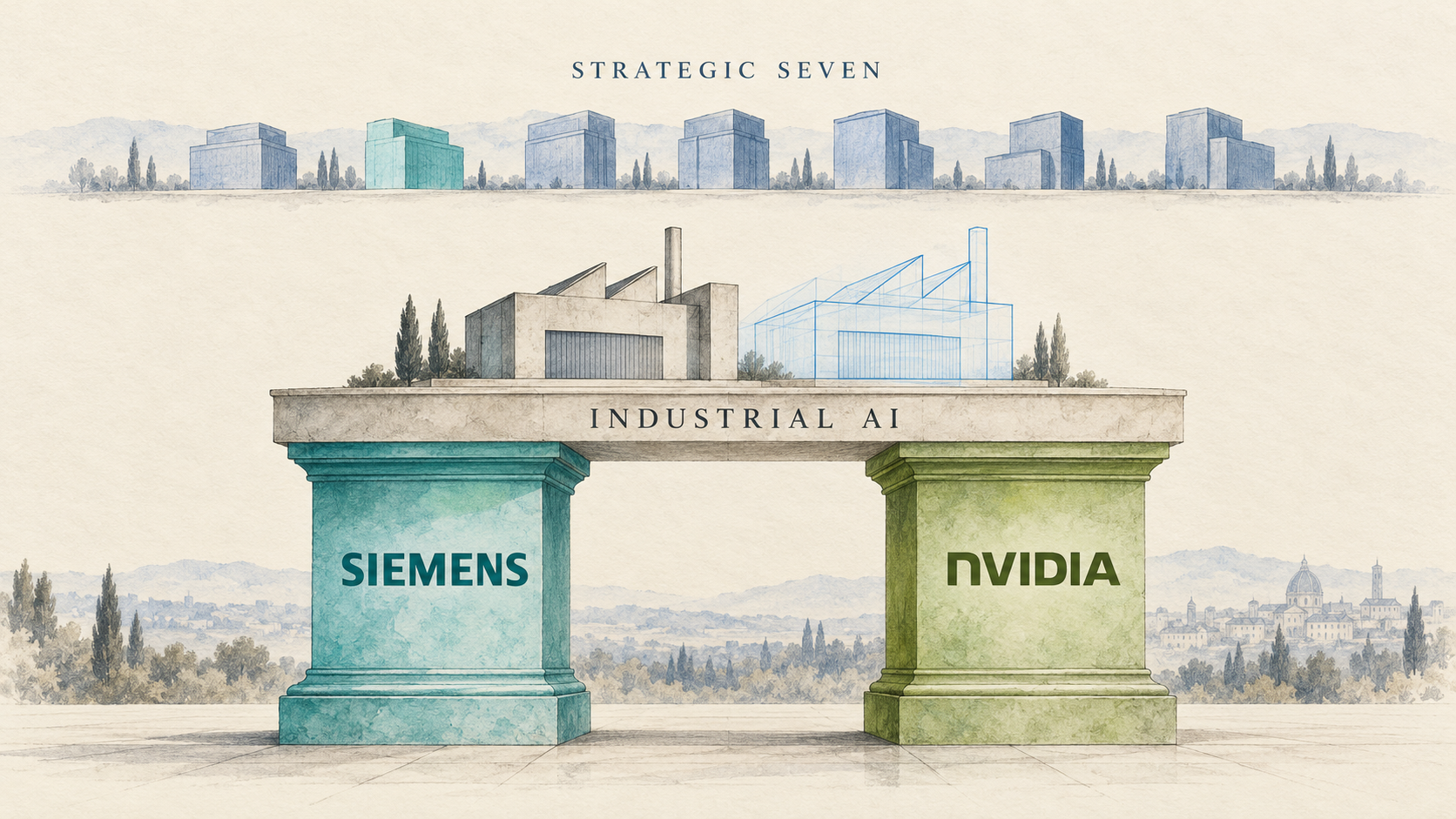
Siemens and Nvidia’s new industrial AI applications in Erlangen give Europe’s Strategic Seven a concrete reference point. The next challenge is commercial: turning engineering expertise and existing customer relationships into repeatable solutions, with clear integration responsibility, predictable costs and measurable value beyond the first factory.

Euractiv’s relaunch as Rapporteur sharpens Mediahuis’s ambitions in European policy intelligence. Specialist reporting, professional subscriptions and AI-assisted tools offer a route to growth—and raise a harder question: how can journalism become essential to paying decision-makers while keeping Europe understandable to the wider public?
