Sunday, October 4, 2026
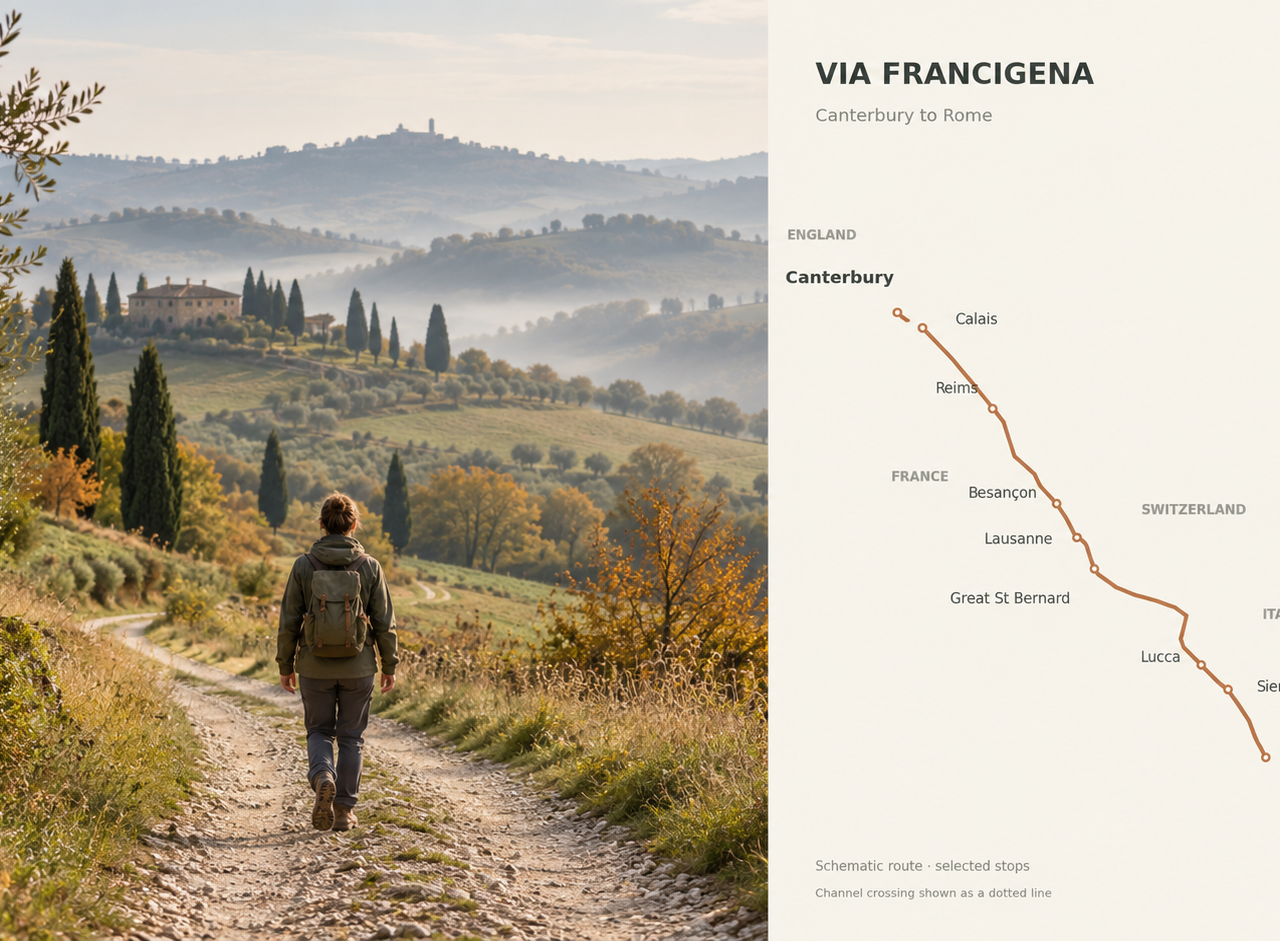
Europe’s old pilgrimage routes preserve more than religious heritage. They offer another relationship with time. Through walking, hospitality and unexpected encounters, they reveal what modern societies risk losing when every journey — and even rest — must deliver measurable results.
Read More
Wednesday, September 2, 2026

Michiel Scheffer wants Europe to do more than finance scientific discovery. His vision for the European Innovation Council connects research, patient capital, industrial demand and strategic procurement—turning breakthrough technologies into companies, production capacity and European power.
Read More
Monday, August 31, 2026

Under Ursula von der Leyen, the European Commission has moved beyond regulation towards crisis management, industrial strategy and geopolitical coordination. Her vision is of a Europe capable of acting—but its growing executive ambition raises questions about power and accountability.
Read More
Monday, August 24, 2026

Europe has spent years demanding more engineers. At TU Eindhoven, interest in Electrical Engineering is growing just as educational capacity reaches its limits—exposing the widening gap between Europe’s industrial ambitions and its ability to train the people they require.
Read More
Sunday, August 9, 2026

Europe has built strong digital rights, but technology is evolving faster than the institutions designed to protect them. As AI, biometrics and platforms reshape power, the challenge is ensuring democratic protection can keep pace.
Read More
Saturday, August 1, 2026

Migration challenges democracies to reconcile universal human rights with the practical realities of governance, institutional capacity and public trust. The question is not whether values matter, but how they can be translated into sustainable and legitimate public policy.
Read More
Friday, July 31, 2026

Europe’s strength may not lie in replicating Silicon Valley, but in connecting its specialised innovation ecosystems. From Brainport and Dresden to Paris-Saclay and the Baltic States, Europe’s future competitiveness increasingly depends on collaboration across complementary centres of scientific and industrial excellence.
Read More
Thursday, July 30, 2026
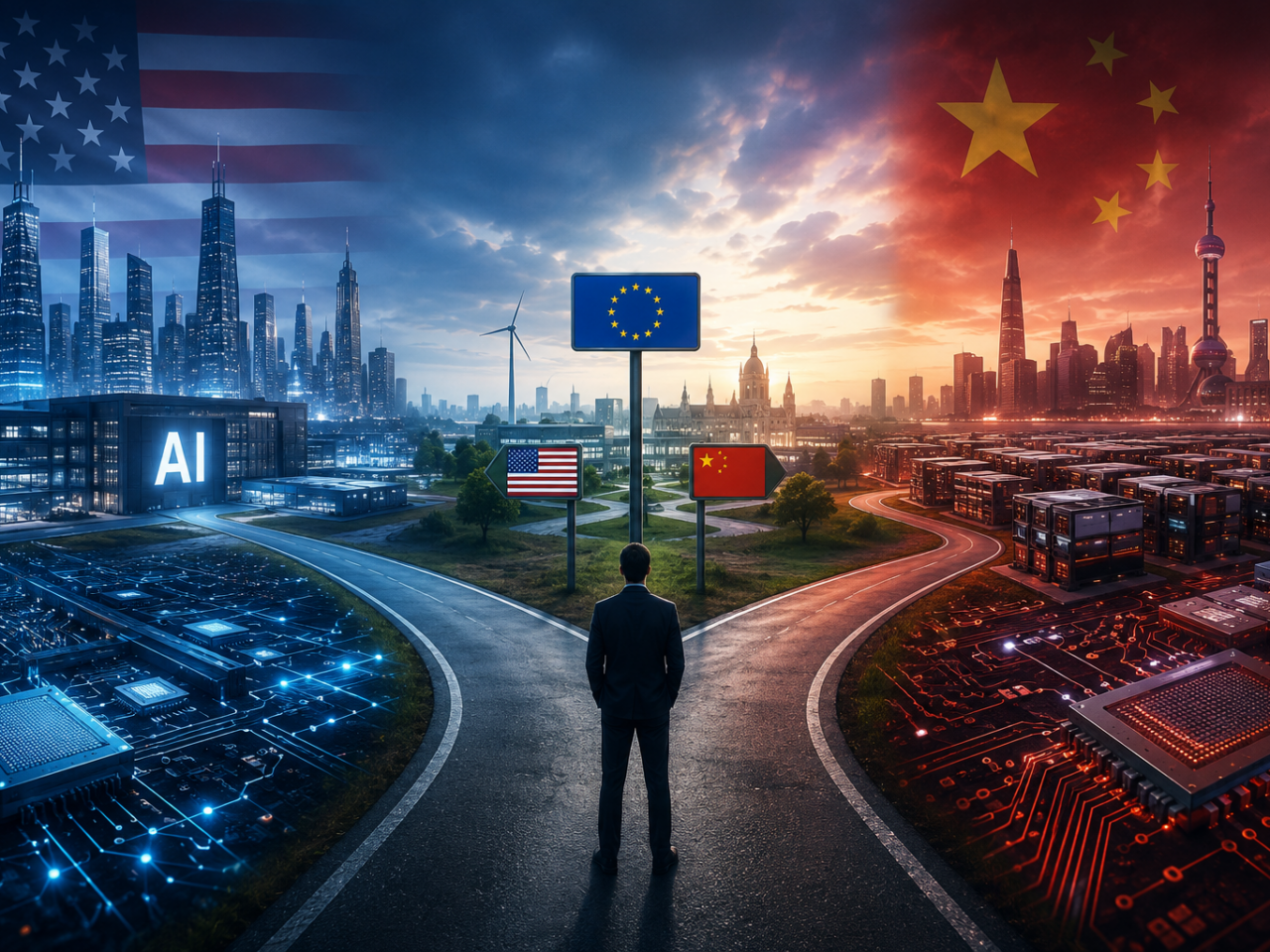
Meta is investing hundreds of billions in AI infrastructure. China is making artificial intelligence increasingly affordable. As these two strategies collide, Europe may face its greatest technological challenge yet: can digital sovereignty survive the economics of everyday choice?
Read More
Sunday, July 26, 2026
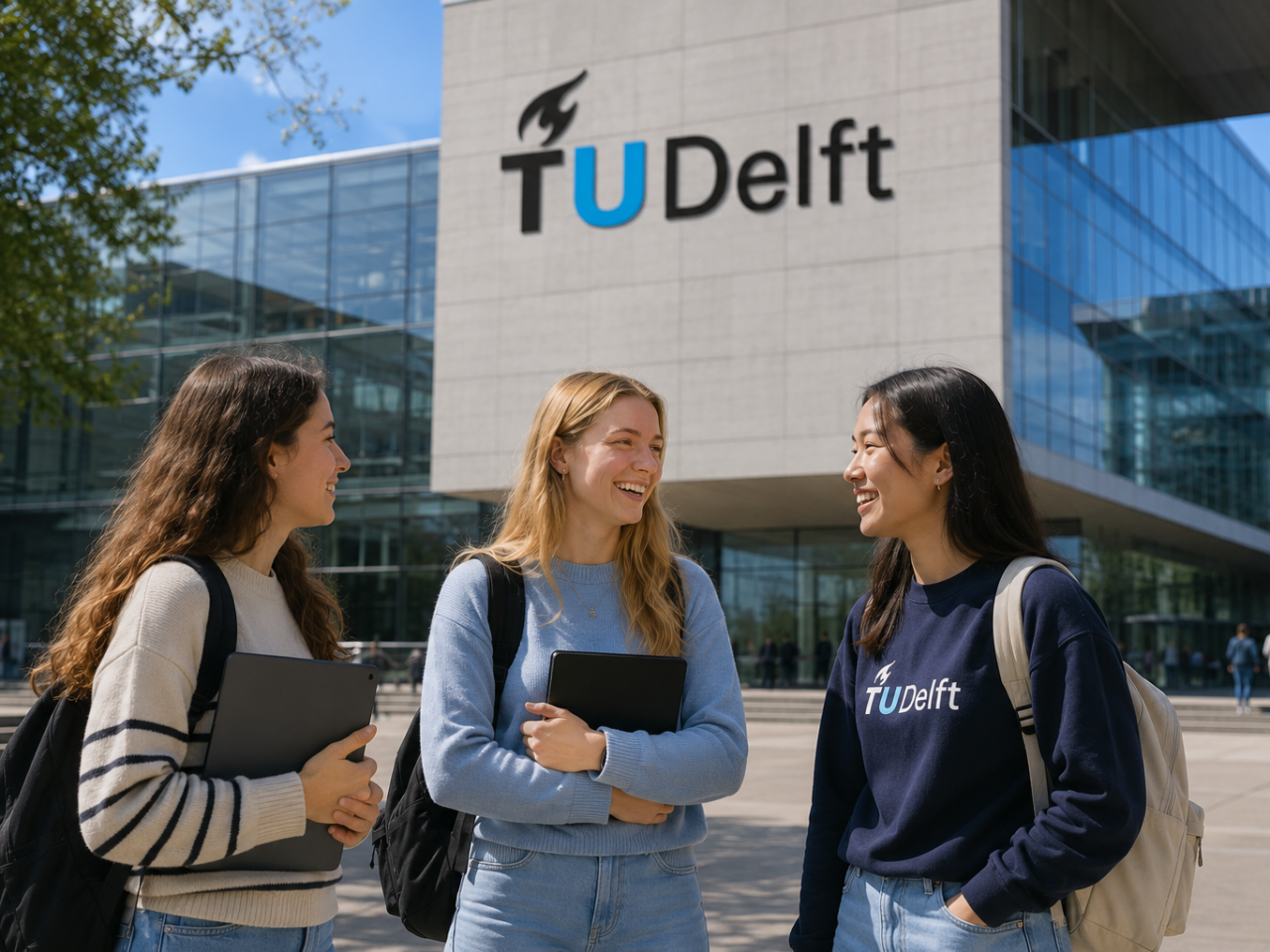
Europe’s technological ambitions depend on far more than research funding and industrial investment. They depend on universities capable of educating the engineers, scientists and innovators who will design, build and sustain the continent’s future infrastructure.
Read More
Friday, July 24, 2026

As security challenges expand, democracies are continually renegotiating the balance between freedom, public safety and democratic legitimacy. The question is no longer whether societies should protect their citizens, but how they can do so while preserving the rights that define them.
Read More

 Available here: