Thursday, September 24, 2026
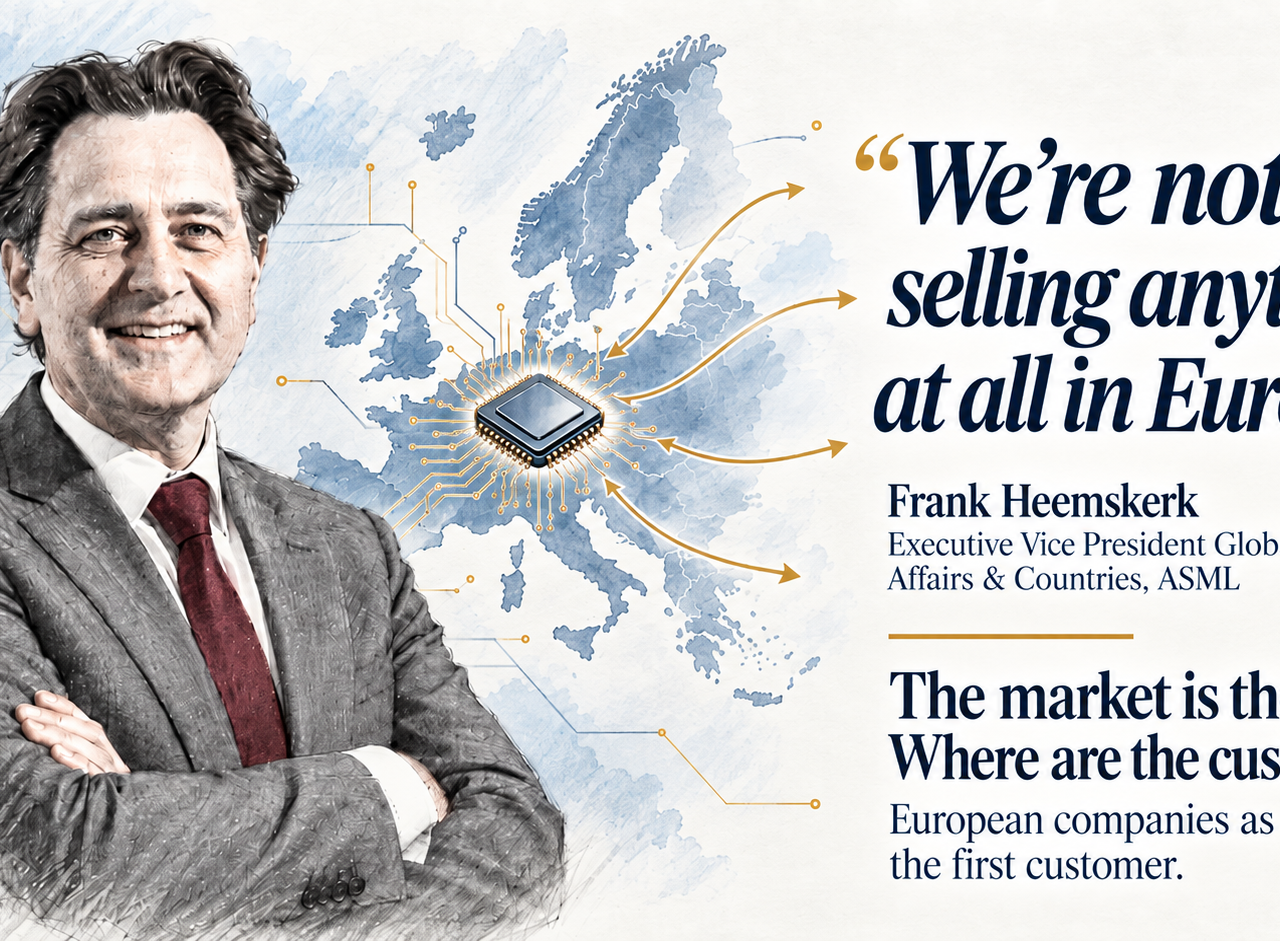
ASML sells virtually no chipmaking machines in Europe. The demand exists, but remains fragmented across industries. Europe’s semiconductor challenge may therefore be less about building fabs than about turning its own companies into coordinated anchor customers.
Read More
Saturday, September 19, 2026
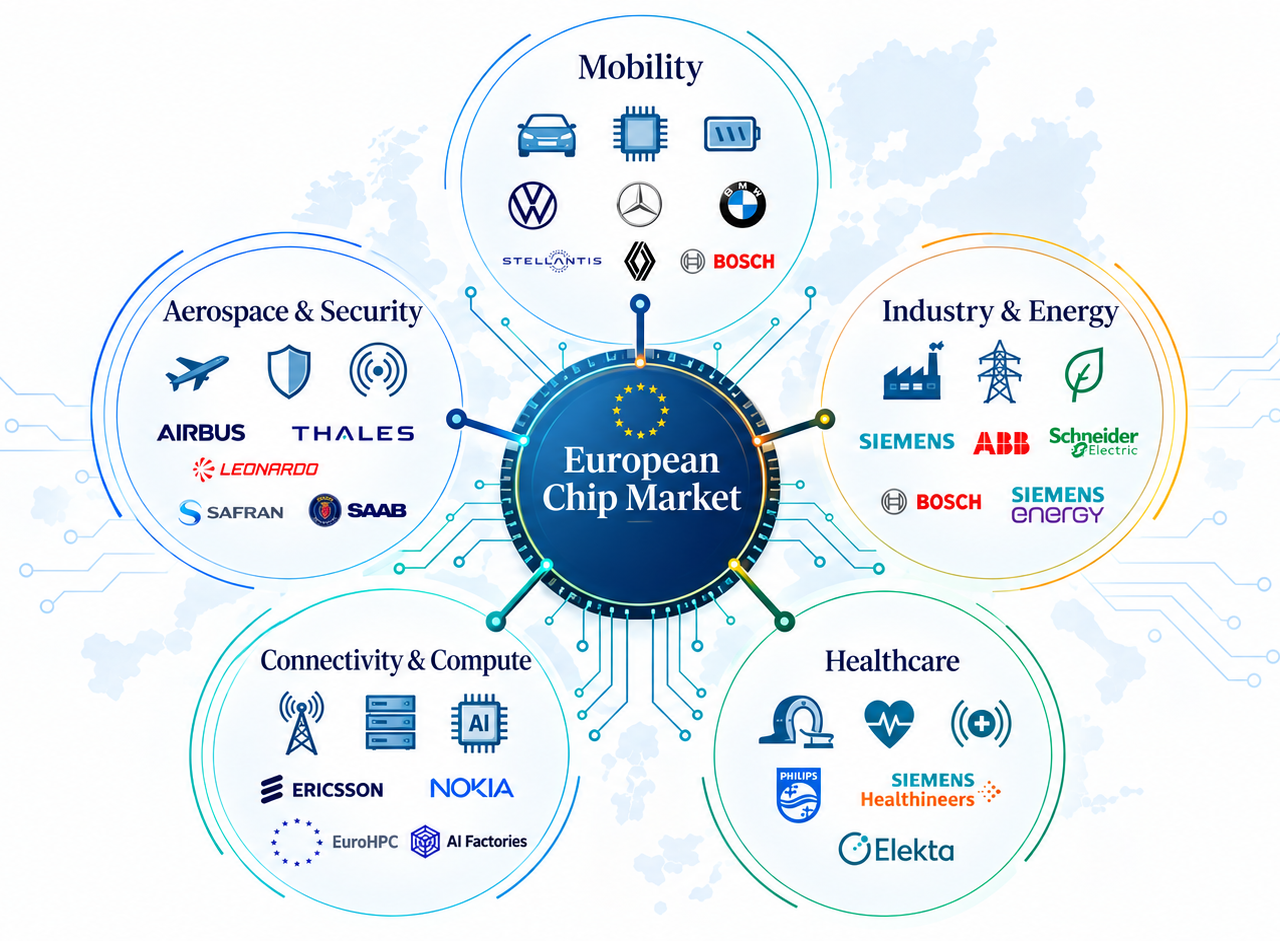
Europe already possesses many of the companies, technologies and industrial sectors needed to sustain a semiconductor market. The challenge is no longer only building fabs, but connecting demand across mobility, energy, healthcare, telecom, aerospace and AI infrastructure.
Read More
Thursday, September 3, 2026

Europe has the savings and the industrial ambition. What it still lacks is the architecture connecting banks, public institutions and institutional capital to investable projects across technology, energy, agrifood, health and advanced manufacturing.
Read More
Monday, August 24, 2026
Europe has spent years demanding more engineers. At TU Eindhoven, interest in Electrical Engineering is growing just as educational capacity reaches its limits—exposing the widening gap between Europe’s industrial ambitions and its ability to train the people they require.
Read More
Friday, August 14, 2026

Elon Musk’s interest in free-electron lasers is being framed as an attempt to bypass ASML. The more consequential possibility is different: Terafab may be exploring whether EUV generation itself can move from the individual lithography machine into shared factory infrastructure.
Read More
Wednesday, August 12, 2026

SIX Group raises an unusual question about modern financial markets. When banks and financial institutions collectively own infrastructure they also depend upon, ownership becomes more than a corporate matter — it becomes a question of governance, resilience and economic responsibility.
Read More
Monday, August 3, 2026
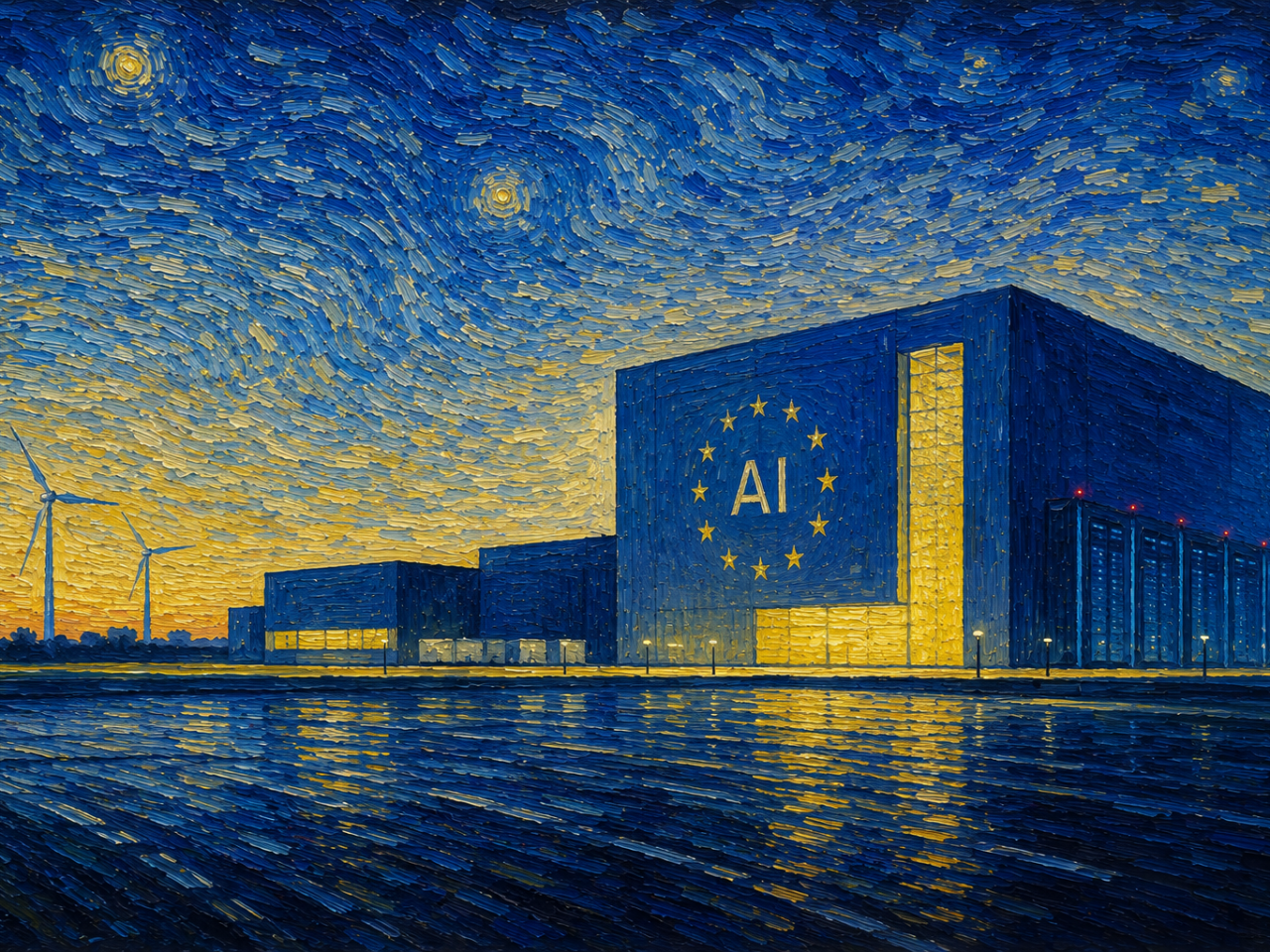
Europe’s AI Gigafactories are about far more than computing power. They represent a new generation of strategic infrastructure where energy, semiconductors, photonics, connectivity and industrial ecosystems determine whether Europe’s AI ambitions can become reality.
Read More
Friday, July 31, 2026

Europe’s strength may not lie in replicating Silicon Valley, but in connecting its specialised innovation ecosystems. From Brainport and Dresden to Paris-Saclay and the Baltic States, Europe’s future competitiveness increasingly depends on collaboration across complementary centres of scientific and industrial excellence.
Read More
Monday, July 27, 2026

A German quantum breakthrough and one deceptively simple question reveal a much larger story. As quantum computing moves beyond the laboratory, Europe’s invisible strengths in photonics and system integration may become the foundations of its next technological infrastructure.
Read More
Monday, July 27, 2026

As semiconductor manufacturing approaches its physical limits, photonics is becoming an essential enabling technology. From ultrafast lasers in Lithuania to advanced optical materials and photonic integration in Latvia, the Baltic States are quietly strengthening the global semiconductor supply chain.
Read More

 Available here:
