Friday, October 23, 2026

Nvidia’s investment in Doctolib sharpens Europe’s innovation dilemma: accelerating growth while preserving room for competing technologies. Beyond research funding, European breakthroughs need first customers, credible validation and access to infrastructure that allows tomorrow’s alternatives to compete.
Read More
Monday, October 19, 2026

A working chip still needs a financeable manufacturing business. Using XIVER’s expansion as a case, this Altair Signal examines who carries the costs and risks between pilot production and reliable commercial delivery — and why equipment finance alone may leave the cash gap unresolved.
Read More
Saturday, October 17, 2026
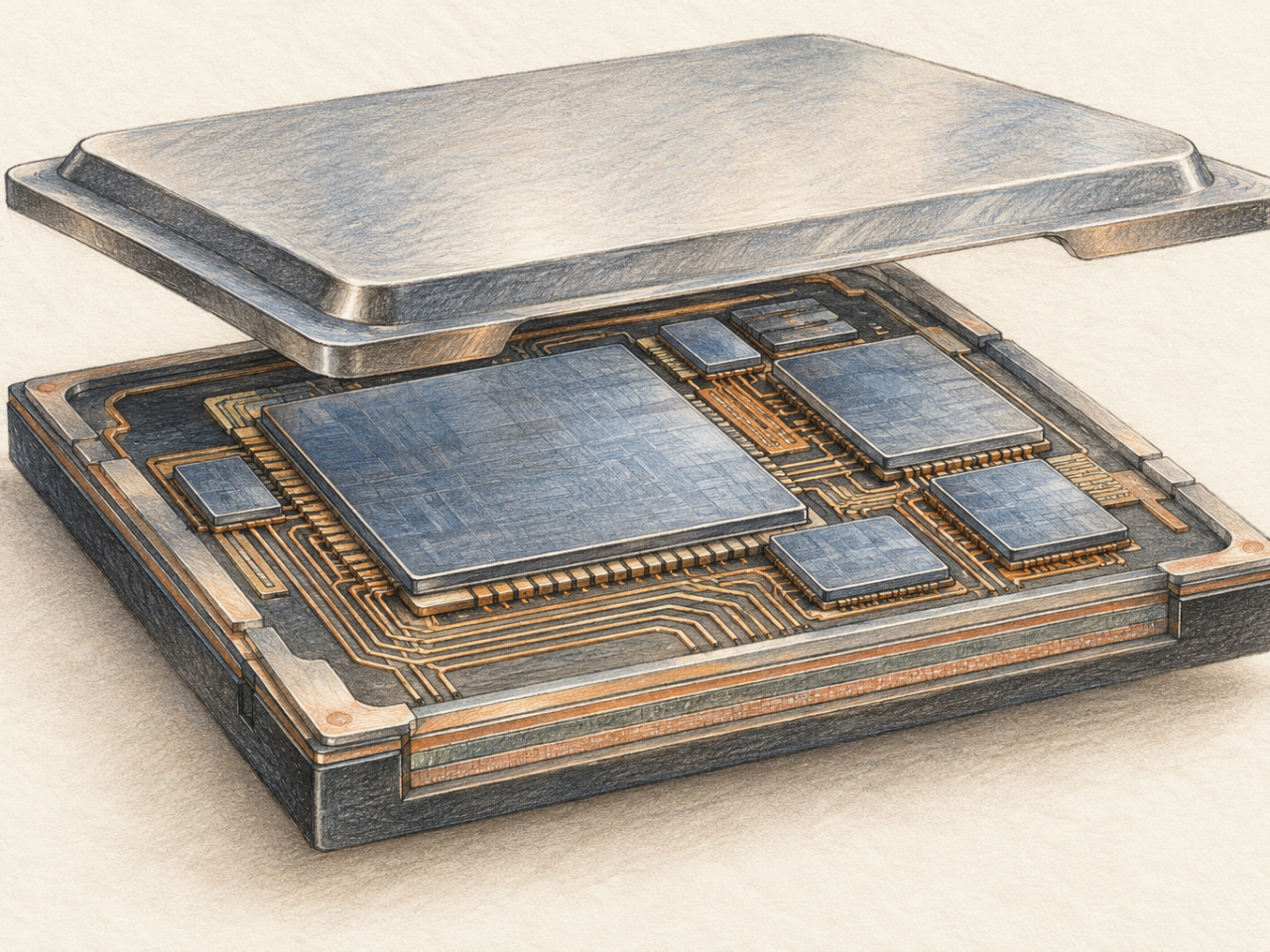
Italy’s €1.3 billion support for Silicon Box targets a critical gap in Europe’s semiconductor chain: advanced packaging. The strategic return will depend on reliable production, locally embedded knowledge and technology that remains competitive as the factory scales towards 2033.
Read More
Tuesday, October 6, 2026

A working photonic chip is only part of the industrial challenge. Ahead of PIC Summit Europe 2026, Altair Media Europe examines five questions about reliable production, customer adoption, financing and European control—and the evidence needed to turn technical progress into lasting commercial value.
Read More
Tuesday, October 6, 2026
Europe’s €560 billion R&D investment challenge raises a question beyond spending: how does scientific strength become industrial capability? This Altair Signal examines the gap between research targets, private investment and production — and why customers matter alongside capital.
Read More
Tuesday, October 6, 2026

Europe’s banks, pension funds and public institutions already invest together. The challenge is making that cooperation support larger industrial investments, realistic funding rounds and credible IPOs—with clear commitments about who provides capital, who carries risk and what happens when financing plans change.
Read More
Thursday, October 1, 2026

Europe is scaling photonic-chip production, while Ericsson, Thales and others develop applications. The missing step is a European customer willing to commit to volume. Can system design become the long-term demand that sustains an industry?
Read More
Wednesday, September 30, 2026
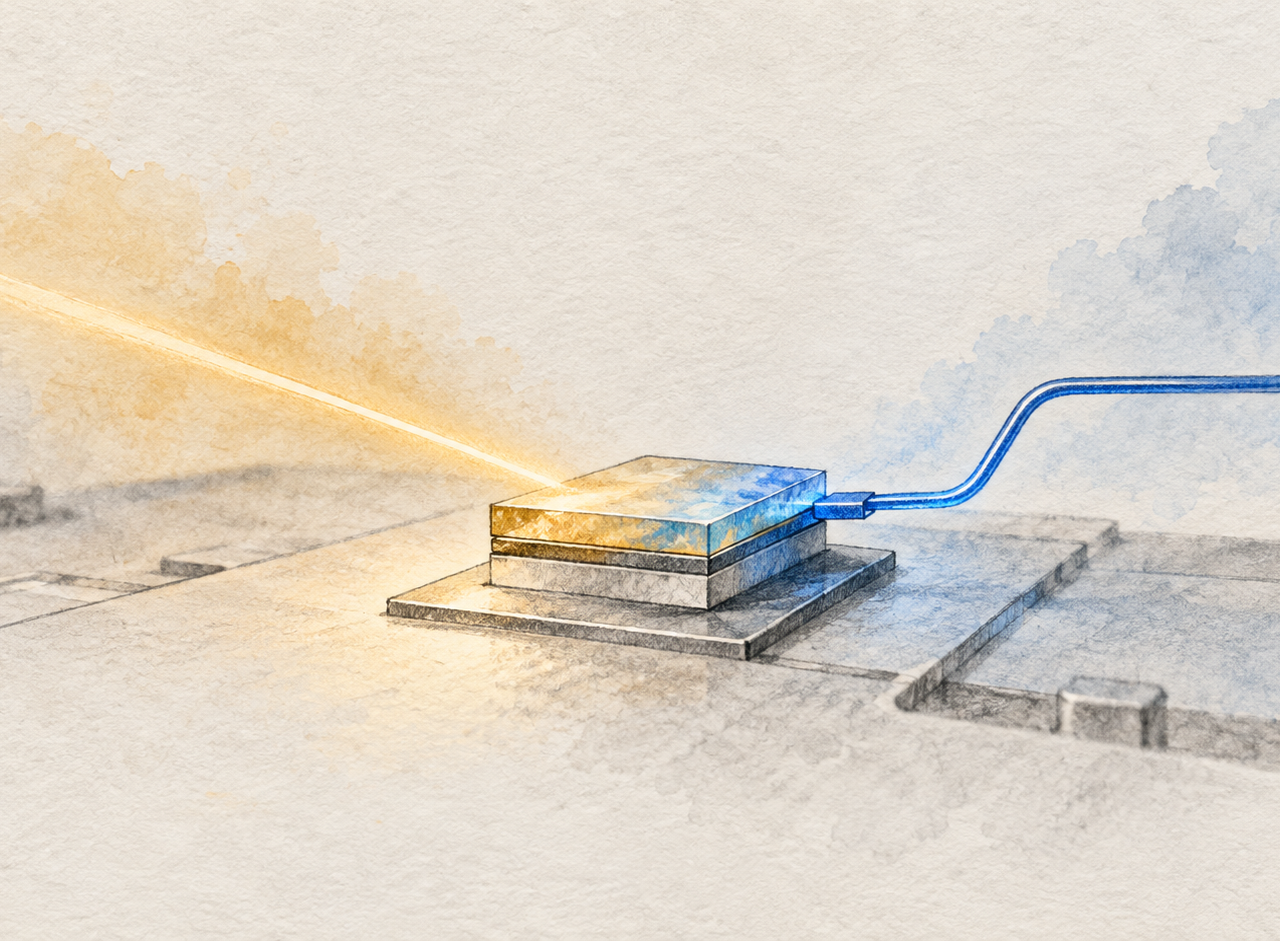
TU/e and Motion Imager are researching a memory that could be accessed through both light and electricity. It may help photonic computing move beyond data transmission, but its performance, manufacturing route and first practical use remain to be demonstrated.
Read More
Tuesday, September 29, 2026
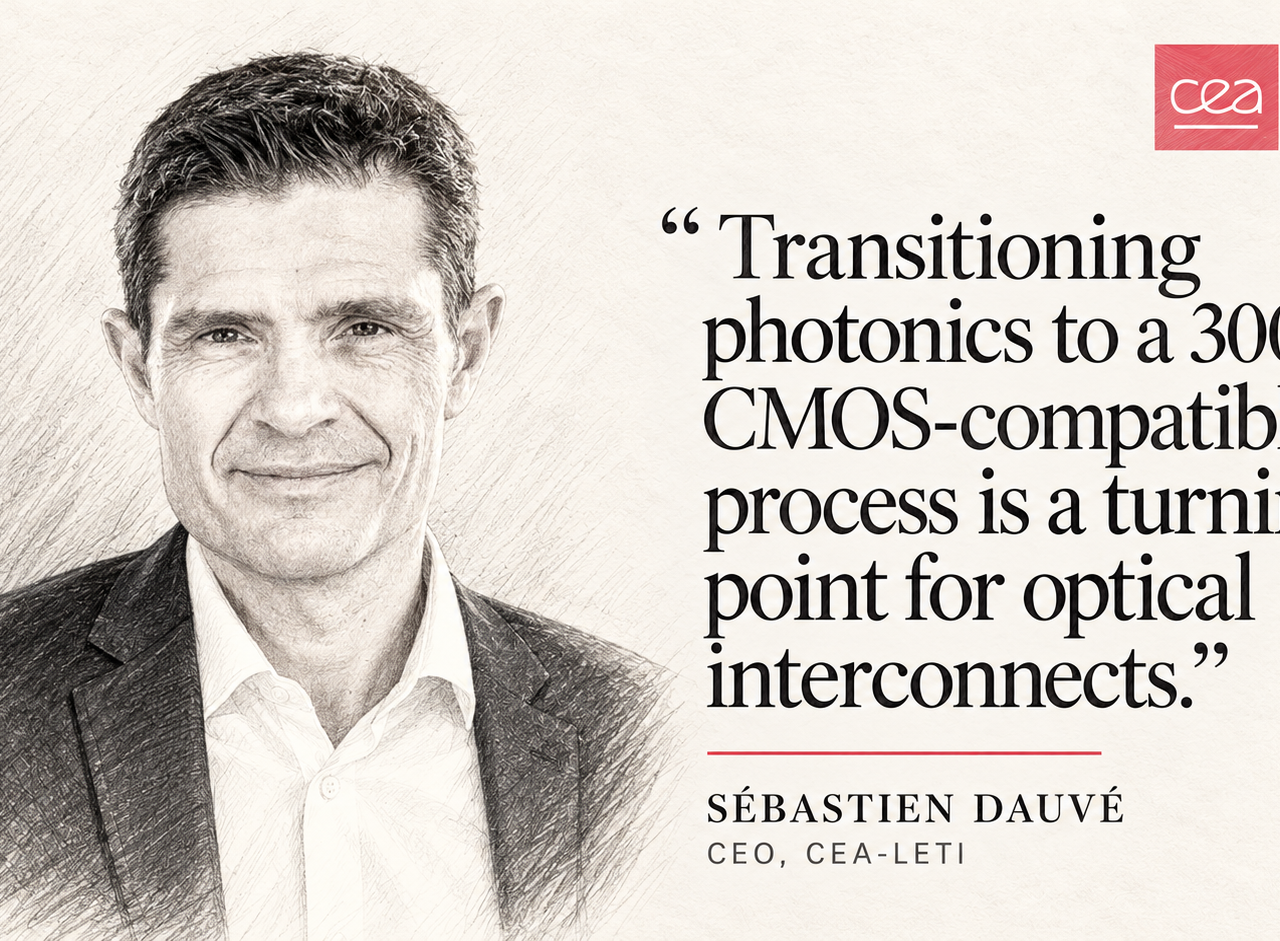
Grenoble already has silicon photonics in volume production, while CEA-Leti works to bring the next generation closer to industry. The strategic question is whether Europe can shape the AI systems that rely on its chips.
Read More
Monday, September 28, 2026
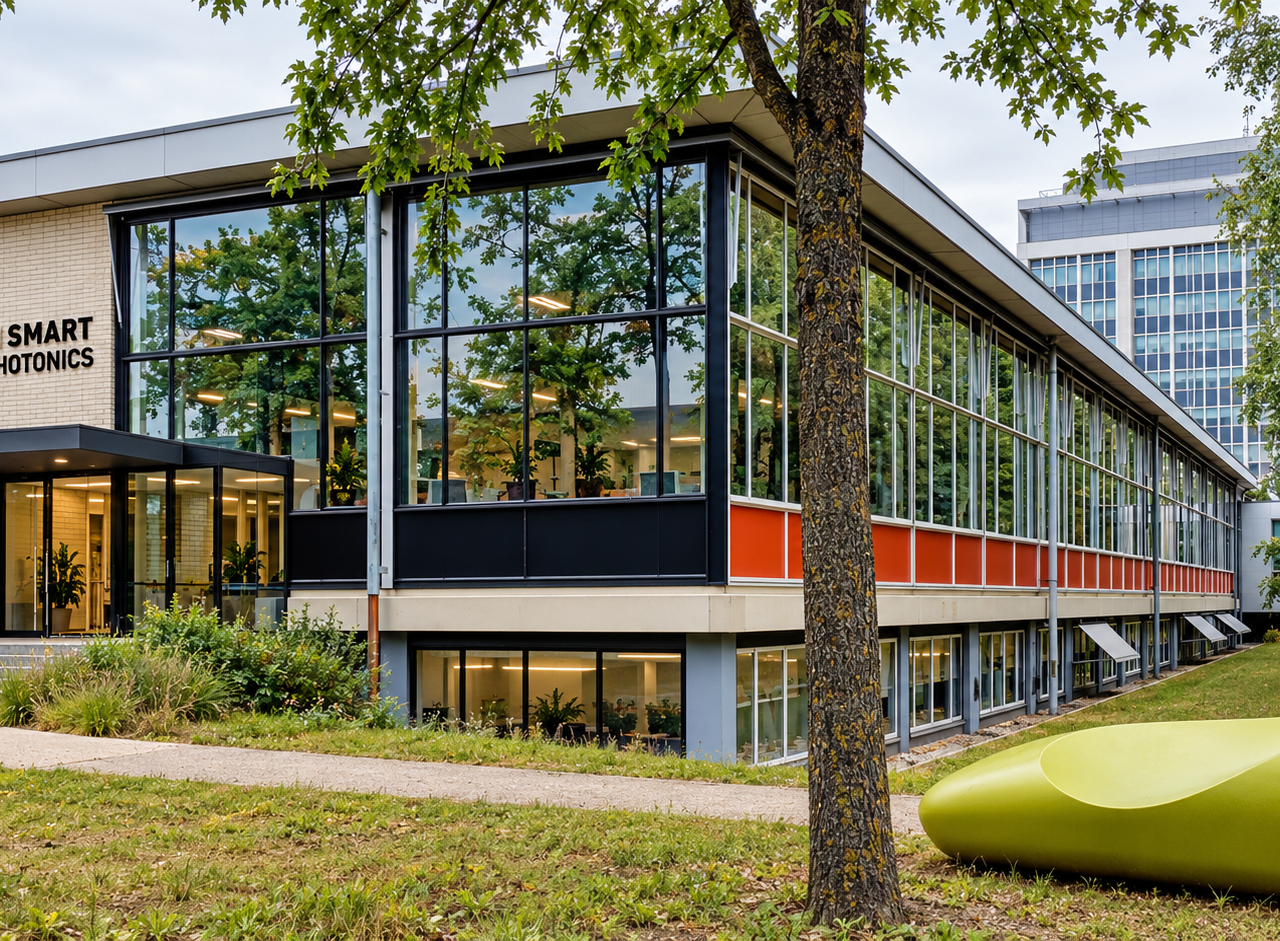
Europe’s photonics sector is approaching its industrial test. As Eindhoven expands wafer capacity and SMART Photonics partners with GlobalFoundries, the challenge shifts from proving chips can work to deciding who controls production, integration and value at scale.
Read More

 Available here:
