Saturday, August 22, 2026
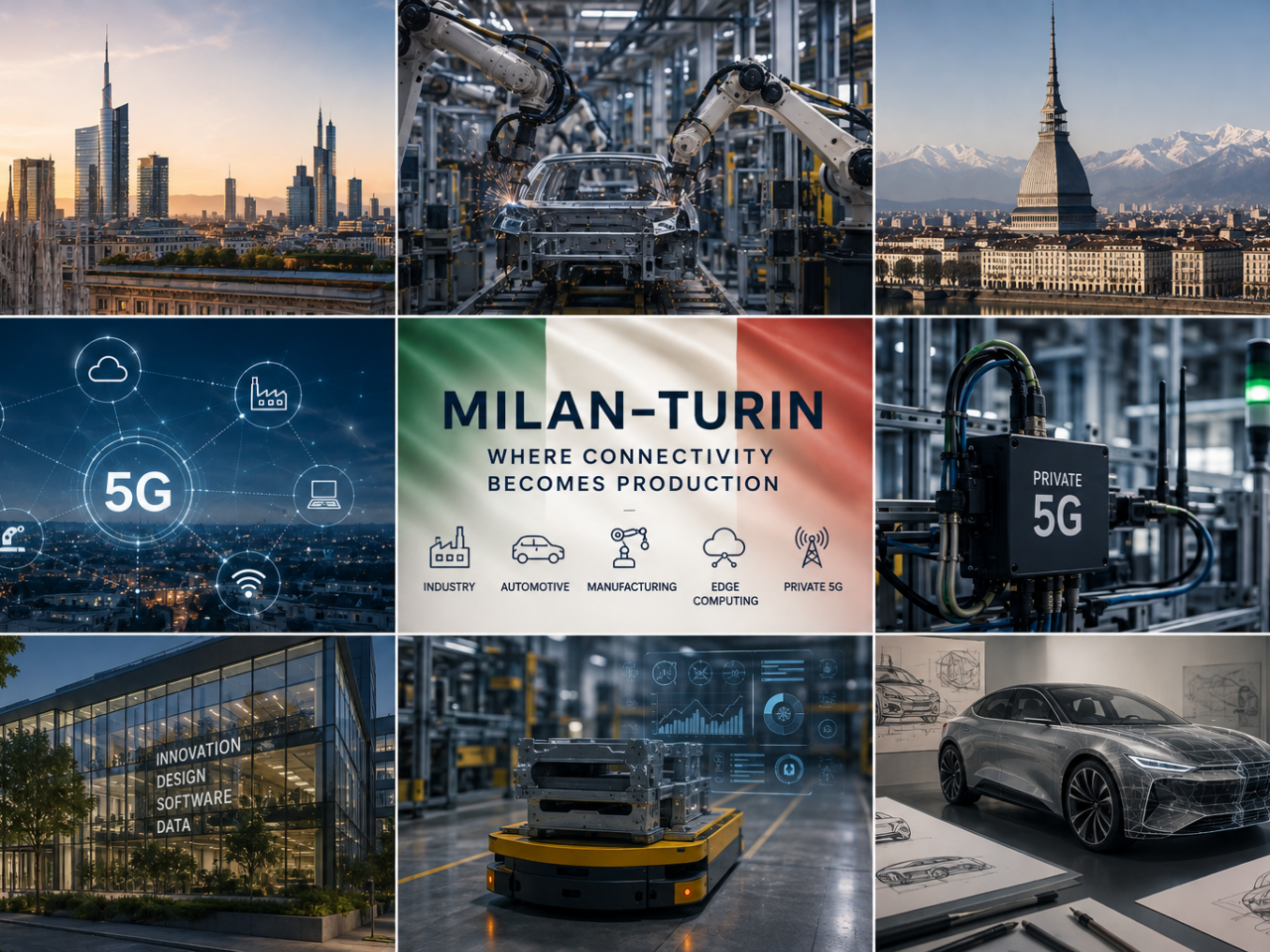
Northern Italy demonstrates how connectivity becomes production. Across the Milan–Turin corridor, private 5G, edge computing, artificial intelligence and advanced manufacturing converge to transform factories into intelligent production environments—where Europe’s digital infrastructure ultimately creates physical value.
Read More
Saturday, August 8, 2026

Modern wars are no longer sustained by military force alone. Behind every battlefield lies an industrial ecosystem of factories, energy, raw materials, semiconductors and skilled labour. The Industrial War explores why production capacity has become a defining element of strategic resilience.
Read More
Thursday, July 16, 2026
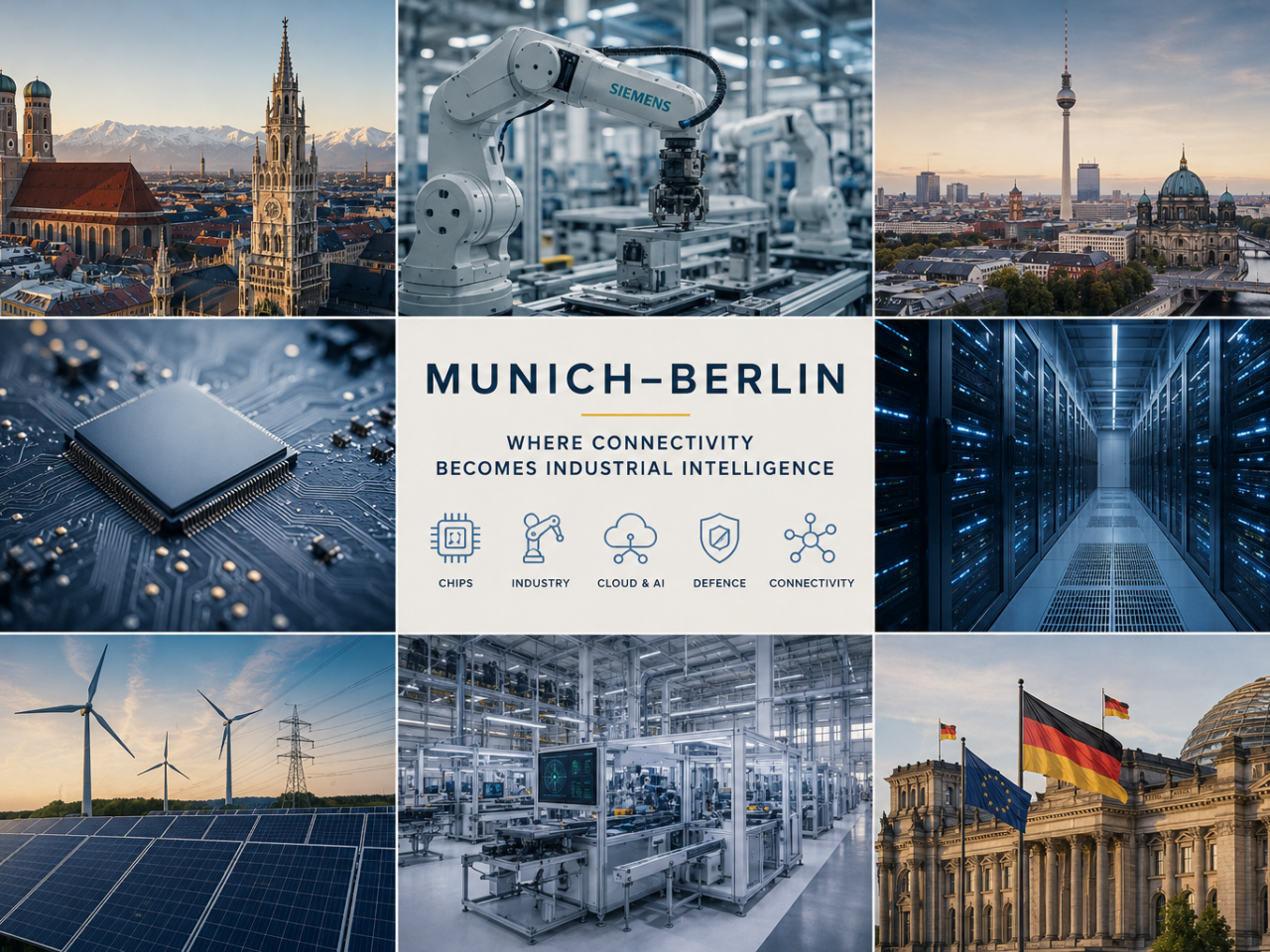
The Munich–Berlin corridor demonstrates how engineering, software, artificial intelligence and industrial infrastructure are converging into a new model of industrial intelligence. Future competitiveness will depend not on individual technologies, but on Europe’s ability to integrate them into one connected technological architecture.
Read More
Saturday, July 11, 2026
Europe’s next energy challenge lies beyond electricity generation. As heavy industry seeks to reduce emissions while remaining globally competitive, the transition increasingly depends on redesigning production itself—rethinking heat, materials, industrial processes and manufacturing as part of a new energy architecture.
Read More
Friday, July 3, 2026
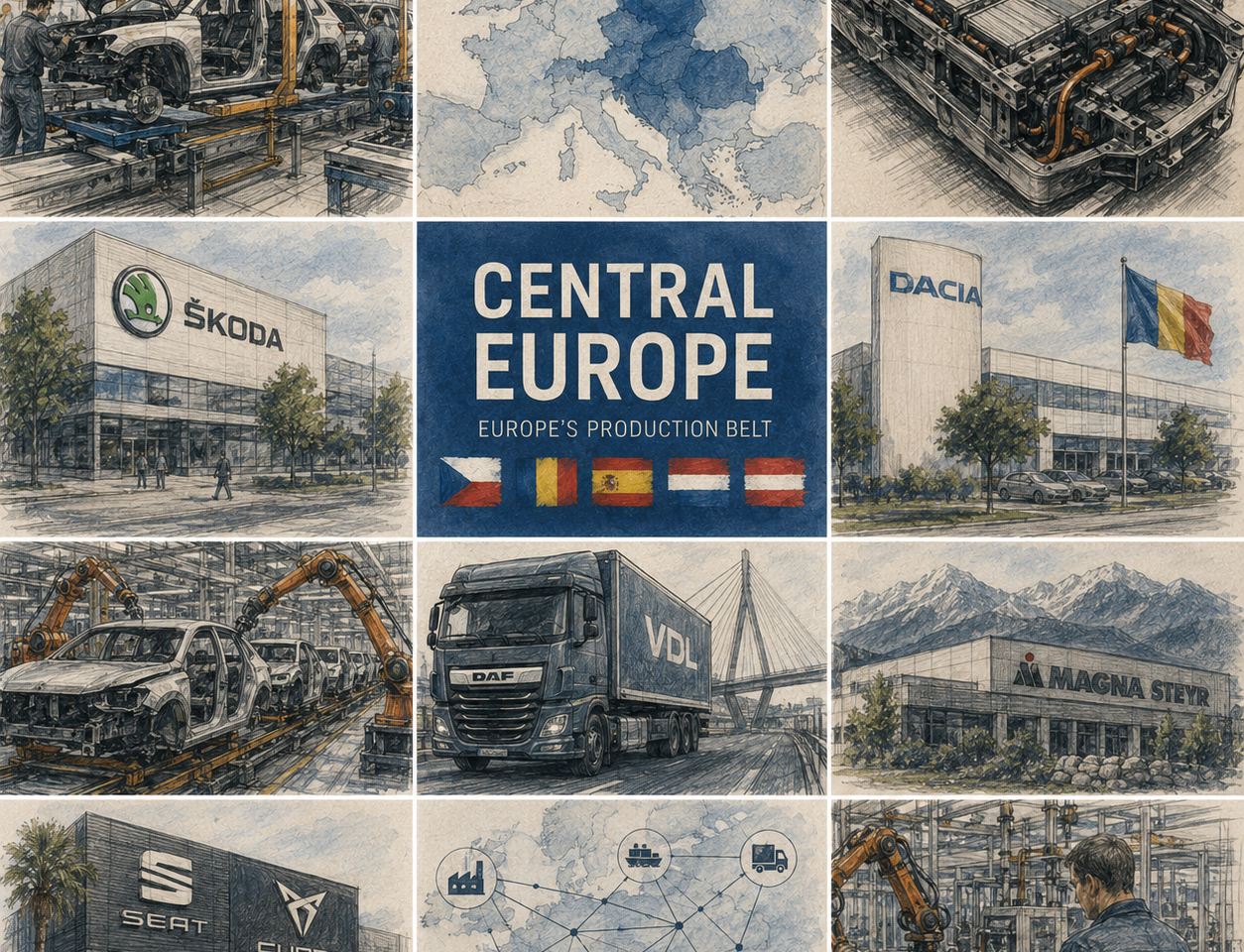
Europe’s automotive transition is not only shaped by brands, innovation and industrial policy. It also depends on the factories, suppliers and production ecosystems spread across Central Europe that transform strategy into physical output and industrial capacity.
Read More
Saturday, June 13, 2026

Europe’s challenge is no longer simply competing with foreign companies. It is increasingly competing with state-backed industrial ecosystems. As strategic industries shift from products to infrastructure, Europe faces difficult questions about resilience, sovereignty and the future of open markets.
Read More
Friday, June 5, 2026
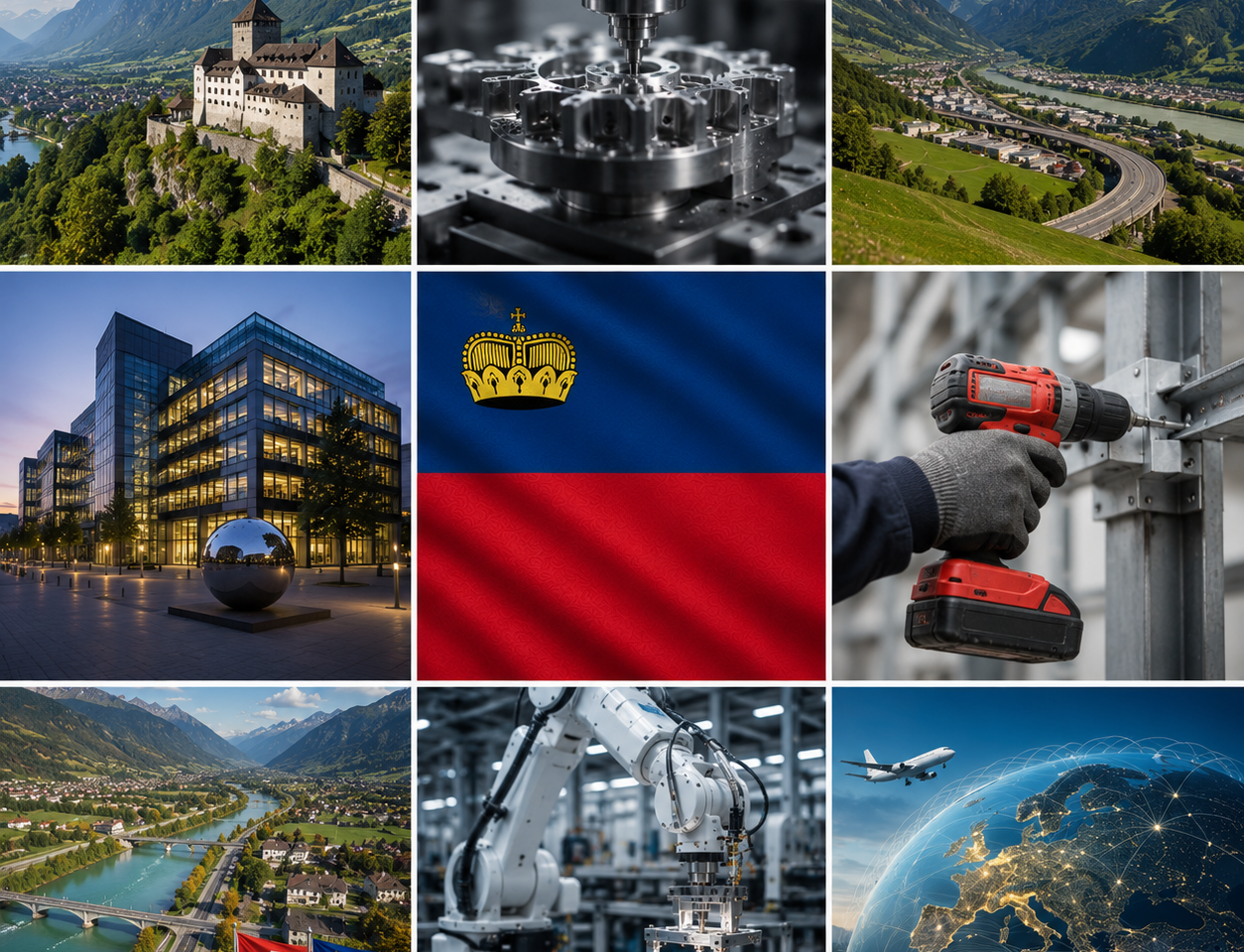
Liechtenstein is one of Europe’s smallest states, yet one of its most productive economies. Through specialization, precision engineering and global connectivity, the principality demonstrates how economic influence can emerge from density, focus and indispensability rather than scale alone.
Read More
Thursday, June 4, 2026
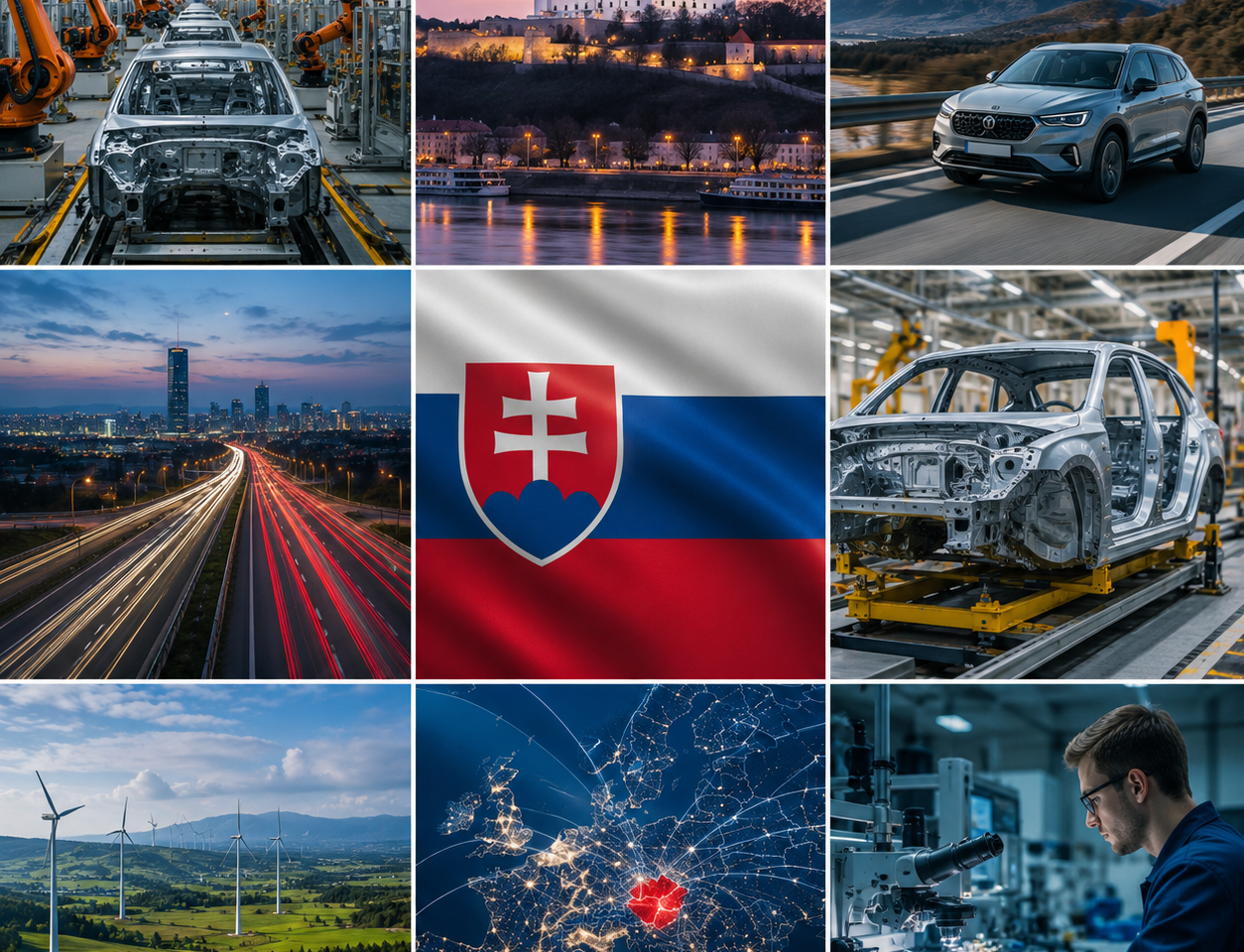
Slovakia has become one of the world’s most specialized automotive economies. As electric mobility, software and battery technologies reshape the industry, the country faces a defining challenge: transforming industrial dependence into long-term economic resilience.
Read More
Wednesday, June 3, 2026
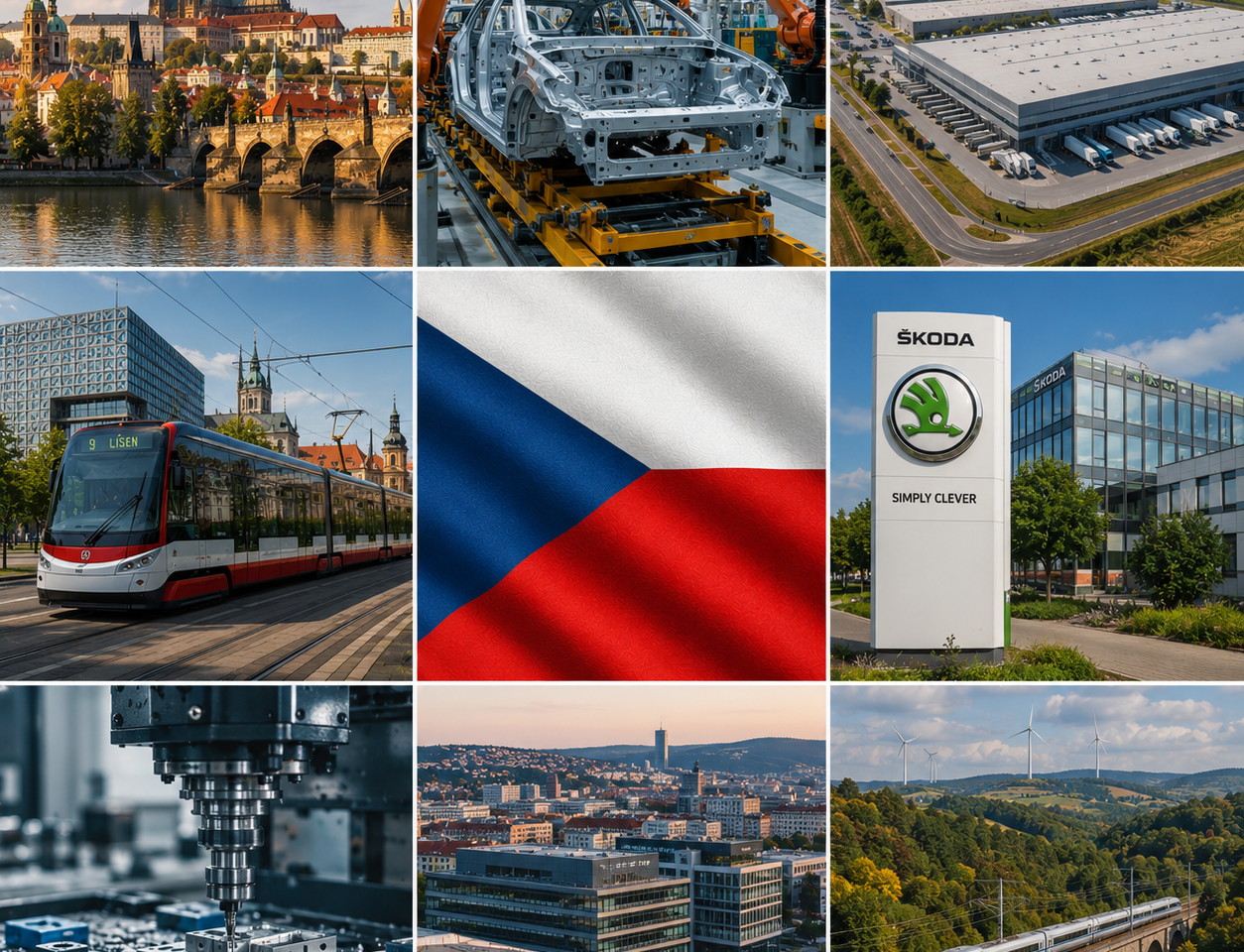
The Czech Republic has become one of Europe’s most specialized industrial economies. As automotive manufacturing enters a period of technological transformation, the country faces a new challenge: adapting decades of manufacturing success to the industries of the future.
Read More
Wednesday, June 3, 2026
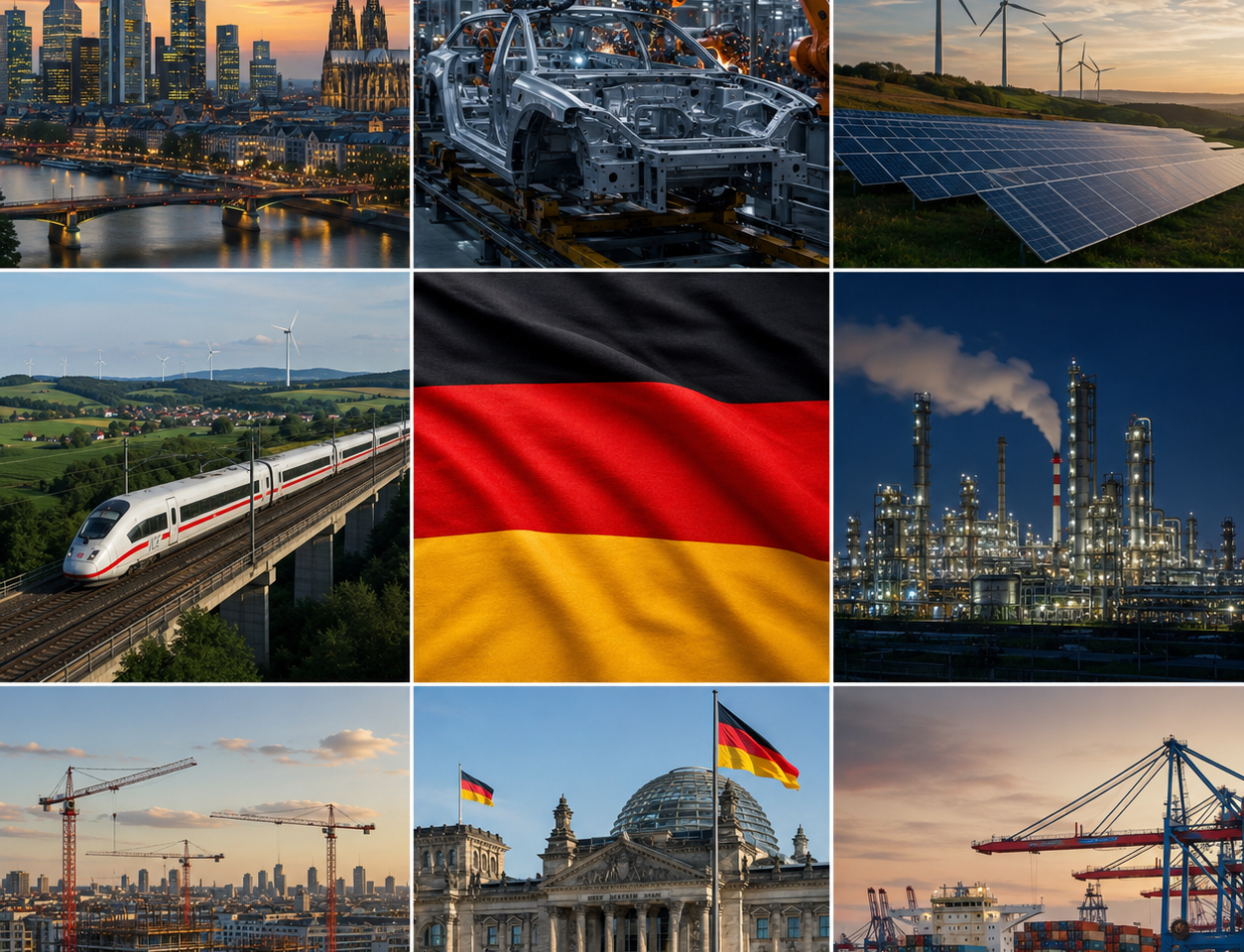
Germany remains Europe’s industrial powerhouse, yet demographic decline, energy transition and global competition are reshaping the foundations of its economic model. As the anchor of Central Europe’s manufacturing ecosystem, Germany offers a glimpse into the future challenges facing the continent.
Read More

 Available here: