Friday, June 5, 2026
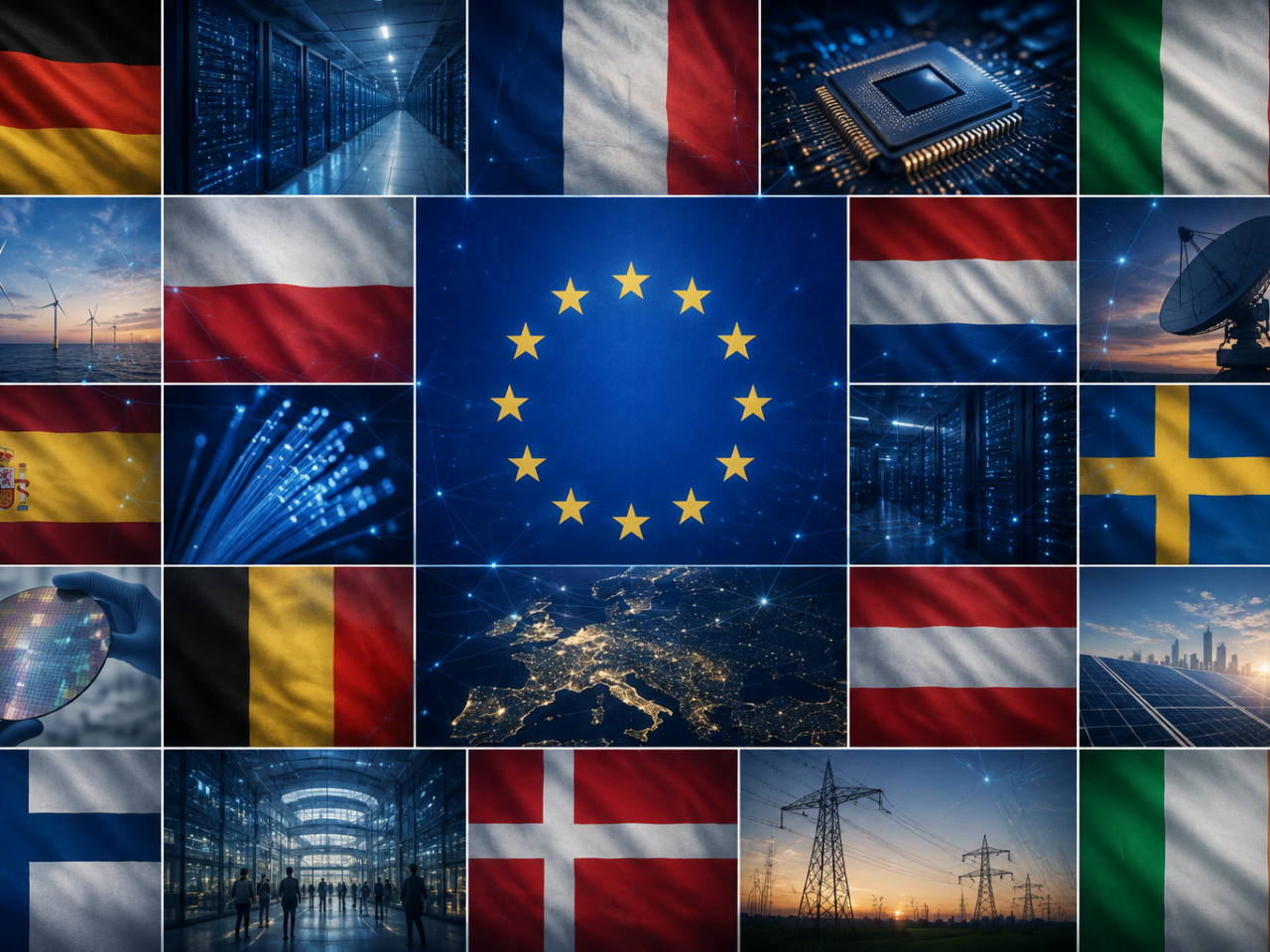
For years, Europe spoke about digital sovereignty as a long-term ambition. With the launch of the Tech Sovereignty Package and Chips Act 2.0, that ambition is beginning to take institutional form. This series explores how semiconductors, cloud infrastructure, AI and energy are becoming part of a broader European strategy to reduce critical dependencies and strengthen technological resilience.
Read More
Friday, June 5, 2026
What began as a series about eight Central European economies ultimately revealed something larger. Beneath national borders lies a dense ecosystem of infrastructure, specialization, innovation and interdependence — a networked economic architecture in which prosperity increasingly depends not on scale alone, but on becoming indispensable within larger systems.
Read More
Thursday, June 4, 2026

Hungary has become one of Europe’s most strategically positioned economies, connecting German industry, Asian investment and the continent’s battery transition. Its economic trajectory offers a glimpse into the increasingly complex relationship between industrial competitiveness, technological sovereignty and geopolitical strategy.
Read More
Thursday, June 4, 2026

Austria occupies a unique position within Central Europe. Through infrastructure, finance, engineering and regional connectivity, the country functions as a critical coordination hub linking Western Europe with the industrial economies of Central and South-Eastern Europe.
Read More
Thursday, June 4, 2026
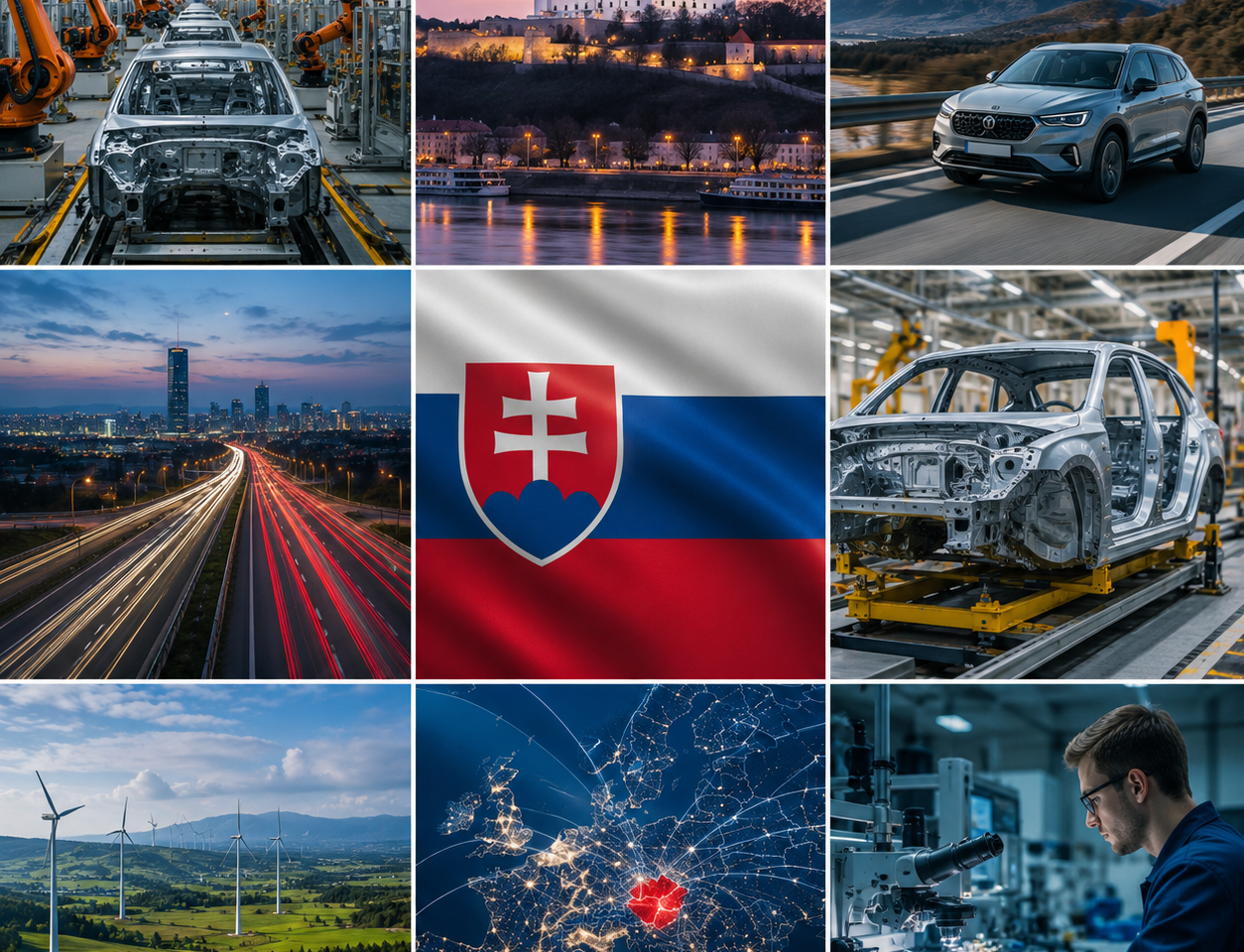
Slovakia has become one of the world’s most specialized automotive economies. As electric mobility, software and battery technologies reshape the industry, the country faces a defining challenge: transforming industrial dependence into long-term economic resilience.
Read More
Wednesday, June 3, 2026
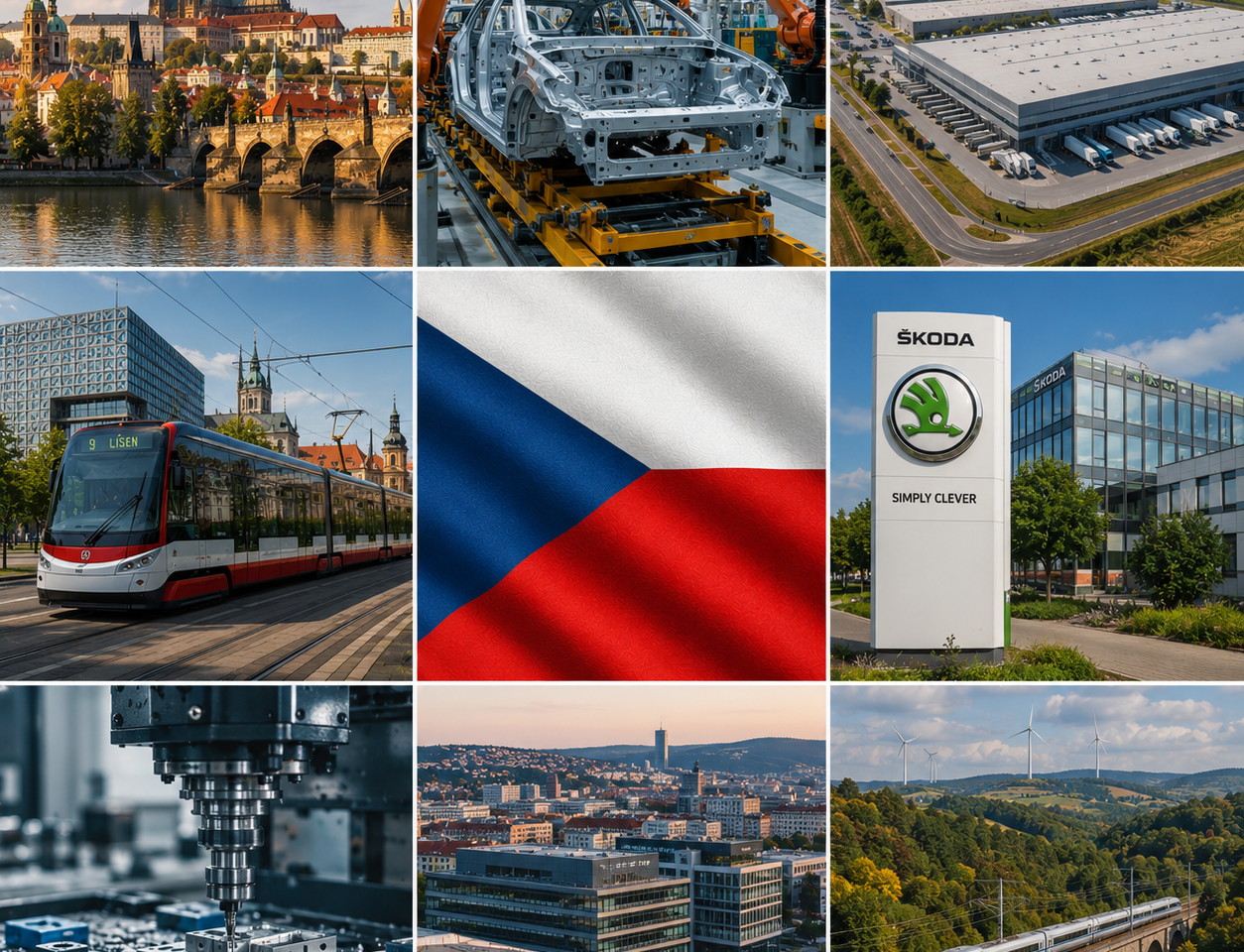
The Czech Republic has become one of Europe’s most specialized industrial economies. As automotive manufacturing enters a period of technological transformation, the country faces a new challenge: adapting decades of manufacturing success to the industries of the future.
Read More
Wednesday, June 3, 2026
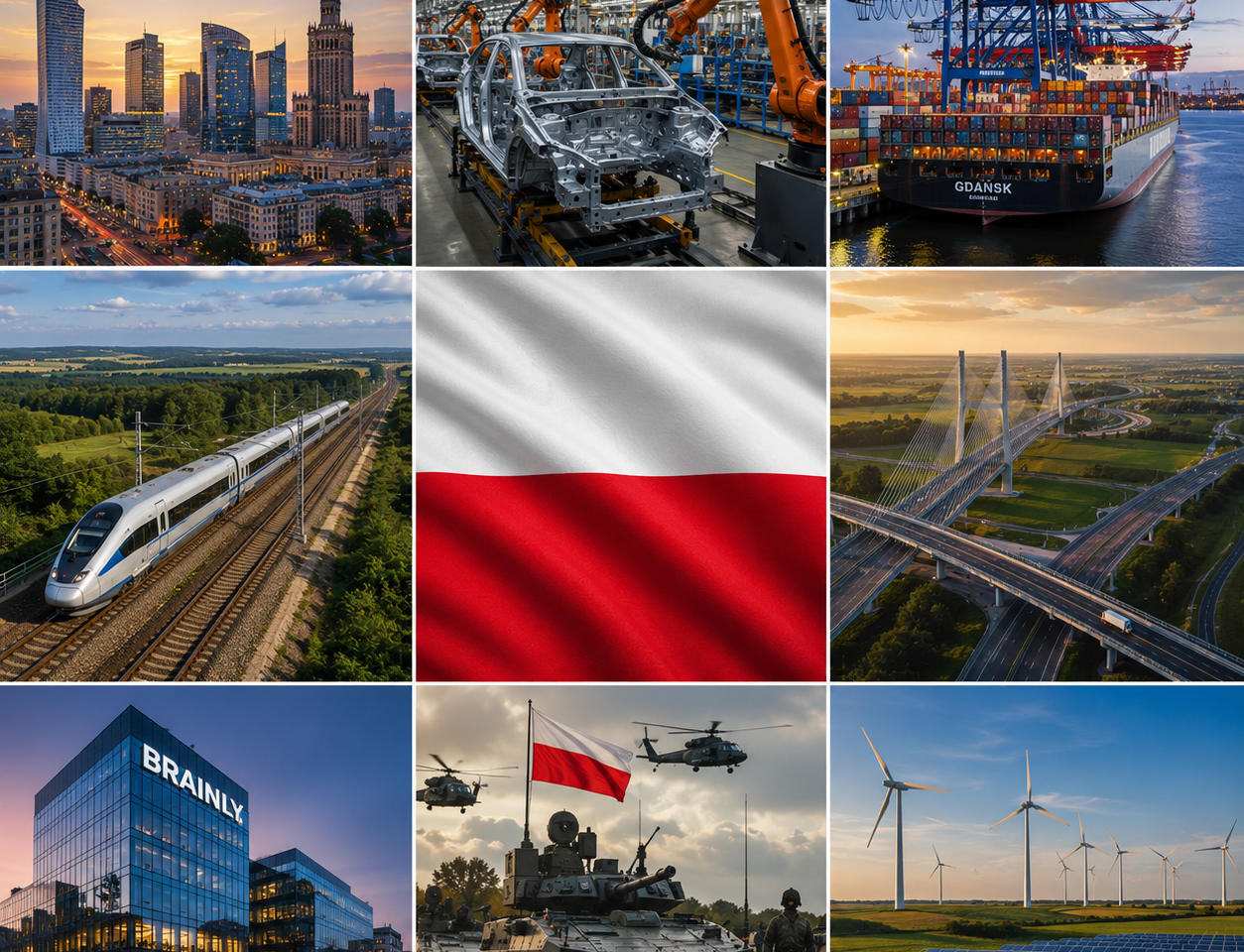
Poland has evolved from Europe’s economic frontier into one of its most dynamic industrial, logistics and technology hubs. As infrastructure, investment and strategic importance continue growing, the country is increasingly reshaping the geography of economic power within Europe.
Read More
Wednesday, June 3, 2026
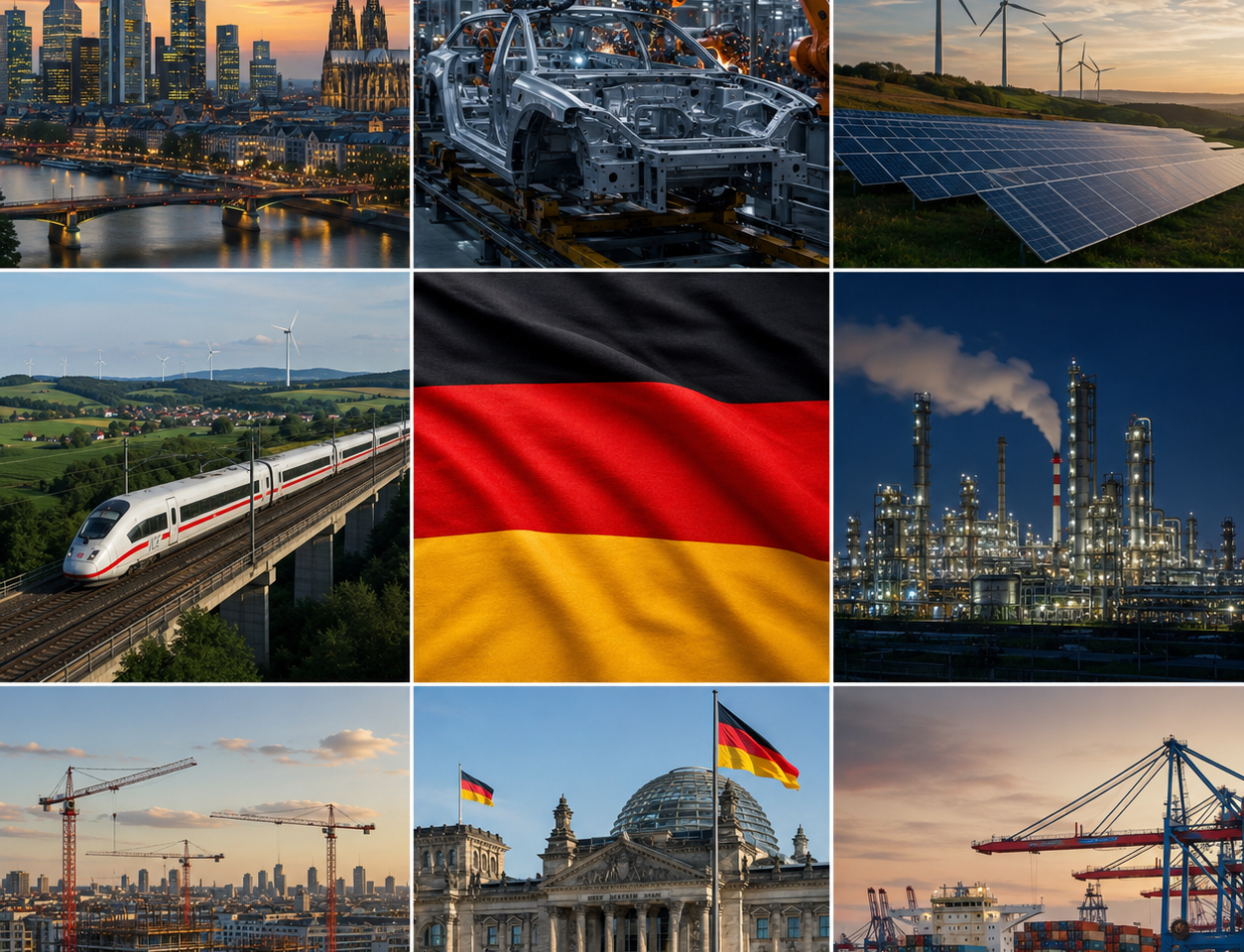
Germany remains Europe’s industrial powerhouse, yet demographic decline, energy transition and global competition are reshaping the foundations of its economic model. As the anchor of Central Europe’s manufacturing ecosystem, Germany offers a glimpse into the future challenges facing the continent.
Read More
Tuesday, June 2, 2026

Artificial intelligence is often discussed as a software revolution. Increasingly, however, AI is revealing itself as something much larger: an industrial system built upon energy, semiconductors, infrastructure and global supply chains. As intelligence scales, the real competition may shift from algorithms toward the ecosystems capable of sustaining them.
Read More
Tuesday, June 2, 2026

While the United States develops the digital brain of AI and Japan perfects the mechanical muscles of robotics, Europe may be building something different: the industrial nervous system. Siemens increasingly sits at the center of that transformation.
Read More

 Available here: