Monday, October 19, 2026
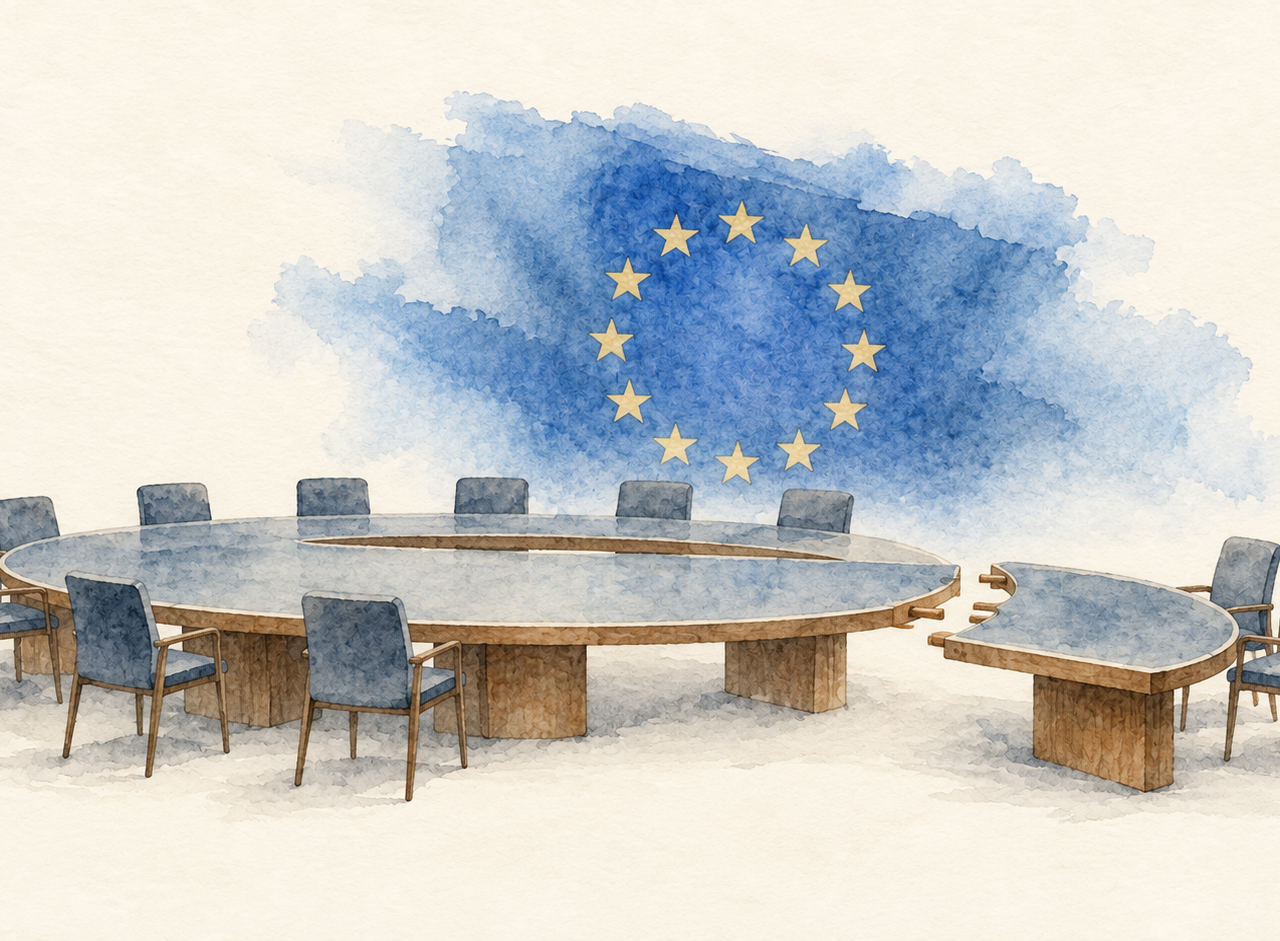
A larger European Union needs institutions capable of deciding, financing and enforcing shared commitments. As candidates prepare for membership, existing members face their own reform test: adapting voting rules, negotiating financial redistribution and ensuring that common standards remain credible after accession.
Read More
Thursday, August 13, 2026

Europe created a single currency, but not yet a single financial economy. Its exchanges reveal sophisticated but fragmented strengths. The next European project may therefore be neither one exchange nor one financial centre, but a connected European capital architecture.
Read More
Wednesday, August 12, 2026

Warsaw Stock Exchange helped Poland transition towards a market economy. Three decades later, it faces a different challenge: can Warsaw connect the growing companies and industries of Central and Eastern Europe with the deeper pools of capital available across Europe?
Read More
Wednesday, June 24, 2026
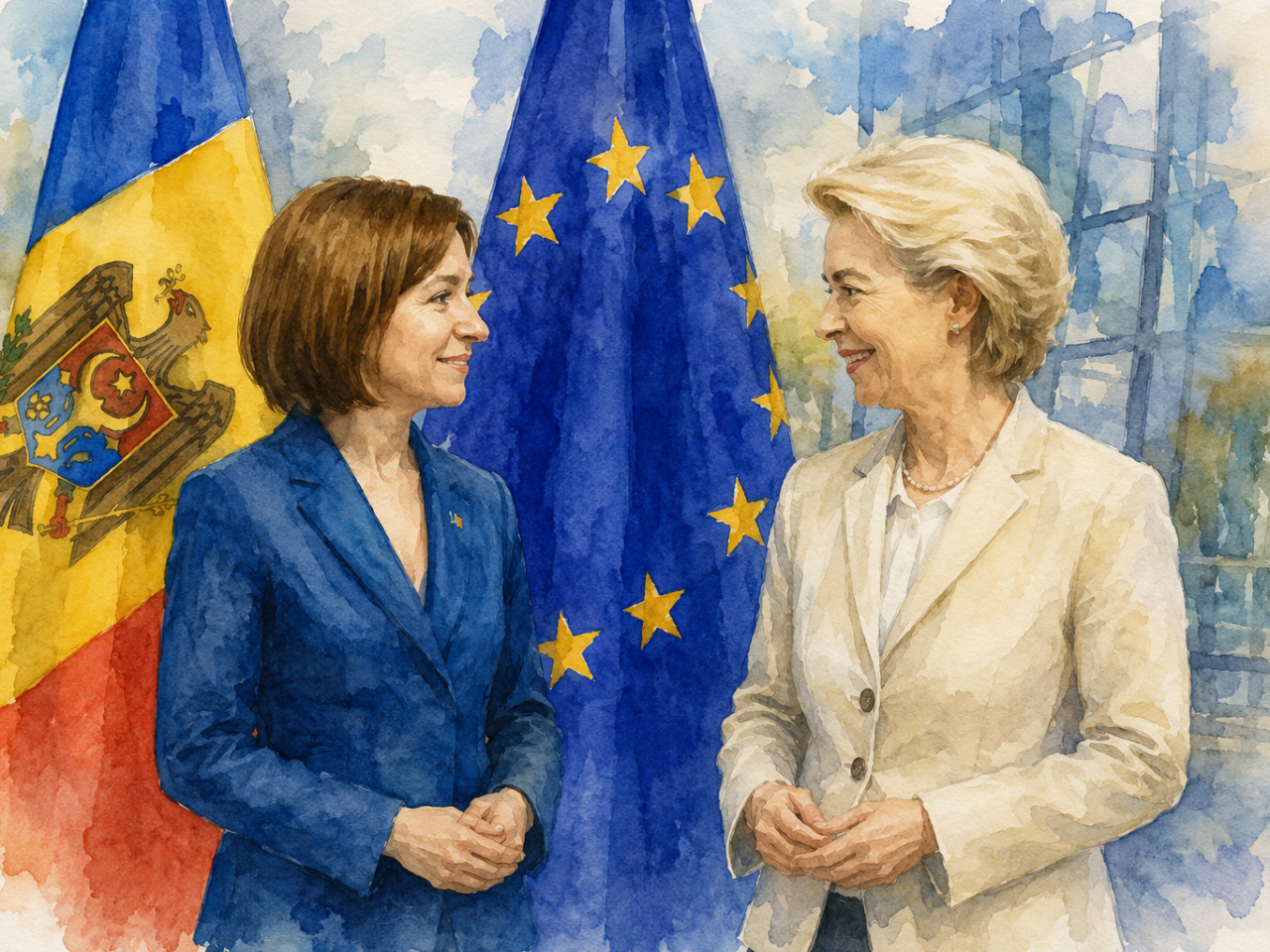
Moldova’s path toward European Union membership reveals a deeper transformation taking place within Europe itself. As energy networks, payment systems and infrastructure become tools of resilience, enlargement is increasingly about stability, sovereignty and the architecture of a changing continent.
Read More
Friday, June 12, 2026

The future of Western Europe may depend less on any individual country than on the interaction between multiple forms of economic influence. Connectivity, complexity, specialisation, strategic capacity, openness and global reach together form an ecosystem whose resilience may become increasingly important in an age of fragmentation.
Read More
Thursday, June 11, 2026

While much of Europe embraced market liberalisation, France maintained a stronger belief in the strategic role of the state. Today, as debates over industrial policy, energy security and technological sovereignty return, France’s economic model appears more relevant than it has in decades.
Read More
Thursday, June 11, 2026

Luxembourg is one of Europe’s smallest countries, yet its influence extends far beyond its borders. Through finance, international institutions, satellite communications and strategic specialisation, the country demonstrates how expertise and indispensability can create influence beyond scale.
Read More
Thursday, June 11, 2026

Belgium occupies a unique position within Europe. Combining industry, logistics, scientific research and European governance, the country functions as a crossroads where economies, institutions and cultures converge. Its experience offers a glimpse into how complexity can become a source of resilience in an increasingly uncertain world.
Read More
Friday, June 5, 2026
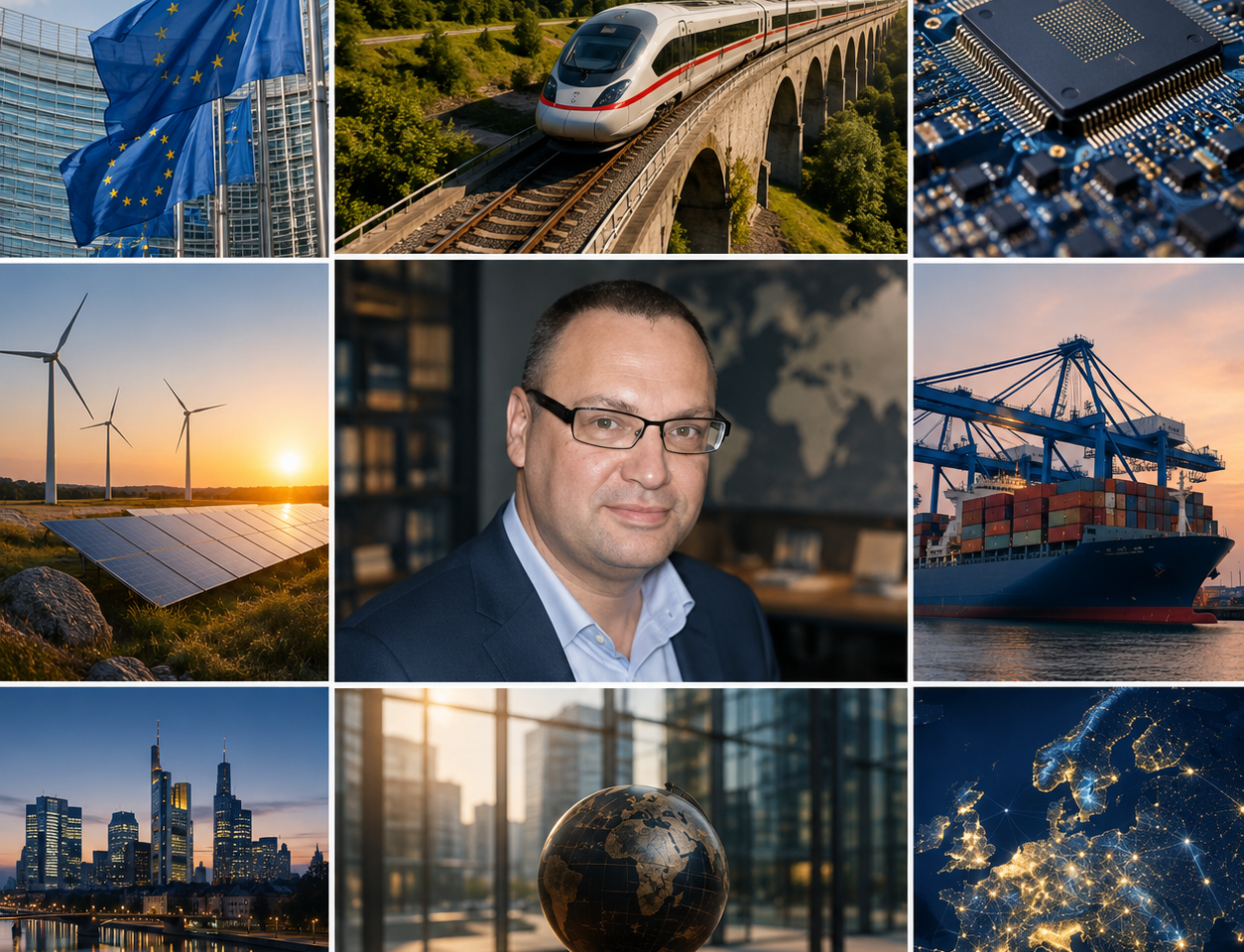
What began as a series about eight Central European economies ultimately revealed something larger. Beneath national borders lies a dense ecosystem of infrastructure, specialization, innovation and interdependence — a networked economic architecture in which prosperity increasingly depends not on scale alone, but on becoming indispensable within larger systems.
Read More
Wednesday, June 3, 2026
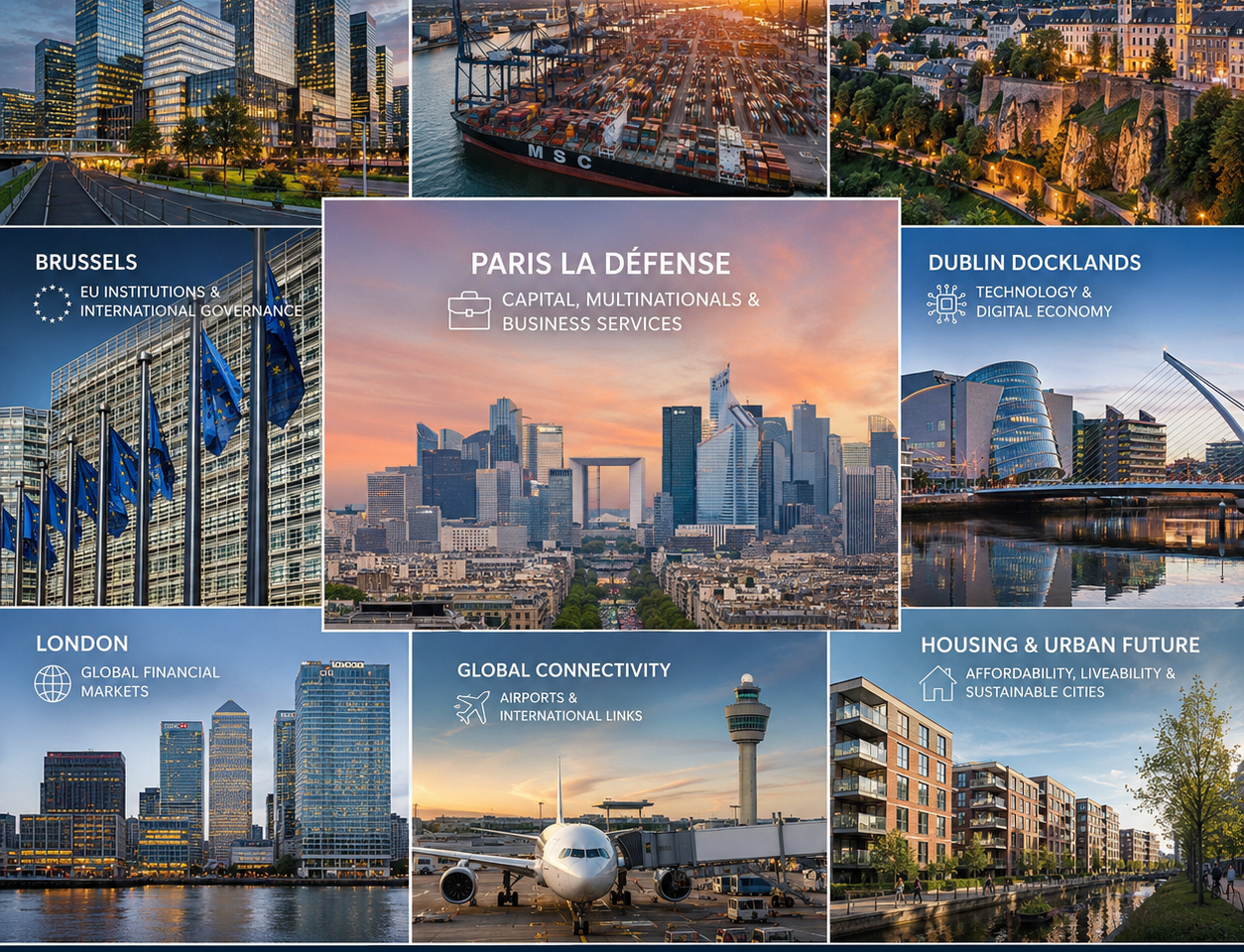
Western Europe has evolved into one of the world’s most interconnected economic regions. Through finance, logistics, technology and global trade, countries such as the Netherlands, Belgium, France, Ireland, Luxembourg and the United Kingdom continue to shape Europe’s role within the global economy.
Read More

 Available here: