Friday, June 5, 2026
Liechtenstein is one of Europe’s smallest states, yet one of its most productive economies. Through specialization, precision engineering and global connectivity, the principality demonstrates how economic influence can emerge from density, focus and indispensability rather than scale alone.
Read More
Thursday, June 4, 2026

Hungary has become one of Europe’s most strategically positioned economies, connecting German industry, Asian investment and the continent’s battery transition. Its economic trajectory offers a glimpse into the increasingly complex relationship between industrial competitiveness, technological sovereignty and geopolitical strategy.
Read More
Thursday, June 4, 2026

Austria occupies a unique position within Central Europe. Through infrastructure, finance, engineering and regional connectivity, the country functions as a critical coordination hub linking Western Europe with the industrial economies of Central and South-Eastern Europe.
Read More
Thursday, June 4, 2026
Slovakia has become one of the world’s most specialized automotive economies. As electric mobility, software and battery technologies reshape the industry, the country faces a defining challenge: transforming industrial dependence into long-term economic resilience.
Read More
Wednesday, June 3, 2026
The Czech Republic has become one of Europe’s most specialized industrial economies. As automotive manufacturing enters a period of technological transformation, the country faces a new challenge: adapting decades of manufacturing success to the industries of the future.
Read More
Wednesday, June 3, 2026
Poland has evolved from Europe’s economic frontier into one of its most dynamic industrial, logistics and technology hubs. As infrastructure, investment and strategic importance continue growing, the country is increasingly reshaping the geography of economic power within Europe.
Read More
Wednesday, June 3, 2026
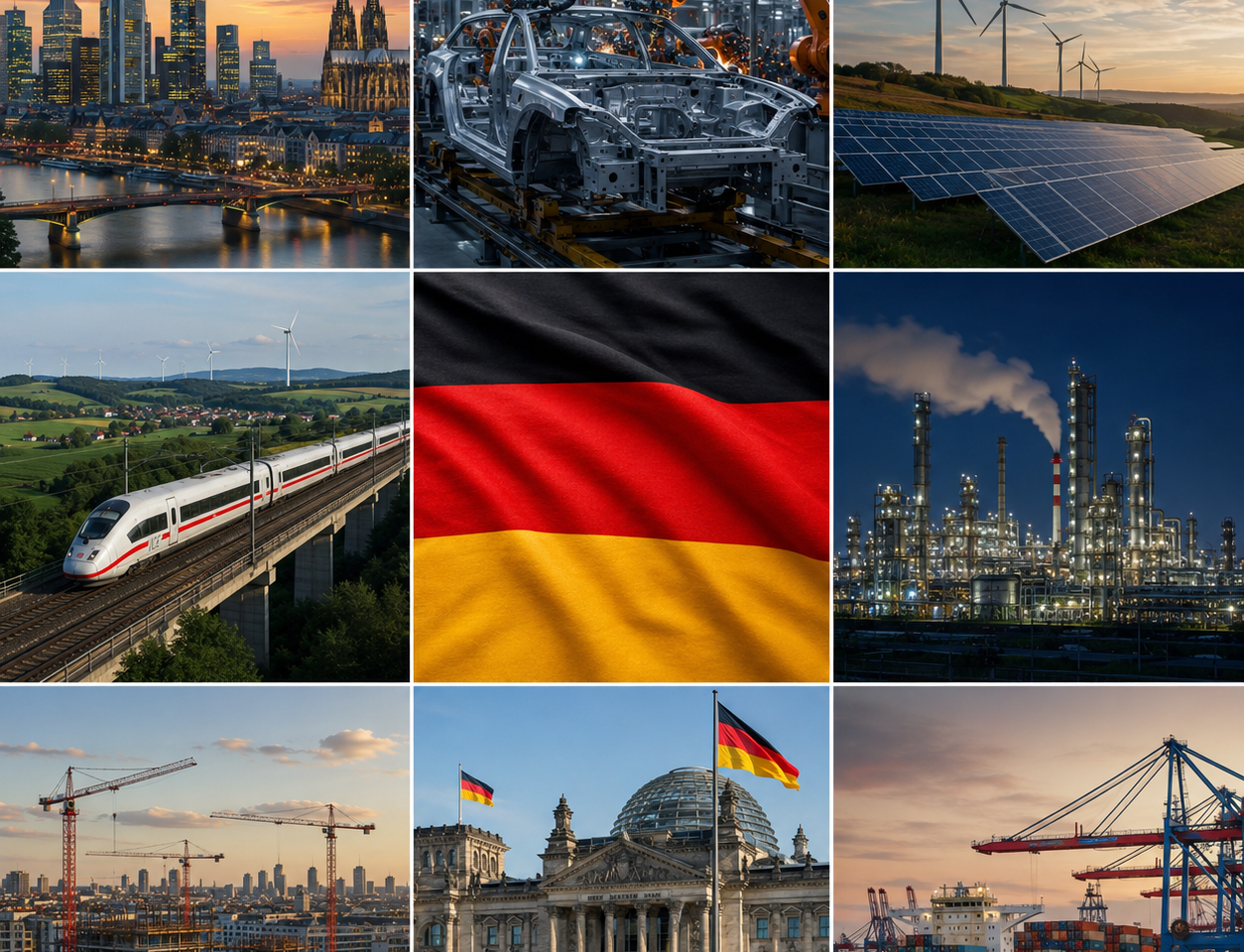
Germany remains Europe’s industrial powerhouse, yet demographic decline, energy transition and global competition are reshaping the foundations of its economic model. As the anchor of Central Europe’s manufacturing ecosystem, Germany offers a glimpse into the future challenges facing the continent.
Read More
Wednesday, June 3, 2026
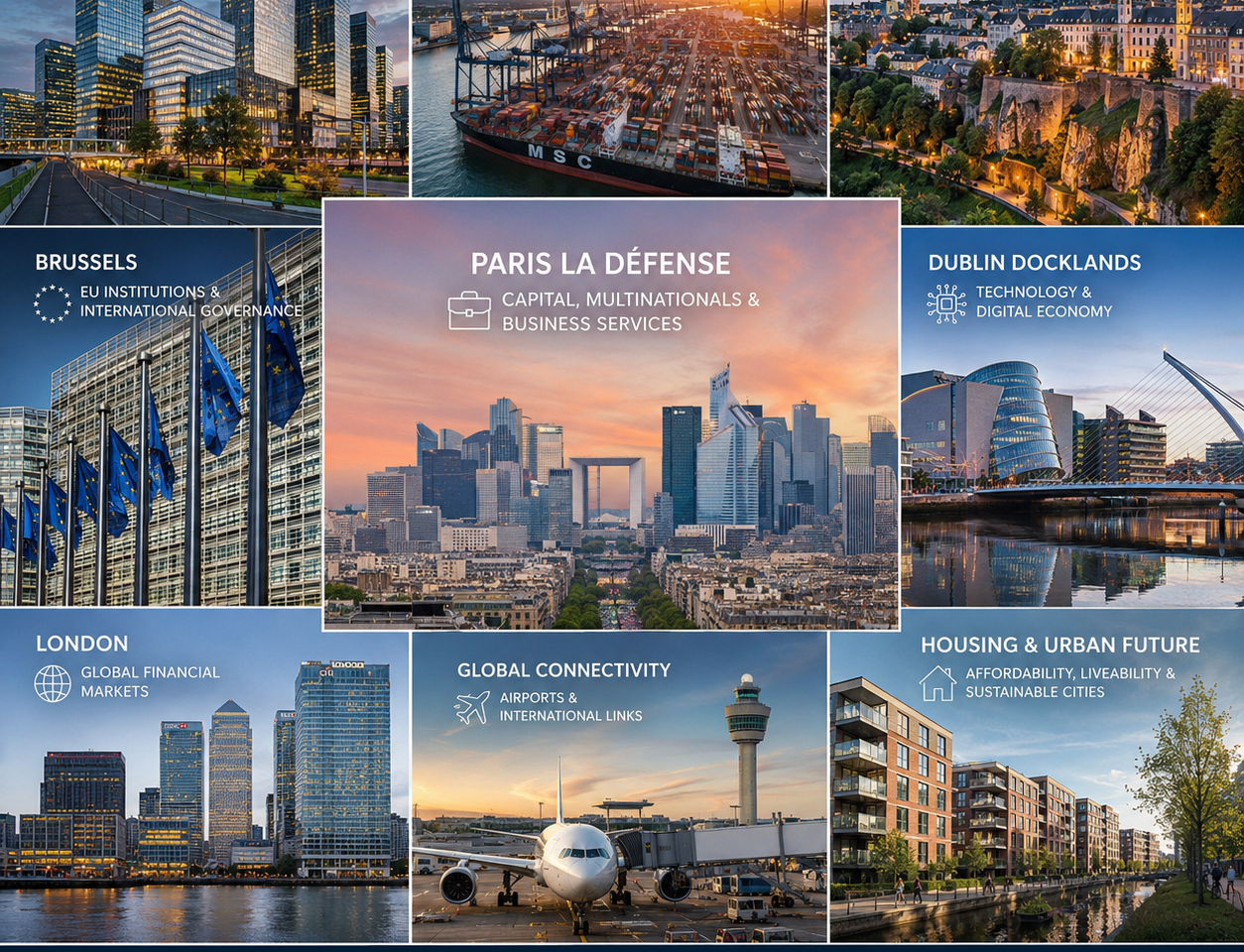
Western Europe has evolved into one of the world’s most interconnected economic regions. Through finance, logistics, technology and global trade, countries such as the Netherlands, Belgium, France, Ireland, Luxembourg and the United Kingdom continue to shape Europe’s role within the global economy.
Read More
Monday, June 1, 2026
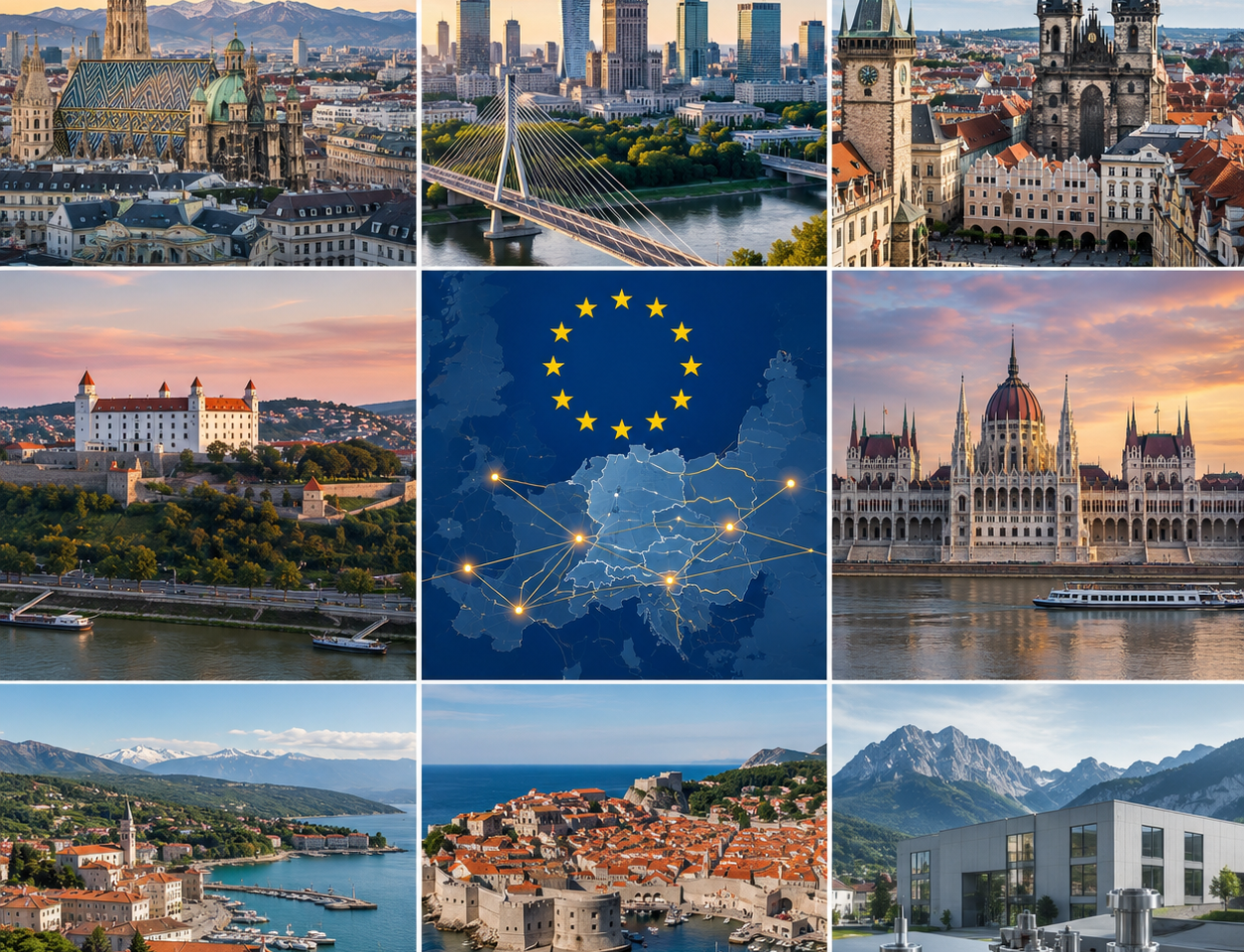
Central Europe is emerging as one of the most dynamic regions within the European economy. This series explores how Austria, Poland, Czechia, Slovakia, Hungary, Slovenia, Croatia and Liechtenstein contribute to Europe’s industrial strength, innovation capacity, infrastructure networks and long-term economic resilience.
Read More
Friday, May 8, 2026

European banks are increasingly evolving from institutions that allocate capital into systems designed to interpret and filter risk. As compliance frameworks, AI-driven monitoring and regulatory pressure expand, the financial sector faces a growing tension between protection, transparency and economic dynamism.
Read More

 Available here:
