Tuesday, June 30, 2026
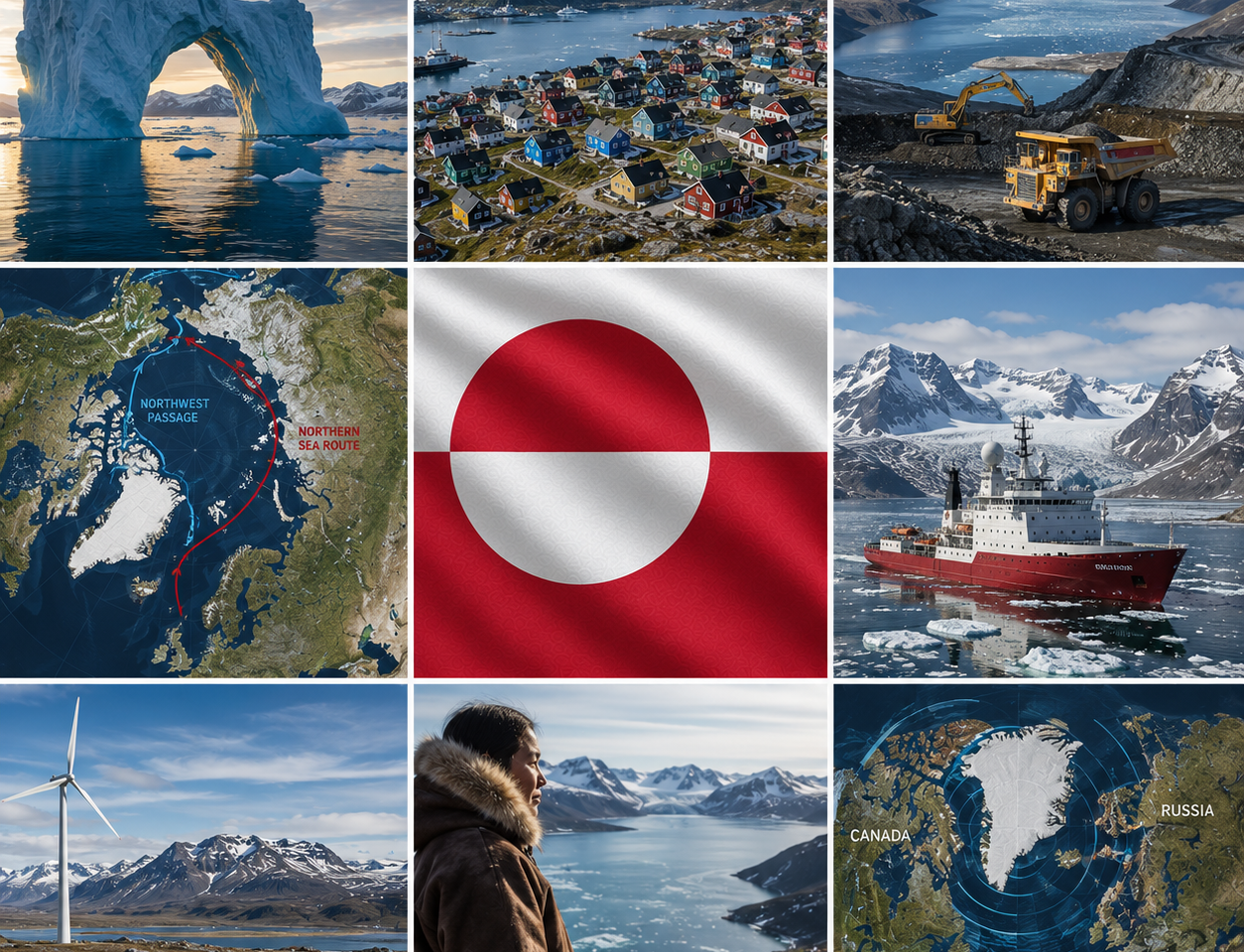
Greenland is increasingly moving from the margins of the global economy toward its strategic centre. As climate change reshapes the Arctic and demand for critical minerals grows, the island illustrates how geography, once thought to be diminishing in importance, is becoming a defining factor of the twenty-first century.
Read More
Saturday, June 27, 2026
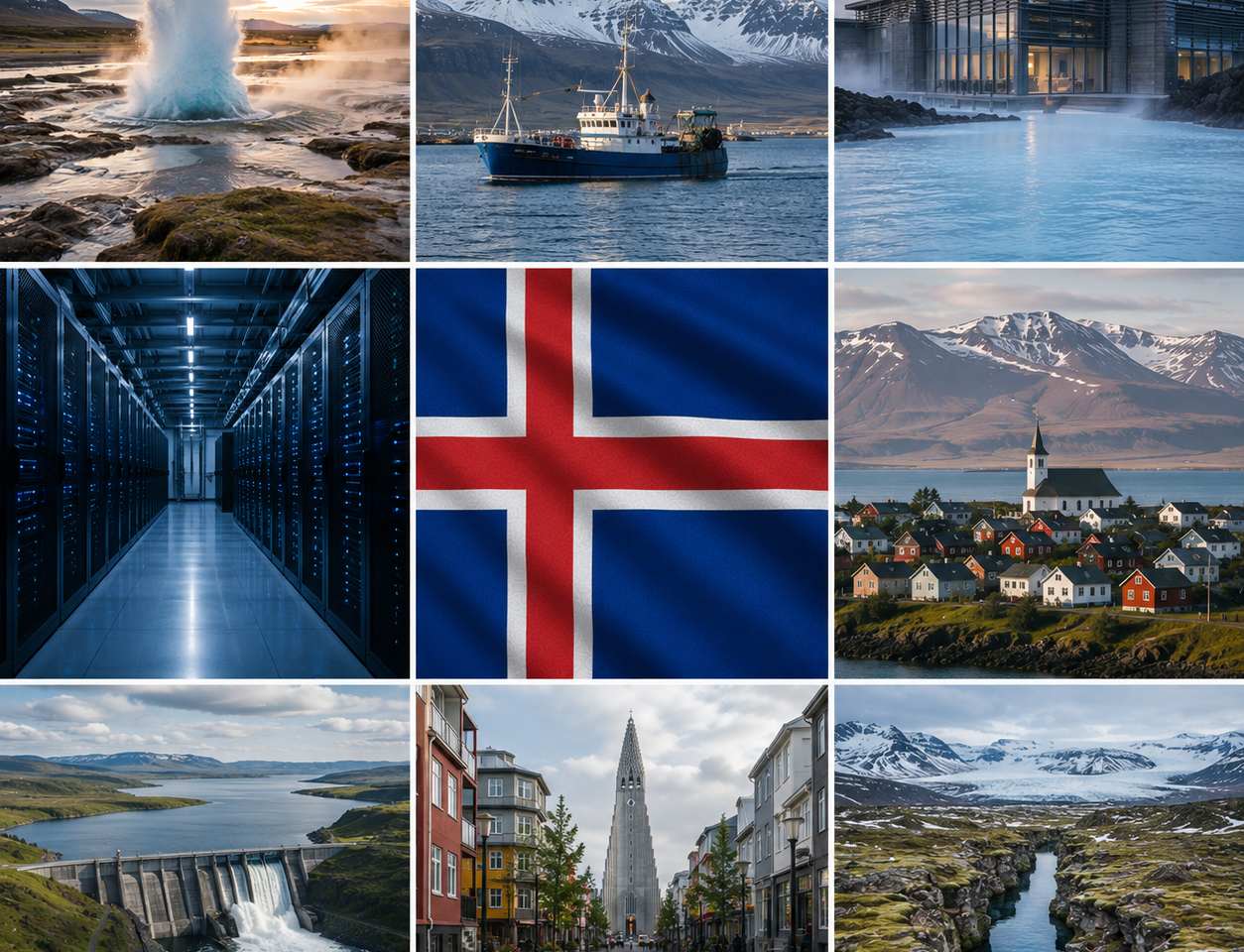
Iceland is often overlooked because of its size. Yet the country offers a compelling example of how geography, renewable energy, resource management and institutional flexibility can create resilience. In many respects, Iceland functions as a societal laboratory where constraints are continuously transformed into capabilities.
Read More
Thursday, June 25, 2026
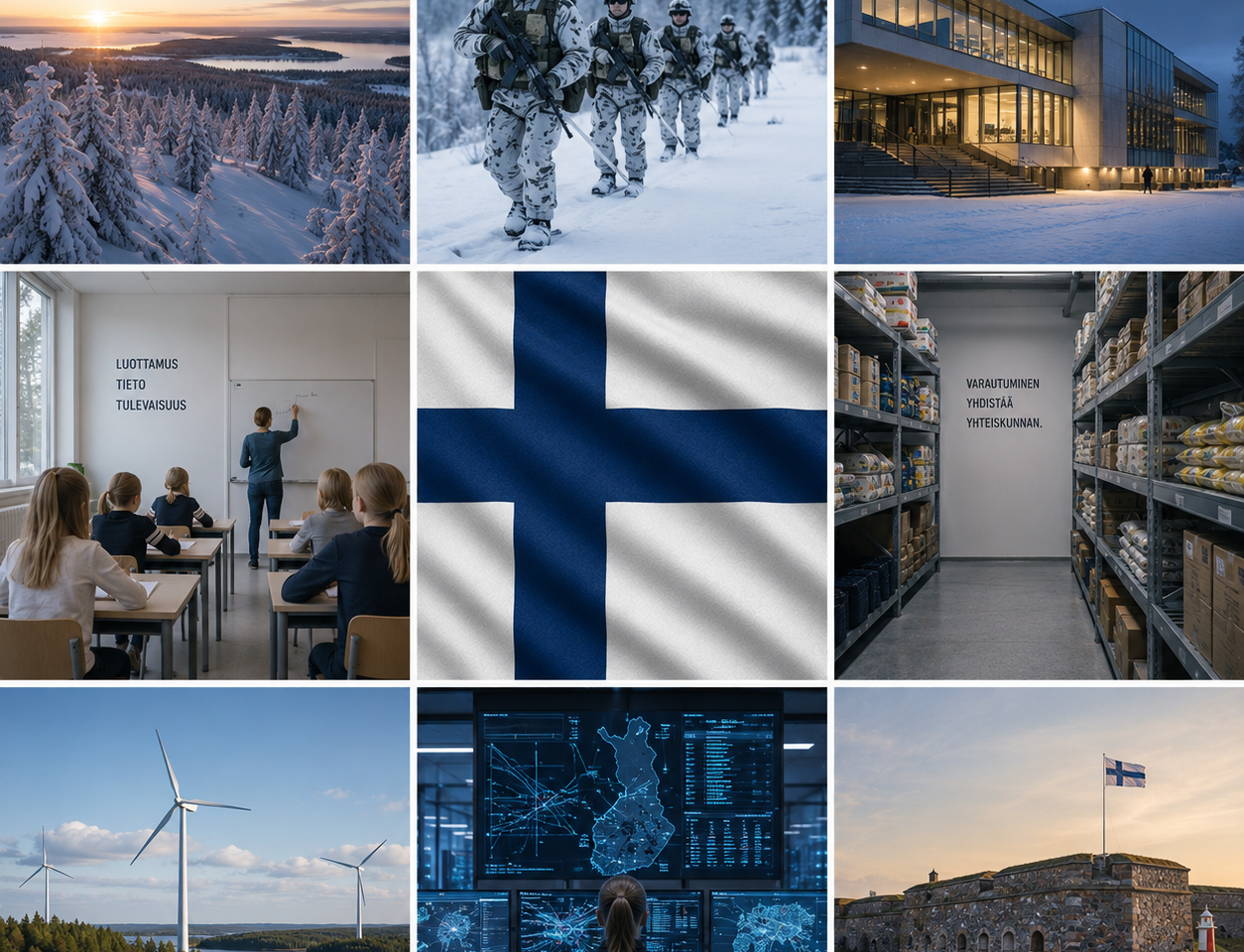
While many societies spent decades optimising for efficiency, Finland quietly invested in resilience. From education and cybersecurity to strategic reserves and comprehensive preparedness, the country demonstrates how uncertainty can become a catalyst for institutional strength rather than vulnerability.
Read More
Tuesday, June 23, 2026

Norway is often associated with oil, gas and extraordinary national wealth. Yet its deeper achievement may lie elsewhere. Through long-term planning, strong institutions and one of the world’s largest sovereign wealth funds, Norway has demonstrated how resource wealth can be transformed into resilience for future generations.
Read More
Sunday, June 21, 2026

Sweden is often recognised for companies such as IKEA, Ericsson, Spotify, Klarna and Saab. Yet the country’s deeper strength lies in something broader: an innovation ecosystem built upon education, research, trust and long-term investment in human capital. Sweden demonstrates that innovation is not simply an economic activity—it is a societal capability.
Read More
Friday, June 19, 2026
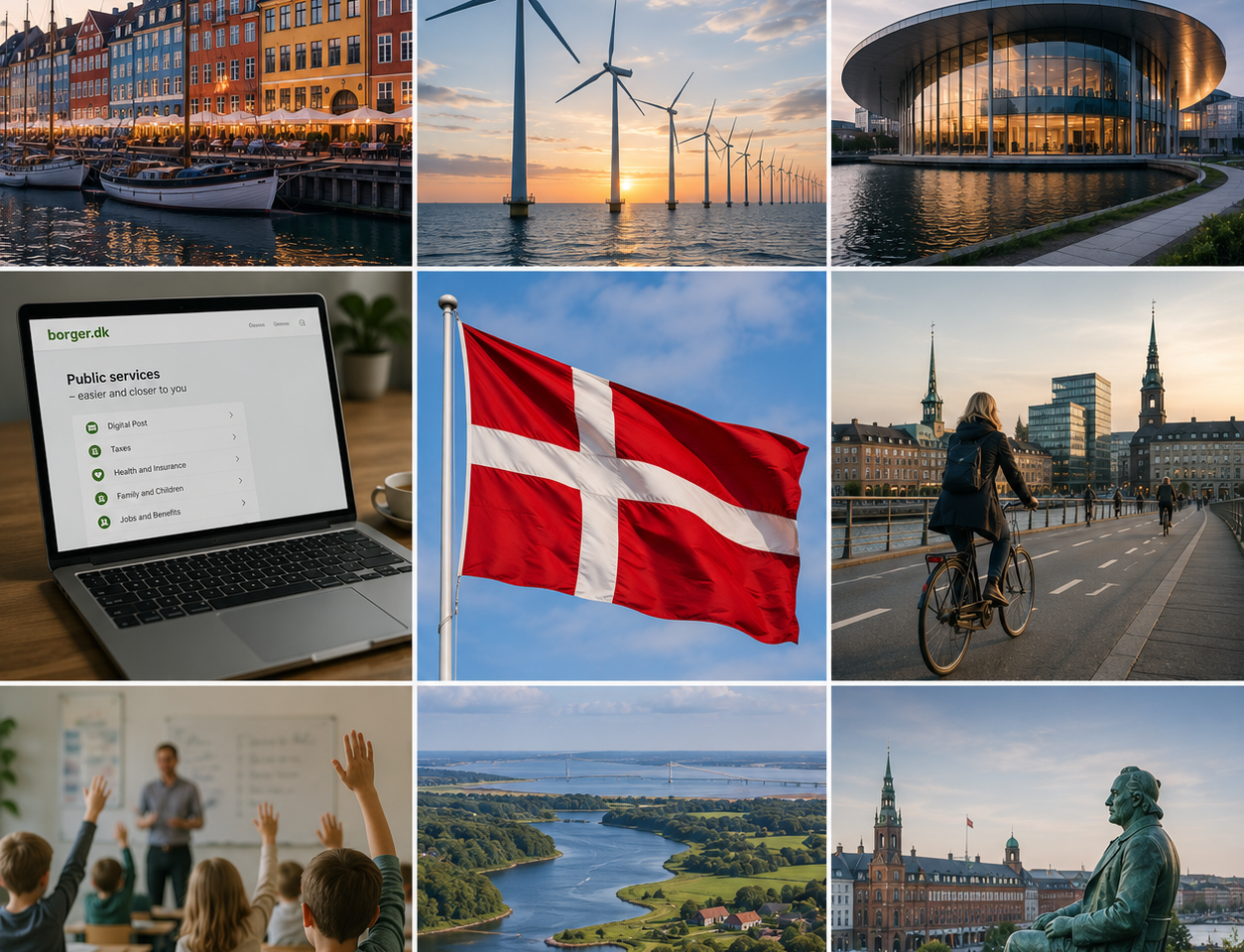
In a world shaped by disruption and rapid change, Denmark offers a different model of strength. Combining labour market flexibility, social security, digital governance and long-term pragmatism, the country has built institutions designed not to resist change, but to adapt to it.
Read More
Friday, June 19, 2026

Artificial intelligence, infrastructure, finance, research and industry are often discussed separately. Yet together they raise a larger question. Does Europe possess an economic architecture capable of supporting innovation, resilience and prosperity in the twenty-first century?
Read More
Friday, June 12, 2026

The future of Western Europe may depend less on any individual country than on the interaction between multiple forms of economic influence. Connectivity, complexity, specialisation, strategic capacity, openness and global reach together form an ecosystem whose resilience may become increasingly important in an age of fragmentation.
Read More
Friday, June 12, 2026
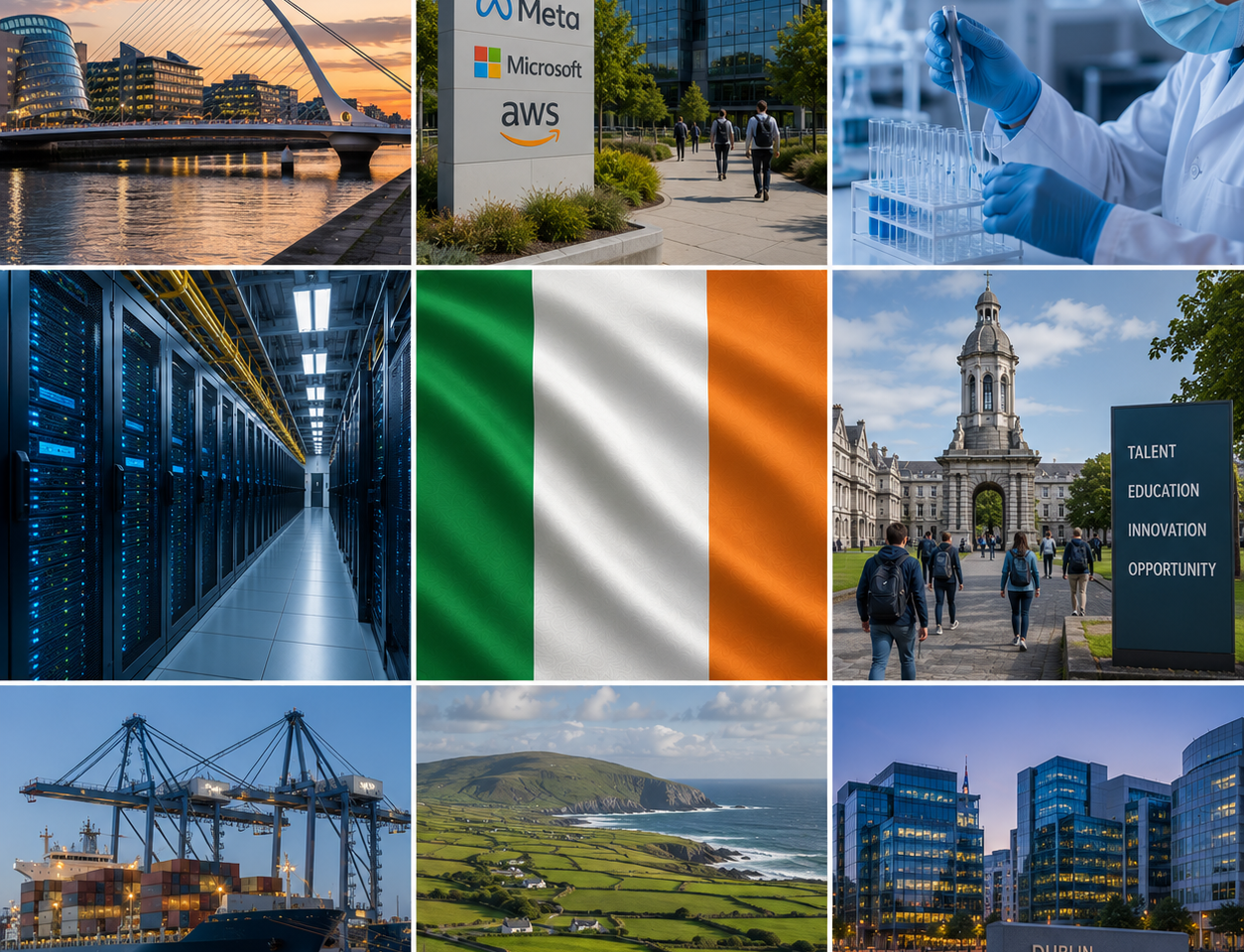
Ireland built its success on openness. Through education, foreign investment and global integration, it became a hub for technology, pharmaceuticals and digital services. Yet as globalisation evolves, the country faces a new challenge: transforming international success into long-term domestic resilience.
Read More
Thursday, June 11, 2026

Luxembourg is one of Europe’s smallest countries, yet its influence extends far beyond its borders. Through finance, international institutions, satellite communications and strategic specialisation, the country demonstrates how expertise and indispensability can create influence beyond scale.
Read More

 Available here: