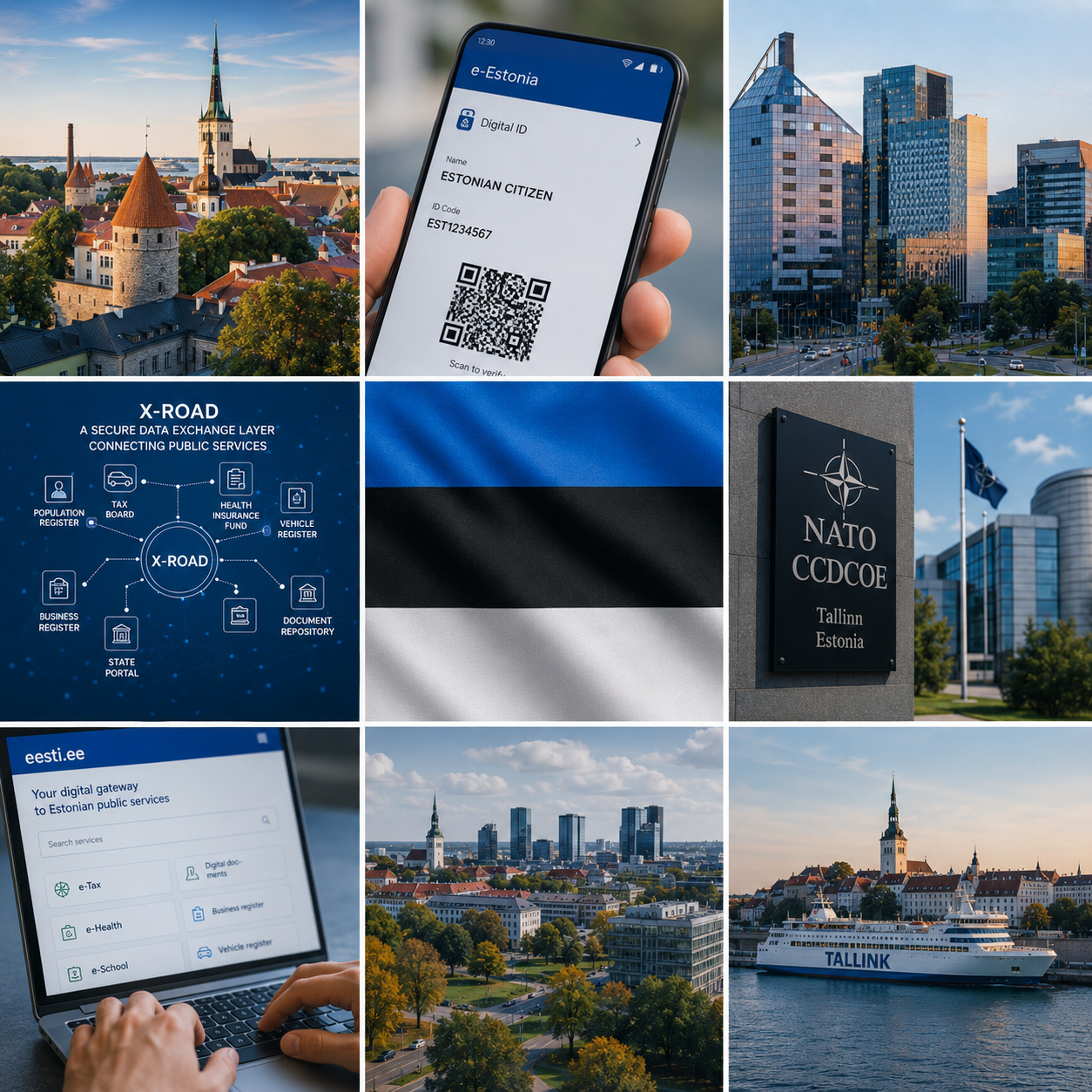
Following the restoration of independence in 1991, Estonia chose to rebuild its institutions around digital infrastructure rather than bureaucracy. Today, the country demonstrates how trust, cybersecurity and digital governance have become strategic assets for both economic competitiveness and national resilience.
Society & Leadership
Society and leadership shape how institutions, organisations and communities respond to technological change, economic transformation and the challenges of an evolving global landscape.

As e-commerce reshapes consumer behaviour, shopping centres are evolving into something far larger than retail alone. Across Europe, housing, hospitality, public space and daily services are increasingly converging into compact urban ecosystems where people live, work, meet and belong.

The future of Western Europe may depend less on any individual country than on the interaction between multiple forms of economic influence. Connectivity, complexity, specialisation, strategic capacity, openness and global reach together form an ecosystem whose resilience may become increasingly important in an age of fragmentation.

The United Kingdom remains one of the world’s most influential network economies. Through finance, law, education, research and global institutions, Britain continues to shape systems that extend far beyond its borders. Yet as economic security, industrial capacity and strategic infrastructure return to prominence, the country faces a new question: can global reach remain a source of power in an increasingly fragmented world?

Ireland built its success on openness. Through education, foreign investment and global integration, it became a hub for technology, pharmaceuticals and digital services. Yet as globalisation evolves, the country faces a new challenge: transforming international success into long-term domestic resilience.
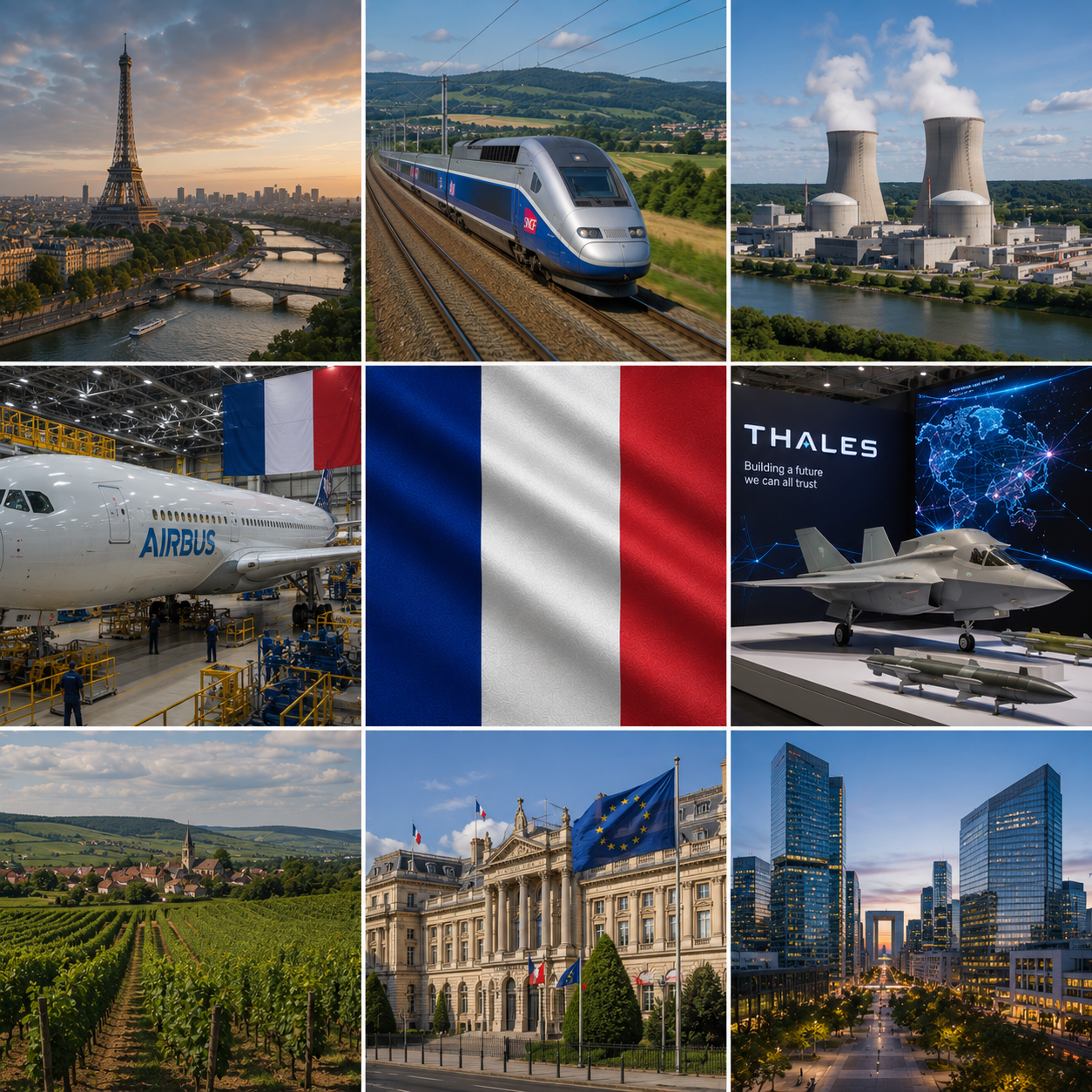
While much of Europe embraced market liberalisation, France maintained a stronger belief in the strategic role of the state. Today, as debates over industrial policy, energy security and technological sovereignty return, France’s economic model appears more relevant than it has in decades.
