
Luxembourg is one of Europe’s smallest countries, yet its influence extends far beyond its borders. Through finance, international institutions, satellite communications and strategic specialisation, the country demonstrates how expertise and indispensability can create influence beyond scale.
Society & Leadership
Society and leadership shape how institutions, organisations and communities respond to technological change, economic transformation and the challenges of an evolving global landscape.

Switzerland has built one of the world’s most innovative economies through research, precision engineering, finance and education. Its experience raises a broader European question: how can a country remain deeply integrated while preserving strategic independence in an increasingly interconnected world?
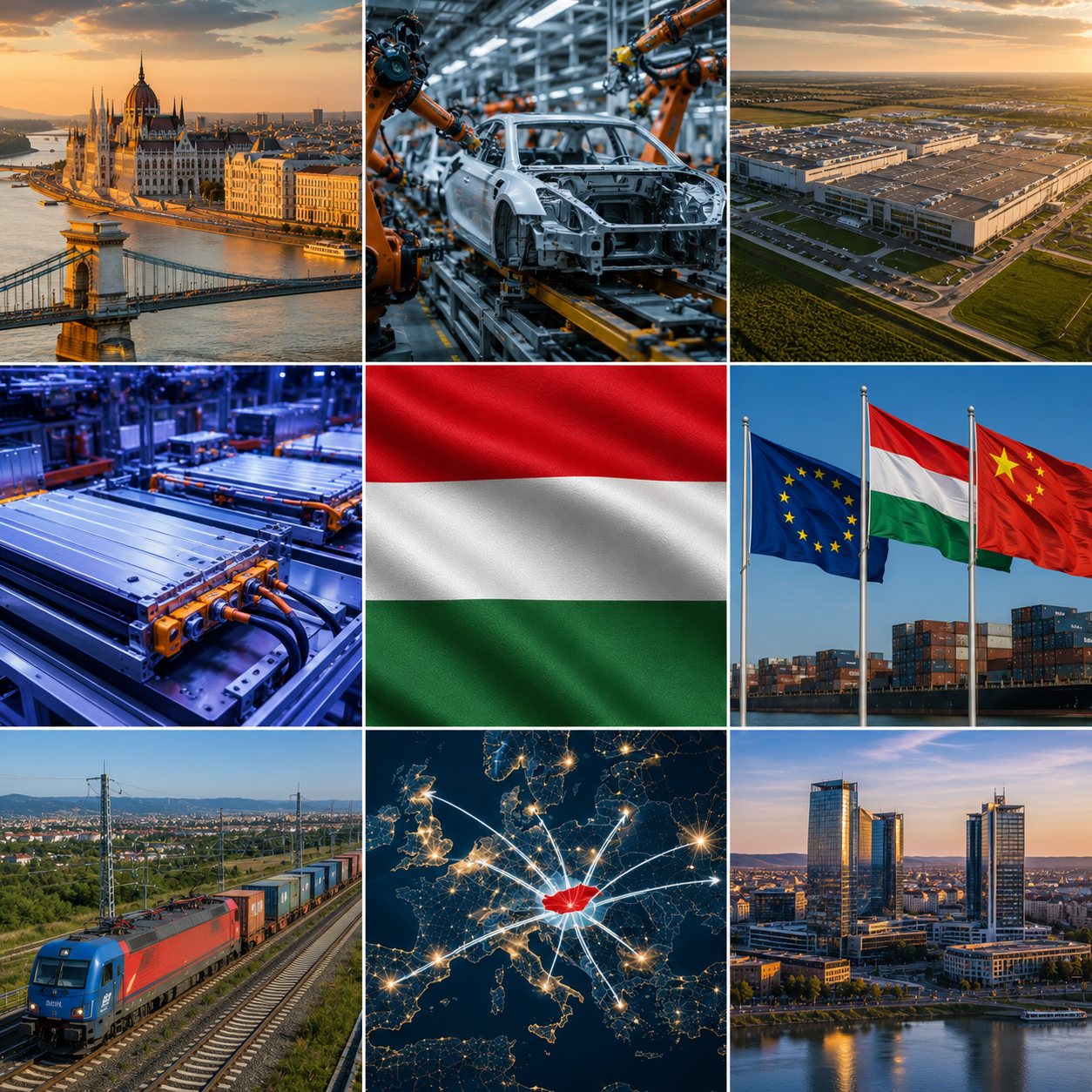
Hungary has become one of Europe’s most strategically positioned economies, connecting German industry, Asian investment and the continent’s battery transition. Its economic trajectory offers a glimpse into the increasingly complex relationship between industrial competitiveness, technological sovereignty and geopolitical strategy.

Austria occupies a unique position within Central Europe. Through infrastructure, finance, engineering and regional connectivity, the country functions as a critical coordination hub linking Western Europe with the industrial economies of Central and South-Eastern Europe.

Slovakia has become one of the world’s most specialized automotive economies. As electric mobility, software and battery technologies reshape the industry, the country faces a defining challenge: transforming industrial dependence into long-term economic resilience.
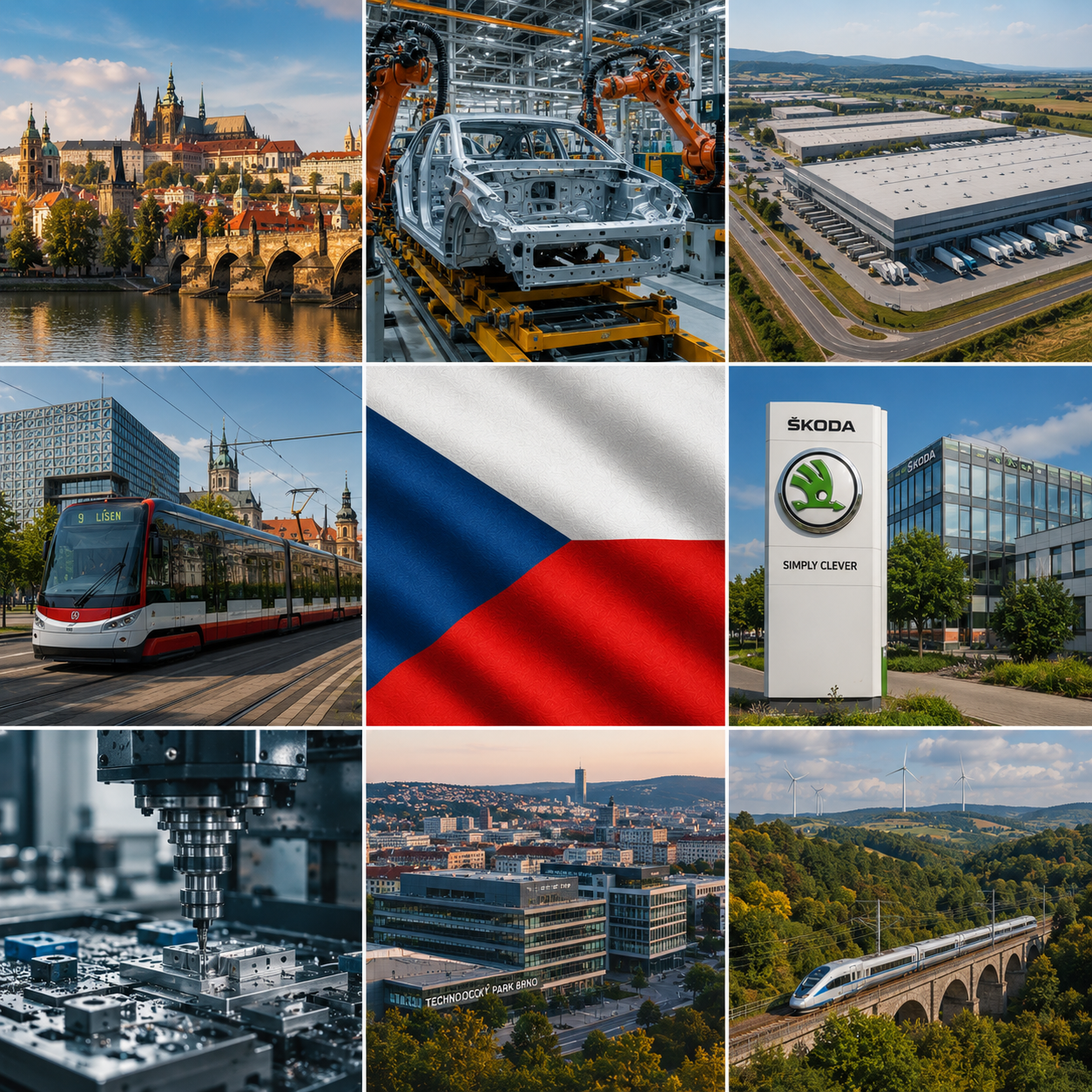
The Czech Republic has become one of Europe’s most specialized industrial economies. As automotive manufacturing enters a period of technological transformation, the country faces a new challenge: adapting decades of manufacturing success to the industries of the future.
