Can Europe Build a Capital Market Without Building the Data Layer First?

ESMA’s Data Day 2026 looks technical. The underlying question is broader: can Europe integrate its capital markets while the information beneath them remains fragmented?
Europe wants savings to move more easily into investment, companies to access deeper pools of capital and markets to function across borders. But capital cannot integrate faster than the information systems through which it is priced, reported and supervised. ESMA’s Data Day suggests that the Savings and Investments Union is increasingly becoming a data-infrastructure project as well.
On 24 November, ESMA will bring more than 200 regulators, market participants and other stakeholders together in Paris for its second Data Day. The programme covers reporting simplification, financial transaction reporting, integrated fund reporting, ESAP and crypto-asset monitoring.
The subjects sound technical. The implications are not.
Read MoreVodafone’s Platform Test: Can a Network Operator Capture the Value It Enables?
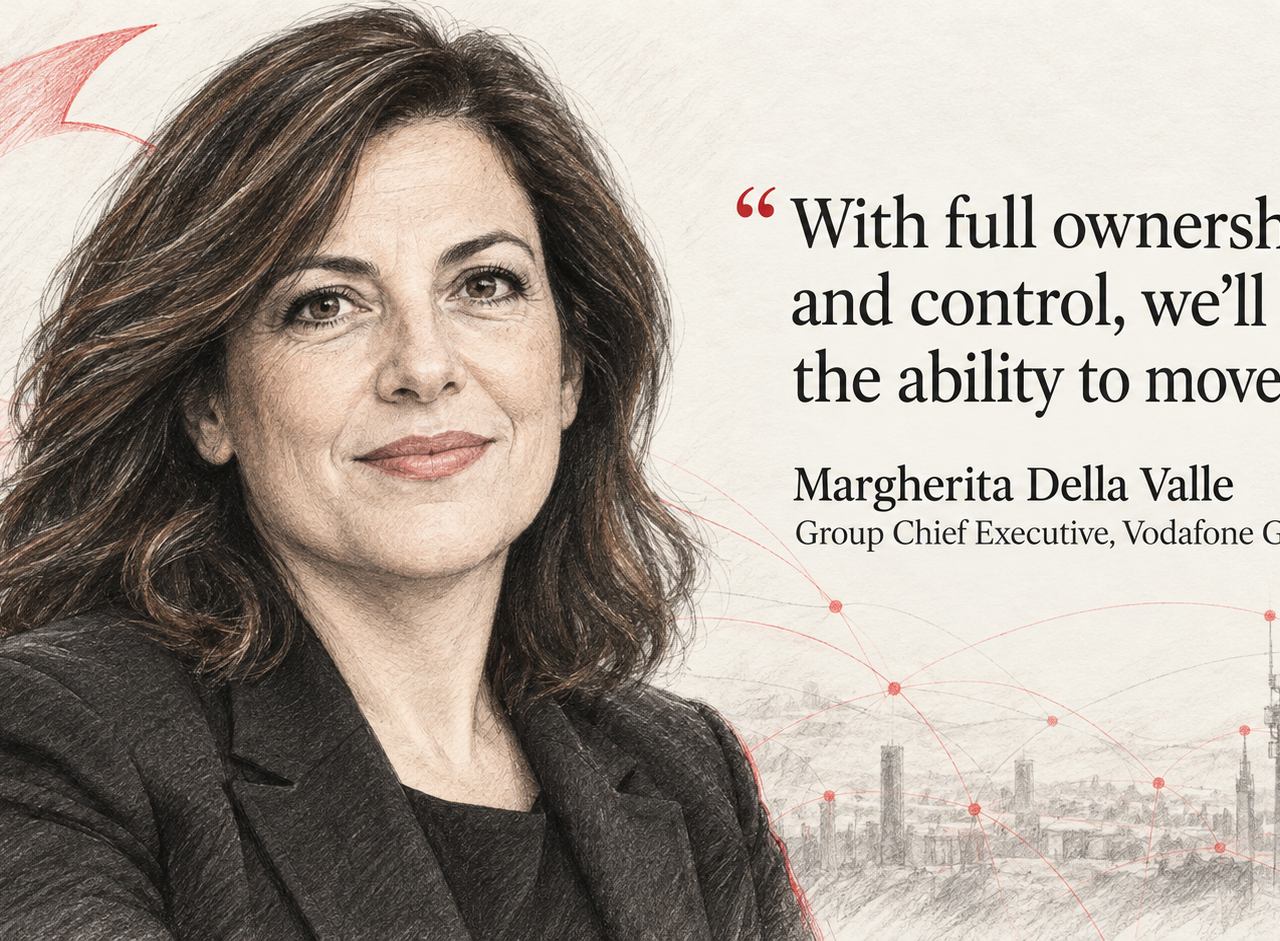
Margherita Della Valle has made Vodafone simpler and taken full control of its UK network. Now she must show that its reach across Europe and Africa can produce lasting returns beyond connectivity.
Vodafone has spent three years reshaping itself. It sold its businesses in Spain and Italy and concentrated on markets where it believes it has the scale to compete. In July, Margherita Della Valle made a different kind of move: Vodafone paid £4.3 billion for its former partner’s stake in VodafoneThree, taking full ownership of Britain’s largest mobile operator.
The decision gives Vodafone more control over an £11 billion UK network investment plan. It also leaves the company carrying the full exposure to whether that investment pays off. In Germany, its largest market by service revenue, the recovery is still delicate. Across Vodafone Business, cloud, security and other digital services are growing. In Africa, financial services show what an operator can build when the network becomes part of a wider daily service.
“With full ownership and control, we’ll have the ability to move faster in the next phase of building one of Europe’s leading networks.”
Margherita Della Valle, CEO, Vodafone Group, on the VodafoneThree buyout.
Together, those businesses make Vodafone a revealing third case alongside Deutsche Telekom and BT. Its challenge is to turn several forms of scale into an economic model that earns more from the capabilities of its networks.
Read MoreEurope Can Make Photonic Chips. Who Will Buy Them?

European companies are beginning to design systems around photonics. The next industrial test is whether they will commit to buying it at scale.
Grenoble has changed the terms of Europe’s photonics debate. STMicroelectronics is producing silicon photonics on 300 mm wafers, and its expansion plans are backed by long-term capacity reservations. The question is no longer whether Europe can manufacture a photonic chip for the AI economy. It is whether enough European customers will build lasting businesses around that capacity.
For now, the clearest route to scale runs through the global AI market. ST describes its high-volume PIC100 customers as leading hyperscalers; Amazon Web Services has publicly identified itself as a collaborator in developing the technology. Those relationships bring production in France the volumes and commercial discipline it needs. They also give large customers substantial influence over the technology’s direction.
This is Europe’s industrial paradox. Its manufacturers need to sell where demand exists today. European system makers may need more time to develop products they can order at scale. If those schedules diverge for too long, Europe could become an excellent place to make chips for systems specified elsewhere.
If those schedules diverge for too long, Europe could become an excellent place to make chips for systems specified elsewhere.
The European customer is beginning to emerge. The harder question is when that customer will be ready to buy.
Read MoreSociety & Culture

🇷🇴 Portrait of a European — Romania
Thursday, May 14, 2026
Romania is often viewed through outdated assumptions, yet beneath that image lies a rapidly developing country shaped by technology, infrastructure and geopolitical relevance. This portrait explores how digital growth, regional contrasts and strategic positioning are quietly transforming Romania’s role within Europe.
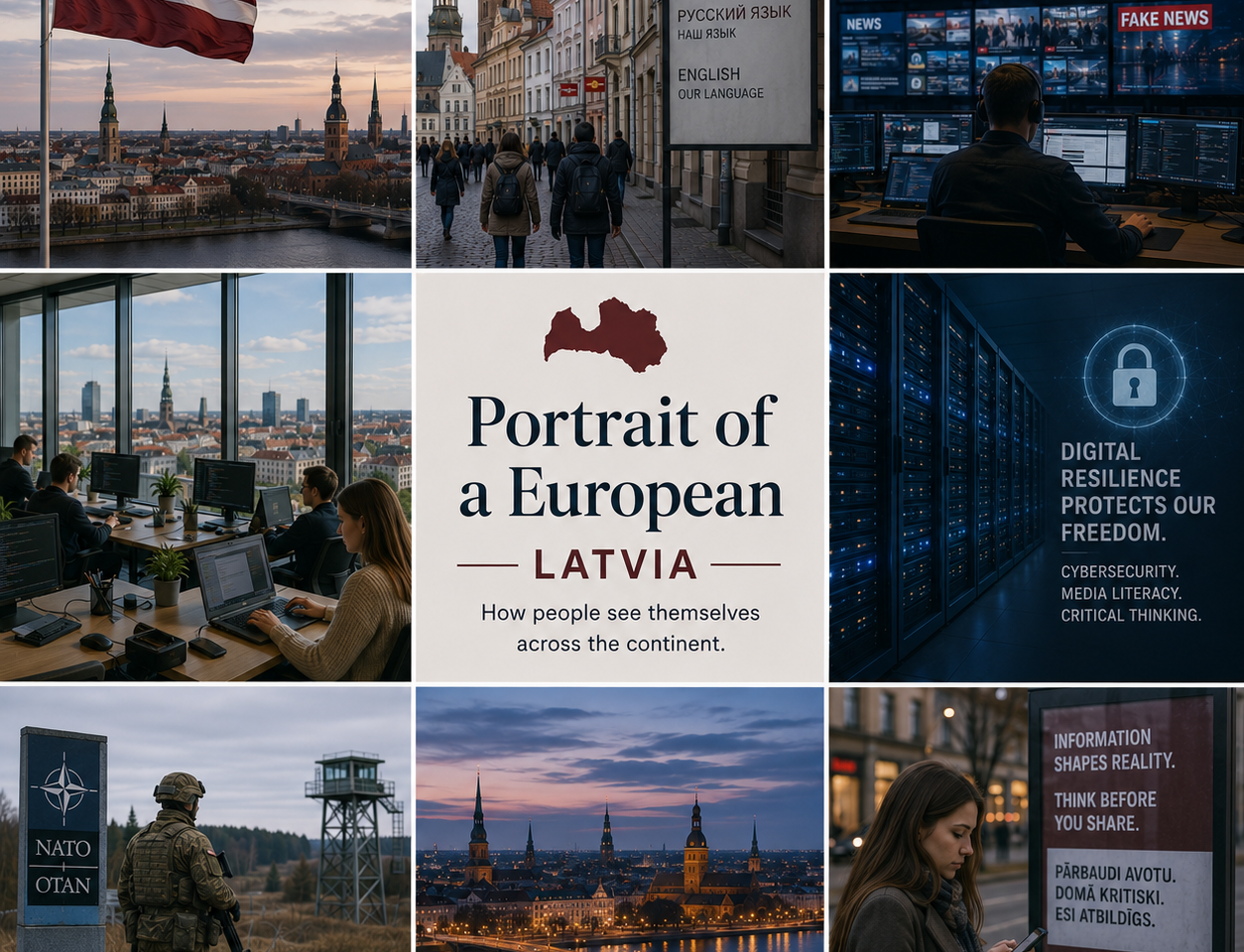
🇱🇻 Portrait of a European — Latvia
Thursday, May 14, 2026
In Latvia, identity is shaped by information resilience and geopolitical awareness. This portrait explores how media influence, digital security and historical memory intersect, revealing a Europe where defending democracy increasingly also means defending shared reality itself.

🇱🇹 Portrait of a European — Lithuania
Tuesday, May 12, 2026
In Lithuania, identity is shaped by geography and strategic awareness. This portrait explores how security, logistics and geopolitical pressure influence everyday life, revealing a Europe where small states increasingly stand at the intersection of infrastructure, sovereignty and global tension.

🇪🇪 Portrait of a European — Estonia
Sunday, May 10, 2026
In Estonia, identity is increasingly shaped through digital systems and resilience. This portrait explores how a small post-Soviet nation transformed itself into a technological pioneer, revealing a Europe where software, security and sovereignty are becoming deeply connected.
