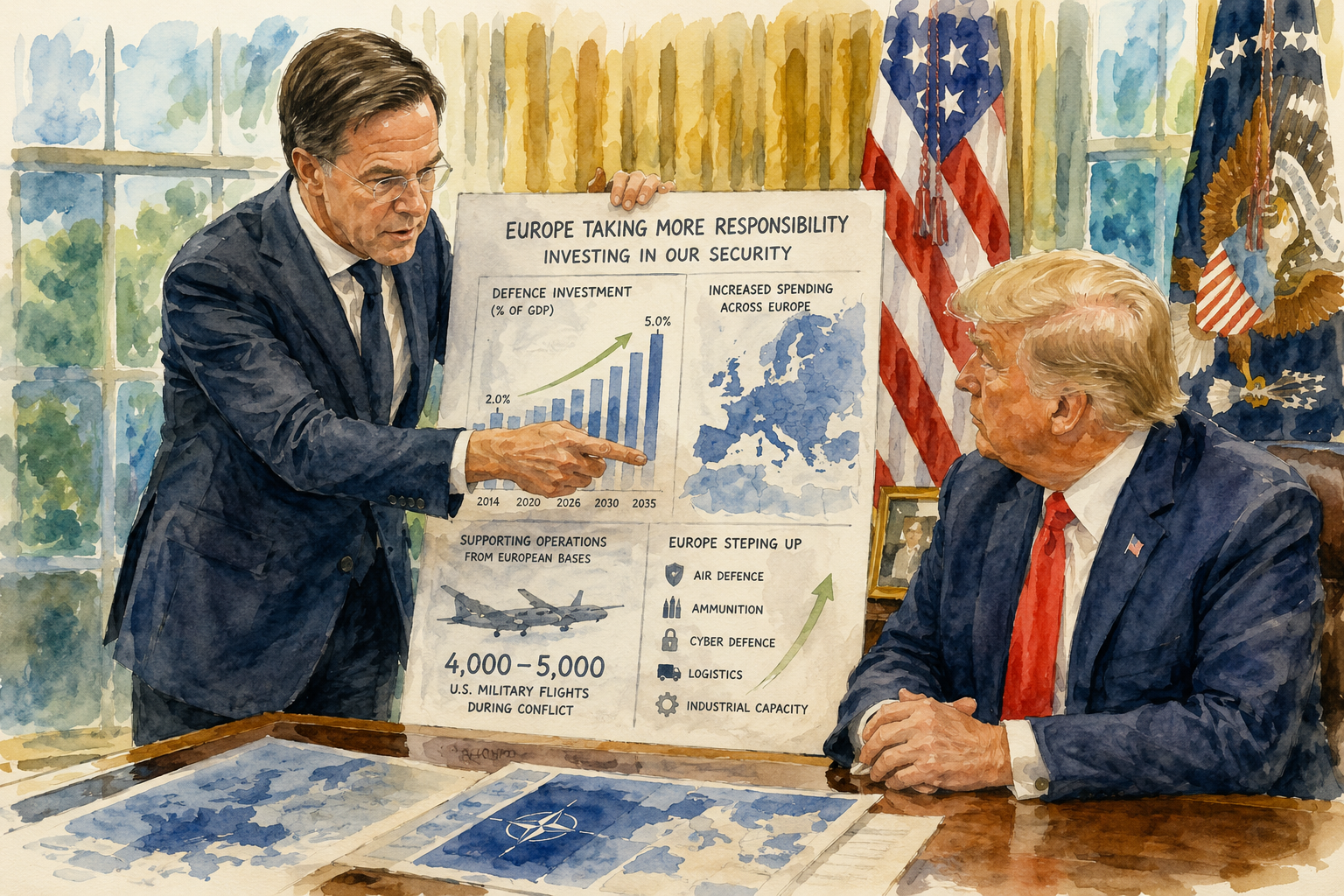
The future of NATO may no longer be determined solely by military strategy or defence spending. As Europe assumes greater responsibility for its own security, industrial capacity, technological capability and strategic production are becoming essential pillars of collective defence. Is NATO evolving into an alliance of collective capability?
Latest Articles
Stay informed with the latest stories from Altair Media exploring the technologies, infrastructures and policy developments shaping modern economies across Europe and the wider global landscape.
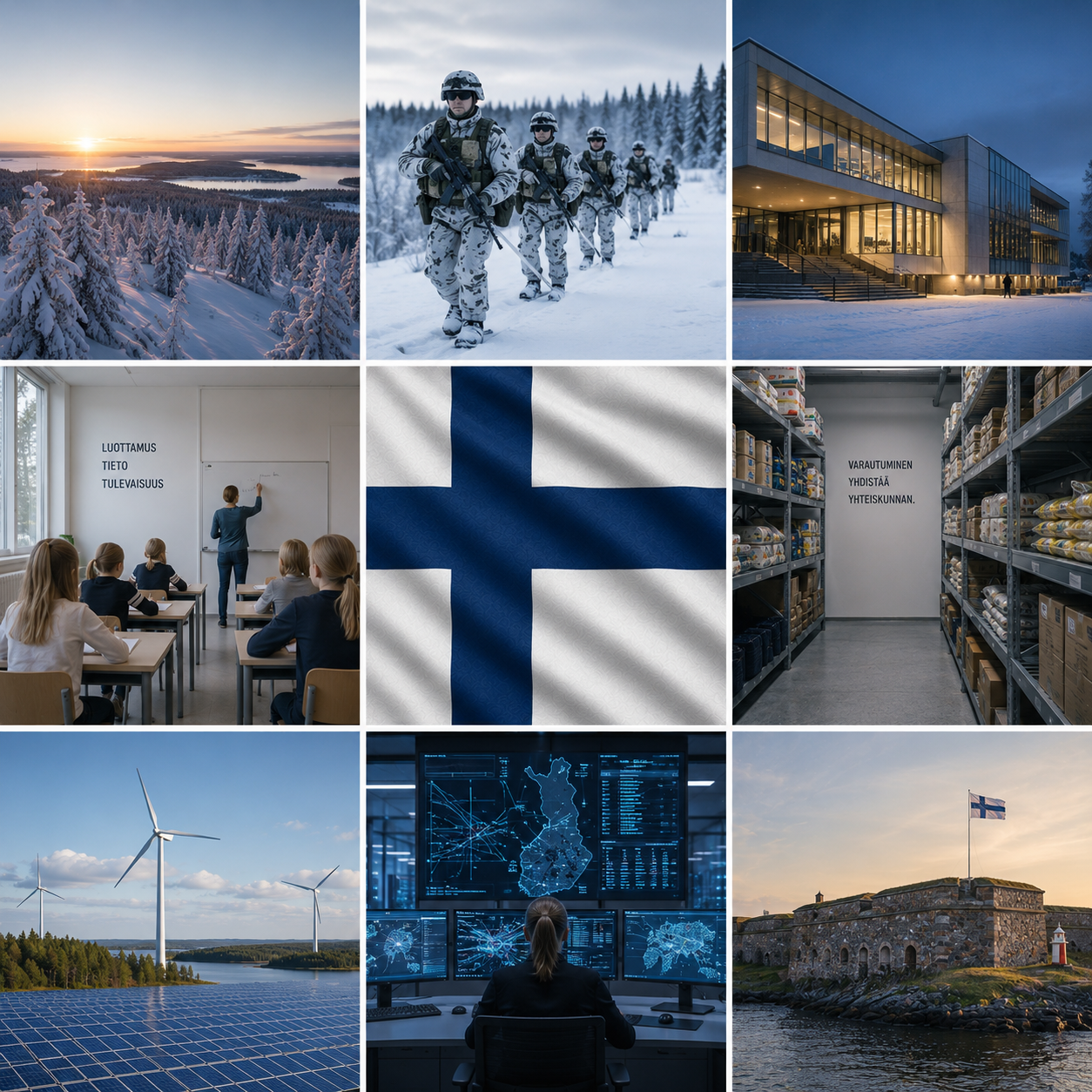
While many societies spent decades optimising for efficiency, Finland quietly invested in resilience. From education and cybersecurity to strategic reserves and comprehensive preparedness, the country demonstrates how uncertainty can become a catalyst for institutional strength rather than vulnerability.
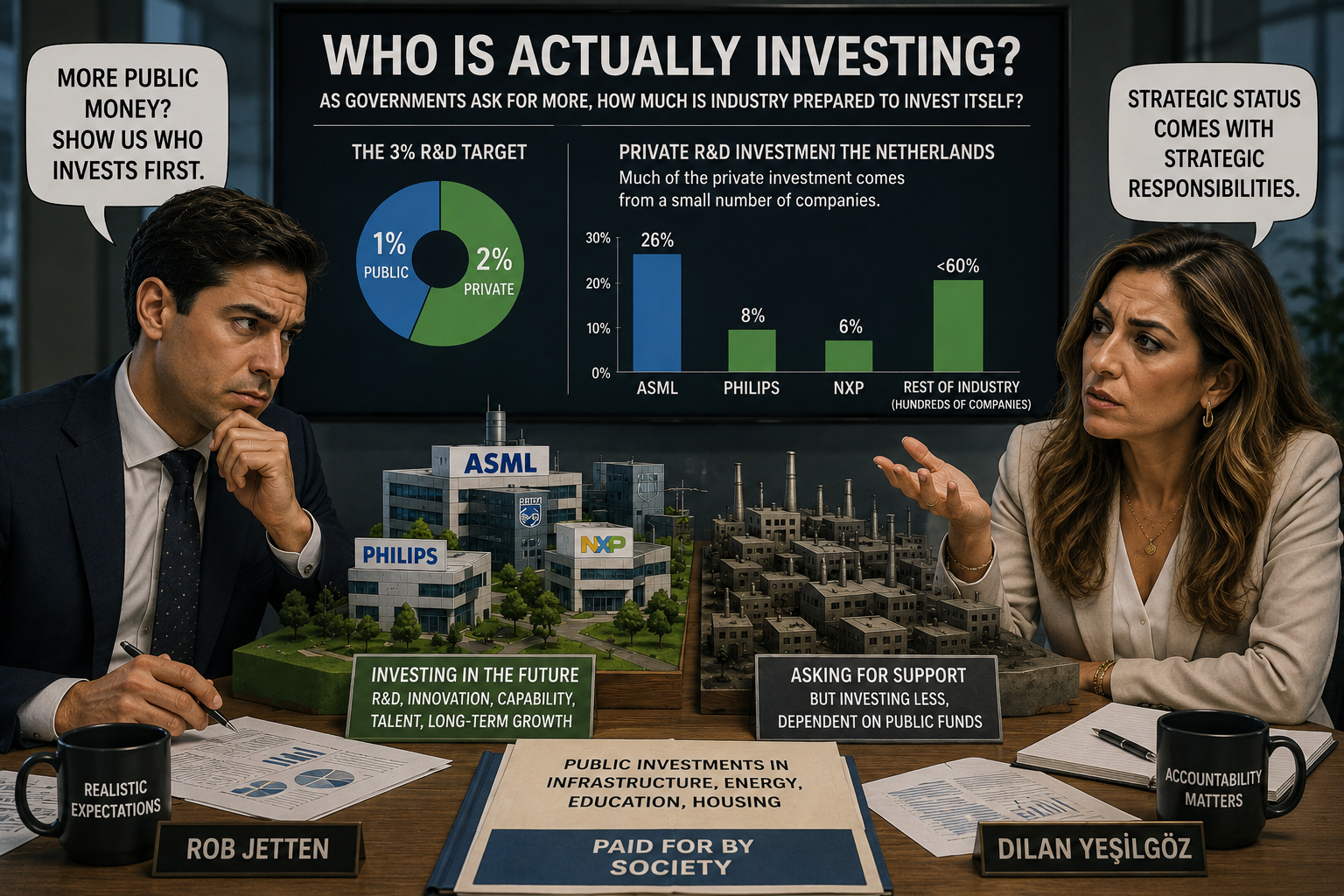
As governments are increasingly asked to fund competitiveness, a simple question remains. How much is industry prepared to invest itself? While companies such as ASML, Philips and NXP invest heavily in research and development, the broader picture may be more complicated than political debates often suggest.

Europe increasingly possesses the building blocks for future industries. The deeper question is no longer whether the technologies exist, but whether they can be connected into coherent systems. Innovation creates possibilities. Coordination creates systems.
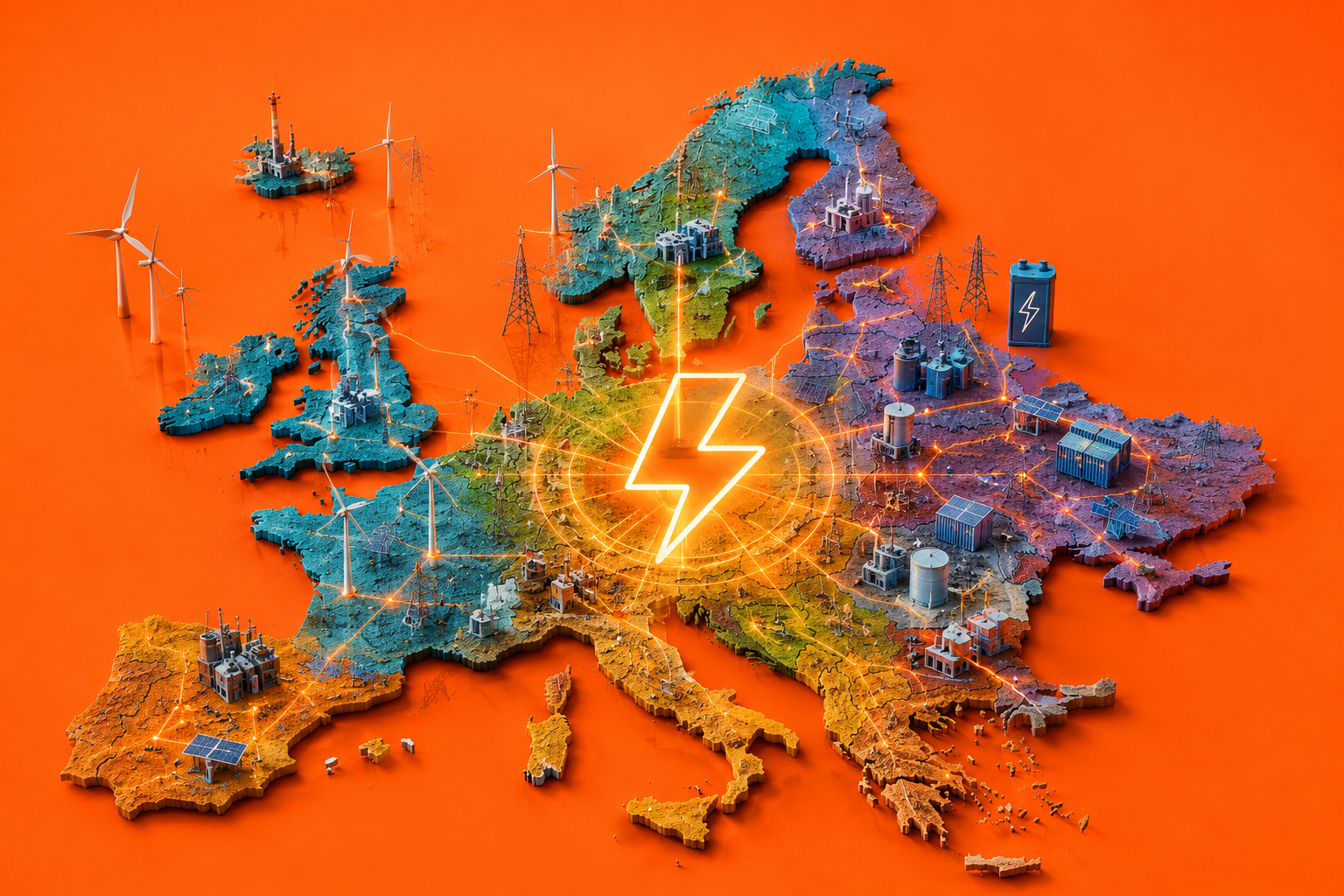
Europe may no longer have an innovation problem. The technologies increasingly exist. The deeper challenge is whether Europe can transform scientific excellence into industrial capability before others scale, finance and commercialise what was invented on European soil.

In just six months, Altair Media reached more than 200,000 unique members and generated more than 700,000 impressions. Yet the numbers are not the story. The story is a growing search for context in an age increasingly shaped by systems, infrastructure and strategic change.
