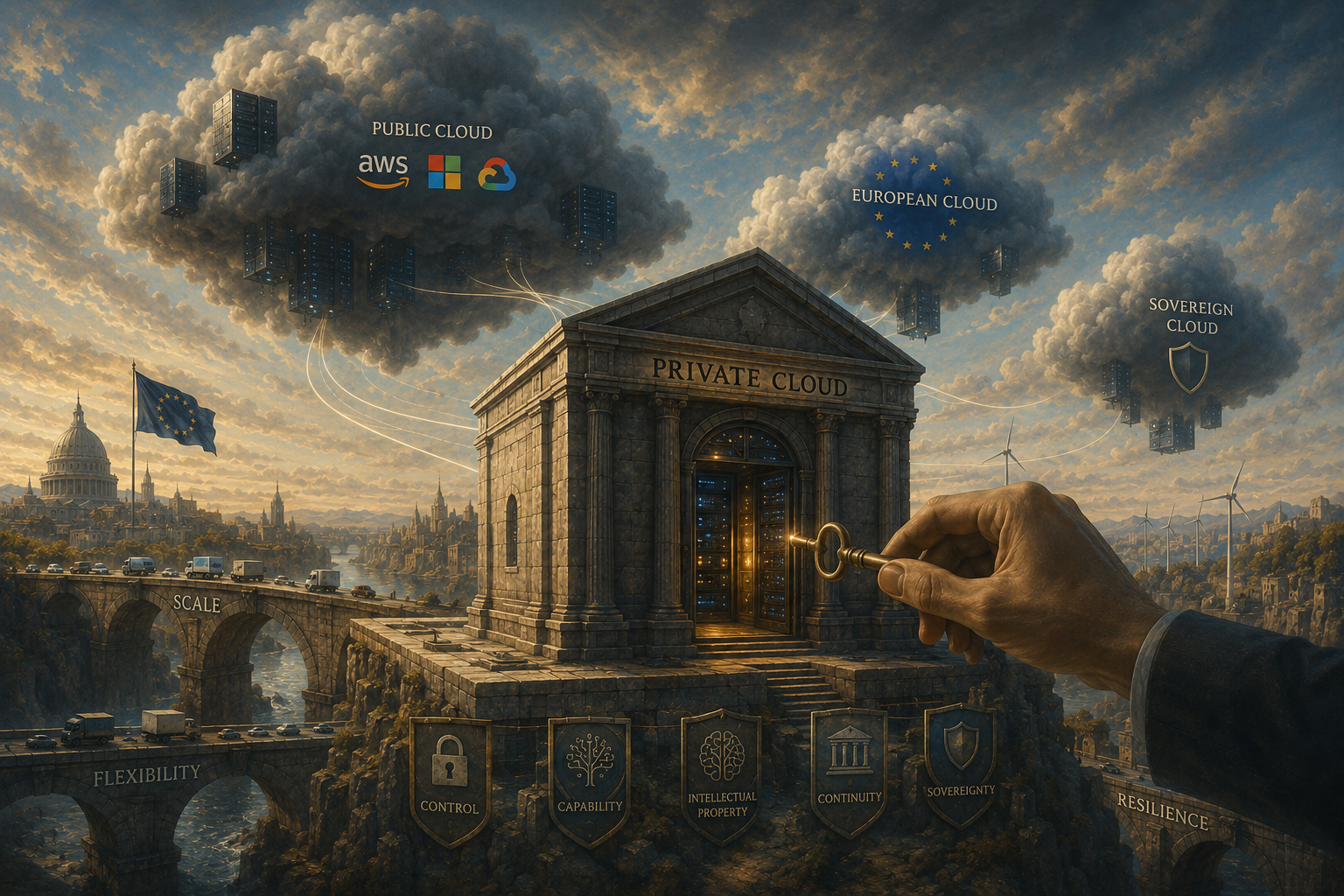
For more than a decade, cloud strategy was synonymous with centralisation. Yet as artificial intelligence, data gravity and strategic autonomy reshape the digital landscape, organisations are rediscovering an old idea in a new form: control itself may once again become a competitive advantage. The private cloud returns not as nostalgia, but as infrastructure designed for resilience.
Latest Articles
Stay informed with the latest stories from Altair Media exploring the technologies, infrastructures and policy developments shaping modern economies across Europe and the wider global landscape.
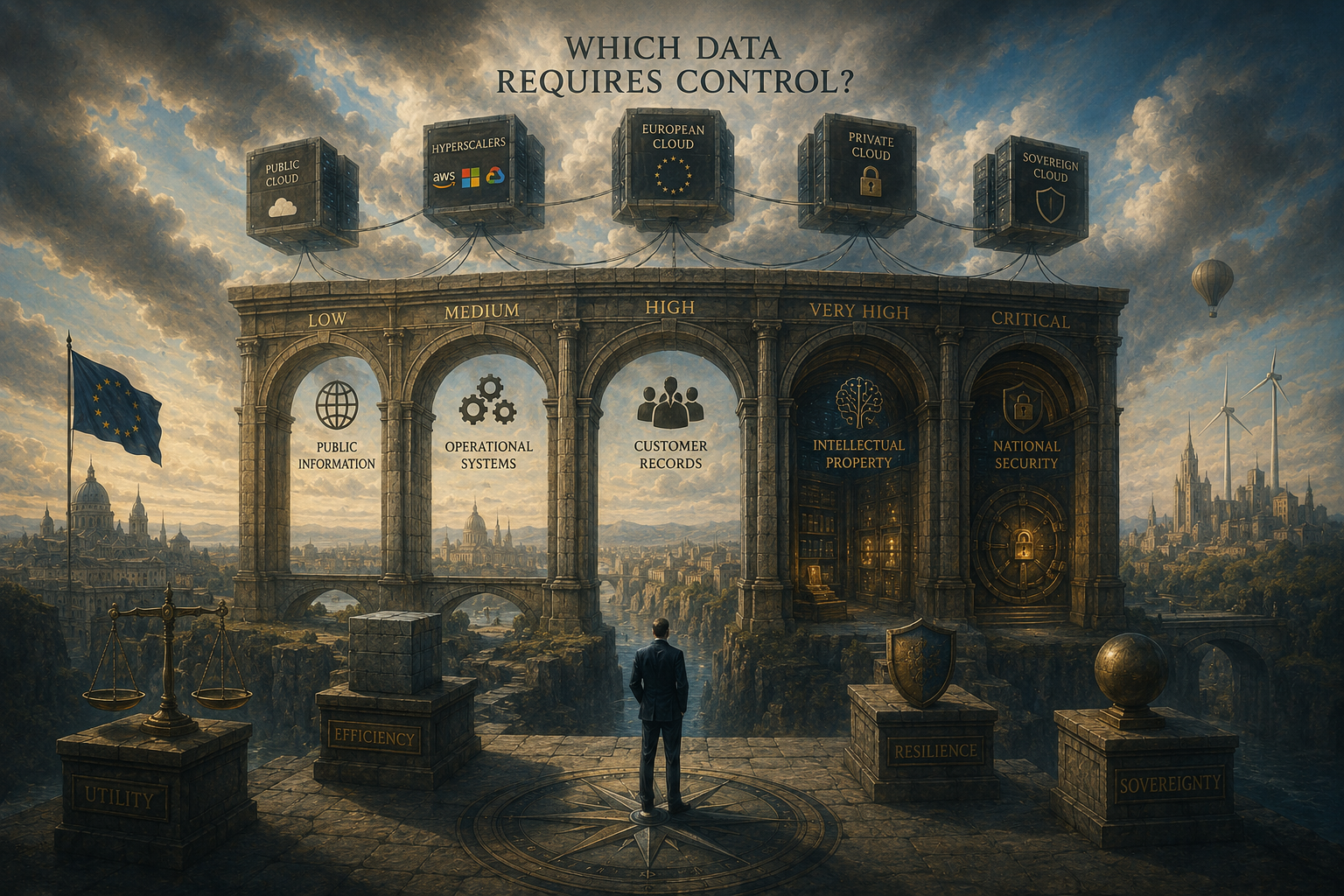
Cloud sovereignty is often discussed through geography, ownership and regulation. Yet the more consequential question may be different: which capabilities can societies, institutions and organisations simply not afford to externalise? In the age of artificial intelligence, control increasingly begins with understanding what truly matters.
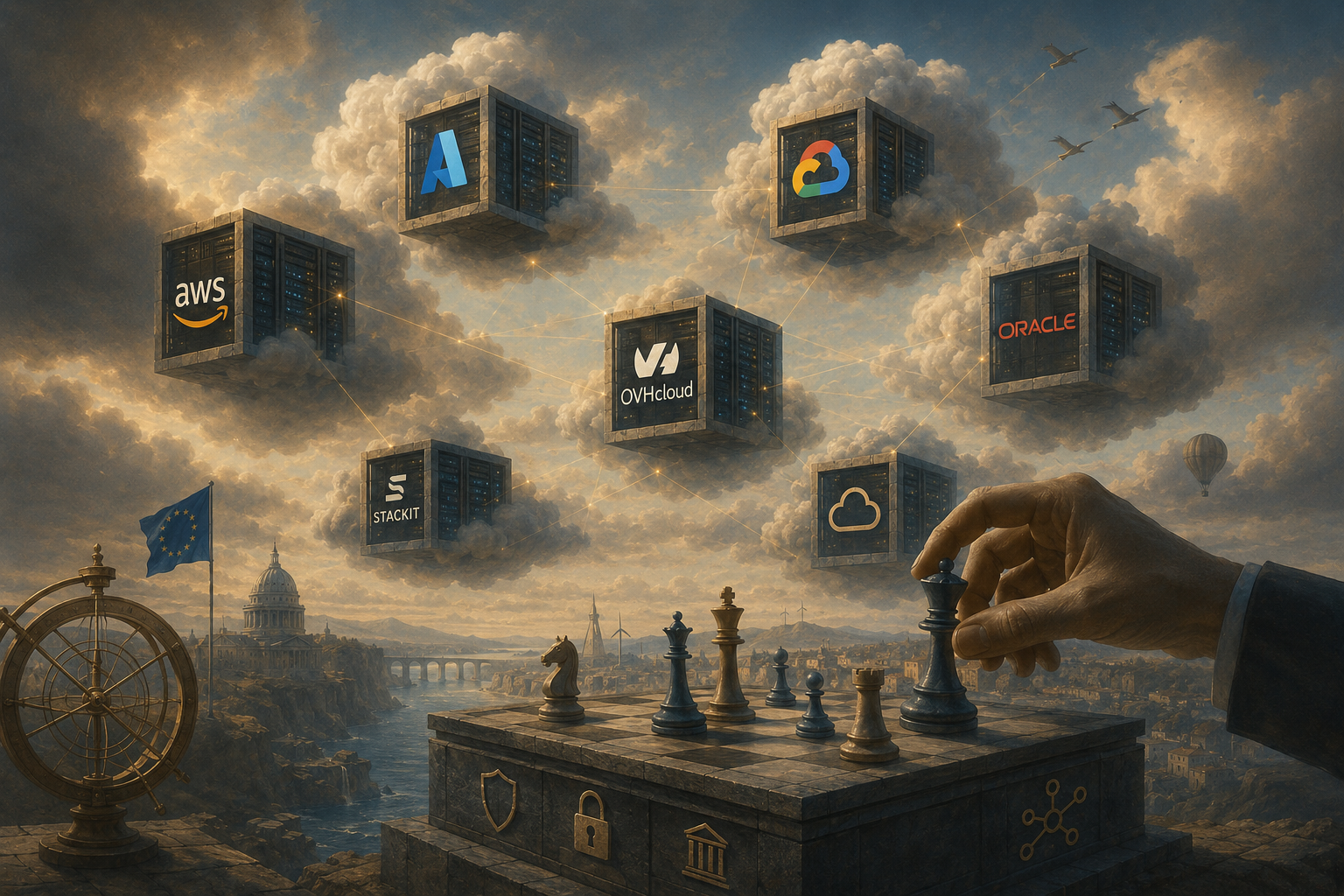
Cloud sovereignty is often framed as a choice between dependence and autonomy. Yet resilience may depend less on ownership alone and more on architecture itself. In an increasingly interconnected world, sovereignty may ultimately be the ability to preserve options, distribute risk and maintain control over what matters most.

Cloud sovereignty is often presented as a binary choice between dependence and autonomy. Yet resilience may depend less on ownership alone and more on architecture itself: understanding which functions require strategic control, which workloads benefit from scale and which capabilities societies simply cannot afford to lose.
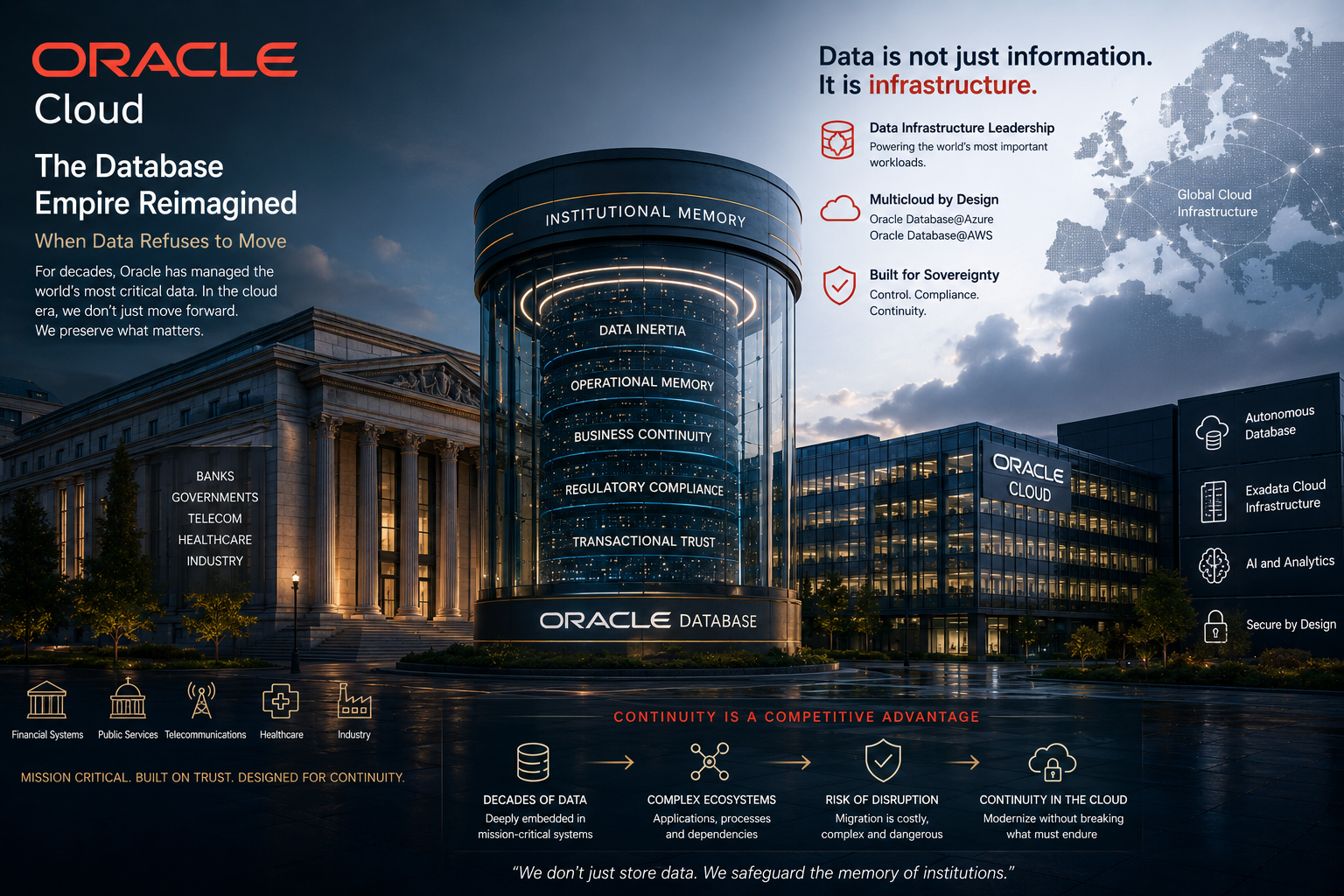
Oracle Cloud represents a different form of infrastructure power. While others compete for compute, applications and artificial intelligence, Oracle remains deeply embedded within the databases that underpin governments, banks and enterprises. In the cloud era, continuity itself may have become a strategic advantage.

Microsoft Azure increasingly represents more than cloud infrastructure. By connecting productivity, identity, collaboration and artificial intelligence, Microsoft may have evolved from a software company into an organisational operating system for the contemporary enterprise.
