
Across Europe, organisations are using theatre, dance and creative expression to help young people develop confidence, communication skills and a stronger sense of self. Through the example of fABULEUS, this article explores why creativity remains an important part of youth development in a rapidly changing world.
Europe’s Creative Spaces

How culture helps shape Europe’s next generation
Europe invests in schools, universities and innovation ecosystems. Yet it also invests in theatres, creative organisations and cultural institutions.
These are spaces where young people learn not only what they know, but who they are becoming.
Europe’s Creative Spaces explores how different European societies use creativity, participation and artistic practice to foster identity, confidence, belonging and social engagement.
Because culture is more than expression. It is infrastructure for human development.
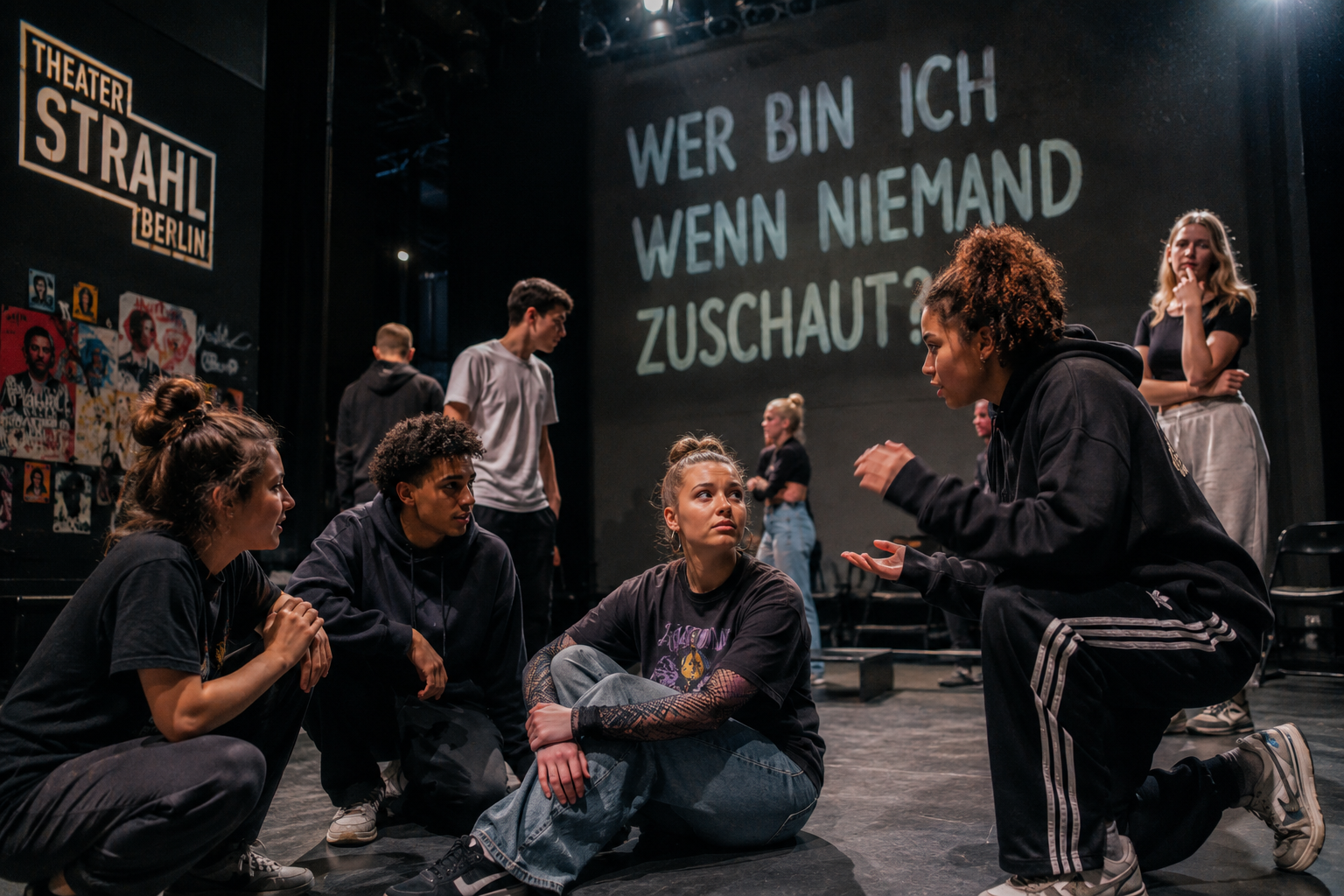
Berlin’s Theater Strahl illustrates how theatre can function as social infrastructure, creating spaces where young people explore identity, belonging and participation within an increasingly complex and interconnected Europe.

La Nave del Duende illustrates how movement, theatre and embodied expression can support emotional development. Before feelings can be explained, they may first need to be experienced, explored and shared within a creative and collective environment.
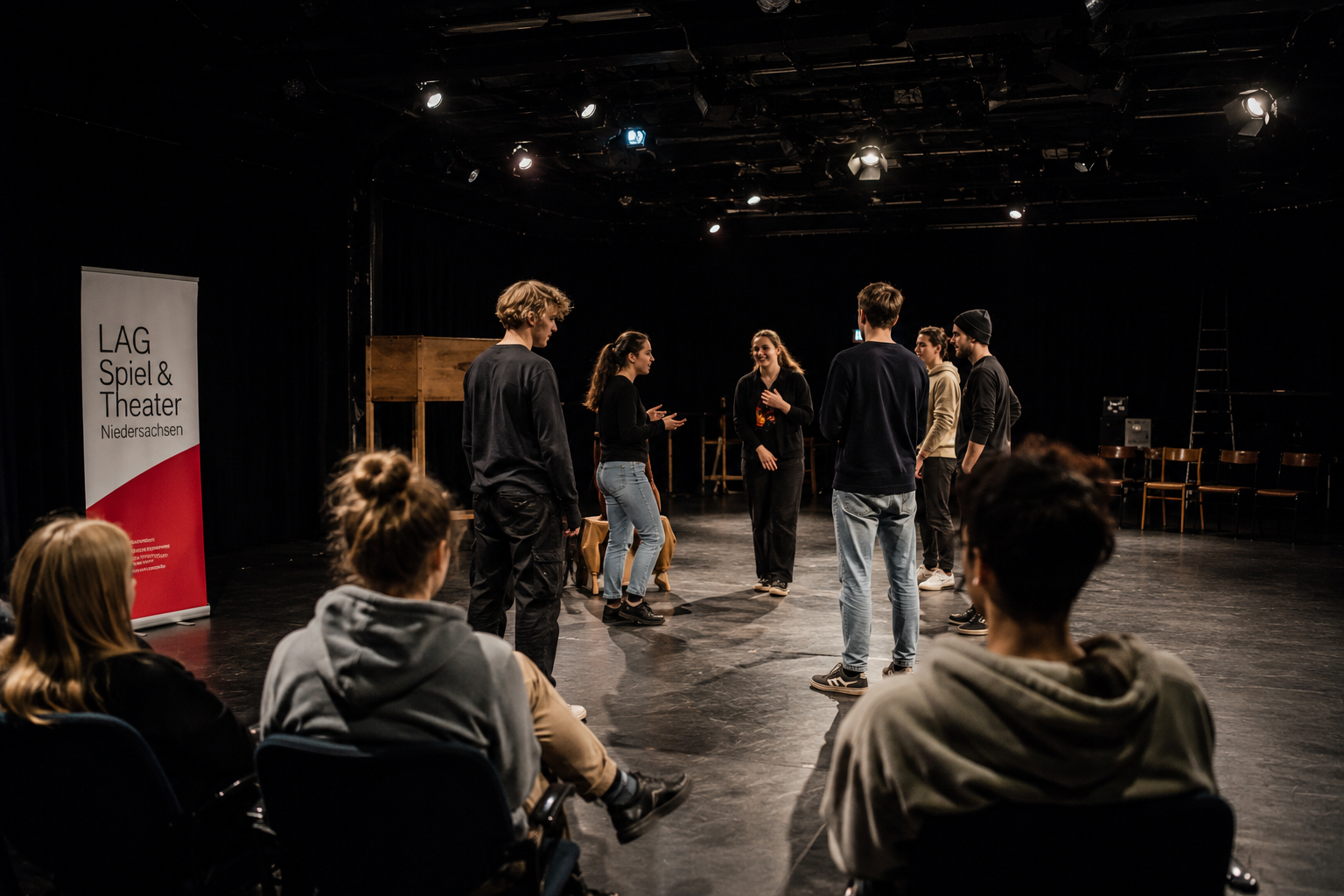
Creative organisations do more than produce performances. They create spaces where young people learn to collaborate, express themselves and participate in society. Through the example of LAG Spiel und Theater Niedersachsen, this article explores how culture strengthens communities and contributes to Europe’s social fabric.
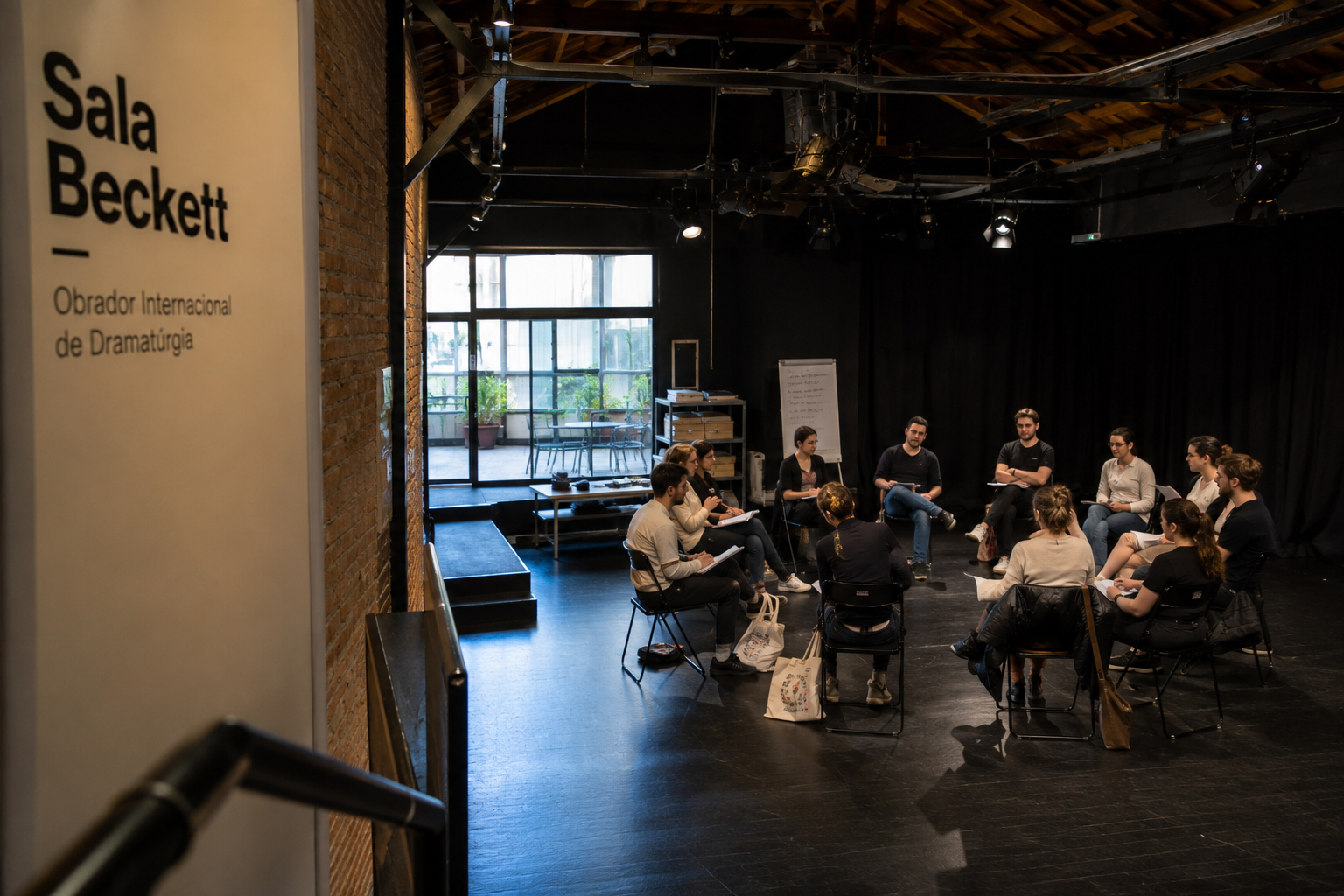
Stories do more than entertain. They help people understand themselves and the societies they inhabit. Through the example of Sala Beckett in Barcelona, this article explores how theatre, writing and dialogue transform human experience into shared understanding.
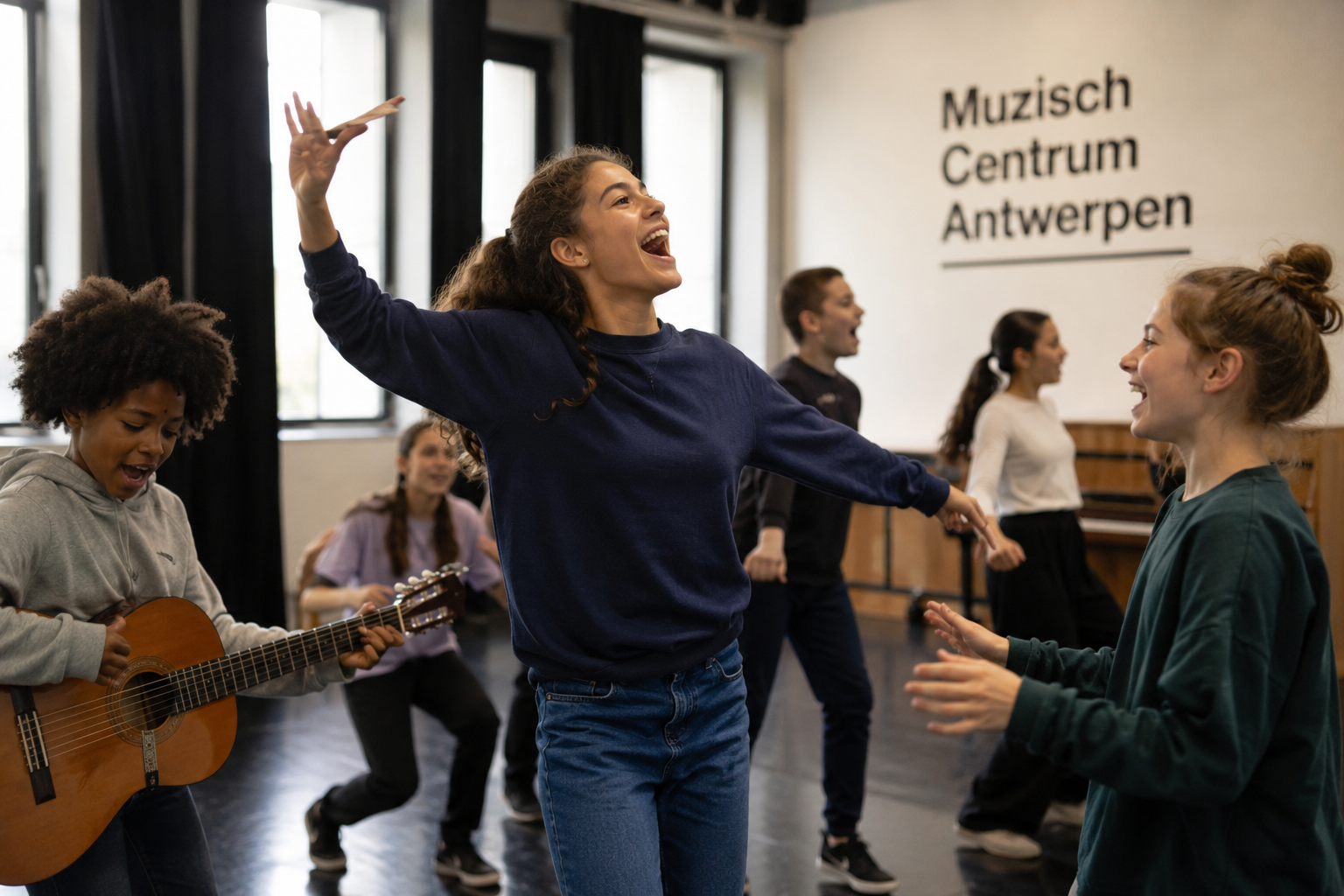
Children do not experience the world in separate subjects. Through the example of Muzisch Centrum Antwerpen, this article explores how theatre, music and movement help children learn through creativity, curiosity and embodied experience, showing that education is about becoming as much as it is about knowing.
