Saturday, September 26, 2026

A minority government needs more than enough votes to pass a budget. This briefing sets out five ways the Netherlands could build a durable agreement: shared evidence, meaningful opposition input, time-bound reforms, deliverable investments and a clear European strategy.
Read More
Monday, August 31, 2026

Under Ursula von der Leyen, the European Commission has moved beyond regulation towards crisis management, industrial strategy and geopolitical coordination. Her vision is of a Europe capable of acting—but its growing executive ambition raises questions about power and accountability.
Read More
Thursday, July 30, 2026
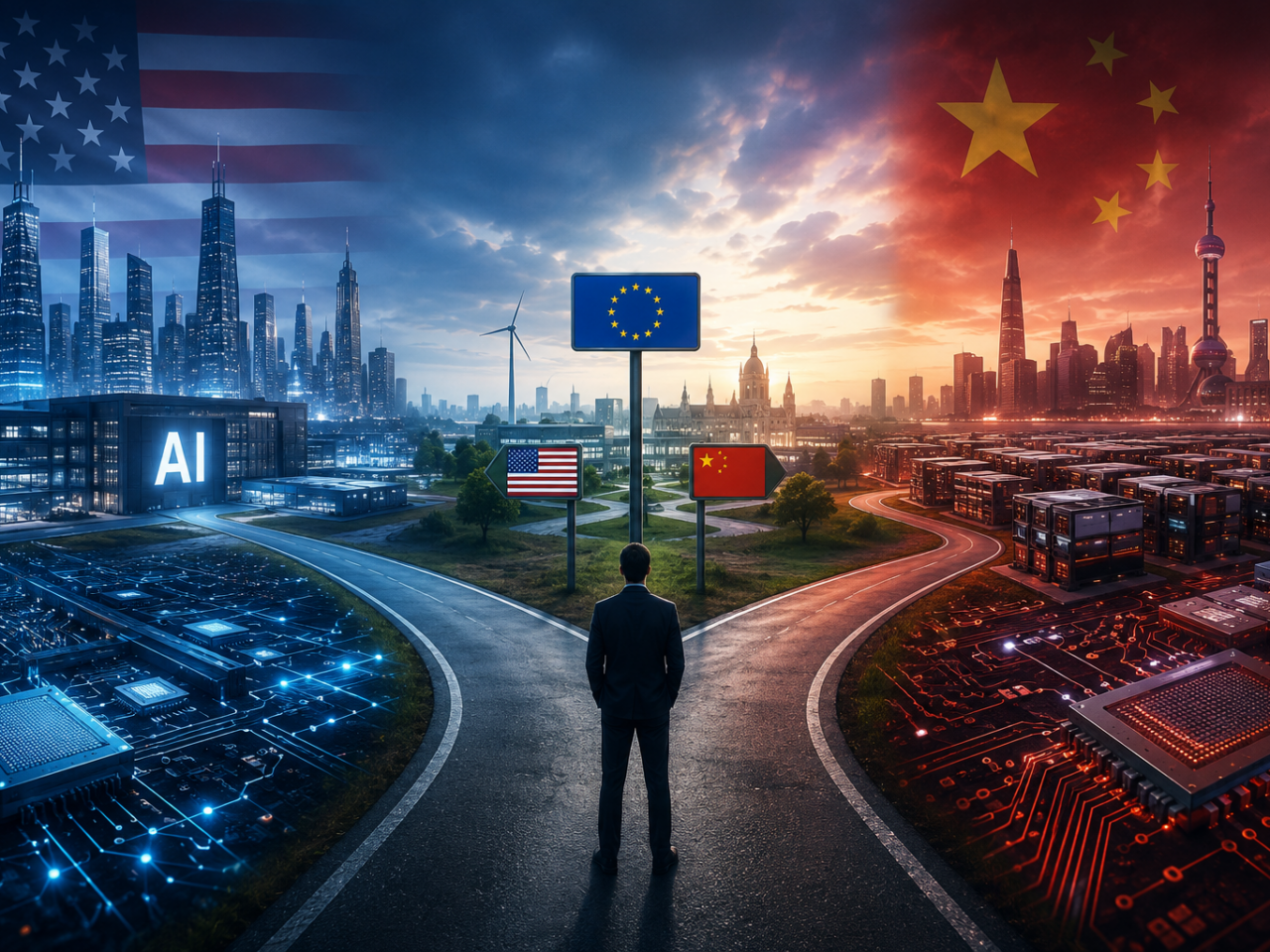
Meta is investing hundreds of billions in AI infrastructure. China is making artificial intelligence increasingly affordable. As these two strategies collide, Europe may face its greatest technological challenge yet: can digital sovereignty survive the economics of everyday choice?
Read More
Friday, July 24, 2026

As security challenges expand, democracies are continually renegotiating the balance between freedom, public safety and democratic legitimacy. The question is no longer whether societies should protect their citizens, but how they can do so while preserving the rights that define them.
Read More
Friday, July 17, 2026

The language of international politics is changing. As security, resilience, technological sovereignty and geopolitical competition dominate public debate, this Signal explores where human rights fit within the evolving architecture of the twenty-first century.
Read More
Monday, July 13, 2026
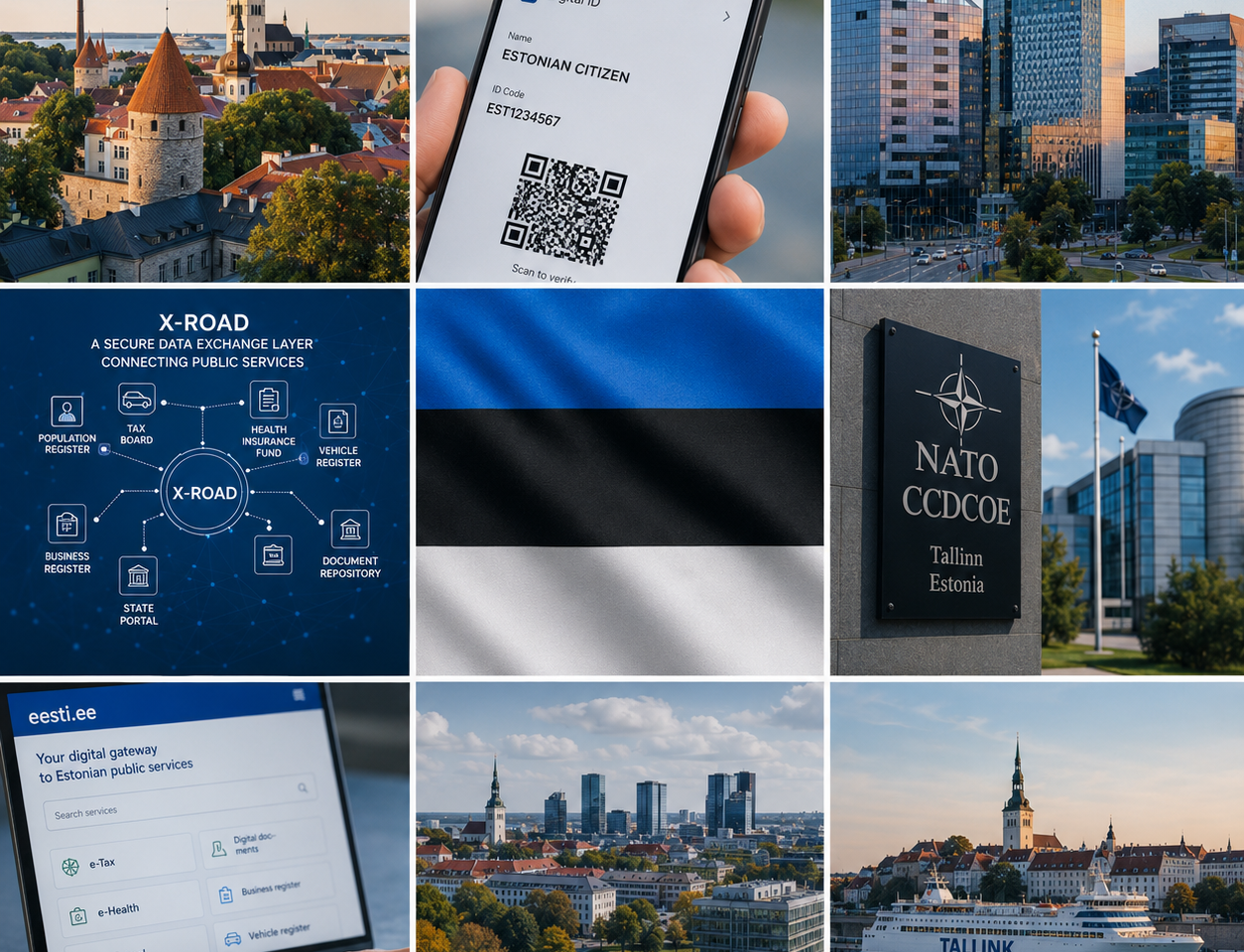
Following the restoration of independence in 1991, Estonia chose to rebuild its institutions around digital infrastructure rather than bureaucracy. Today, the country demonstrates how trust, cybersecurity and digital governance have become strategic assets for both economic competitiveness and national resilience.
Read More
Friday, June 12, 2026
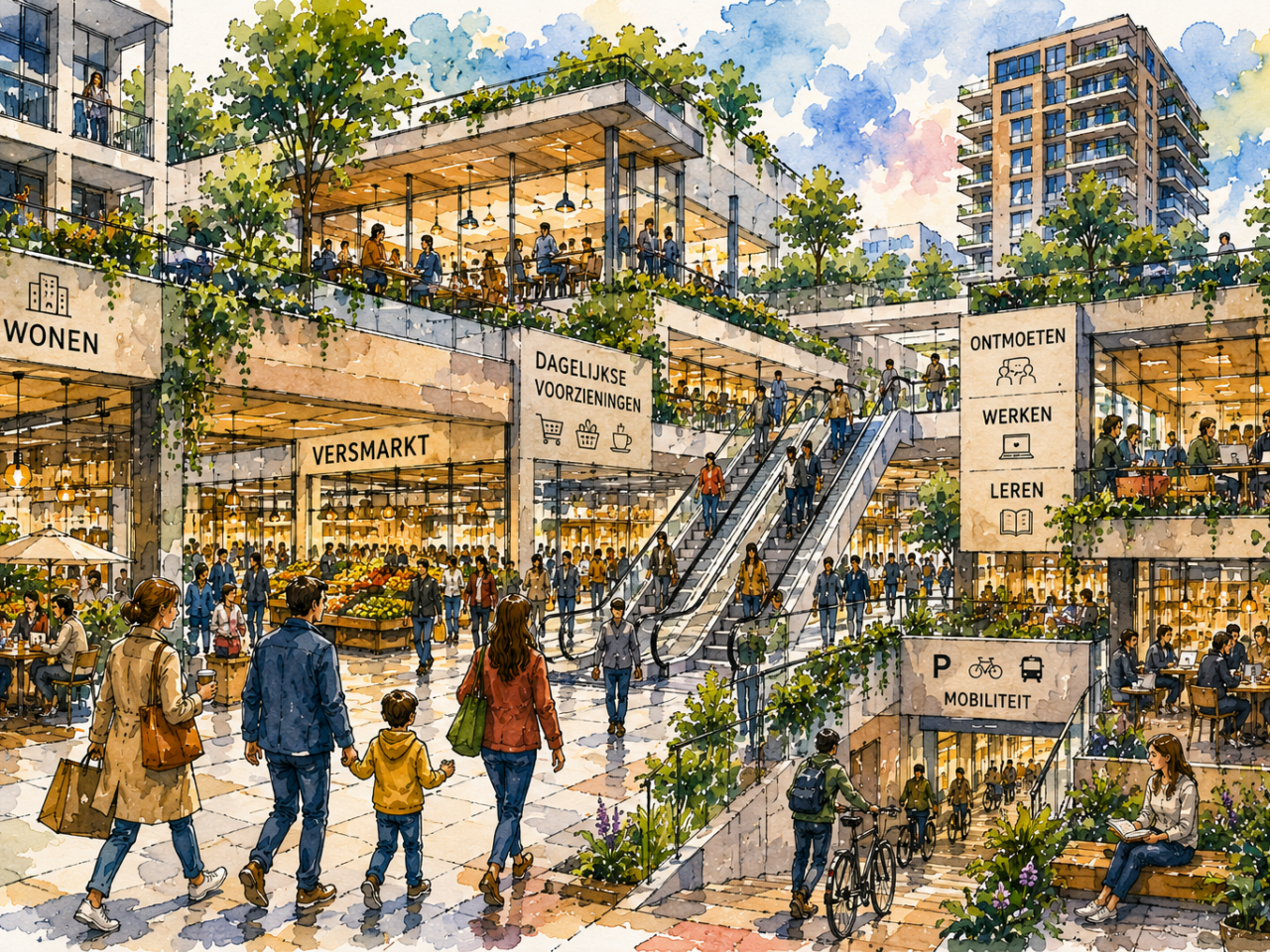
As e-commerce reshapes consumer behaviour, shopping centres are evolving into something far larger than retail alone. Across Europe, housing, hospitality, public space and daily services are increasingly converging into compact urban ecosystems where people live, work, meet and belong.
Read More
Friday, June 12, 2026

The future of Western Europe may depend less on any individual country than on the interaction between multiple forms of economic influence. Connectivity, complexity, specialisation, strategic capacity, openness and global reach together form an ecosystem whose resilience may become increasingly important in an age of fragmentation.
Read More
Friday, June 12, 2026
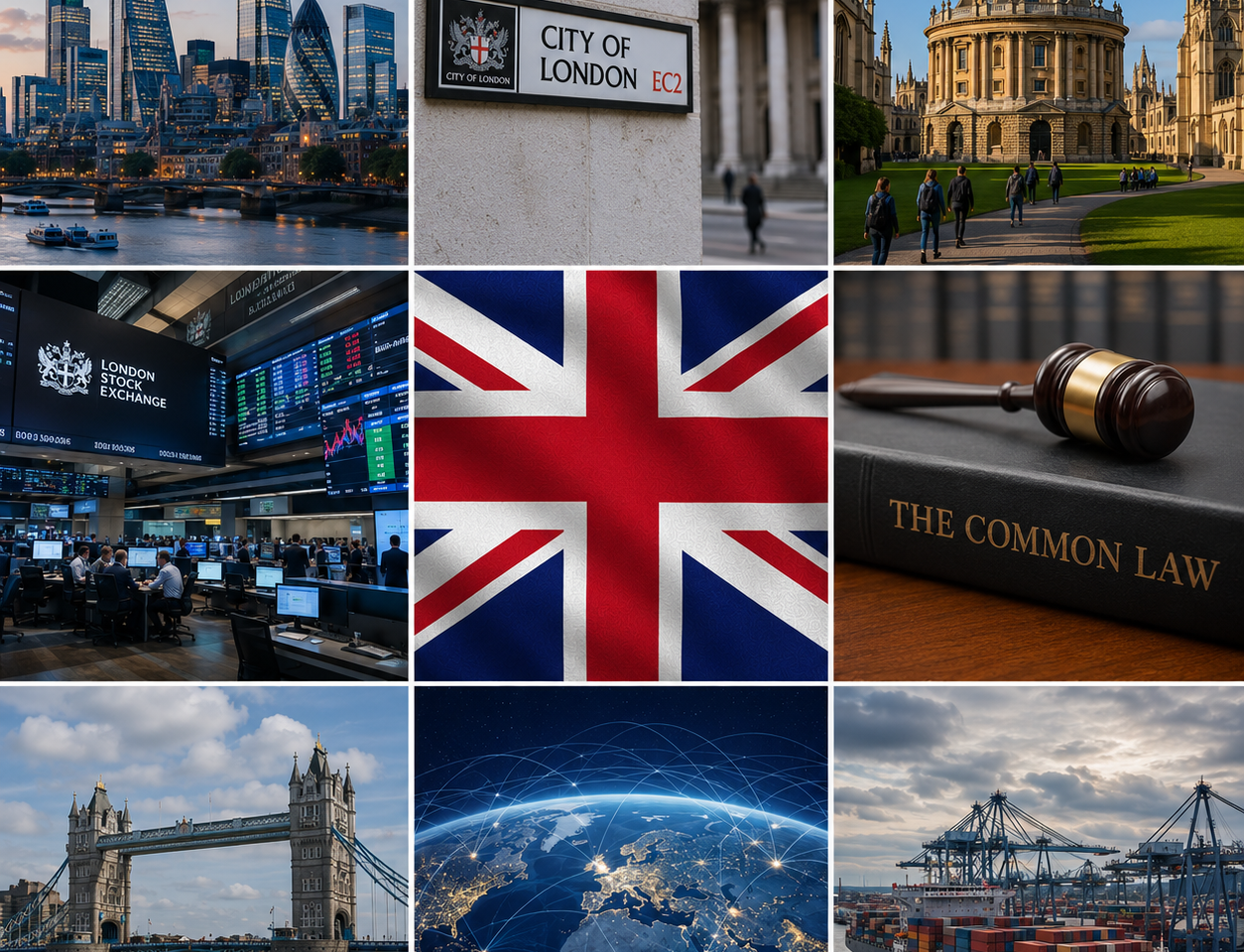
The United Kingdom remains one of the world’s most influential network economies. Through finance, law, education, research and global institutions, Britain continues to shape systems that extend far beyond its borders. Yet as economic security, industrial capacity and strategic infrastructure return to prominence, the country faces a new question: can global reach remain a source of power in an increasingly fragmented world?
Read More
Friday, June 12, 2026
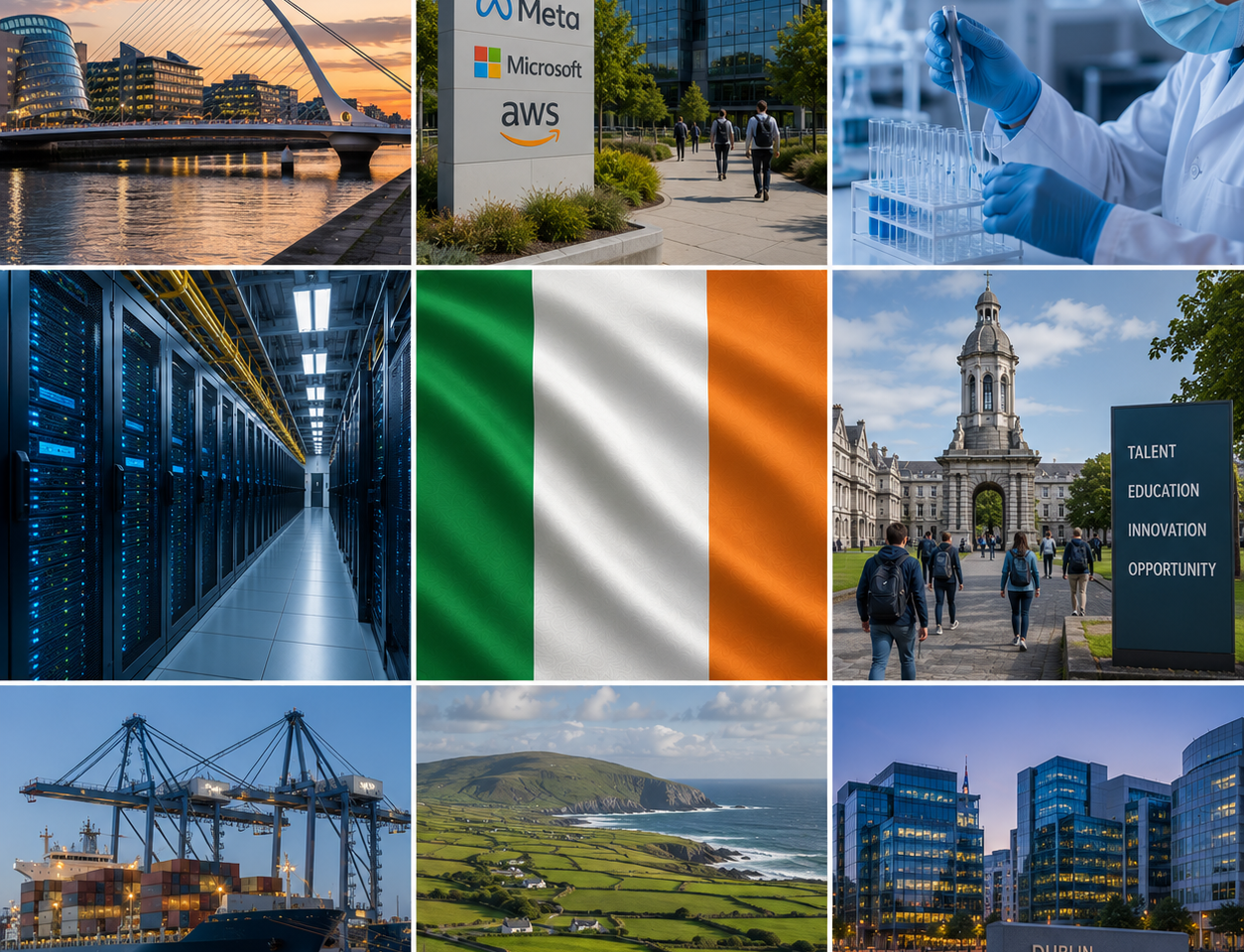
Ireland built its success on openness. Through education, foreign investment and global integration, it became a hub for technology, pharmaceuticals and digital services. Yet as globalisation evolves, the country faces a new challenge: transforming international success into long-term domestic resilience.
Read More

 Available here: