Tuesday, July 7, 2026

AWS has become more than a cloud provider. It increasingly functions as a foundational layer of the global economy, raising questions about scale, governance, jurisdiction and Europe’s search for strategic autonomy in the age of artificial intelligence.
Read More
Monday, July 6, 2026
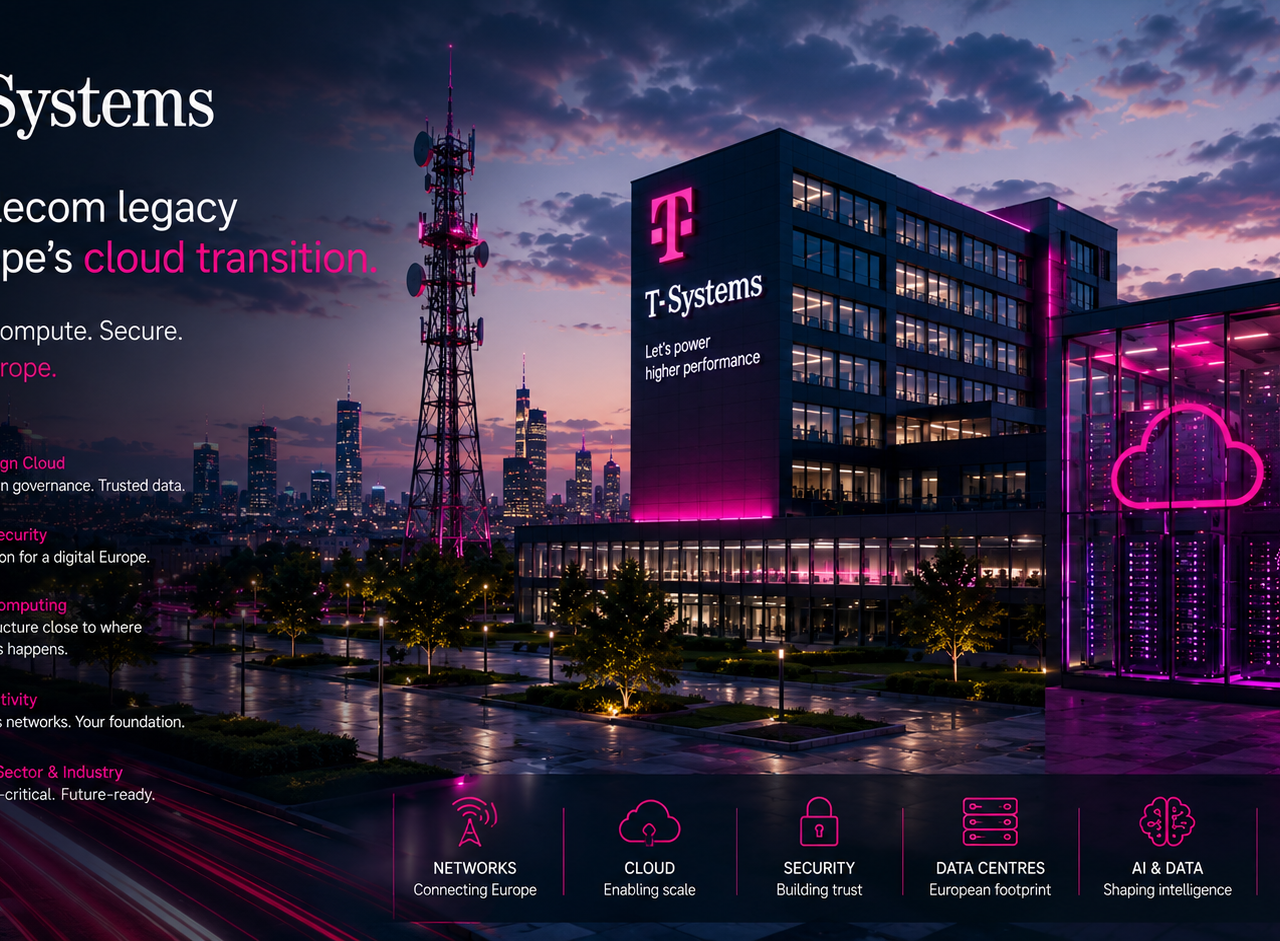
T-Systems illustrates how Europe’s telecommunications sector is increasingly entering the cloud economy. Combining connectivity, enterprise services and sovereign infrastructure, the company offers insight into whether telecom operators can become key builders of Europe’s computing future.
Read More
Monday, July 6, 2026
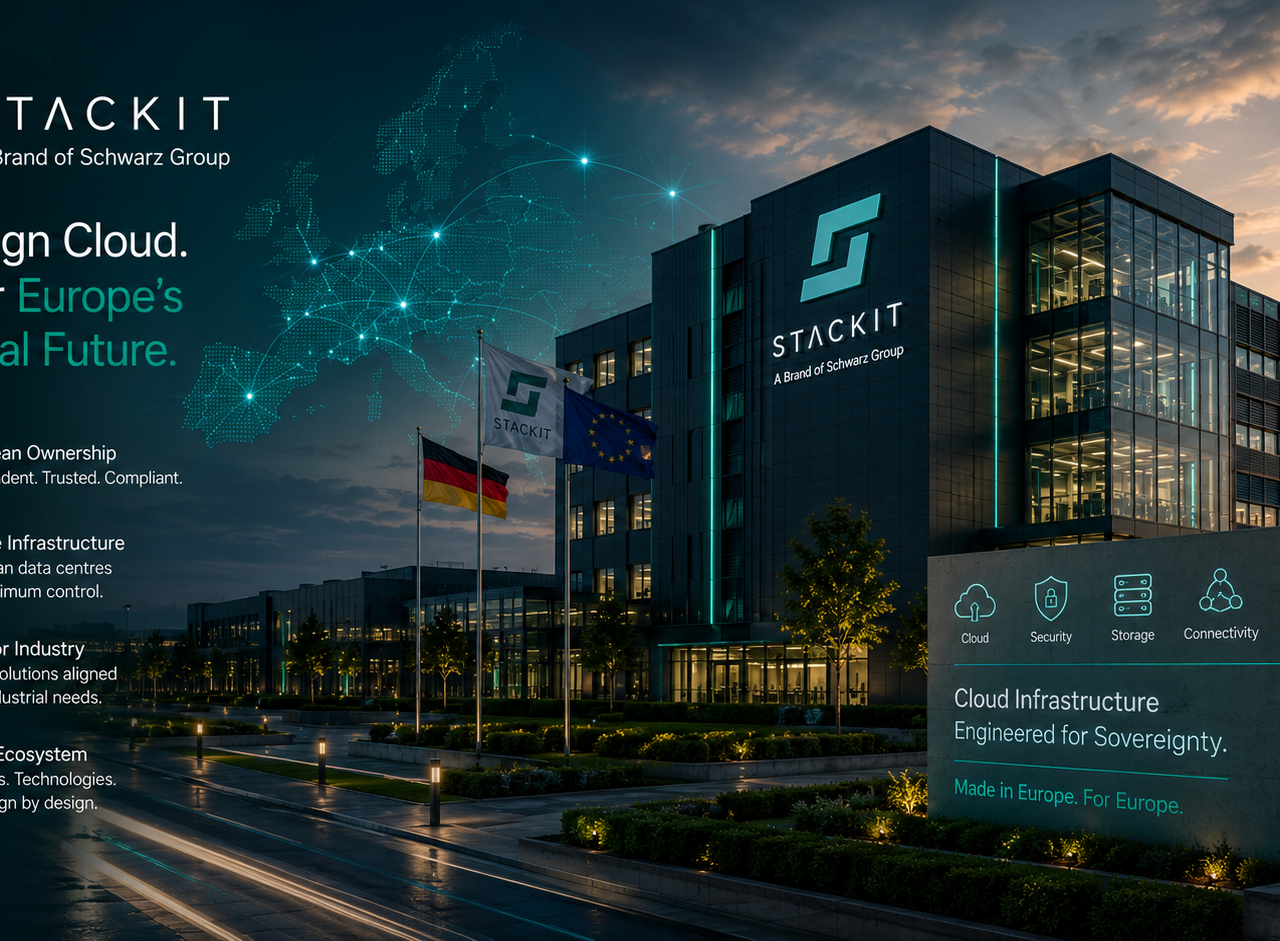
STACKIT represents an emerging model of European cloud infrastructure rooted in industry, compliance and sovereignty. Its development suggests that Europe’s computing future may increasingly depend on trusted ecosystems built around governance, resilience and operational control.
Read More
Monday, July 6, 2026
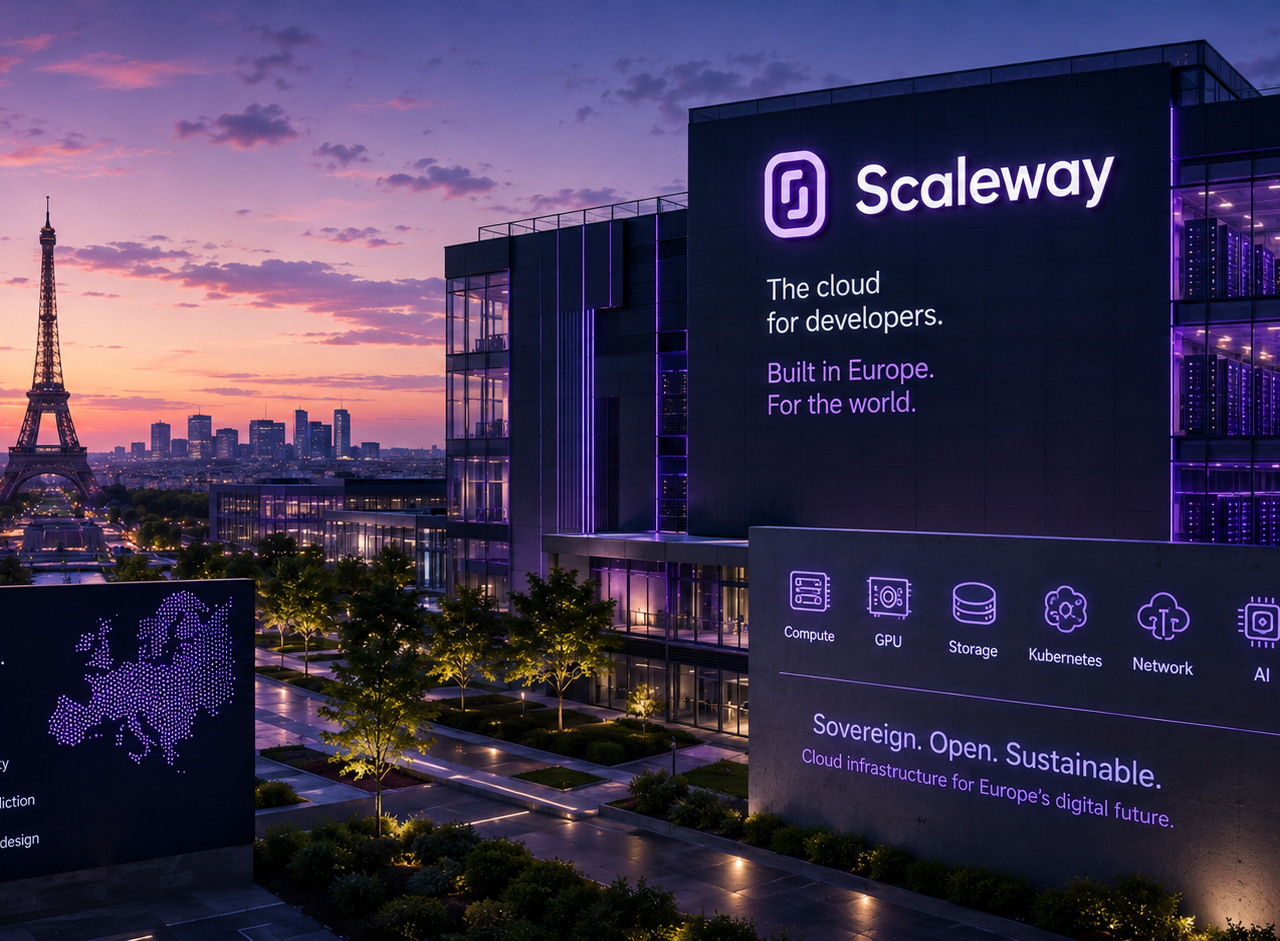
Scaleway represents an alternative European approach to cloud infrastructure, combining developer-centric services, AI capabilities and sovereign governance. Its evolution suggests that Europe’s cloud future may depend as much on diversity and openness as it does on scale.
Read More
Monday, July 6, 2026
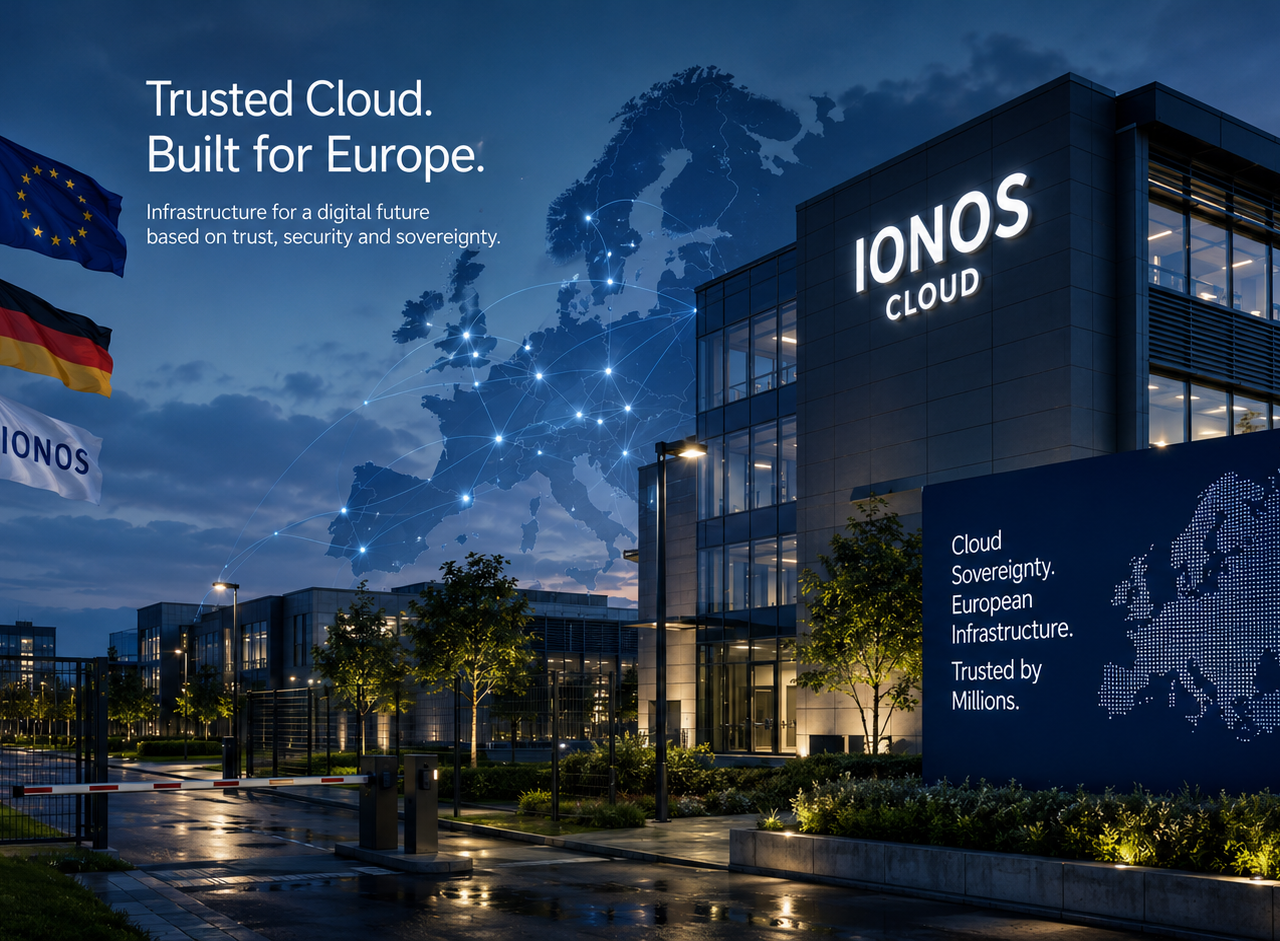
IONOS represents a distinctly European approach to cloud infrastructure, prioritising trust, governance and sovereignty alongside technological capability. As demand for compute accelerates, the company offers insight into how Europe may seek to balance digital autonomy, competitiveness and control over its computing future.
Read More
Monday, July 6, 2026
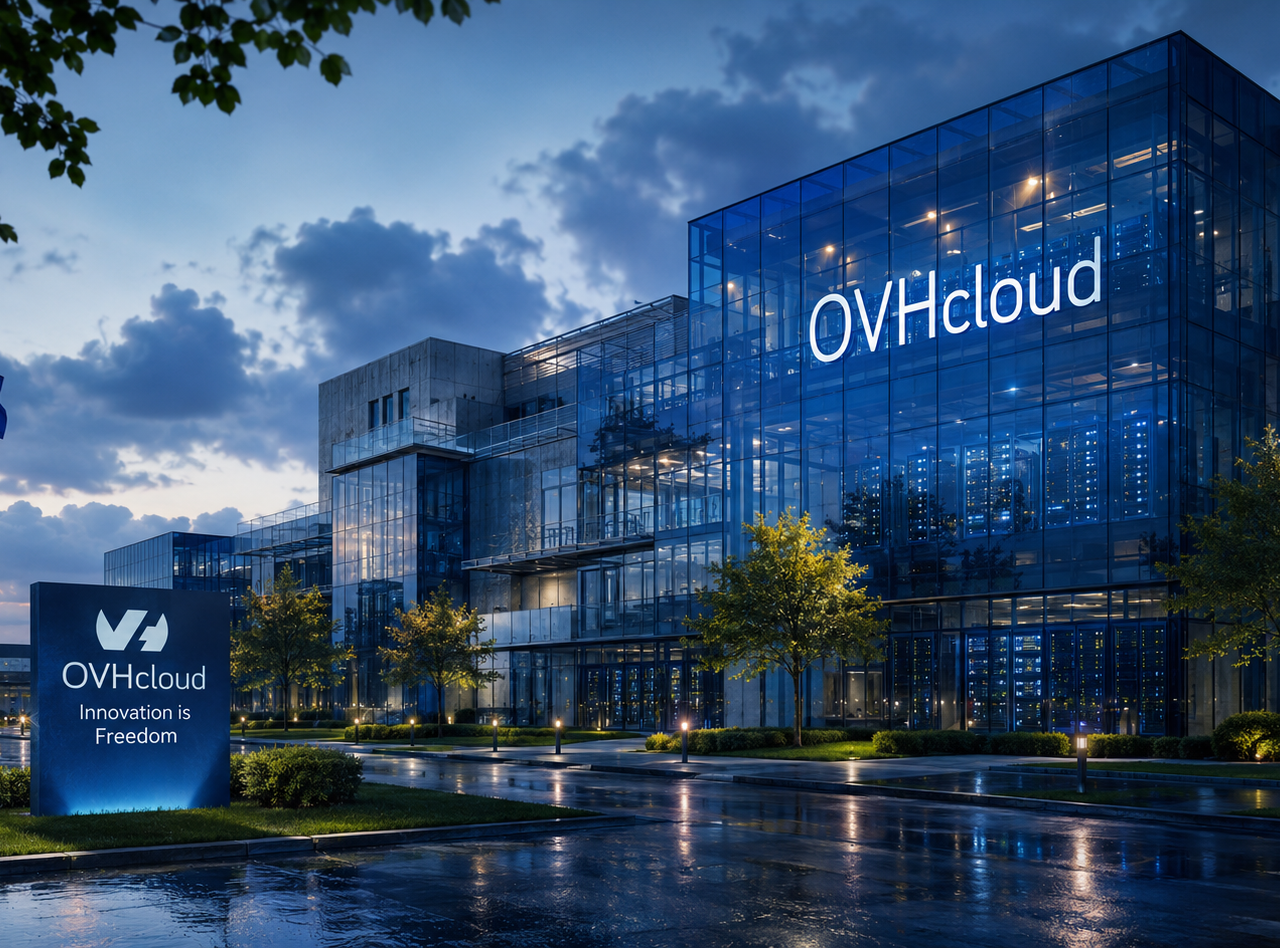
OVHcloud has emerged as one of Europe’s most ambitious cloud providers, combining sovereign ownership with hyperscale ambitions. Its trajectory offers insight into Europe’s broader challenge: transforming digital autonomy from political aspiration into operational infrastructure.
Read More
Saturday, July 4, 2026

Cloud computing is no longer merely a software industry. It has become a strategic layer of infrastructure connecting artificial intelligence, energy systems, data governance and industrial competitiveness, raising fundamental questions about sovereignty, scale and Europe’s capacity to build its own computing future.
Read More
Saturday, July 4, 2026

Renewable energy integration is no longer simply about deploying more wind turbines or solar panels. It is increasingly about orchestrating millions of interconnected assets into a coherent system capable of balancing variability, flexibility and abundance in real time.
Read More
Friday, July 3, 2026

Hydrogen is often presented as an energy technology. Yet its deeper significance may lie elsewhere. As Europe seeks to decarbonise industry, transport and chemistry, hydrogen is emerging as a mechanism for storing, transporting and coordinating matter itself.
Read More
Wednesday, July 1, 2026

Europe’s energy transition is increasingly becoming a coordination challenge. As millions of producers, batteries and data centres reshape electricity flows, the grid is evolving from static infrastructure into a dynamic system designed to manage space, stability and complexity in real time.
Read More

 Available here:
