Monday, September 28, 2026
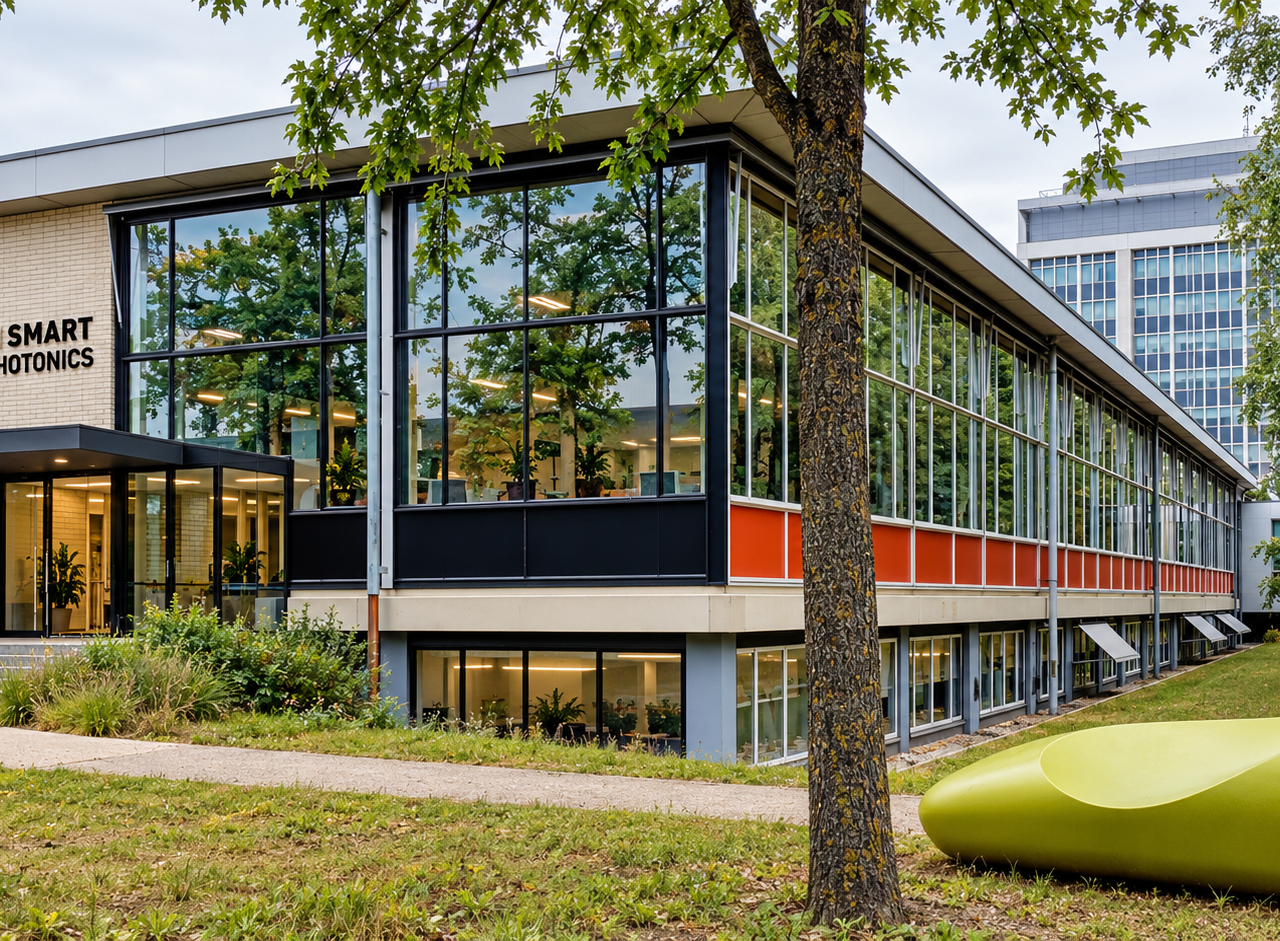
Europe’s photonics sector is approaching its industrial test. As Eindhoven expands wafer capacity and SMART Photonics partners with GlobalFoundries, the challenge shifts from proving chips can work to deciding who controls production, integration and value at scale.
Read More
Monday, September 28, 2026
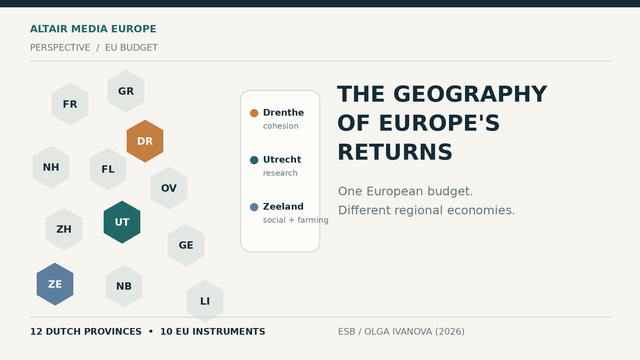
EU funding does more than return money to member states. A study of Dutch provinces shows how research, cohesion and agricultural funds shape different regional economies—and why Europe’s next budget must consider where growth takes place.
Read More
Monday, September 28, 2026
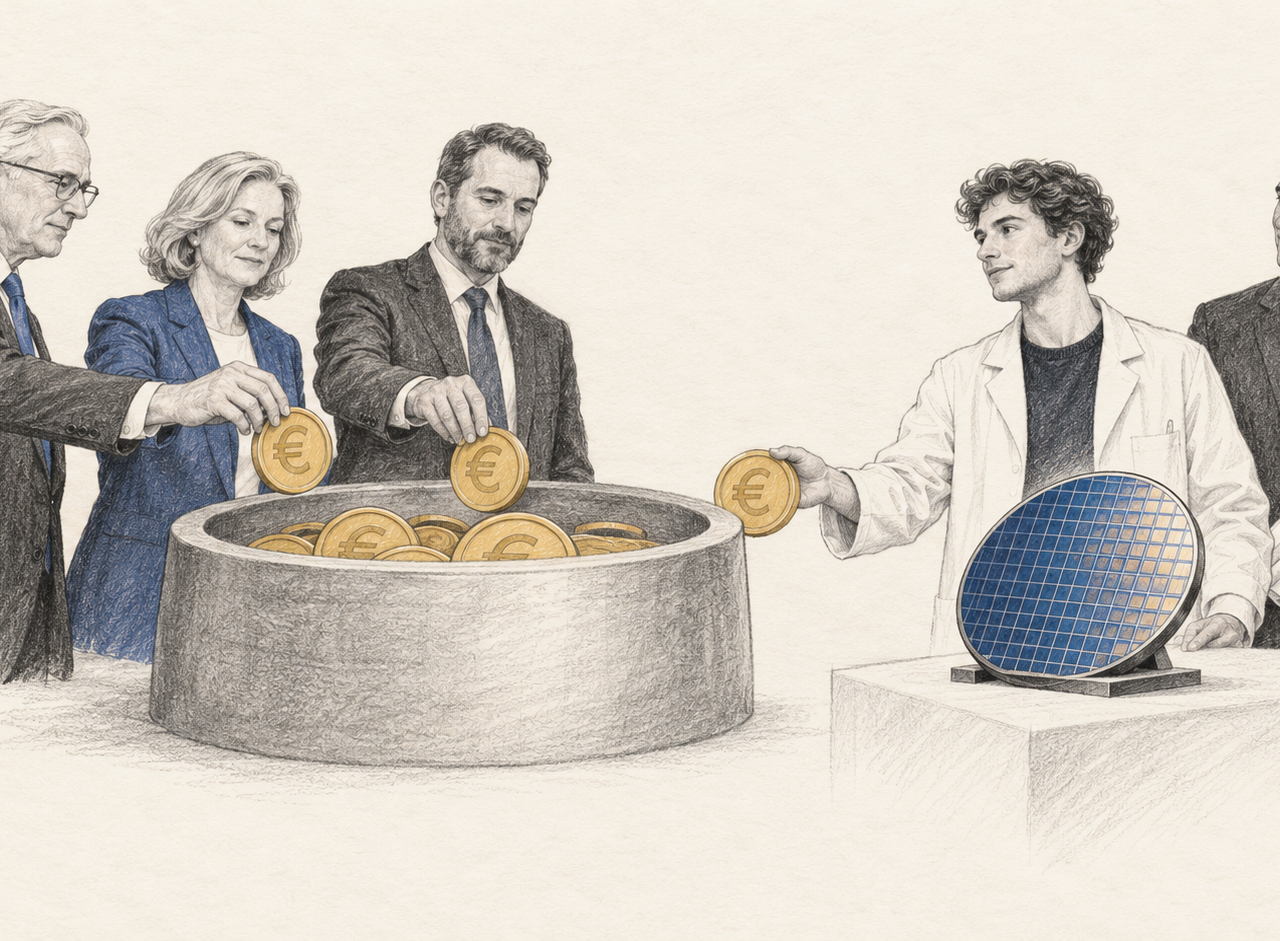
ABP’s €250 million commitment adds Dutch pension capital to the Scaleup Europe Fund. As EQT raises money and invests alongside companies such as Samsung, the distinction between financing the fund and joining individual rounds becomes strategically important.
Read More
Sunday, September 27, 2026
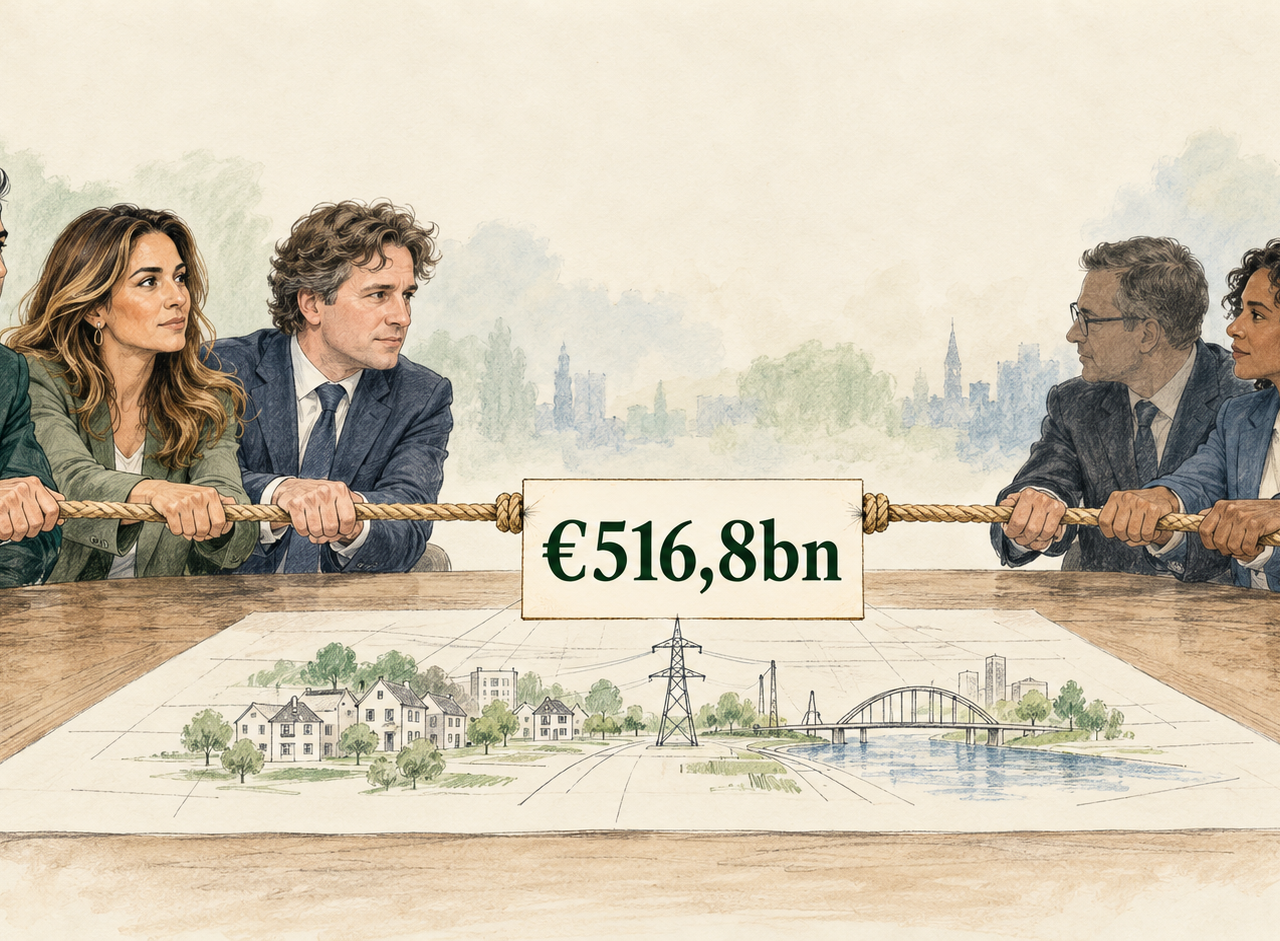
The Dutch budget talks are moving, but an agreement requires more than exchanged concessions. This Signal asks whether coalition and opposition can protect their mandates, share responsibility for the whole budget and make choices that endure beyond the next vote.
Read More
Saturday, September 26, 2026
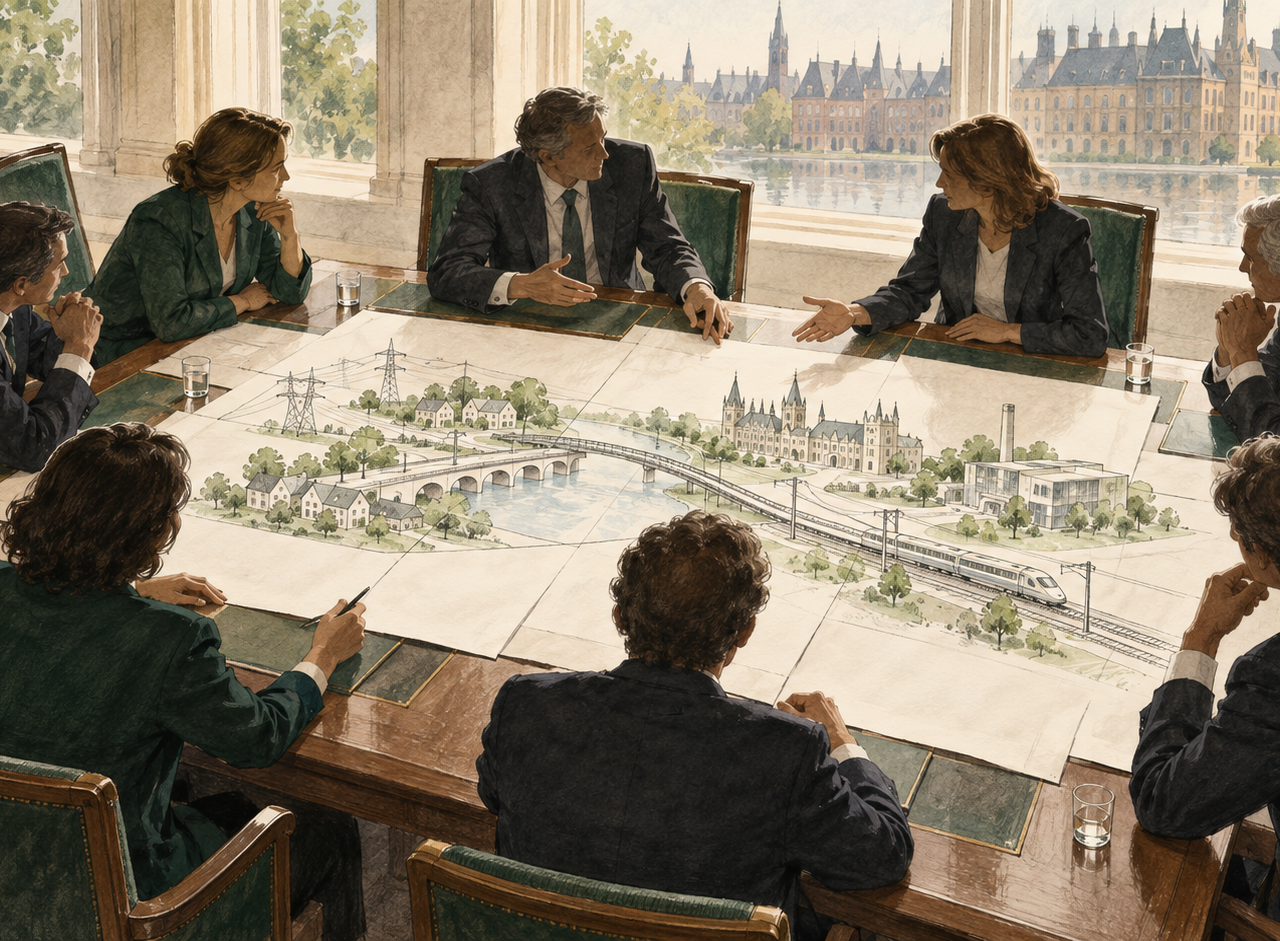
A minority government needs more than enough votes to pass a budget. This briefing sets out five ways the Netherlands could build a durable agreement: shared evidence, meaningful opposition input, time-bound reforms, deliverable investments and a clear European strategy.
Read More
Friday, September 25, 2026

The Netherlands’ 2027 budget has become more than a fiscal plan. Governing Without a Majority follows how a minority government seeks parliamentary support through negotiation, concession and institutional compromise — and asks whether enough separate agreements can still produce a coherent national budget.
Read More
Friday, September 25, 2026
The Netherlands’ 2027 budget promises investment in the future while a minority government negotiates support in the present. As reforms are delayed and spending rises, the central question is who will ultimately pay for the choices postponed today.
Read More
Friday, September 25, 2026
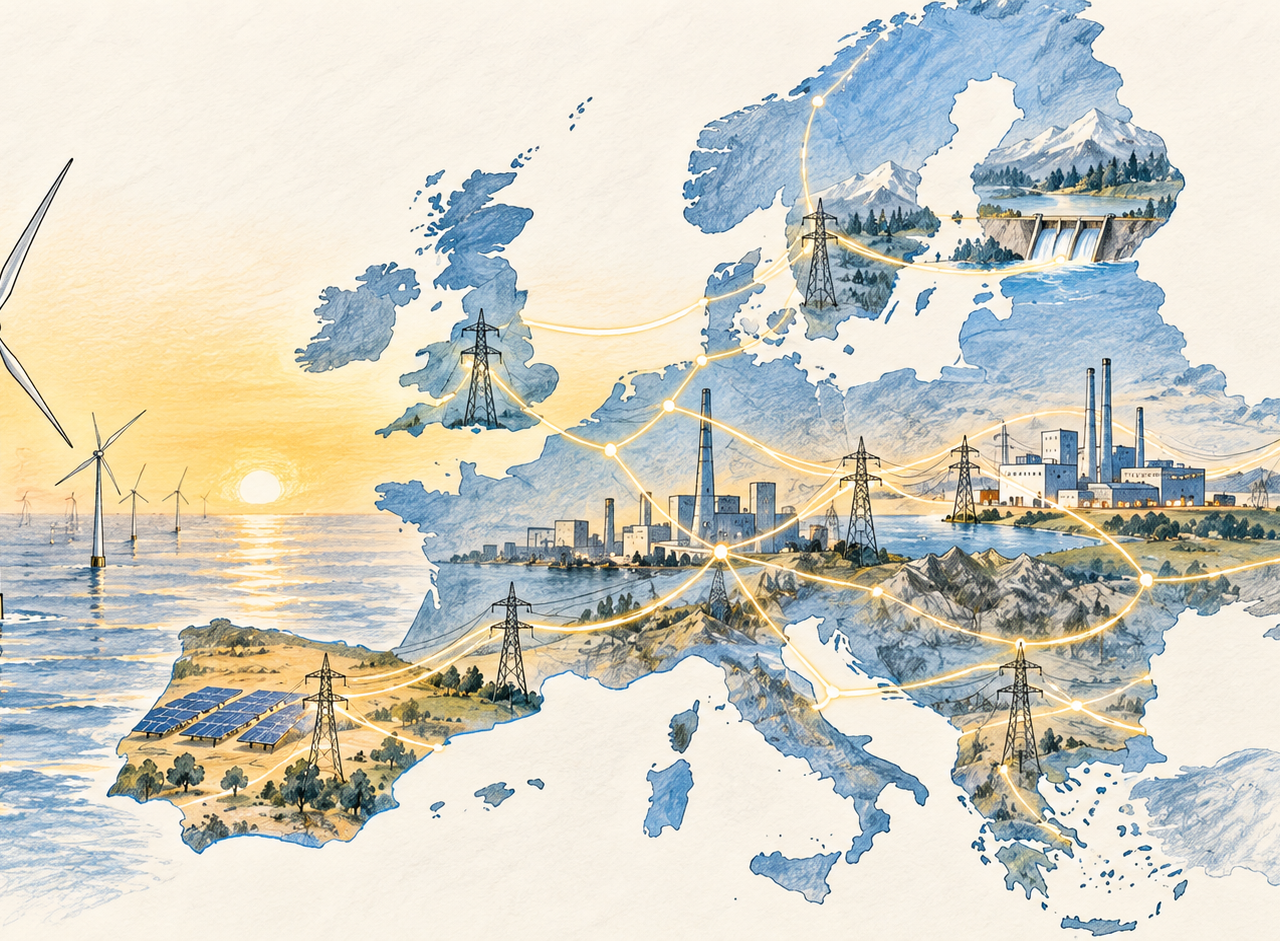
Europe already possesses many of the foundations of an electro-powered economy. The challenge is no longer simply building more generation, companies or infrastructure, but connecting these strengths into one functioning continental energy architecture.
Read More
Thursday, September 24, 2026
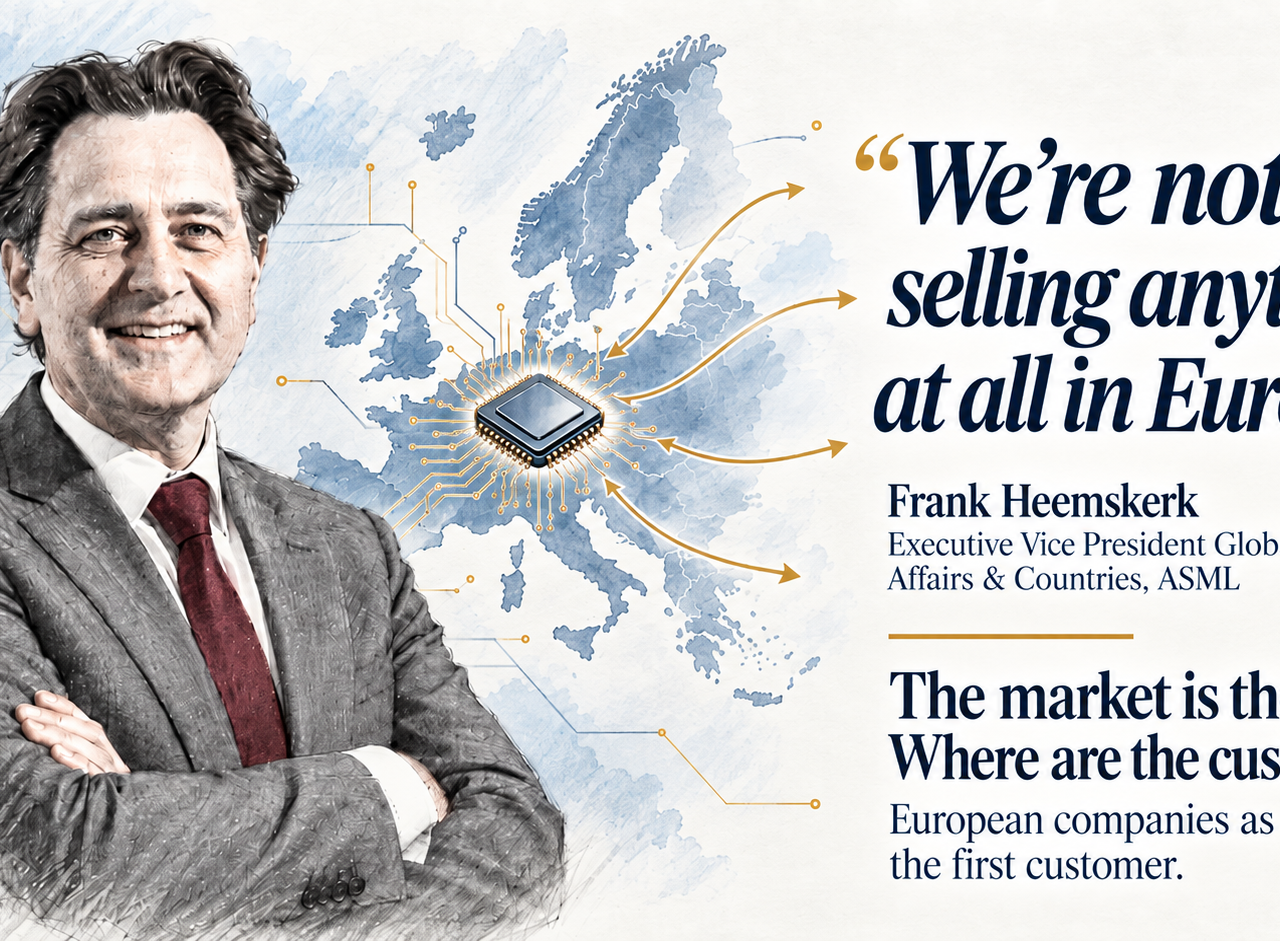
ASML sells virtually no chipmaking machines in Europe. The demand exists, but remains fragmented across industries. Europe’s semiconductor challenge may therefore be less about building fabs than about turning its own companies into coordinated anchor customers.
Read More
Wednesday, September 23, 2026

Europe already has the money and public institutions needed to support new factories, energy networks and battery plants. The challenge is getting them to work together so private investors can join promising projects before every risk has disappeared.
Read More

 Available here:
