Wednesday, July 22, 2026
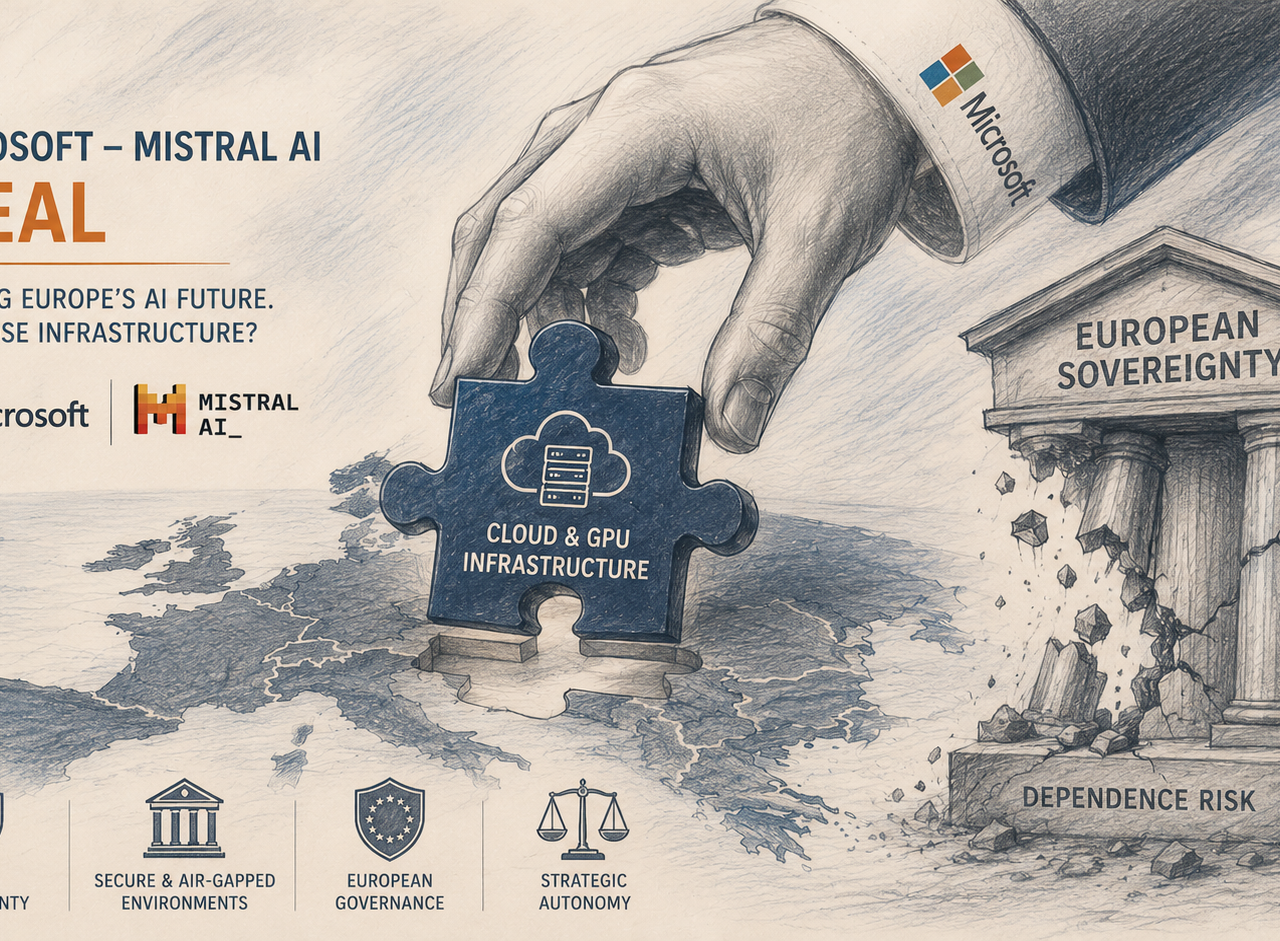
The Microsoft–Mistral partnership reflects more than a strategic AI agreement. It raises a broader question about Europe’s technological future: can algorithmic sovereignty be achieved when the compute infrastructure on which it depends increasingly resides elsewhere?
Read More
Tuesday, July 21, 2026

Switzerland’s proposal for the 2038 Winter Olympics is more than a sporting vision. It offers a compelling case study in how modern democracies coordinate infrastructure, governance and public trust—and why institutional capacity may become Europe’s most valuable strategic advantage in an increasingly complex world.
Read More
Friday, July 17, 2026

As Europe searches for a new model of competitiveness, seven technology companies are increasingly shaping the conversation. More than corporate leaders, they represent an emerging industrial architecture built around coordination, strategic technologies and Europe’s long-term economic resilience.
Read More
Saturday, July 11, 2026

Communication is increasingly becoming one of Europe’s most critical infrastructures. Behind emergency services, airports and secure networks lies an invisible architecture of trust, where resilience matters more than speed and continuity becomes a strategic capability in its own right.
Read More
Saturday, July 4, 2026
Universities were built upon openness, collaboration and scientific exchange. Yet as semiconductors, photonics and artificial intelligence become strategic technologies, Europe increasingly faces a difficult question: how open can science remain when knowledge itself becomes infrastructure?
Read More
Saturday, June 20, 2026

Europe’s future may depend less on scale and more on capabilities that the rest of the world cannot easily replicate. Through the lens of ASML, this concluding essay explores how technological sovereignty, ecosystem resilience and strategic indispensability may shape Europe’s economic future.
Read More
Saturday, June 13, 2026

Europe’s challenge is no longer simply competing with foreign companies. It is increasingly competing with state-backed industrial ecosystems. As strategic industries shift from products to infrastructure, Europe faces difficult questions about resilience, sovereignty and the future of open markets.
Read More
Thursday, June 11, 2026

While much of Europe embraced market liberalisation, France maintained a stronger belief in the strategic role of the state. Today, as debates over industrial policy, energy security and technological sovereignty return, France’s economic model appears more relevant than it has in decades.
Read More
Sunday, June 7, 2026
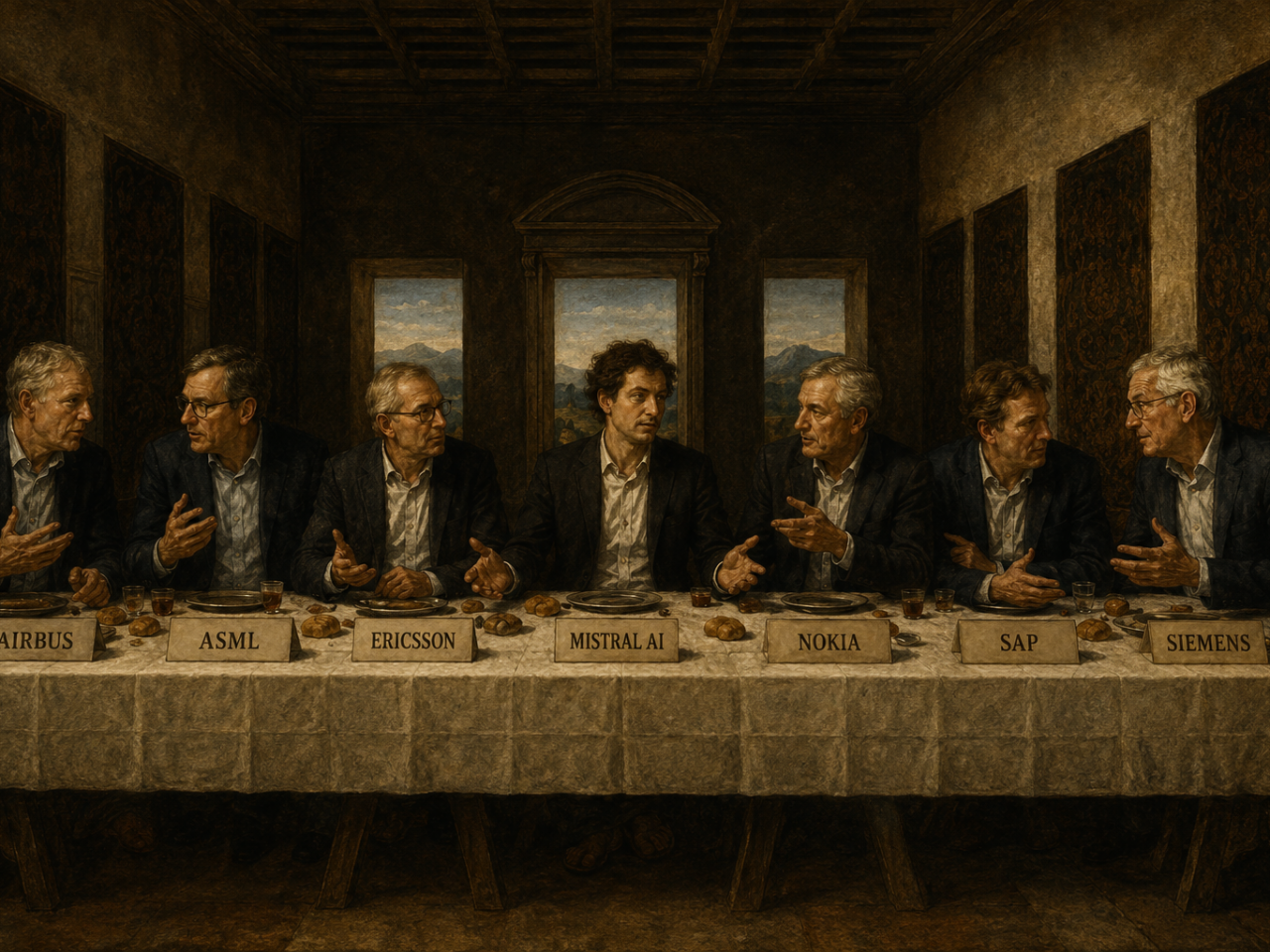
When seven European technology leaders issued a joint call for action, much of the discussion focused on regulation. Yet the significance of the coalition may lie elsewhere. By bringing together companies from semiconductors, telecommunications, industrial systems, software, artificial intelligence and aerospace, the statement reveals a broader shift in European thinking: from individual sectors toward interconnected technology ecosystems.
Read More
Saturday, June 6, 2026
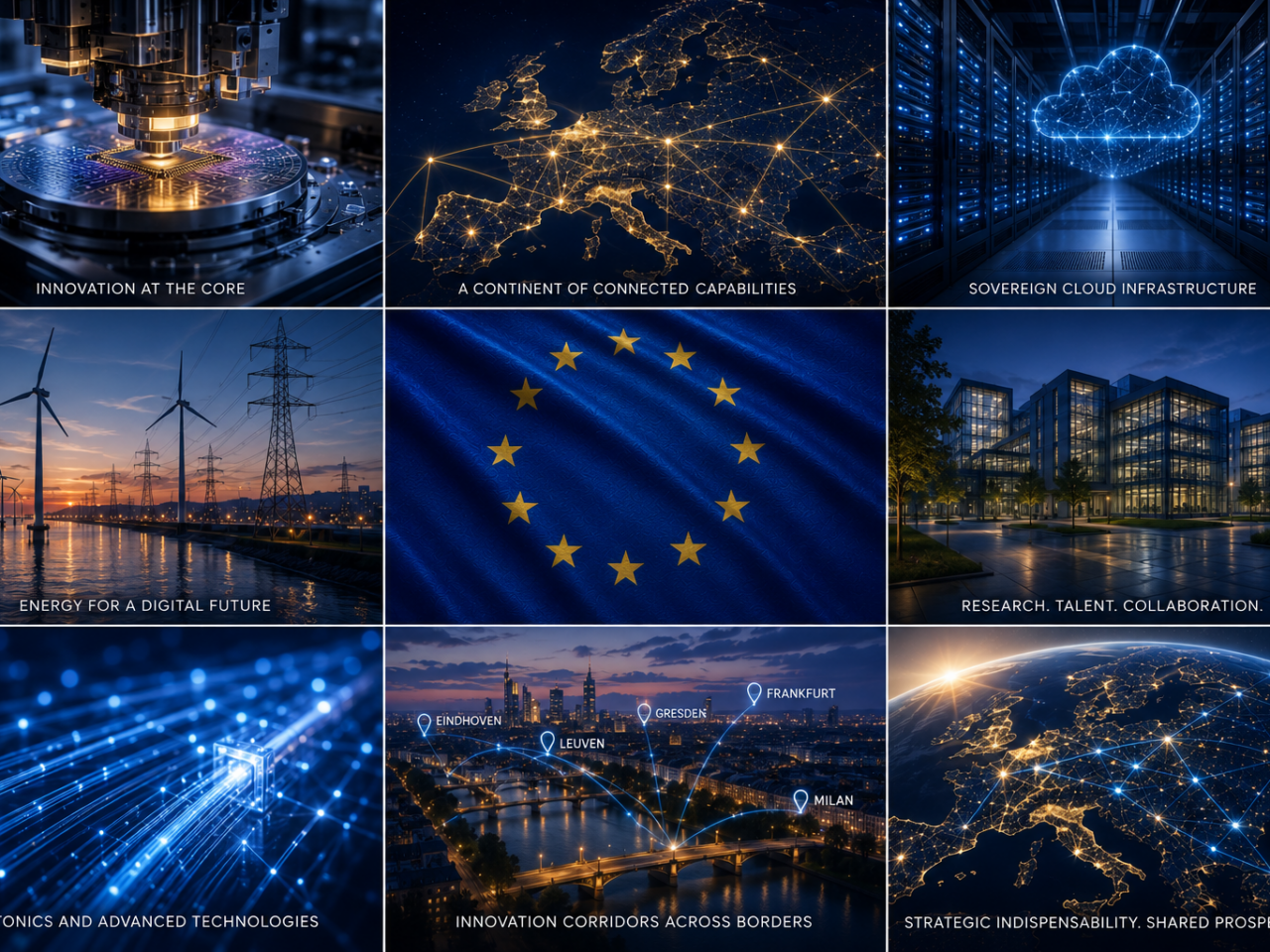
Europe’s technological future may depend less on national champions and more on networks of specialised ecosystems. From semiconductors and cloud infrastructure to energy systems and research clusters, competitiveness increasingly emerges from the connections between Europe’s most important capabilities.
Read More

 Available here:
