Friday, August 7, 2026
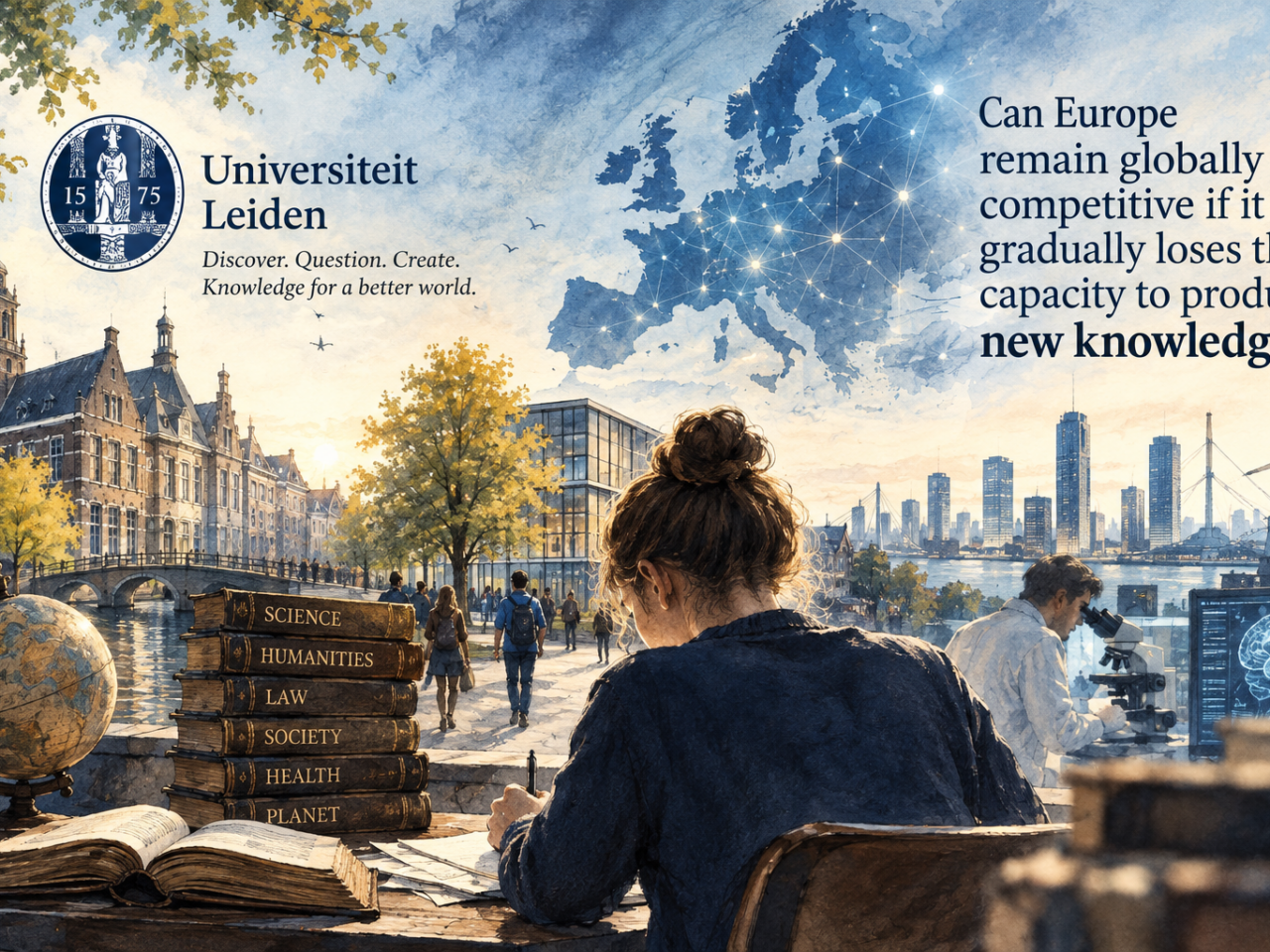
Leiden University demonstrates that the future of Europe depends not only on applying knowledge, but on continually creating it. As artificial intelligence transforms access to information, the production of reliable new knowledge may become one of Europe’s most strategic capabilities.
Read More
Saturday, August 1, 2026
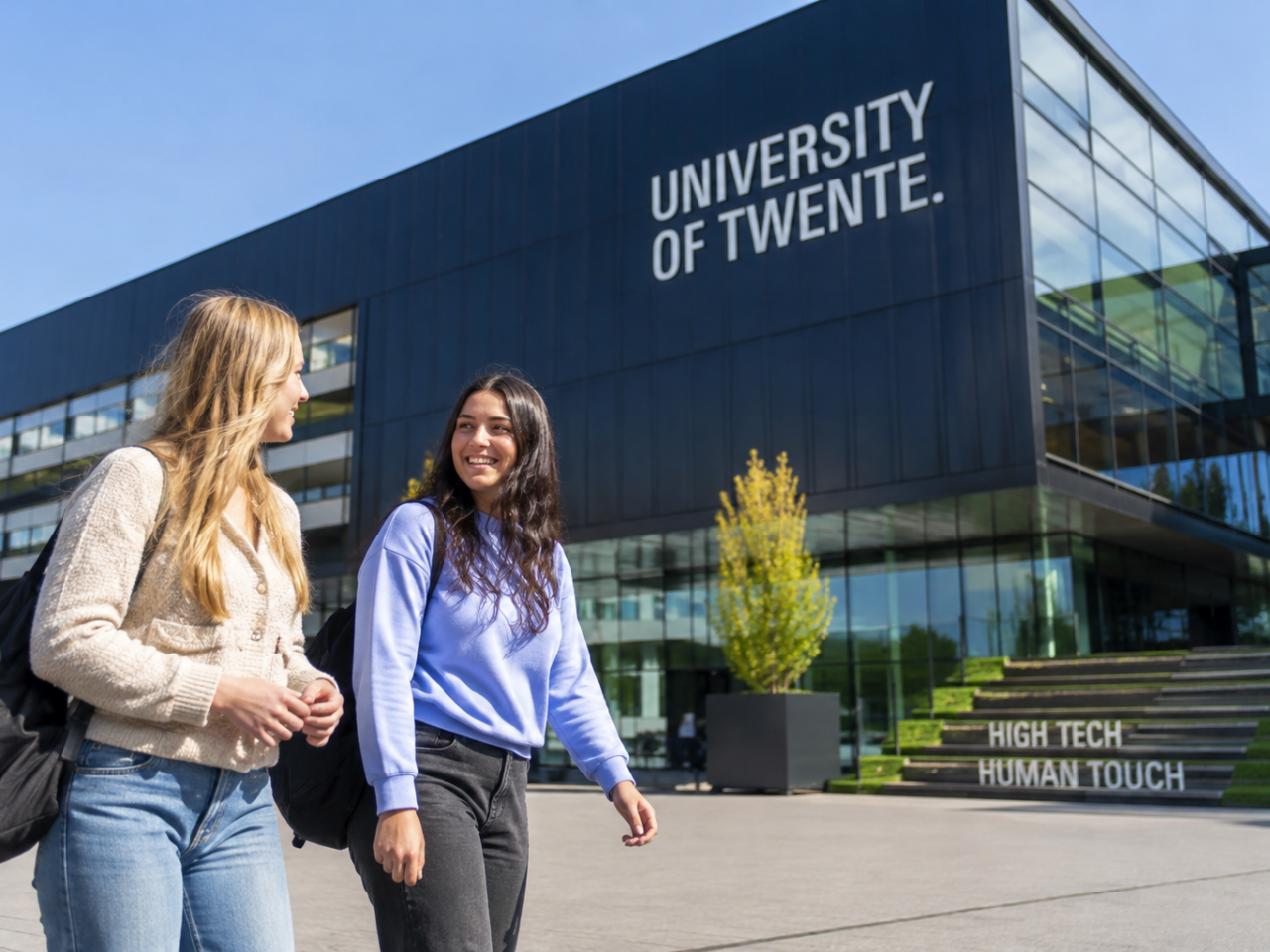
Can smaller universities become strategic assets? The University of Twente demonstrates that innovation is not defined by scale alone, but by the ability to integrate technology, entrepreneurship and society into a distinctive model of European excellence.
Read More
Wednesday, July 29, 2026

Innovation depends on more than scientific excellence. It depends on how effectively knowledge circulates between universities, industry and society. TU Eindhoven demonstrates how regional ecosystems can transform education into Europe’s long-term technological capacity.
Read More
Sunday, July 26, 2026
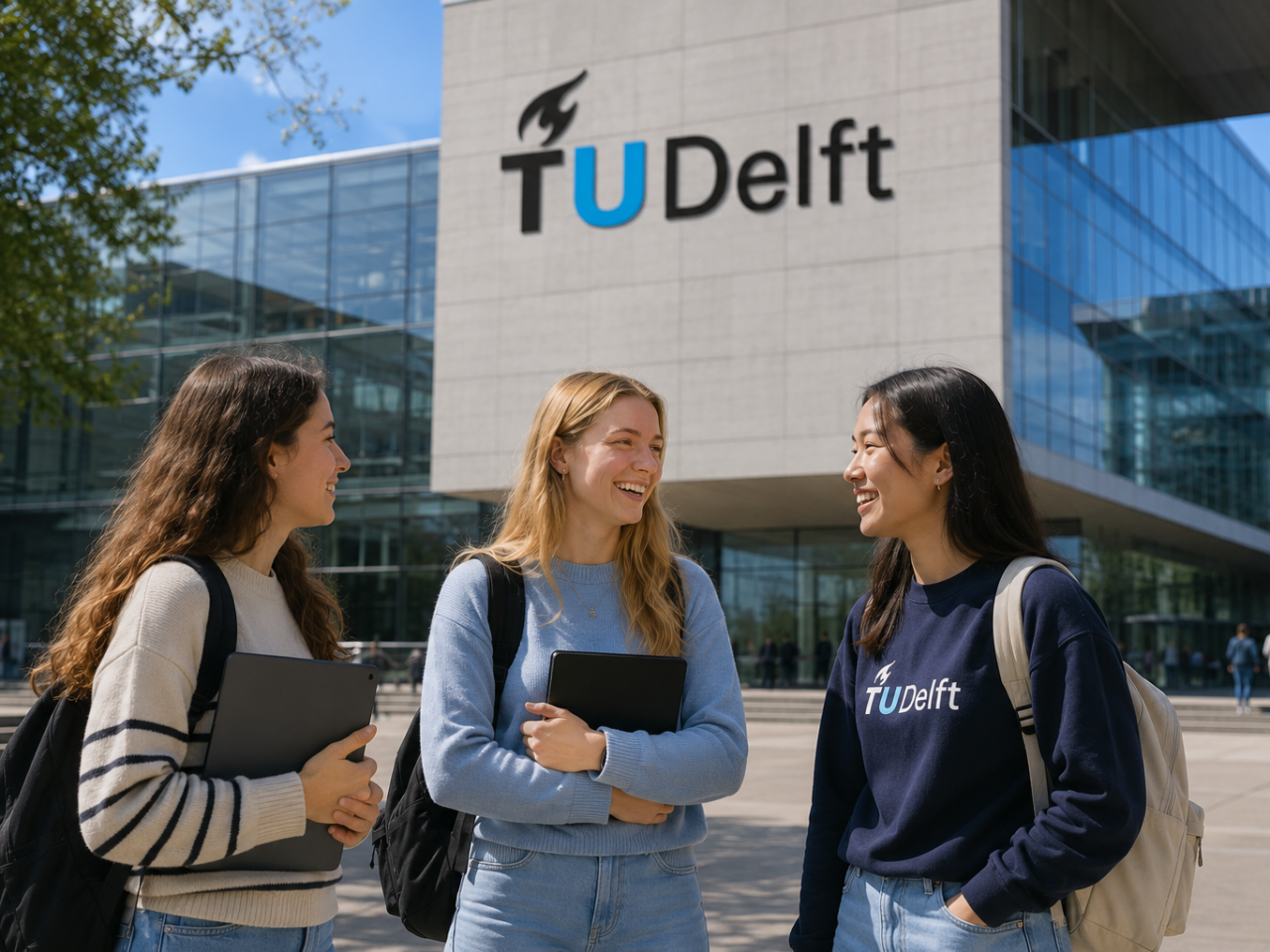
Europe’s technological ambitions depend on far more than research funding and industrial investment. They depend on universities capable of educating the engineers, scientists and innovators who will design, build and sustain the continent’s future infrastructure.
Read More
Saturday, July 25, 2026

Artificial intelligence is transforming access to information, but not the purpose of higher education. As knowledge becomes increasingly abundant, universities may find that their greatest responsibility is no longer teaching information, but cultivating judgement.
Read More
Monday, July 20, 2026

Why do some careers capture the imagination while others remain largely invisible? This Perspective explores how identity, cultural narratives and societal expectations shape educational choices—and why those choices increasingly influence the Netherlands’ future capacity to innovate.
Read More
Saturday, July 4, 2026
Universities were built upon openness, collaboration and scientific exchange. Yet as semiconductors, photonics and artificial intelligence become strategic technologies, Europe increasingly faces a difficult question: how open can science remain when knowledge itself becomes infrastructure?
Read More
Tuesday, April 21, 2026

Universities are accelerating their adoption of artificial intelligence. But in that speed, something essential risks being lost. This essay argues for a deliberate pause—not as resistance, but as a condition to preserve depth, judgment and the role of friction in learning.
Read More
Friday, April 17, 2026

As artificial intelligence generates answers instantly, education must shift from knowledge to judgment. This essay explores how universities should redesign curricula to focus on problem definition, critical thinking and responsibility in an age where knowing is no longer enough.
Read More
Thursday, April 16, 2026

Artificial intelligence is breaking the link between effort, output and understanding. As essays and exams become less reliable signals, universities must rethink assessment—not as a measure of performance, but as a way to reveal how students actually think.
Read More

 Available here: