
Europe’s energy future depends on turning scientific breakthroughs into reliable industrial capabilities. Strategic Briefing IV explores how research teams, start-ups and scale-ups contribute to that transition—and why demonstration projects, first customers and deployment finance determine which innovations become part of Europe’s energy architecture.
Energy Infrastructure
The energy systems and networks that power modern economies, from electricity grids and renewable generation to the infrastructure supporting energy security and the global energy transition.
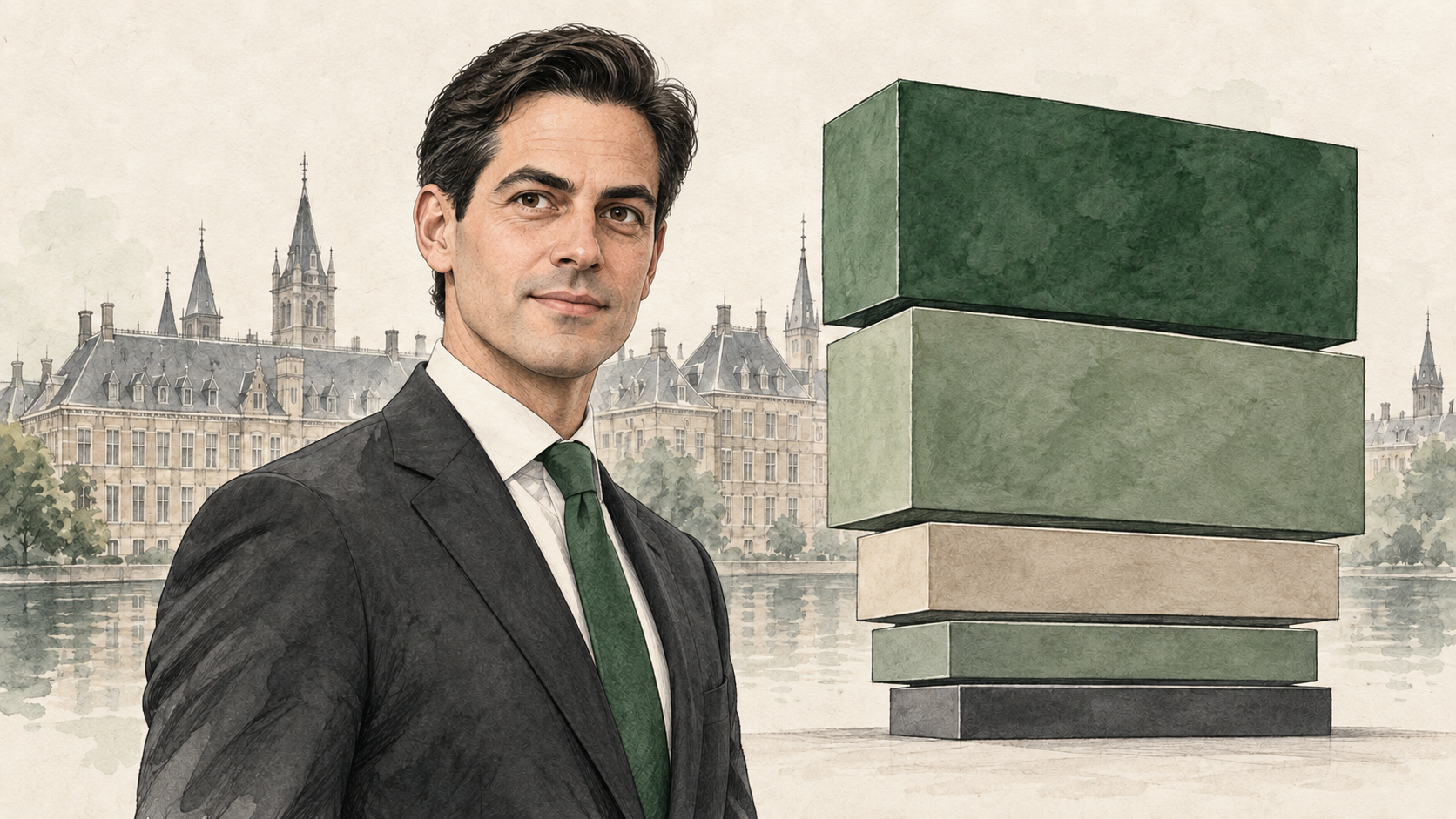
The Netherlands’ 2027 budget promises investment in the future while a minority government negotiates support in the present. As reforms are delayed and spending rises, the central question is who will ultimately pay for the choices postponed today.
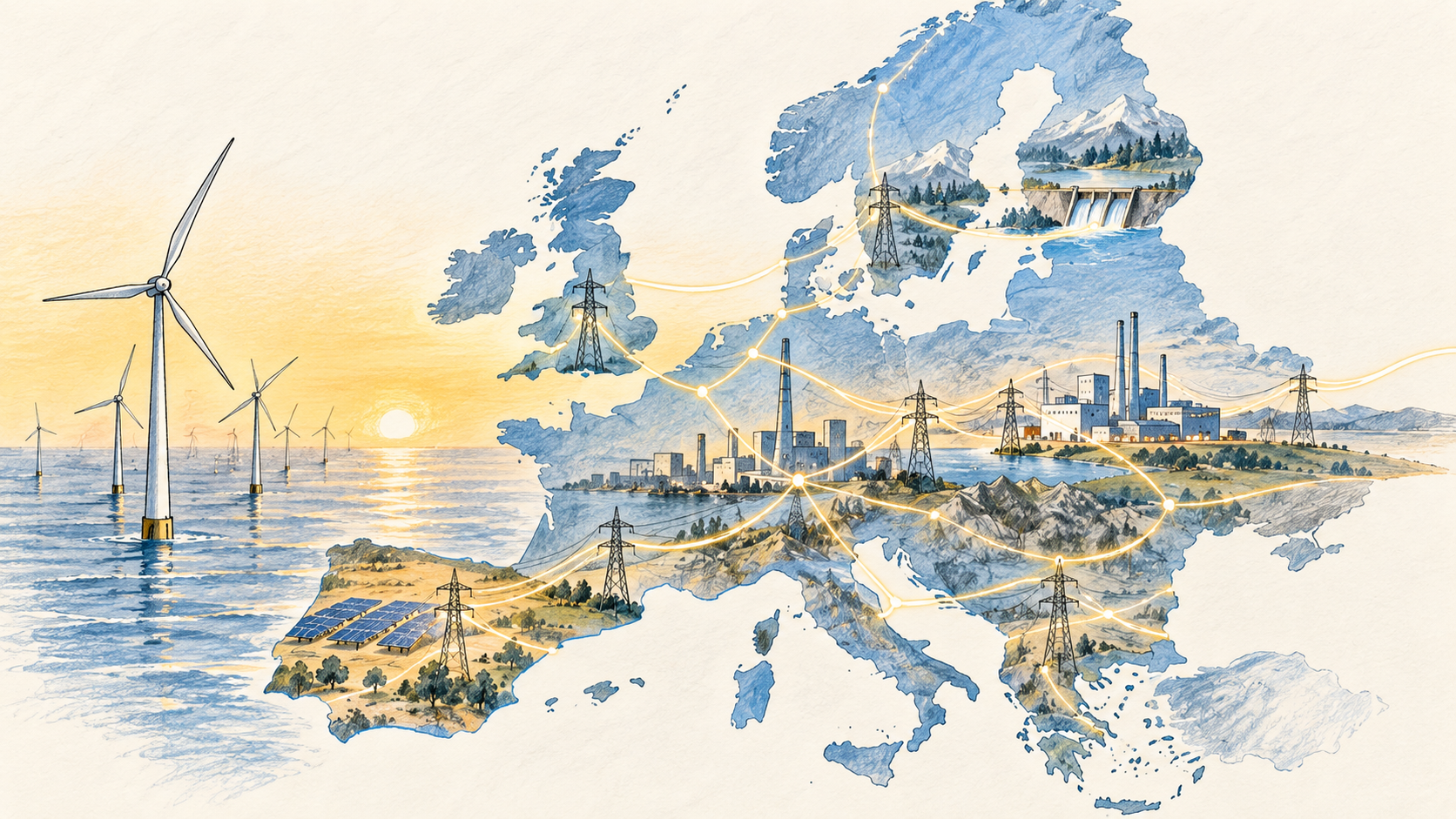
Europe already possesses many of the foundations of an electro-powered economy. The challenge is no longer simply building more generation, companies or infrastructure, but connecting these strengths into one functioning continental energy architecture.

Europe does not need a €10 trillion fund. It needs a financing chain that can move capital from development to construction, de-risking and mature infrastructure — and then recycle it fast enough to build the next project.
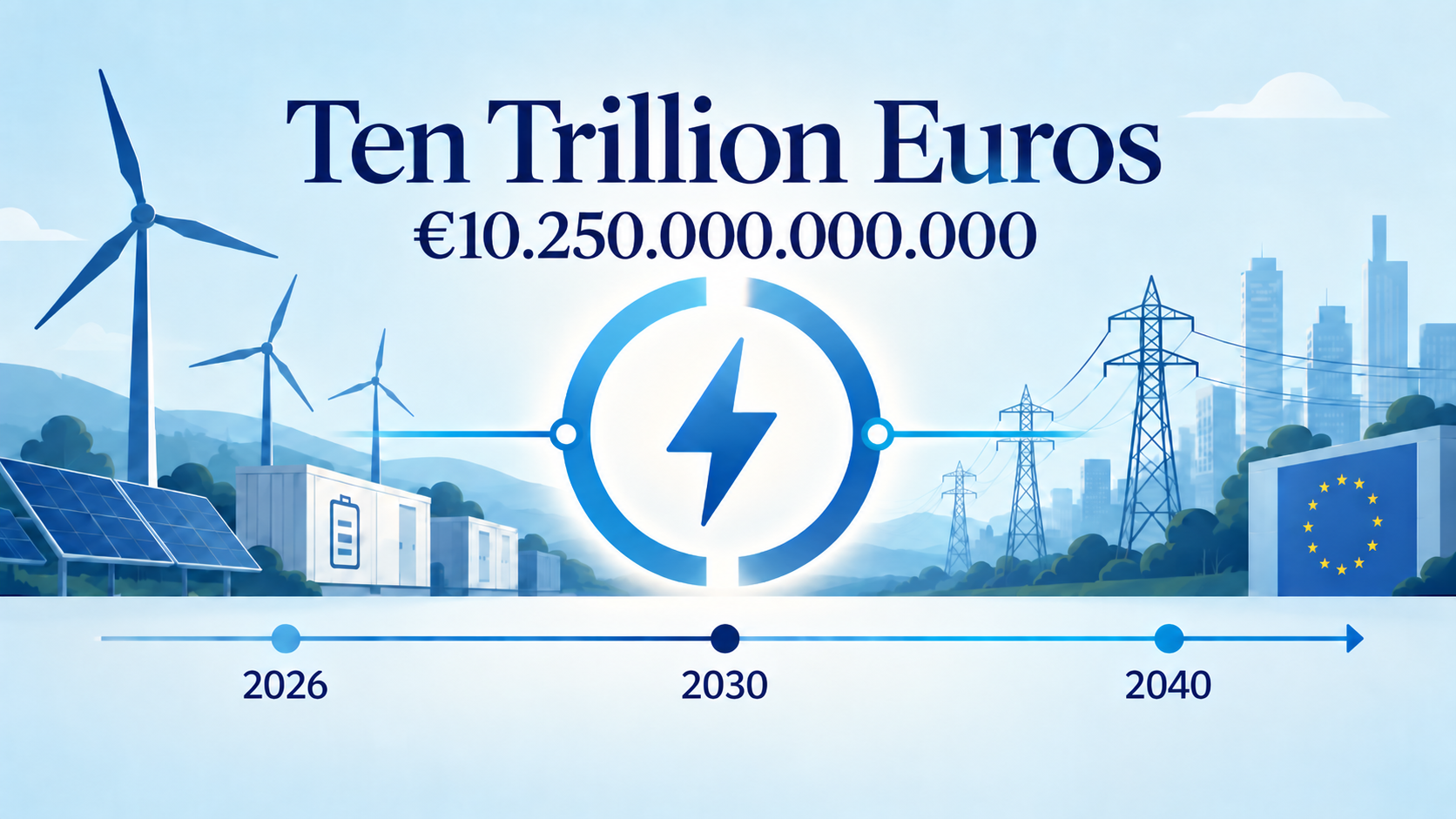
Europe needs to channel more than €10 trillion into its energy system by 2040. The real challenge is no longer only technological capacity, but whether Europe’s fragmented financial architecture can turn savings into grids, generation, storage and resilience.

Europe’s electricity networks are becoming the backbone of its industrial future. But while power increasingly moves across borders, planning, investment and regulation remain predominantly national. Europe’s central challenge is making the governance of its energy system as interconnected as the grid itself.
