
Europe’s food system extends far beyond the farm. Agriculture increasingly connects biology with energy, chemistry, technology, logistics, research and finance — creating a complex European system behind the ordinary food we encounter every day.
Energy Infrastructure
The energy systems and networks that power modern economies, from electricity grids and renewable generation to the infrastructure supporting energy security and the global energy transition.
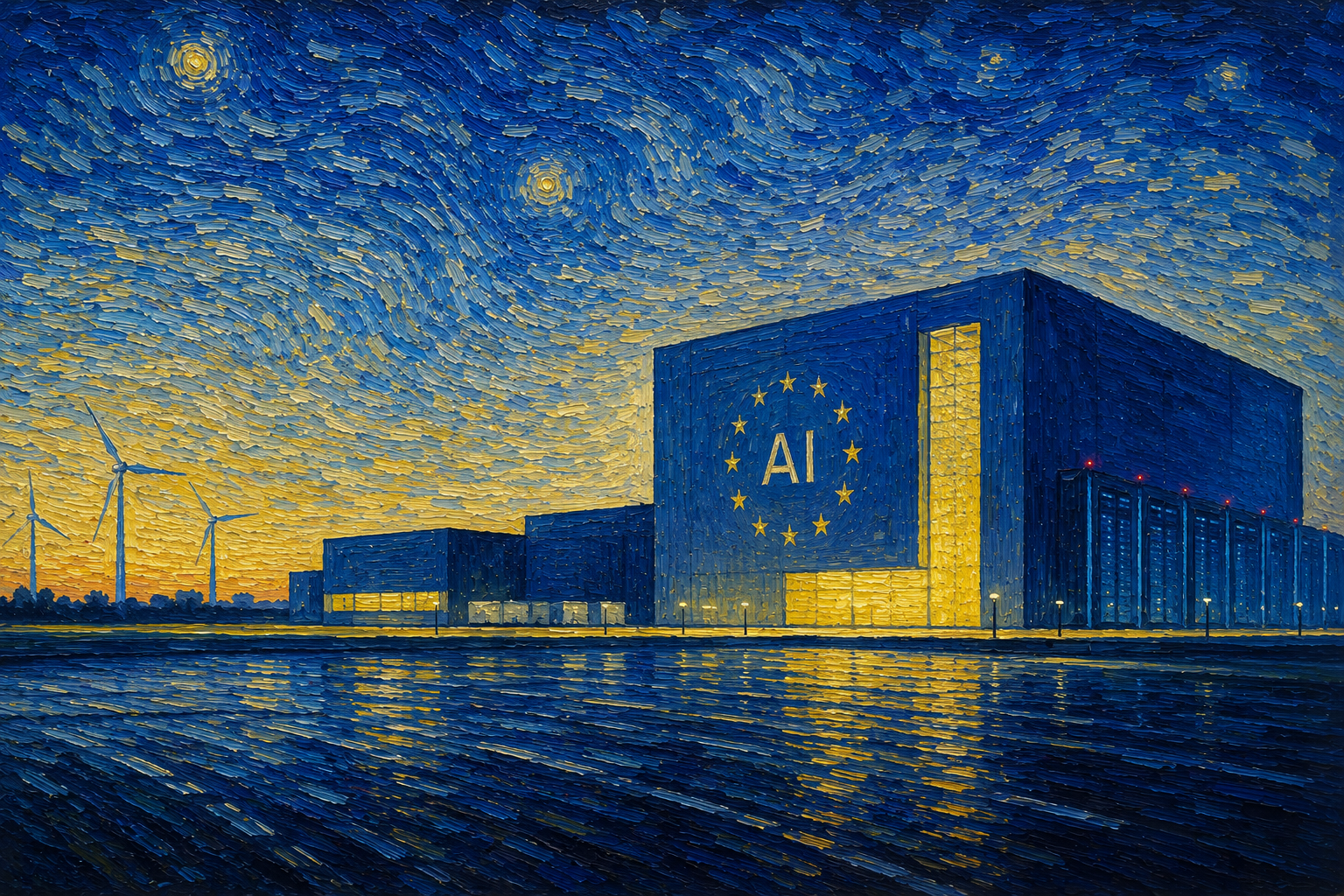
Europe’s AI Gigafactories are about far more than computing power. They represent a new generation of strategic infrastructure where energy, semiconductors, photonics, connectivity and industrial ecosystems determine whether Europe’s AI ambitions can become reality.
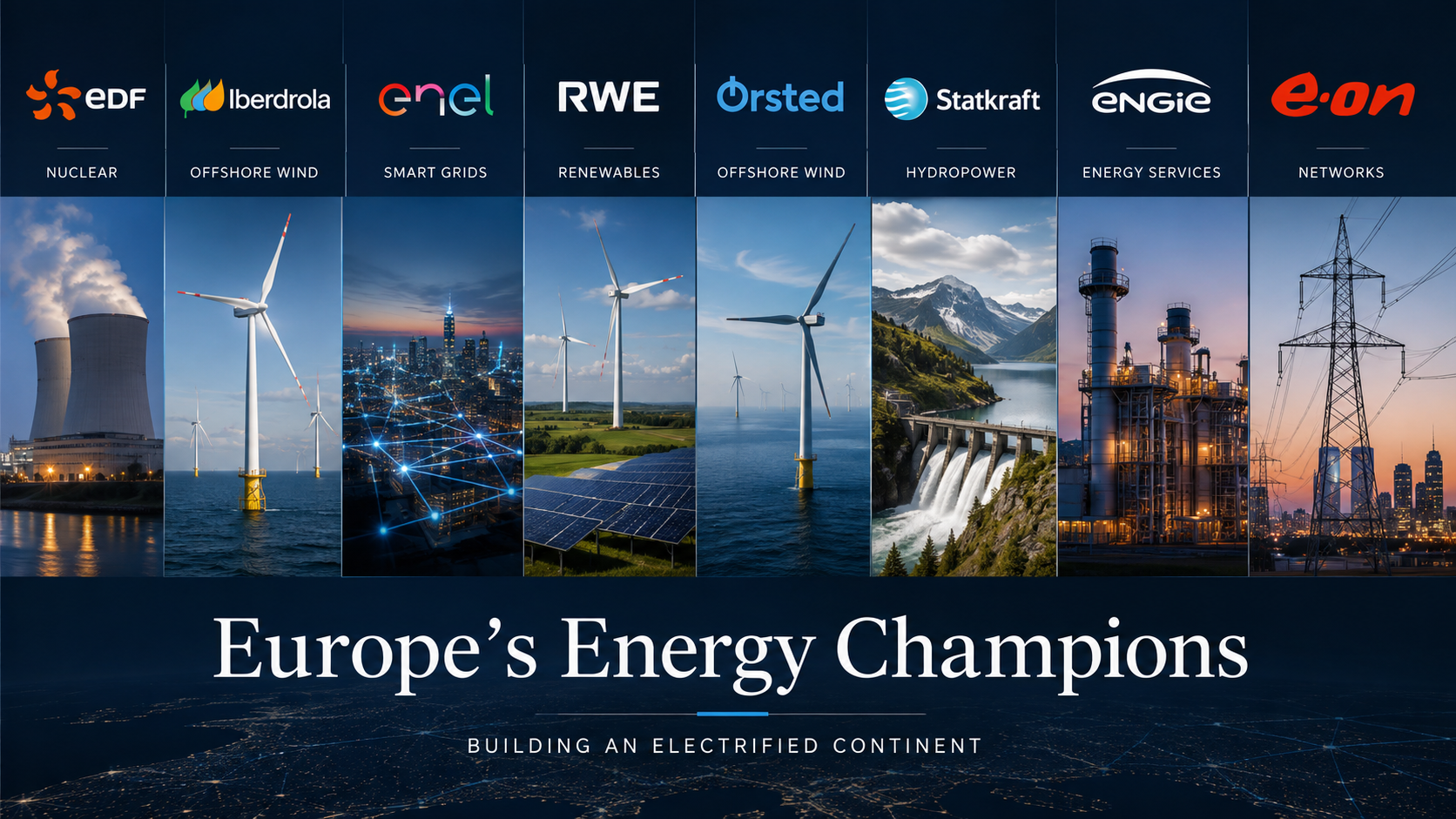
Europe’s energy transition is being shaped not only by technology, but by the organisations capable of financing, building and operating critical infrastructure. As electrification accelerates, Europe’s leading utilities are emerging as key architects of the continent’s increasingly interconnected energy system.
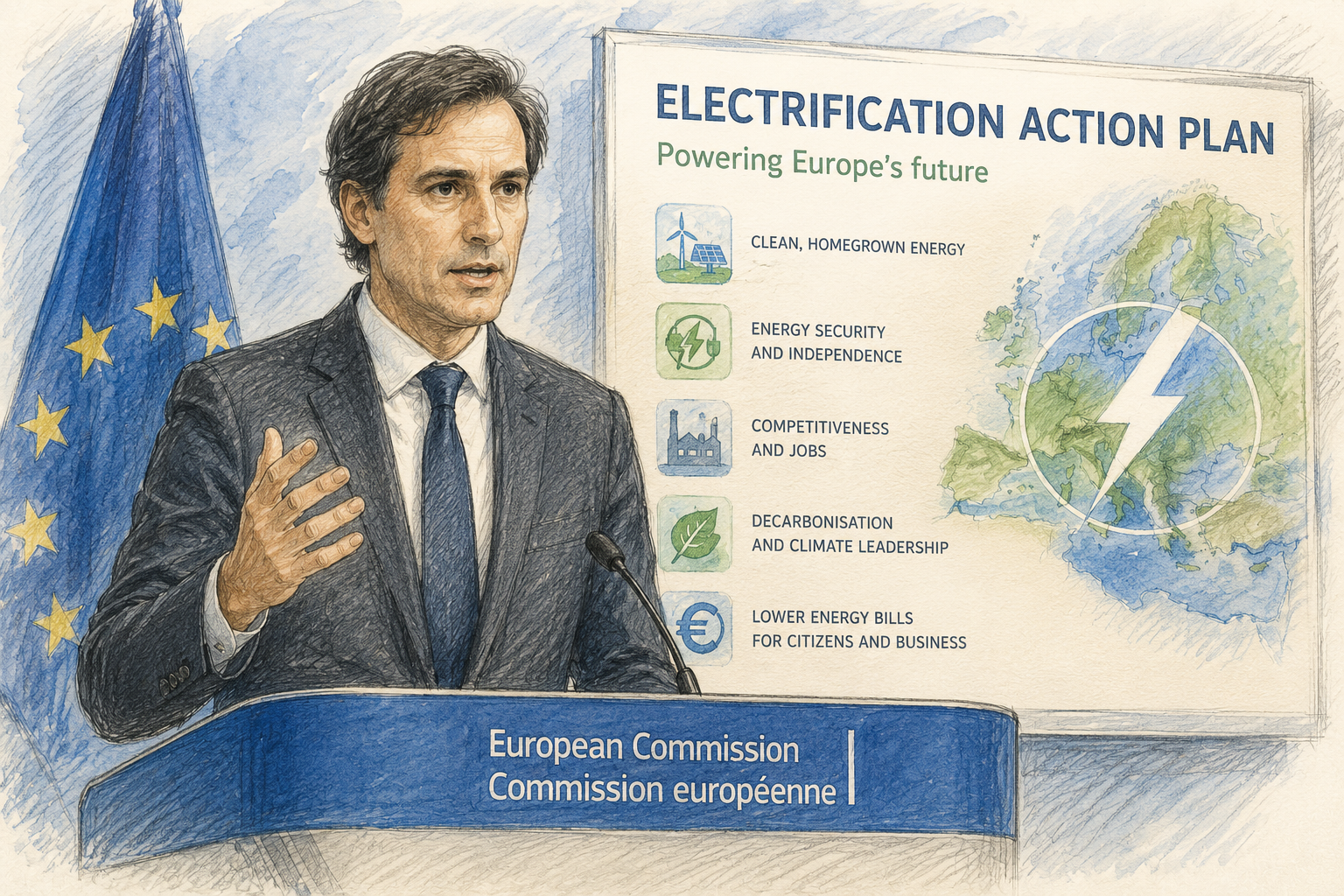
Europe’s ambition to become the world’s first electro-powered continent marks an important strategic shift. Yet electrification is not the final destination. It is the beginning of a far more complex challenge: designing the infrastructure, intelligence and institutions that allow an interconnected energy system to function.

Global trade appears fluid and resilient, but depends on a handful of narrow chokepoints. The Strait of Hormuz reveals how energy, logistics and geopolitics converge — and how fragile a system becomes when continuity is assumed rather than secured.

Europe faces a deciding moment in its energy transition. As industry, climate goals and geopolitics converge, the continent must choose between competing pathways — and determine whether nuclear power can anchor a stable, competitive and sovereign energy future. ⚡
