Wednesday, June 17, 2026
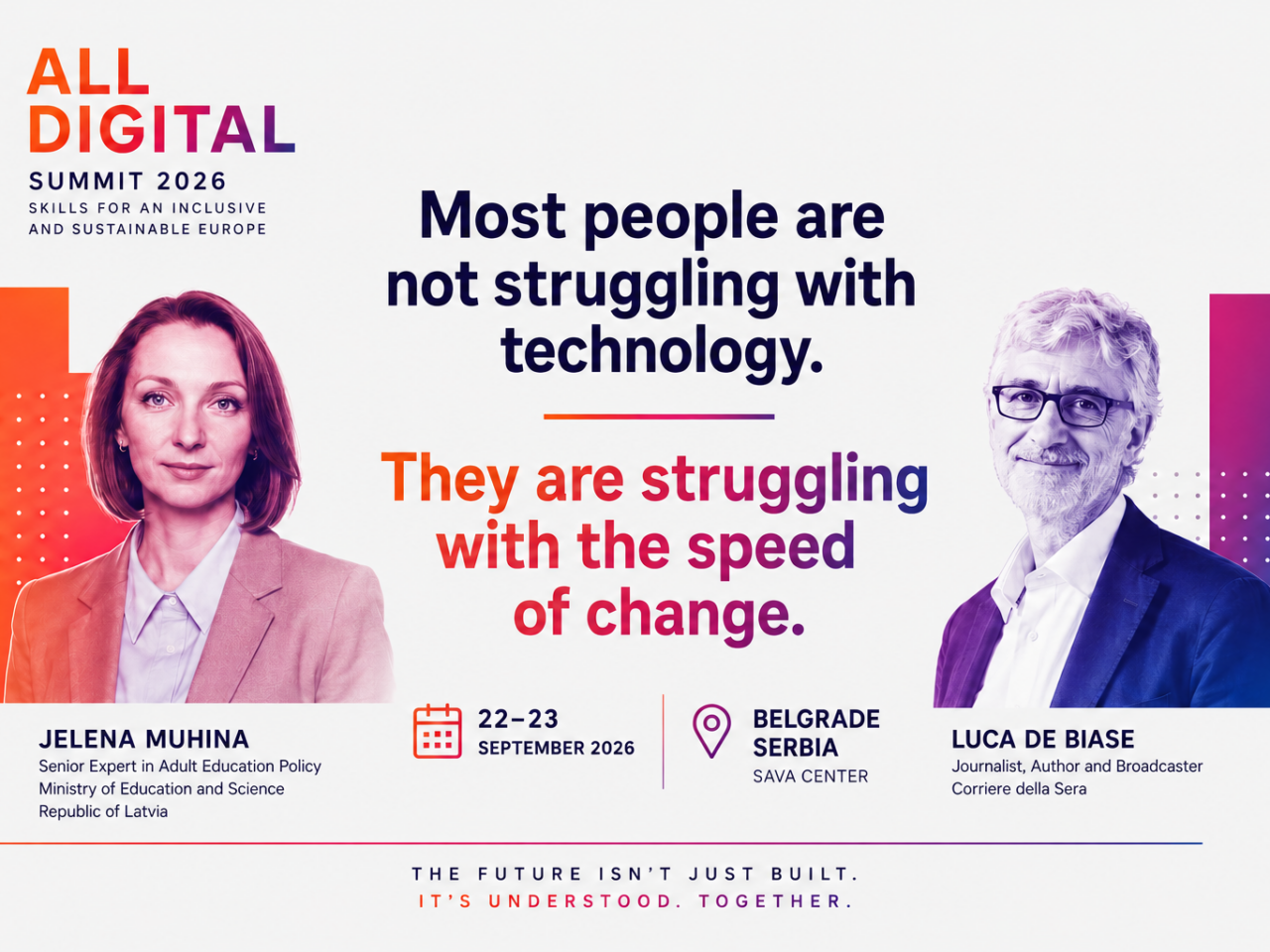
Many people share a quiet, persistent feeling: not that technology is becoming too complex, but that everything keeps changing faster than they can reasonably keep up. As Europe accelerates its digital transformation, a deeper question is emerging. Can societies adapt as quickly as the systems they create?
Read More
Saturday, June 13, 2026

Europe’s challenge is no longer simply competing with foreign companies. It is increasingly competing with state-backed industrial ecosystems. As strategic industries shift from products to infrastructure, Europe faces difficult questions about resilience, sovereignty and the future of open markets.
Read More
Friday, June 12, 2026

As e-commerce reshapes consumer behaviour, shopping centres are evolving into something far larger than retail alone. Across Europe, housing, hospitality, public space and daily services are increasingly converging into compact urban ecosystems where people live, work, meet and belong.
Read More
Friday, June 12, 2026

The future of Western Europe may depend less on any individual country than on the interaction between multiple forms of economic influence. Connectivity, complexity, specialisation, strategic capacity, openness and global reach together form an ecosystem whose resilience may become increasingly important in an age of fragmentation.
Read More
Friday, June 12, 2026
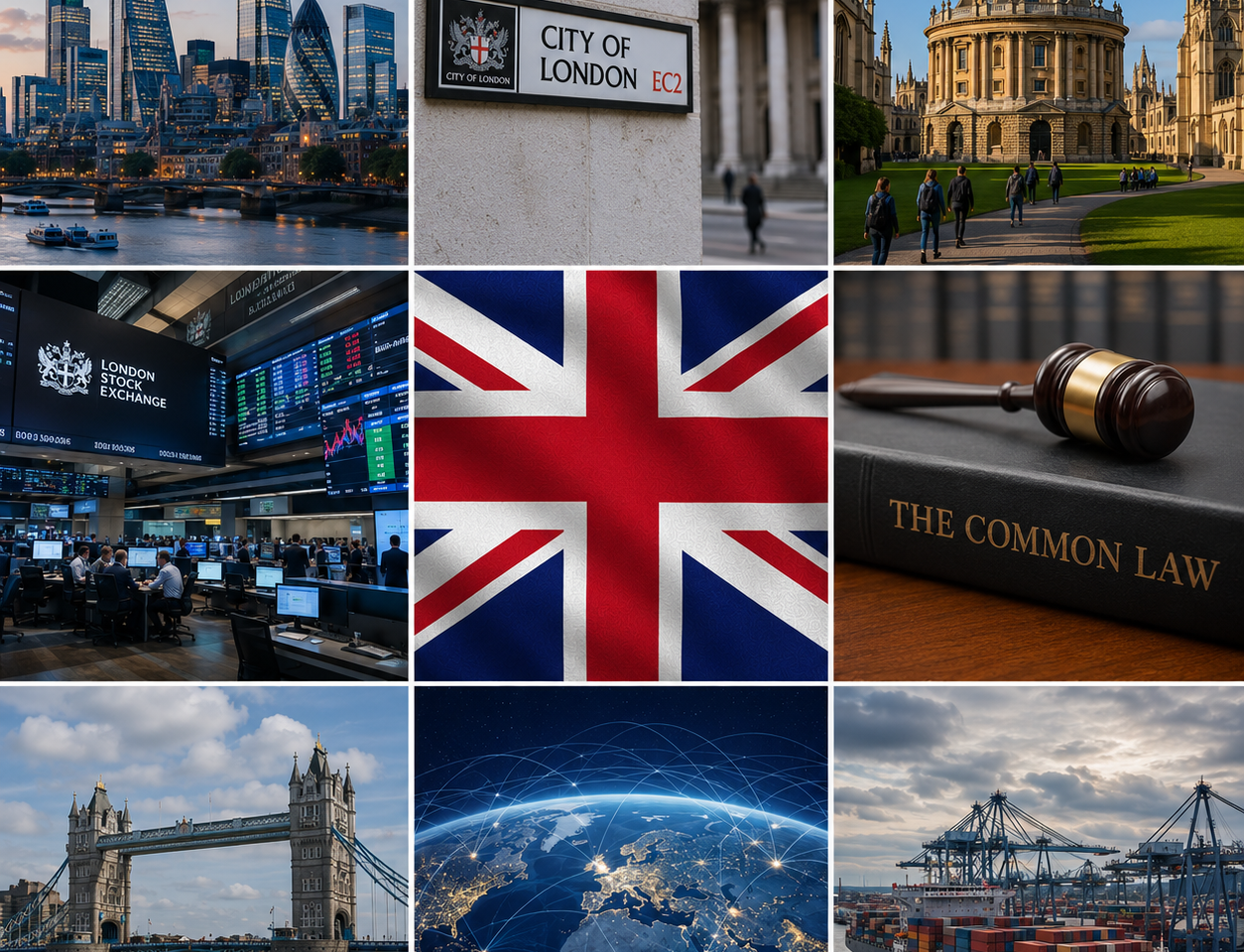
The United Kingdom remains one of the world’s most influential network economies. Through finance, law, education, research and global institutions, Britain continues to shape systems that extend far beyond its borders. Yet as economic security, industrial capacity and strategic infrastructure return to prominence, the country faces a new question: can global reach remain a source of power in an increasingly fragmented world?
Read More
Friday, June 12, 2026
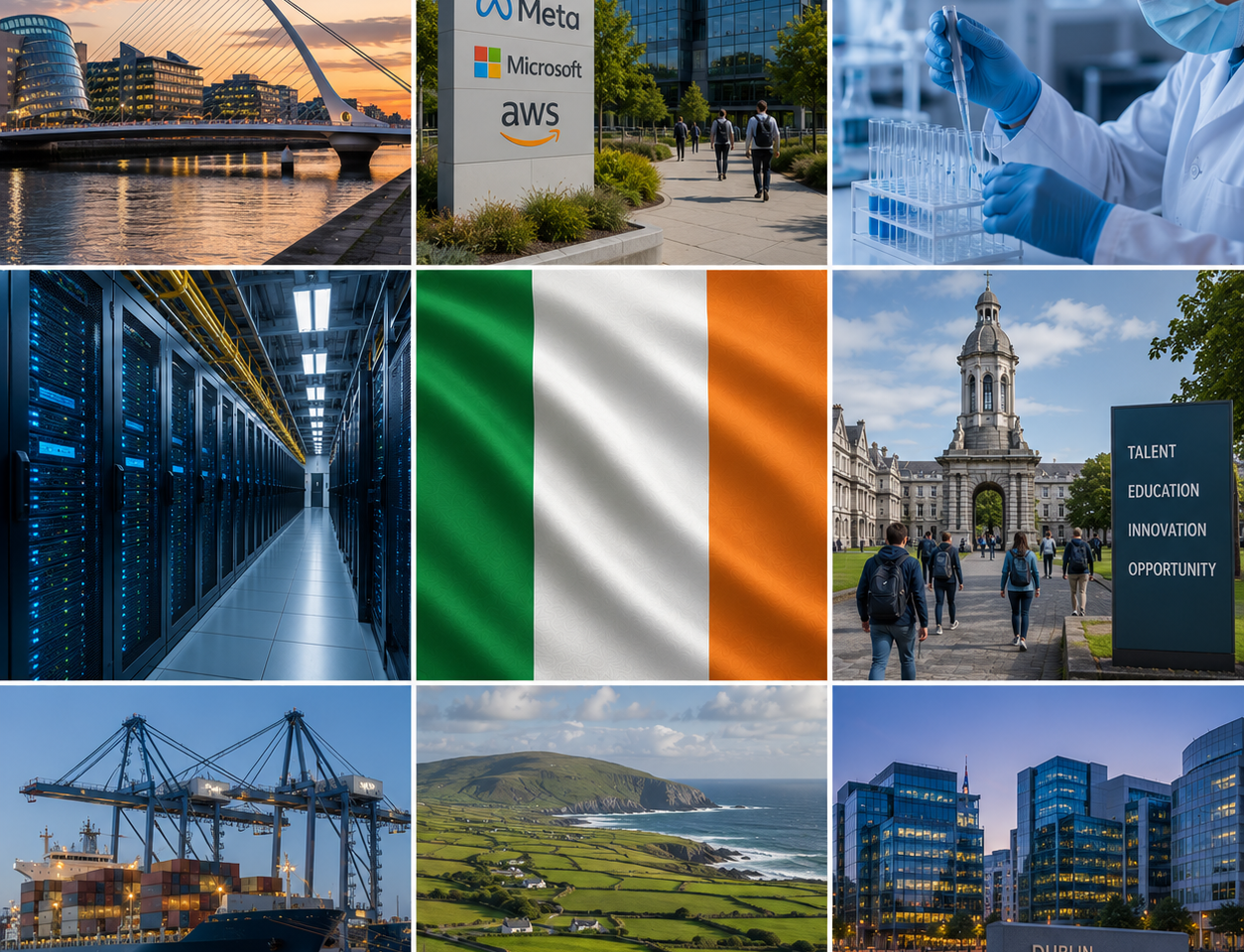
Ireland built its success on openness. Through education, foreign investment and global integration, it became a hub for technology, pharmaceuticals and digital services. Yet as globalisation evolves, the country faces a new challenge: transforming international success into long-term domestic resilience.
Read More
Thursday, June 11, 2026

While much of Europe embraced market liberalisation, France maintained a stronger belief in the strategic role of the state. Today, as debates over industrial policy, energy security and technological sovereignty return, France’s economic model appears more relevant than it has in decades.
Read More
Thursday, June 11, 2026

Luxembourg is one of Europe’s smallest countries, yet its influence extends far beyond its borders. Through finance, international institutions, satellite communications and strategic specialisation, the country demonstrates how expertise and indispensability can create influence beyond scale.
Read More
Thursday, June 11, 2026

The Netherlands has built its prosperity on connectivity. From ports and airports to digital networks and advanced technology ecosystems, the country functions as one of Europe’s most interconnected economic systems. Yet in a fragmenting world, the foundations of that model are increasingly being tested.
Read More
Friday, June 5, 2026
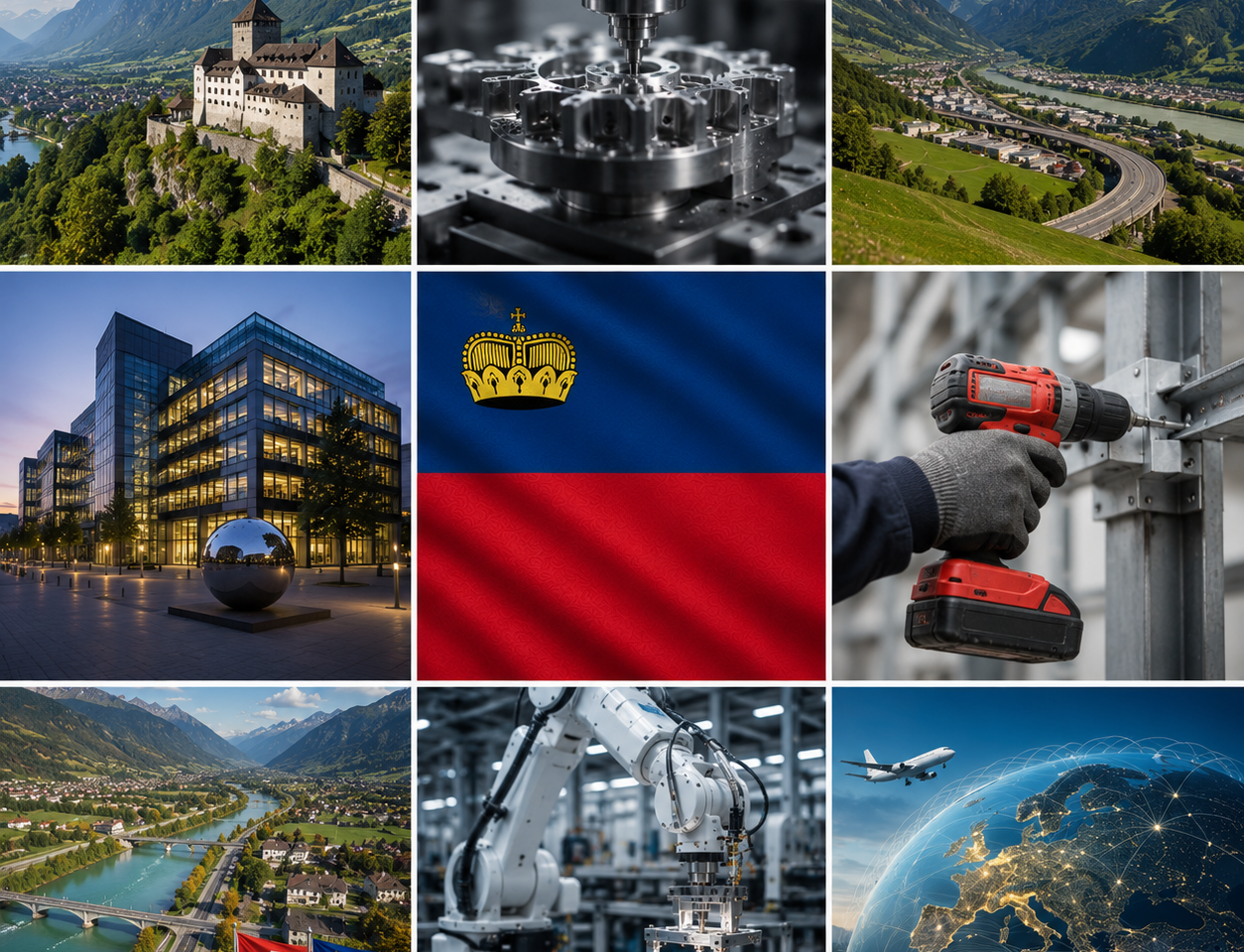
Liechtenstein is one of Europe’s smallest states, yet one of its most productive economies. Through specialization, precision engineering and global connectivity, the principality demonstrates how economic influence can emerge from density, focus and indispensability rather than scale alone.
Read More

 Available here: