Friday, February 13, 2026

Europe’s telecommunications sector is undergoing a structural redefinition. What was once treated as a competitive consumer market is now recognised as strategic infrastructure — a foundational layer for artificial intelligence, cloud computing, defence coordination and democratic governance.
Read More
Thursday, February 12, 2026

For most of the past three decades, each new generation of mobile technology followed a familiar Western script. Research was global, markets were competitive and standards were treated as neutral plumbing — slow, technical and largely apolitical. Power flowed from consumption: whoever deployed networks fastest and sold the most devices shaped the ecosystem.
Read More
Wednesday, February 11, 2026

In the corridors of power, venture capital has become a shorthand for “the future”. VC data is clean, quantitative and internationally comparable. It arrives in dashboards and league tables, translating uncertainty into upward curves. When the charts point up and to the right, a collective sigh of relief follows: innovation is happening.
Read More
Wednesday, February 11, 2026
Venture capital is often mistaken for a guide to the future. In reality, it reflects where confidence already exists. This essay explores why capital flows reveal momentum, not direction — and why policy needs a compass, not a mirror.
Read More
Wednesday, February 11, 2026
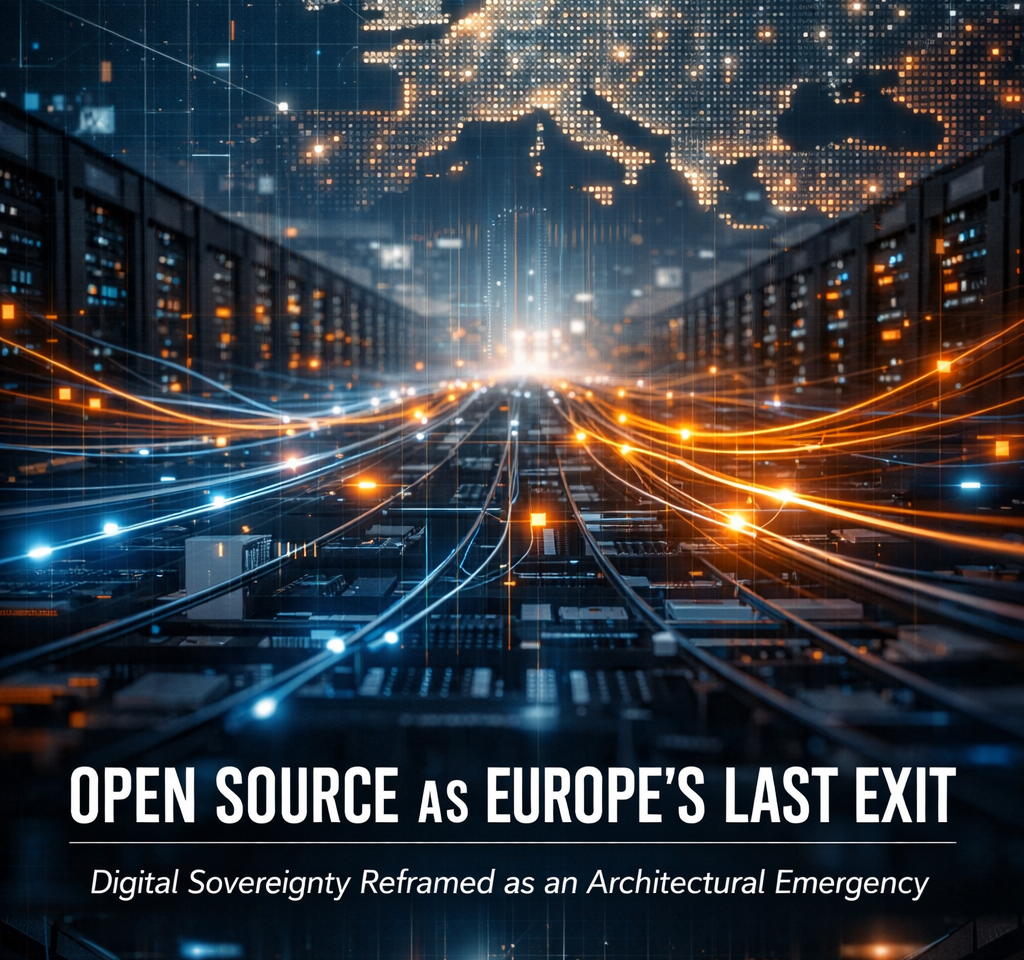
This article is prompted by a concrete intervention. In early 2026, Orange EU Policy submitted a formal contribution to the European Commission’s call for evidence on Open Digital Ecosystems. On the surface, it reads like a policy position on open-source software. Read more carefully and it reveals something else: a large European telecom incumbent signalling that the old proprietary model no longer offers strategic shelter.
Read More
Tuesday, February 10, 2026

Telecom in Greece is no longer a consumer market but strategic infrastructure. In 2026, AI, energy constraints and geopolitics determine who is allowed to build, operate and be trusted with networks. This essay traces Greece’s shift from price competition to power, sovereignty and control.
Read More
Tuesday, February 10, 2026

In the corridors of Brussels and the financial districts of Frankfurt and Paris, Europe’s Savings and Investment Union is still widely treated as a file for specialists. The debate revolves around insolvency law, supervisory frameworks, prospectus rules and fiscal harmonisation. It sounds manageable, technical — almost neutral.
Read More
Tuesday, February 10, 2026

As Europe’s political leadership fragments, the ECB has become the last institution still capable of long-term system thinking. In this essay, Christine Lagarde emerges not as a technocrat, but as Europe’s reluctant strategic conscience.
Read More
Tuesday, February 10, 2026
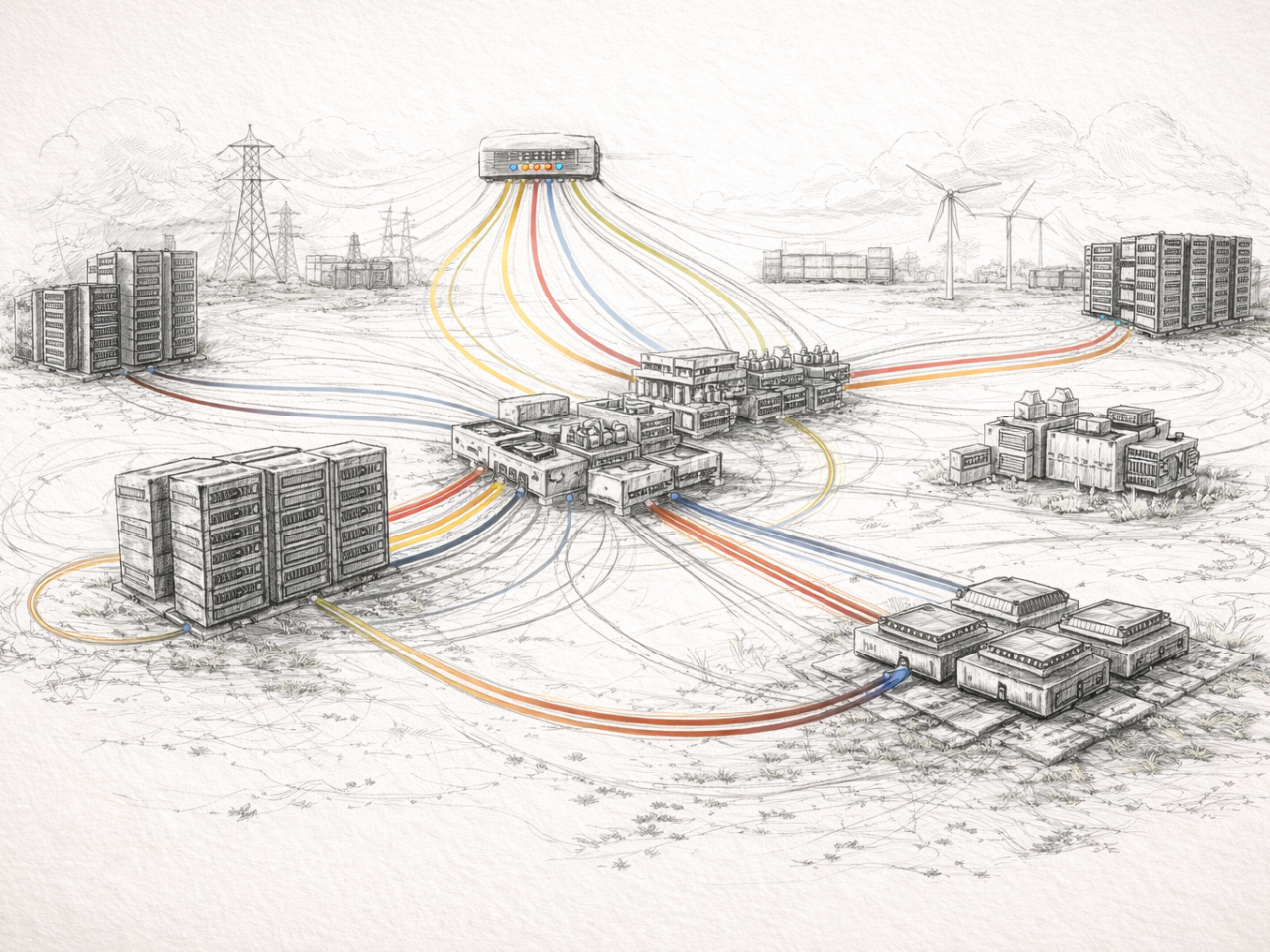
Modern data centers present themselves as the pinnacle of technological progress: dense racks, immense processing power and ever-growing capacity. Yet beneath this appearance of novelty lies a quieter truth. Most data centers today are not truly designed; they are inherited. Their structure reflects decades-old assumptions about how computation should be organised, scaled and cooled.
Read More
Monday, February 9, 2026

Data centers are no longer constrained by technology or demand, but by the physical limits of the energy system around them. As grid capacity and heat become decisive factors, digital infrastructure shifts from an IT optimisation challenge to a question of governance and system design.
Read More

 Available here: