Wednesday, December 3, 2025

AI is often discussed as a technology story, a policy headache or a race between continents. But if you step back, the most useful way to understand its trajectory is surprisingly traditional: the macro–meso–micro framework that economists have used for decades. It turns out to be an elegant map for a technology that is reshaping value creation from the planetary level down to individual workflows.
Read More
Tuesday, December 2, 2025
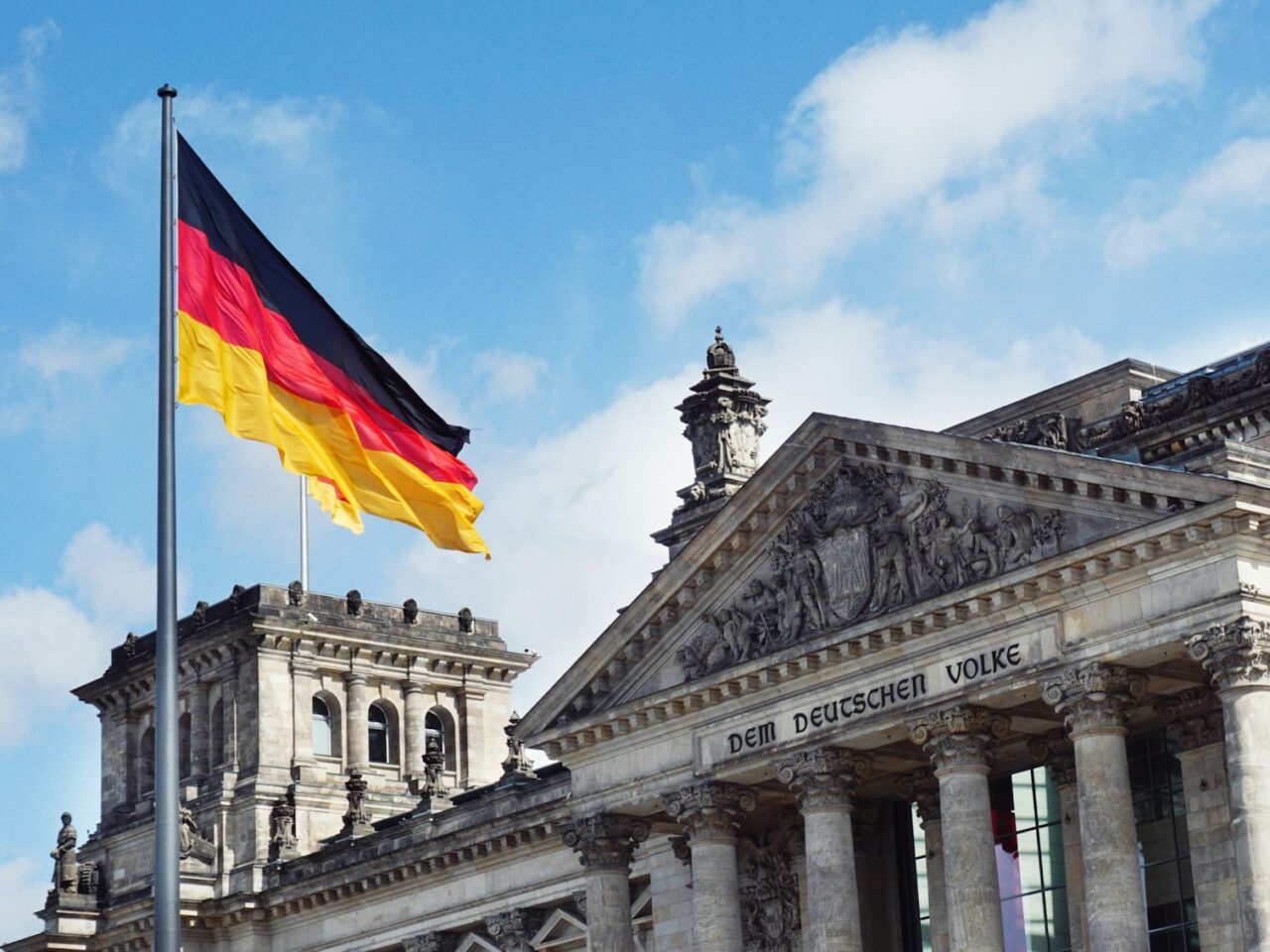
Germany is entering the AI era on its own terms—shaped not by big-tech platforms, but by engineering culture, industrial depth and a deliberate push for strategic autonomy. The country does not dominate global AI headlines, nor does it race to build frontier models. Instead, it is constructing something Europe may find far more valuable: an AI-enabled industrial backbone capable of delivering resilience in a decade defined by supply chains, energy shocks and geopolitical tension.
Read More
Sunday, November 30, 2025

AI is not a technological upgrade but a structural rupture. For the first time in two centuries, a technology wave is not merely reorganizing labor but actively absorbing cognitive work at scale. Tasks that once required teams of analysts, developers, legal staff or financial specialists can now be executed in minutes. This is not automation as we knew it; it is capability displacement in its purest form.
Read More
Sunday, November 30, 2025

Quantum computing is advancing fast — but the hype moves even faster. Google and IBM signal real progress, yet practical impact remains narrow. The race has begun and Europe must decide whether to lead or observe.
Read More
Friday, November 28, 2025

No European country concentrates more frontier AI capability per square kilometer than the United Kingdom. Nowhere else do DeepMind, OpenAI’s UK operations, Anthropic UK, Stability AI, a world-class academic cluster and an emerging safety ecosystem sit within one tightly connected corridor.
Read More
Friday, November 28, 2025
Germany does not dominate headlines in the global AI race. It does not chase frontier models with the same fervour as the United States or China. Instead, Germany is building something far more structurally important: an AI-enabled industrial base that underpins Europe’s economic strength—and increasingly, its strategic autonomy.
Read More
Friday, November 28, 2025

Europe is entering a decisive phase in its technological trajectory. While the global AI race is often framed as a binary contest between the United States and China, the real story is more complex. Europe is quietly, sometimes reluctantly, shaping itself into a multi-node AI power structure—one built on industrial strength, democratic governance and a patchwork of national strategies that do not always align but together form a distinctive technological identity.
Read More
Tuesday, November 25, 2025

Artificial intelligence dominates today’s technology conversation. Companies call it the new electricity, investors chase it like a modern gold rush and governments view it as a strategic asset. Yet one simple question sits underneath all this excitement: how big is the AI market? And even more importantly: what is the AI market, exactly?
Read More
Monday, November 24, 2025

When the world talks about technological leadership, the conversation is dominated by the United States and China. The U.S. builds hyperscale AI platforms and attracts the world’s largest pools of venture capital. China orchestrates state-directed innovation and industrial ecosystems at a scale that few nations can match.
Read More
Monday, November 24, 2025
In an era dominated by AI giants and trillion-dollar software platforms, Europe’s most important technologies aren’t being built in London, Berlin or Paris — but in a small Dutch region best known for precision engineering, manufacturing excellence and a century of industrial R&D.
Read More

 Available here: