
Cities in Europe are evolving from passive infrastructure into strategic interfaces. This first Perspective explores how design, data and governance converge under the New European Bauhaus to reshape how space creates value, influences behaviour and distributes power.
Building Europe: Design, Power and the New Urban Economy

How Europe is redesigning its cities as instruments of policy, value creation and societal transformation
A series exploring how design, technology and governance reshape European cities into strategic assets for resilience, growth and identity.
Across Europe, a quiet transformation is underway. Under the banner of the New European Bauhaus, cities are no longer seen as static environments but as dynamic systems where policy, economics and culture intersect. From urban redesign and sustainable materials to citizen participation and new value models, this series examines how Europe is shaping its future through the spaces it builds—and who ultimately holds the power in that process.
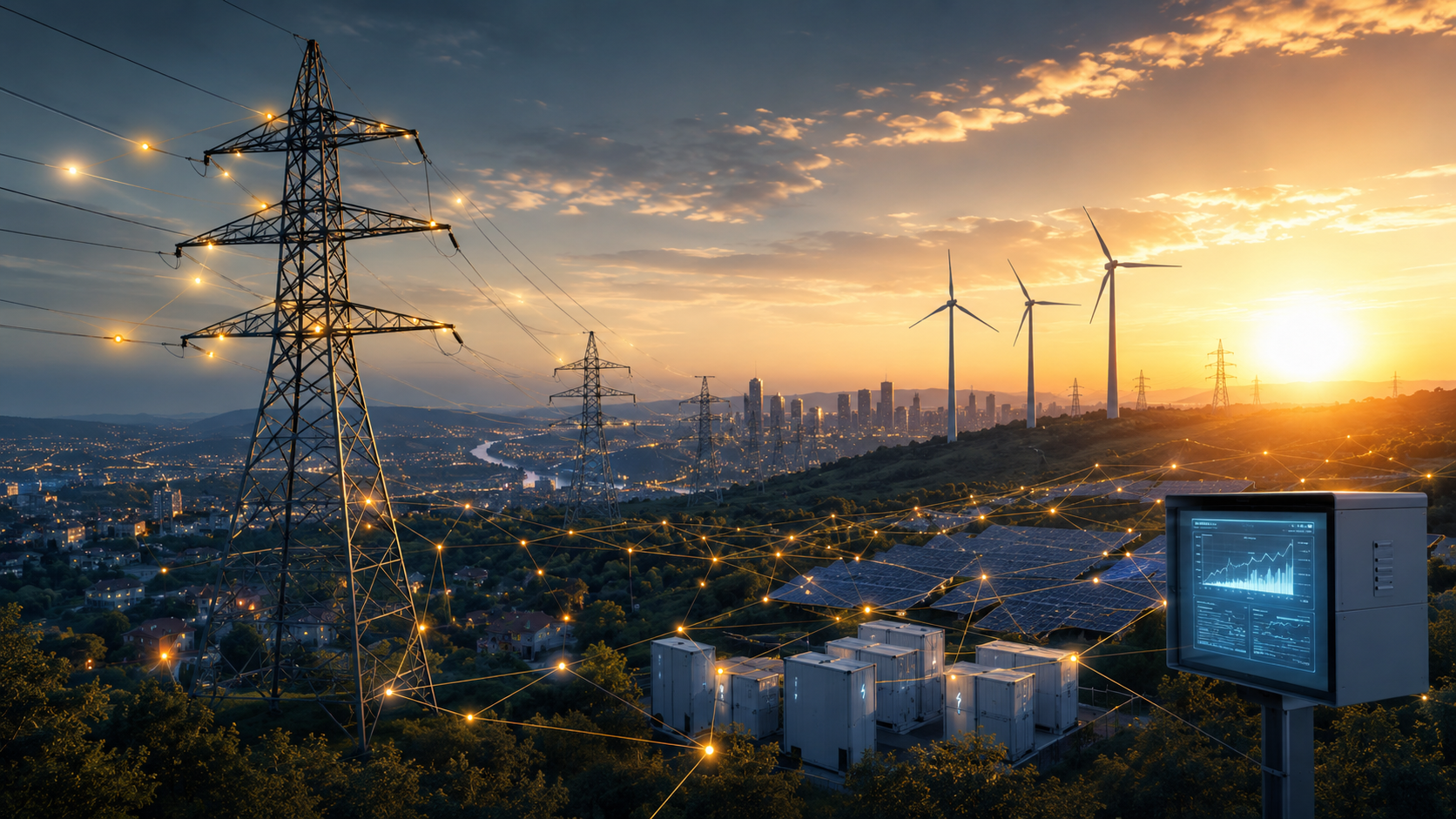
Europe’s energy transition is increasingly becoming a coordination challenge. As millions of producers, batteries and data centres reshape electricity flows, the grid is evolving from static infrastructure into a dynamic system designed to manage space, stability and complexity in real time.
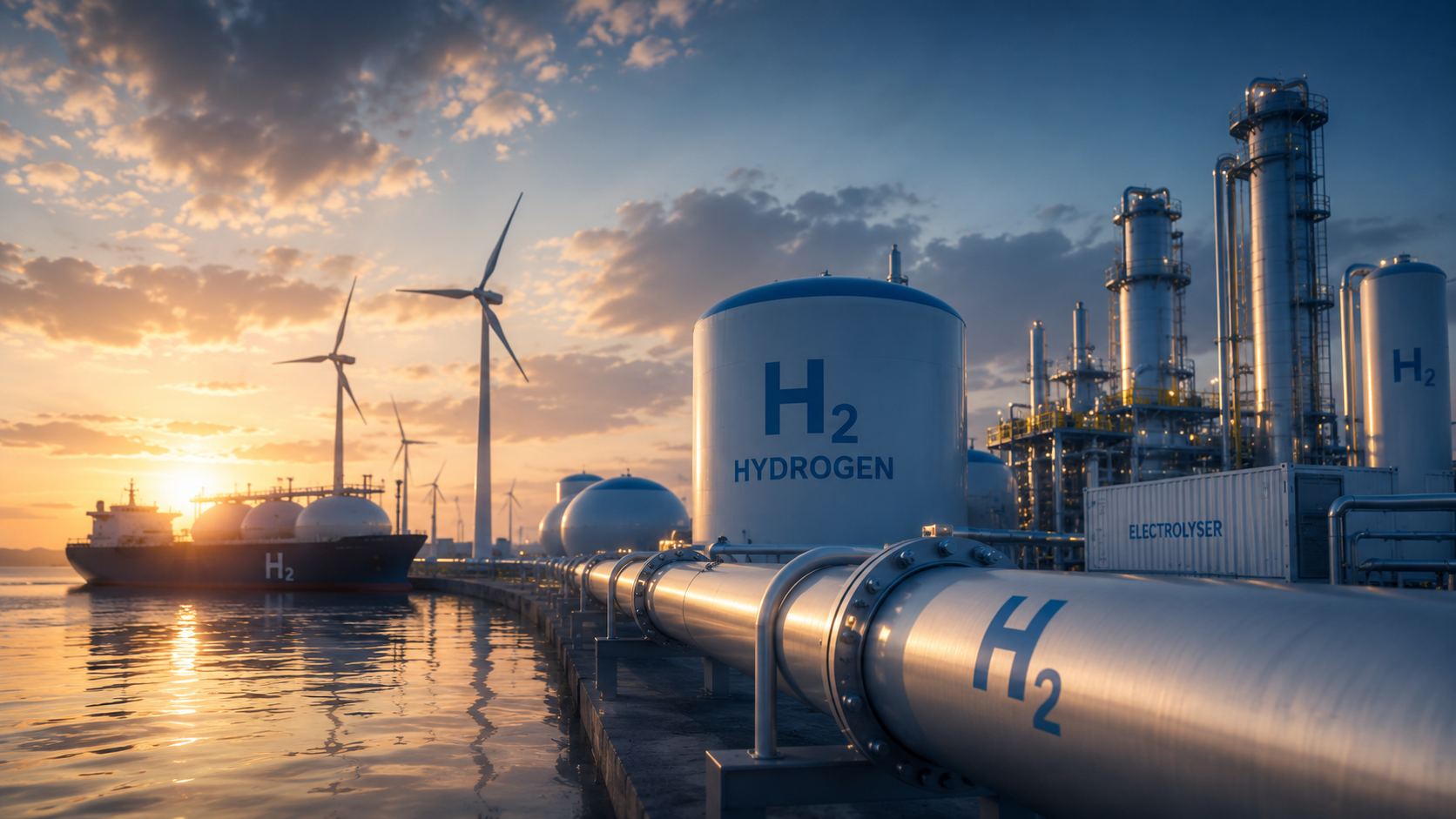
Hydrogen is often presented as an energy technology. Yet its deeper significance may lie elsewhere. As Europe seeks to decarbonise industry, transport and chemistry, hydrogen is emerging as a mechanism for storing, transporting and coordinating matter itself.
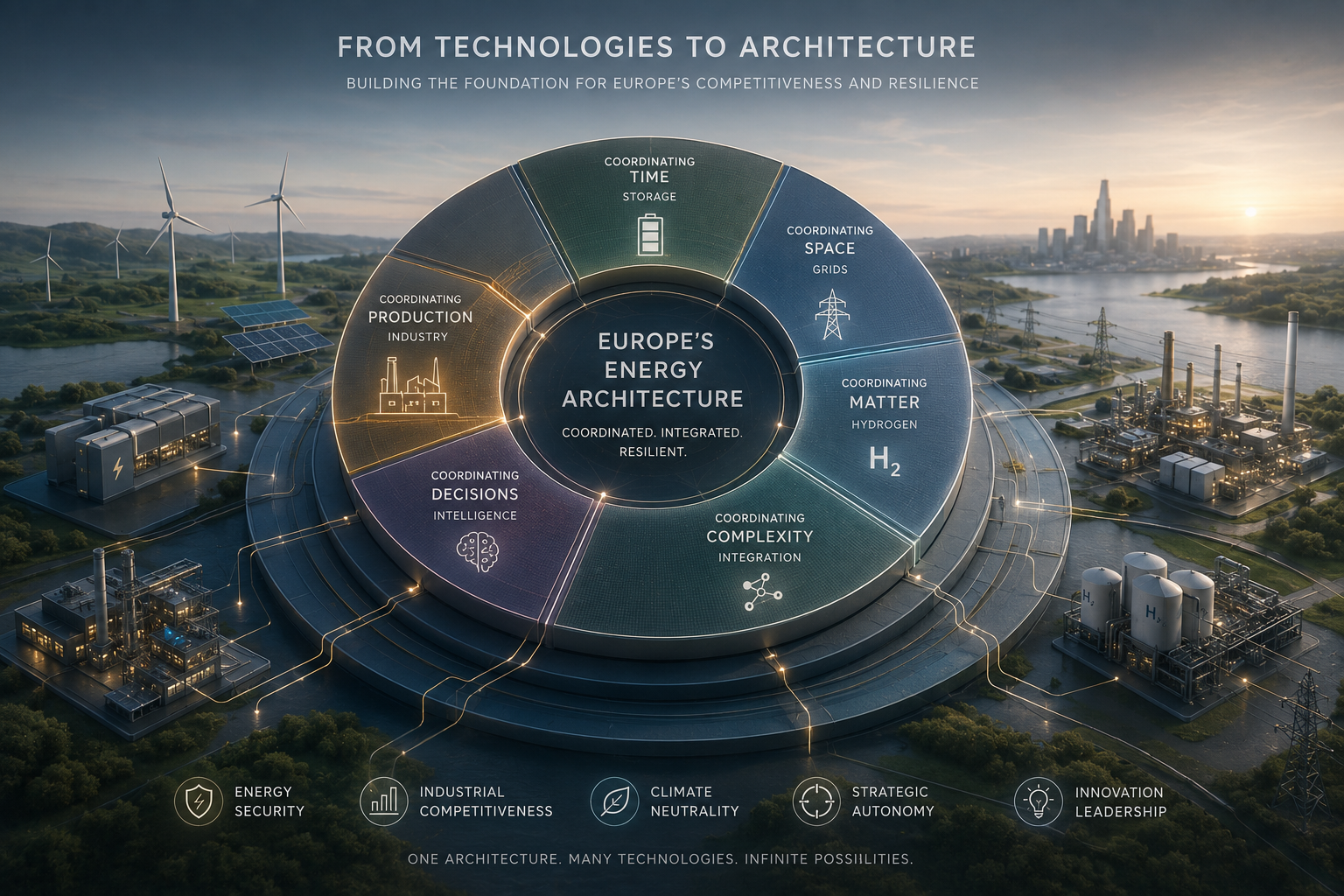
Europe’s energy transition is evolving beyond individual technologies. Storage, grids, hydrogen, digital systems and industrial transformation are converging into an integrated energy architecture in which infrastructure, intelligence and institutions increasingly function as one coordinated system.
