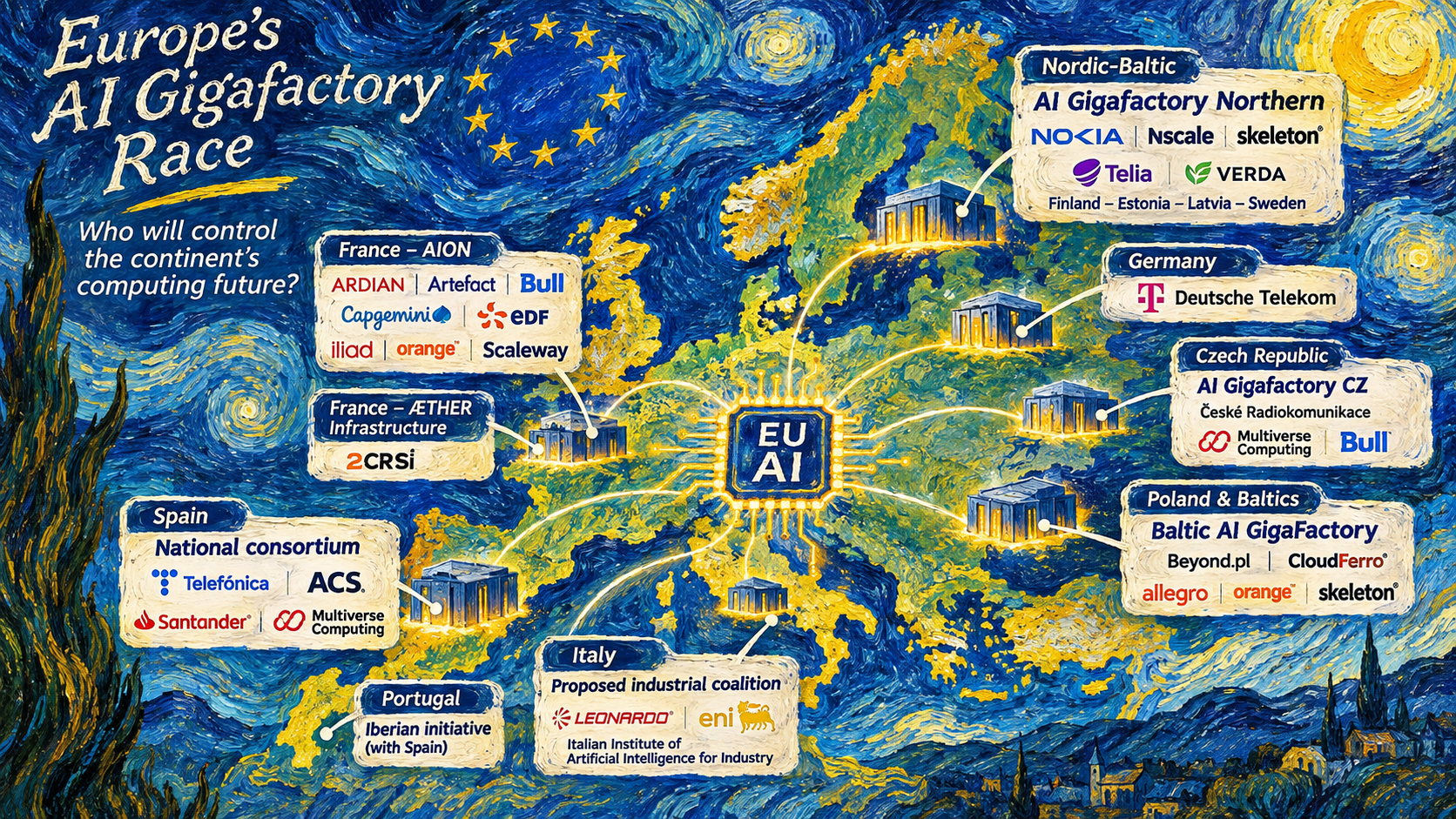
As Nokia joins Europe’s AI gigafactory race, industrial coalitions across the continent are competing to build the next generation of computing infrastructure. But who will control the technology, investment and economic value behind Europe’s AI ambitions?
Digital Infrastructure
The digital networks, platforms and data systems that enable connectivity, digital services and the functioning of the modern digital economy.
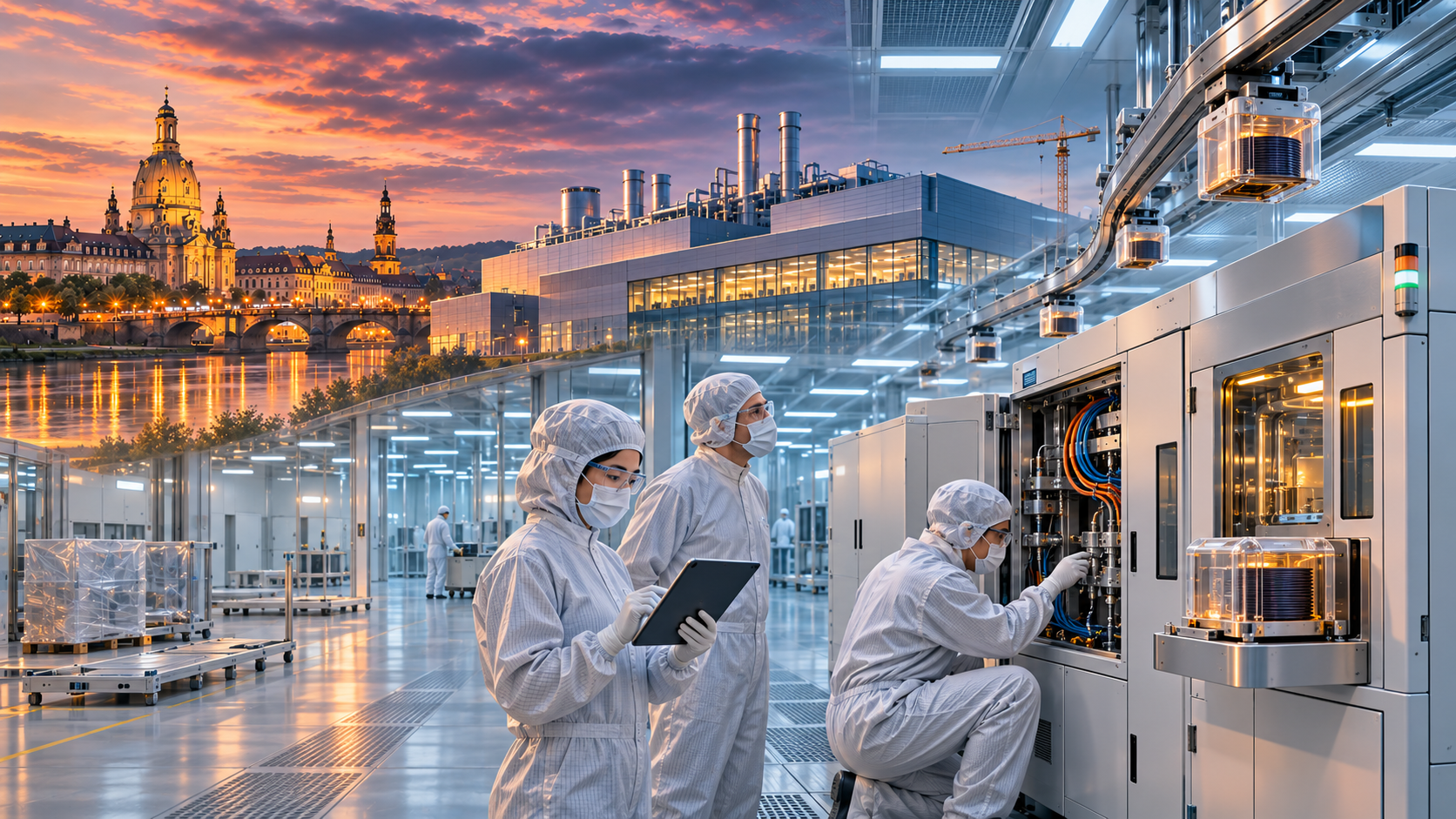
ESMC is preparing its Dresden factory for machine installation in 2027. Can the planned investment of more than €10 billion deliver reliable chips at a competitive cost—and give smaller European customers access to production?
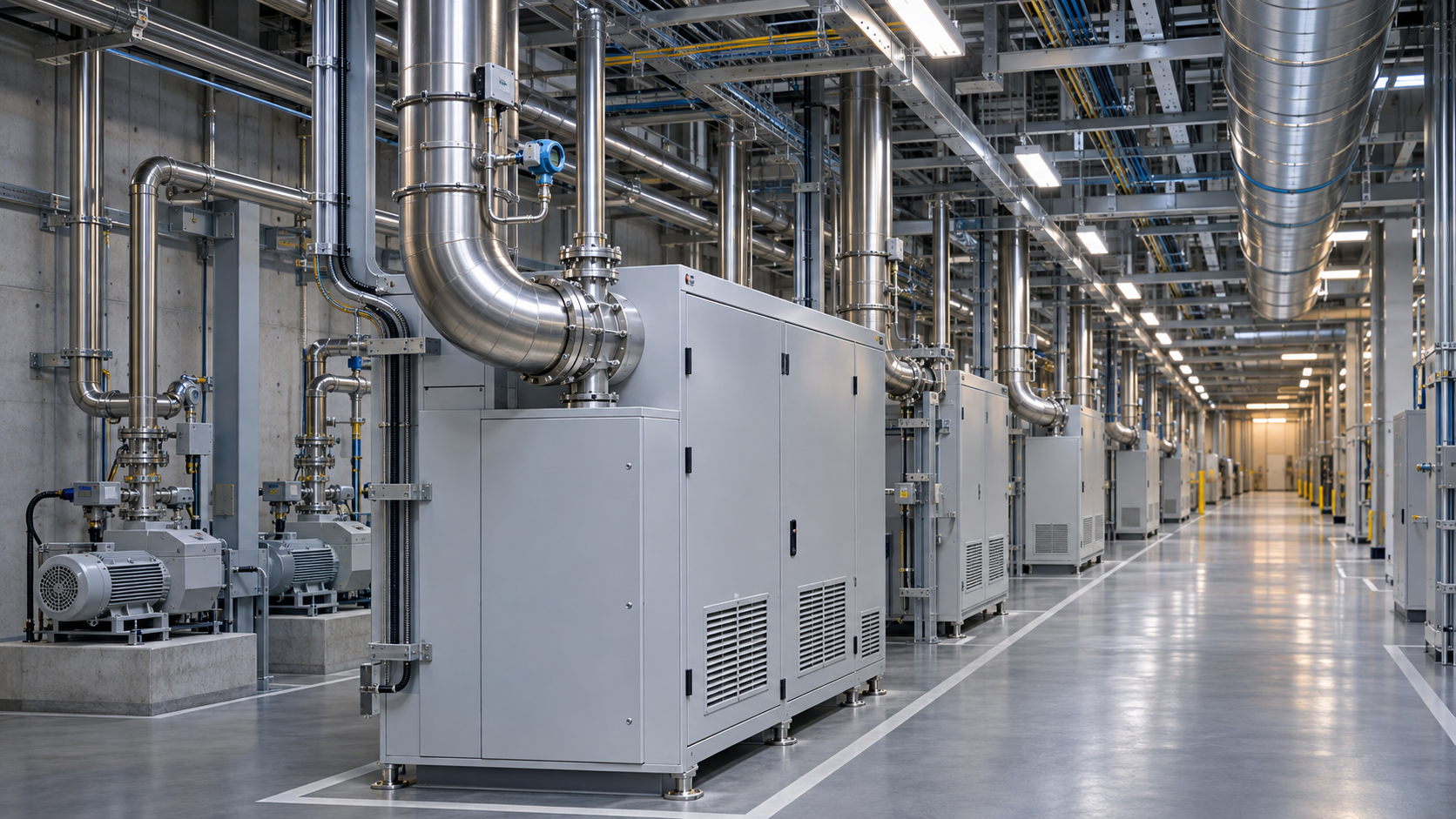
CEA-Leti and ISRL have launched SubFAB Labs to study what chip manufacturing releases into exhaust gases and wastewater. The Grenoble pilot line will help suppliers test sensors and treatment systems under conditions that resemble industrial production.

Europe’s scale-up financing announcement combines around €2 billion in fund commitments with more than €8 billion in investment intentions. The test is whether European fund managers can lead the large equity rounds that technology companies need to expand.

Early pilots with Mistral helped ASML identify certain machine faults more than 70% faster while matching engineers’ accuracy. The next test for Europe’s industrial AI is commercial: can another manufacturer use the same approach on different equipment without paying for a bespoke engineering project?

Europe’s breakthrough technologies need customers prepared to use them. As the EIC’s 2027 Work Programme strengthens support for market adoption, six questions examine what turns a successful pilot into a paid deployment—and a first order into a scalable business.
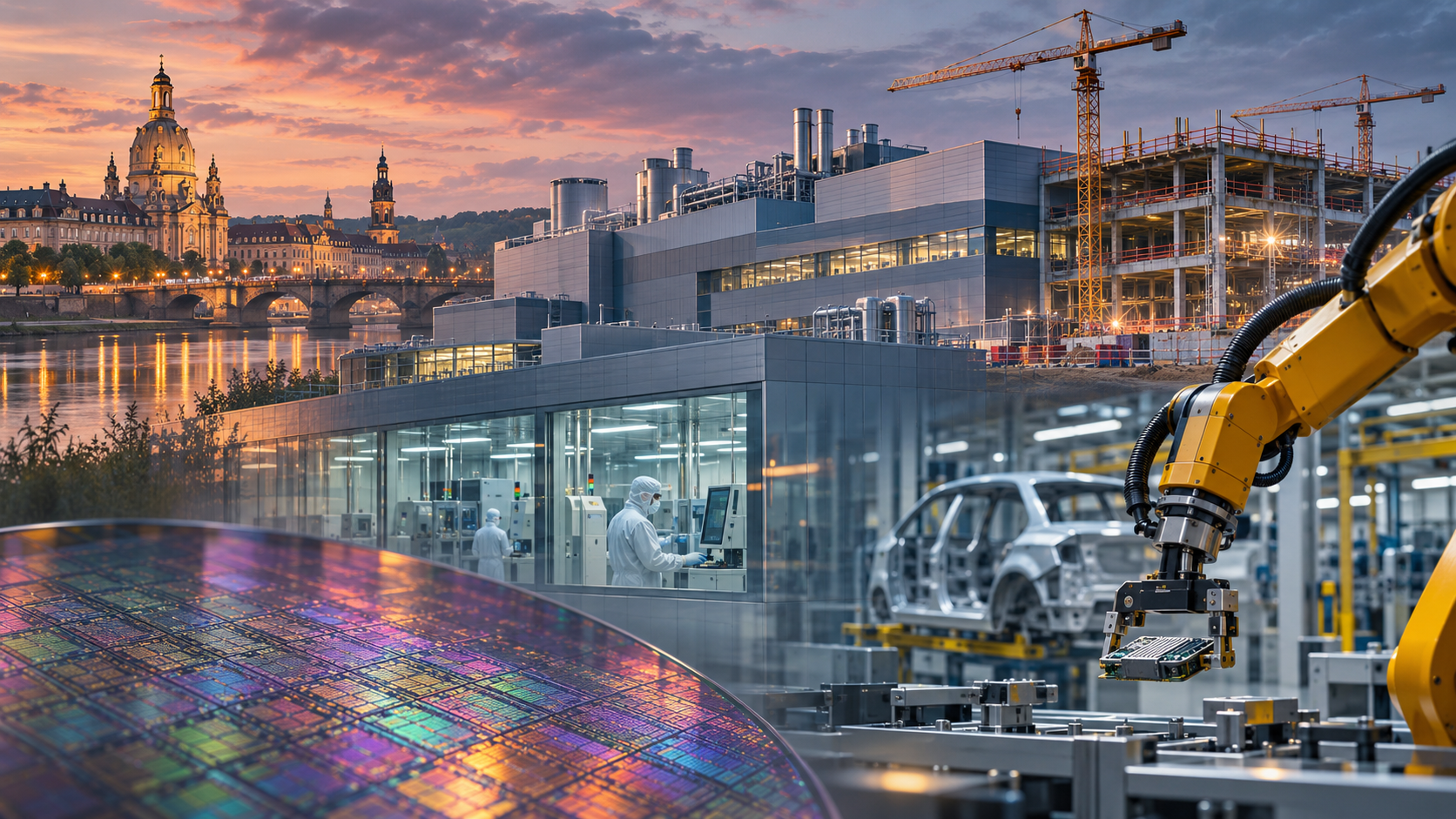
GlobalFoundries is investing €1.1 billion to expand chip production in Dresden. The project strengthens Silicon Saxony’s manufacturing base—but who will use the extra capacity, what makes European production competitive, and what should Europe receive for its public support?
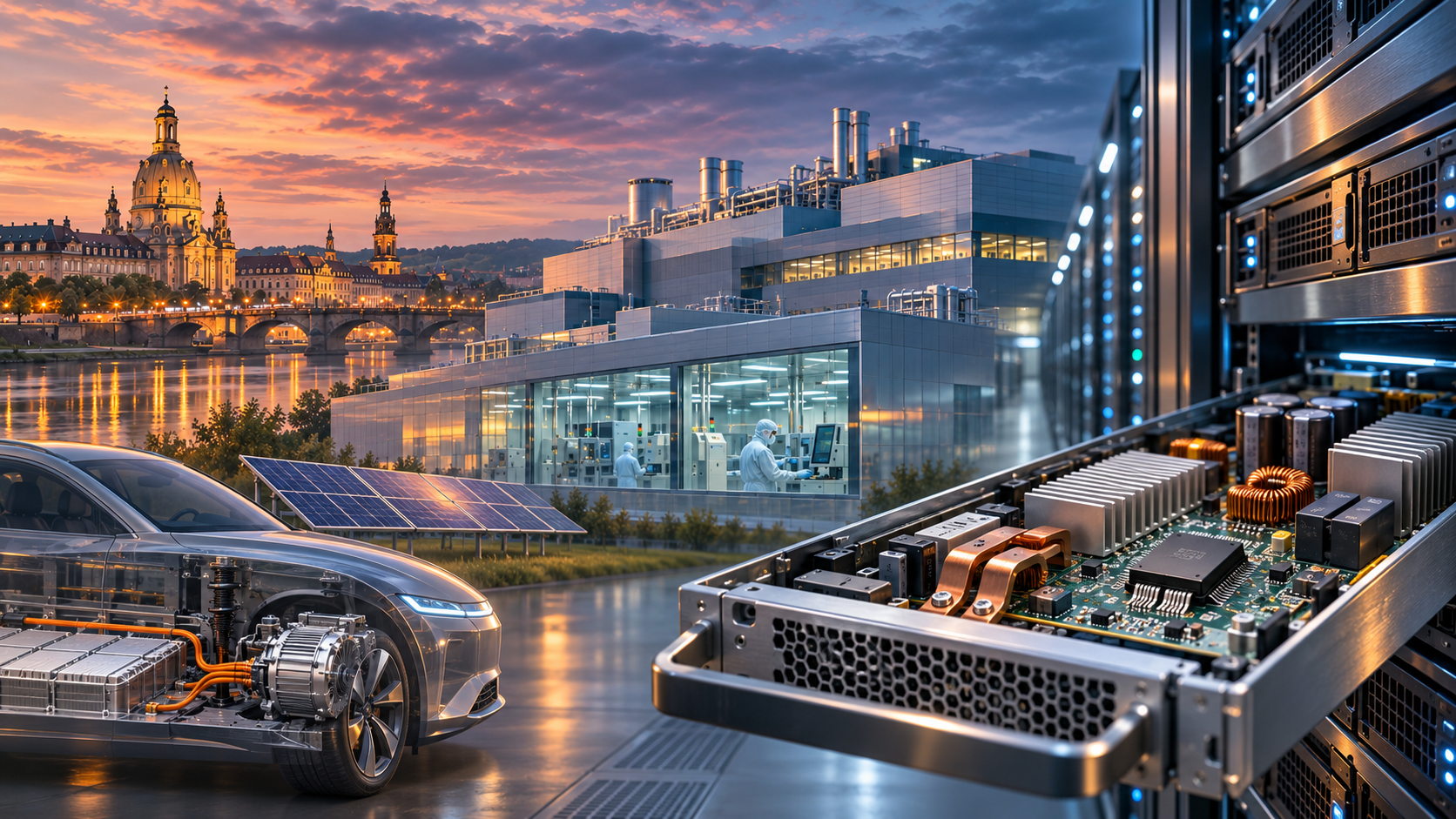
Infineon’s €5 billion Dresden factory expands Europe’s capacity to make chips that control electricity in AI data centres, electric vehicles and energy systems. Can equipment makers turn better power conversion into products customers buy in volume?

Artificial intelligence relies on mathematics, but the same calculations can be performed through different physical processes. What changes when light, rather than electronic circuits, helps process information? ‘The Age of Light’ explores how mathematics and physics together could open new possibilities for computing.
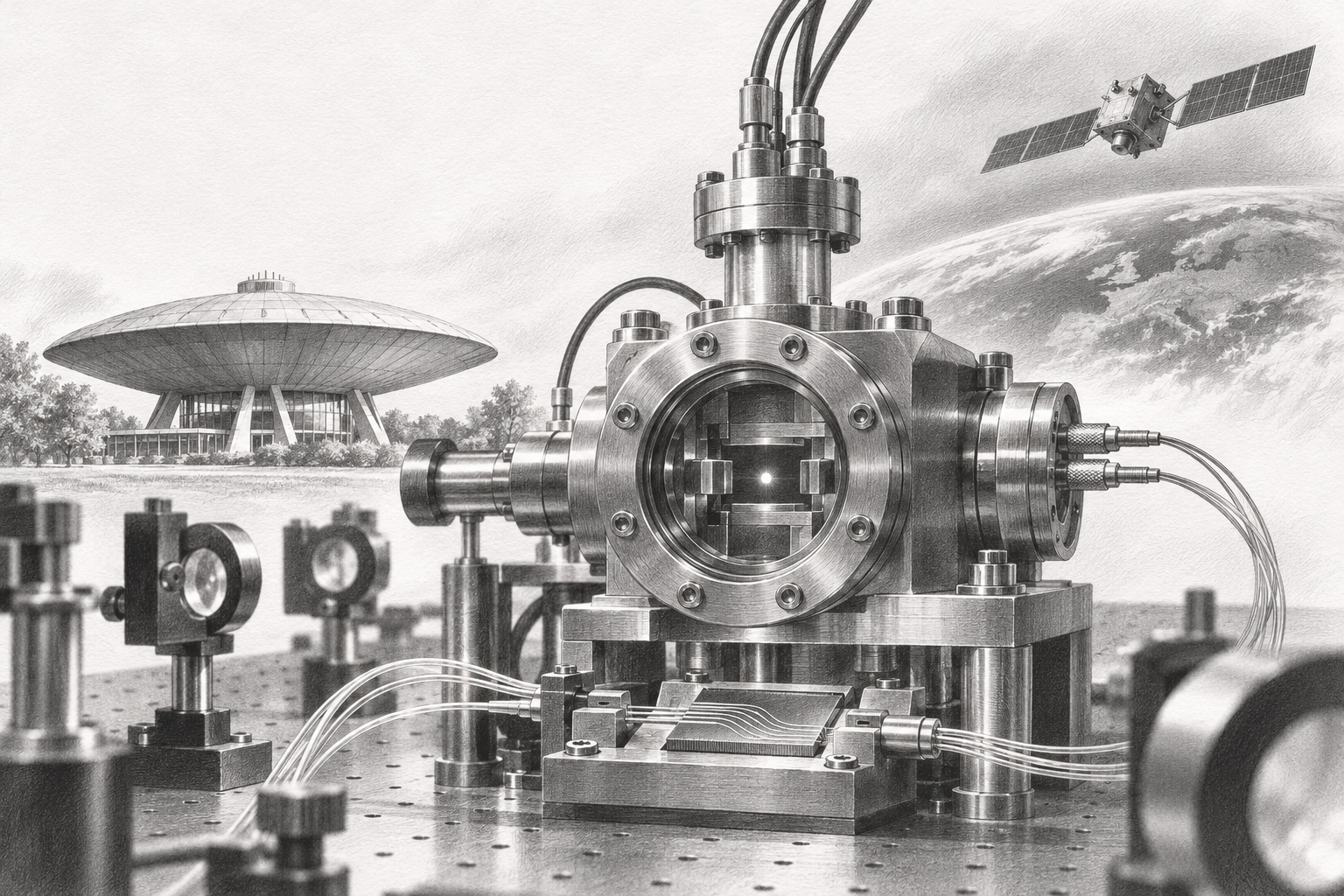
Amsterdam-based EpoQ has won PhotonDelta’s photonics contest for its plan to develop a compact atomic clock. The award provides technological services to help shrink precision timekeeping equipment for potential use in satellites, navigation and scientific instruments. A working prototype and first customers remain the next milestones.
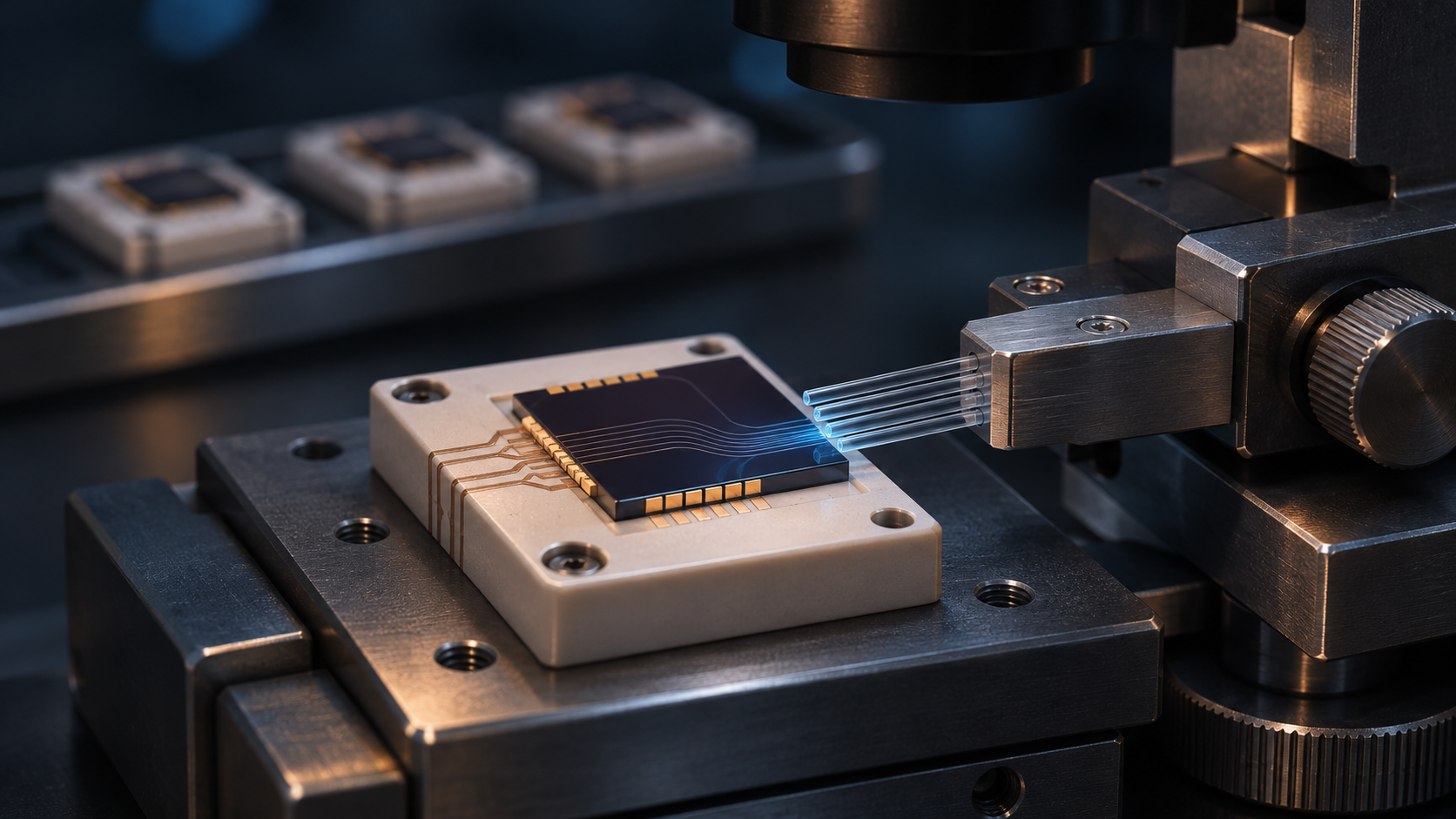
A photonic chip can pass its first test and still fail as a finished module. Drawing on PIC Summit Europe and the PHIX–SENKO collaboration, Altair Media Europe examines how fibre alignment, packaging and testing determine whether manufacturers can deliver reliable modules at scale.
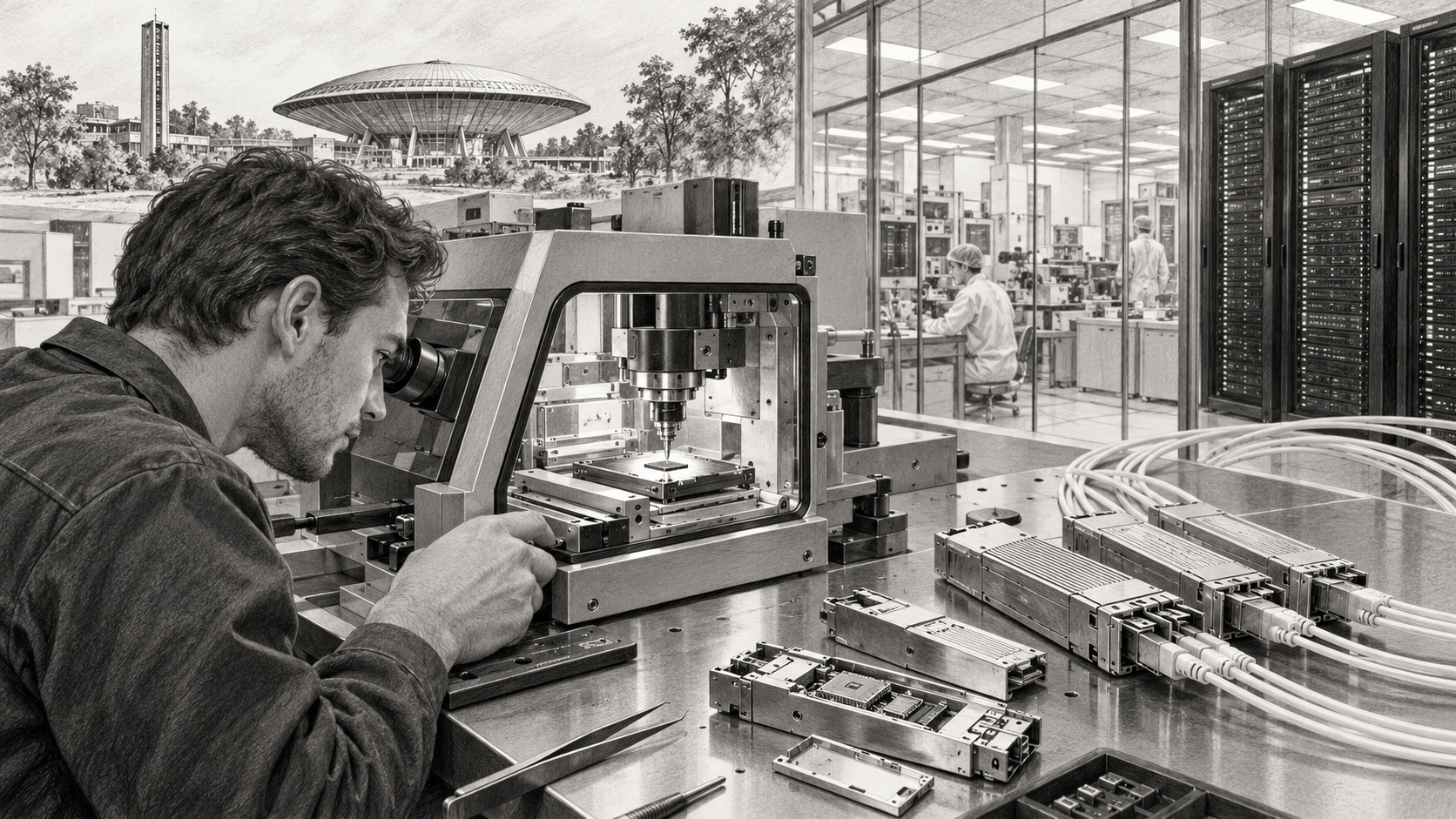
SMART Photonics and GlobalFoundries plan a joint manufacturing service combining Eindhoven’s light-producing components with silicon photonics. Targeting availability in the second half of 2027, the partnership offers a potential route to international customers—with qualification, delivery conditions and commercial adoption still to follow.
