The Budget That Cannot Wait
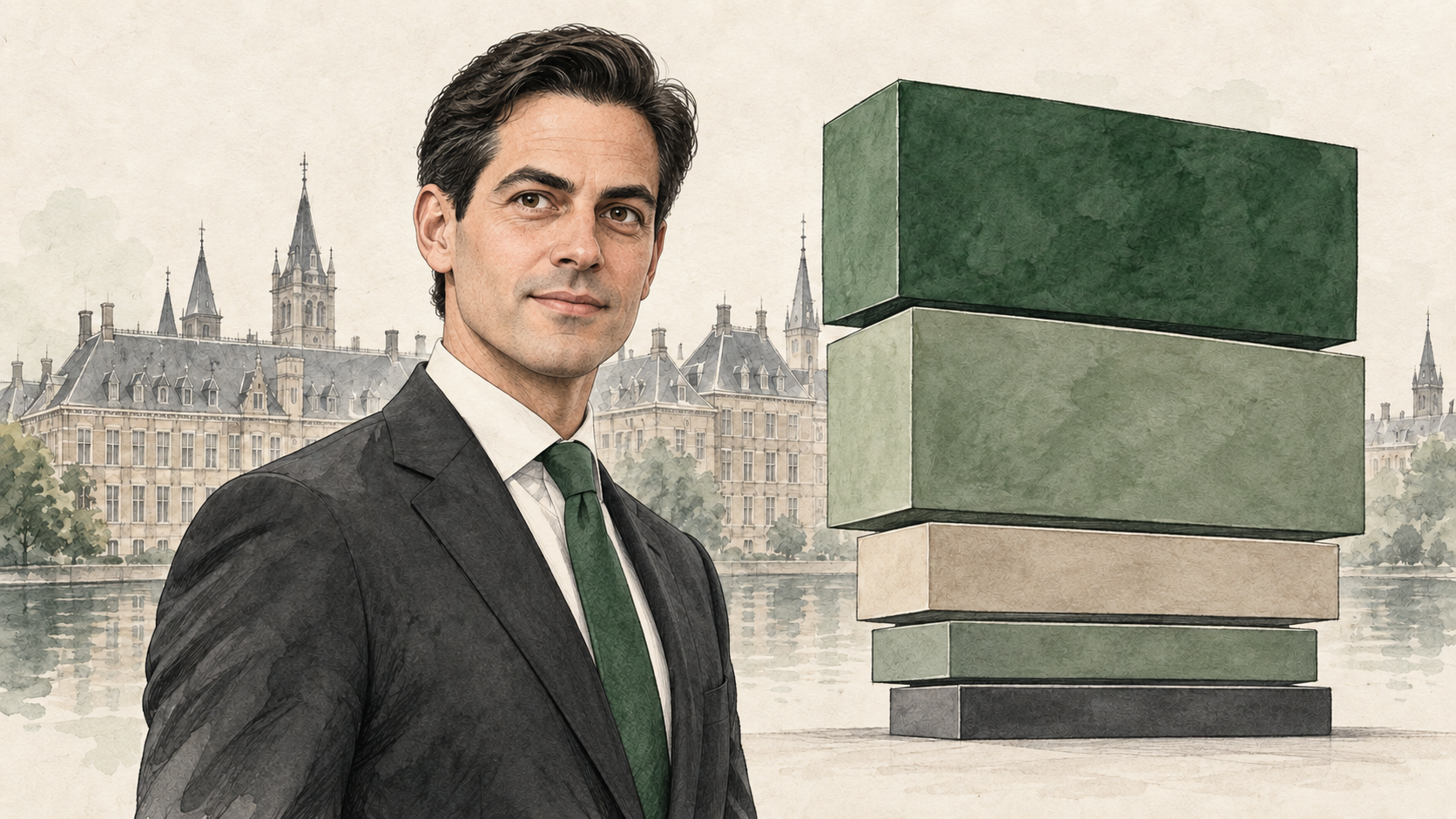
The Netherlands’ €516.8 billion question: can a minority government fund tomorrow while negotiating its way through today?
The Dutch government plans to spend €516.8 billion in 2027. Almost half of that goes to healthcare and social security. At the same time, the country needs to strengthen defence, expand its power grid and make room for housing and industry. The ‘Miljoenennota’ sets out these ambitions. Its test is whether the choices behind them will hold.
For Prime Minister Rob Jetten’s minority government, that test is financial and political. It must keep long-term plans credible while finding parliamentary majorities for the budget. Five questions reveal where the pressure lies.
🟦 Where does the money actually go?
Healthcare and social security together account for €258 billion in planned spending. Those commitments support the country today, but they also leave limited room to change course quickly. New priorities must compete for money, people and the capacity to put plans into practice. Announcing an investment is easier than making it happen.
🟦 Which choices have already been postponed?
The government has dropped its proposed direct link between the state pension age and life expectancy, withdrawn a planned cut to the maximum daily wage, and delayed other social security measures. These decisions create room for talks with employers, unions and Parliament. They also leave questions about how the costs of an ageing society will be managed later.
🟦 Can a minority government protect a long-term plan?
Every budget requires negotiation. Without a fixed parliamentary majority, the government has to assemble support for measures that may impose costs now and deliver results years later. That is particularly difficult for energy infrastructure, housing and industrial capacity: each depends on decisions that remain credible beyond one budget debate.
🟦 How much room do the European rules leave?
The projected deficit of 2.9% of GDP in 2027 remains below the EU’s 3% limit, and debt remains below 60%. Yet those figures do not settle the question. The Council of State expects Dutch spending to grow by 4.7% in 2027, above the 3.5% rate allowed under the agreed European spending path. The immediate limits are respected; the longer-term trajectory is under strain.
🟦 Who carries the cost if decisions keep moving forward?
The Council of State says the Miljoenennota describes the country’s structural challenges clearly, but that the proposed budgets and tax measures do not yet match that analysis. It warns that, without further choices, a disproportionate share of the burden could fall on working people, younger citizens and future generations.
The signal
The central risk in this budget is a widening gap between the future the Netherlands says it must build and the decisions it is prepared to sustain. A minority government can close that gap. The measure of success will be whether its parliamentary agreements preserve the long-term investments and reforms on which its plans depend.
Image credit
Illustration: Altair Media / AI-generated
Caption
Prime Minister Rob Jetten faces a €516.8 billion budget. The stacked blocks represent competing spending priorities and are illustrative, not a proportional chart.
