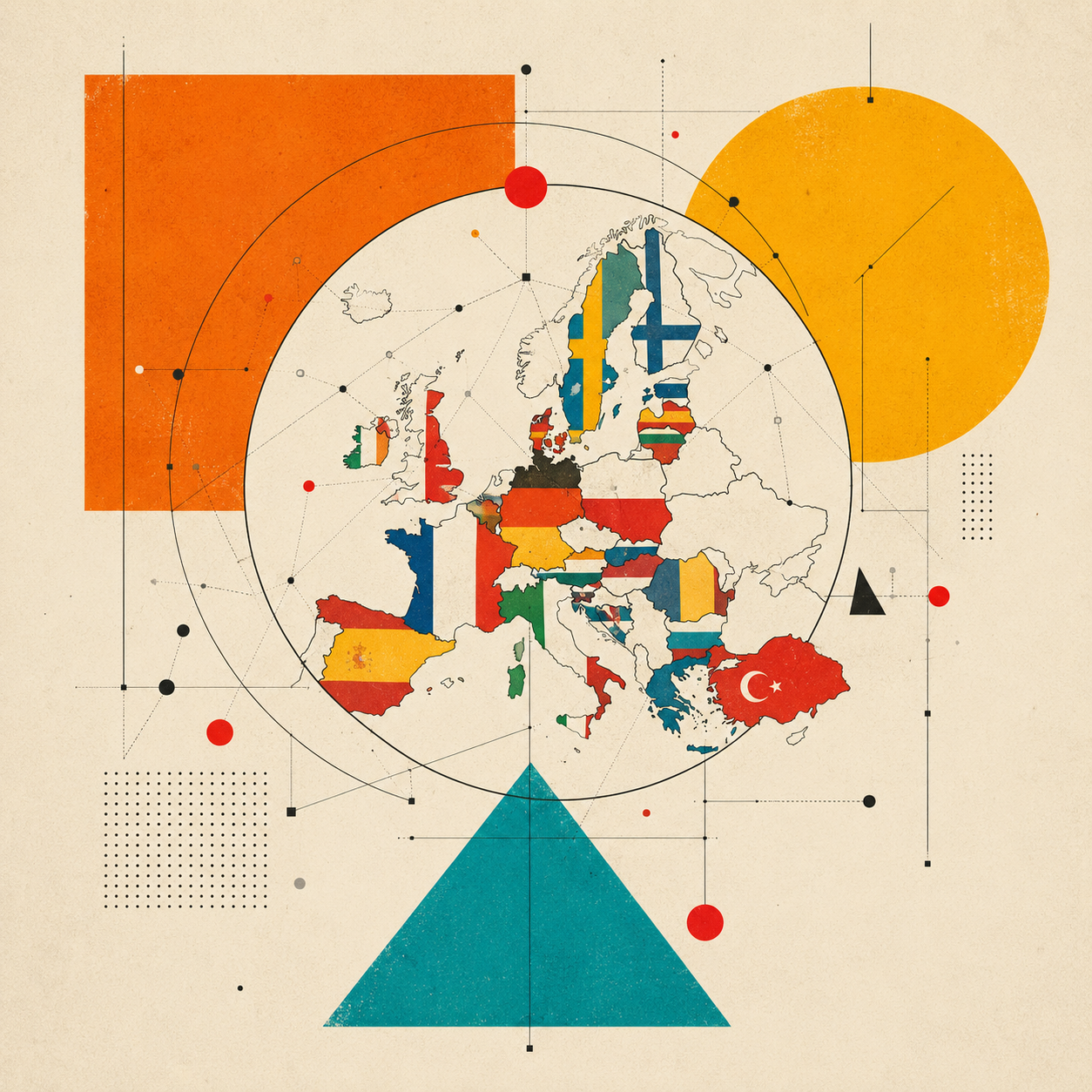
Europe’s next network era is not being shaped by technology alone, but by very different national ideas about infrastructure, sovereignty, industry and digital power. Phase III explores how European countries approach the future of networks — and what that reveals about Europe itself.
Latest Articles
Stay informed with the latest stories from Altair Media exploring the technologies, infrastructures and policy developments shaping modern economies across Europe and the wider global landscape.

As Europe accelerates into an age shaped by AI, platforms and geopolitical instability, a deeper question emerges beneath the technological transformation: can societies modernize without slowly eroding the human, democratic and cultural foundations that make collective life socially recognizable in the first place?
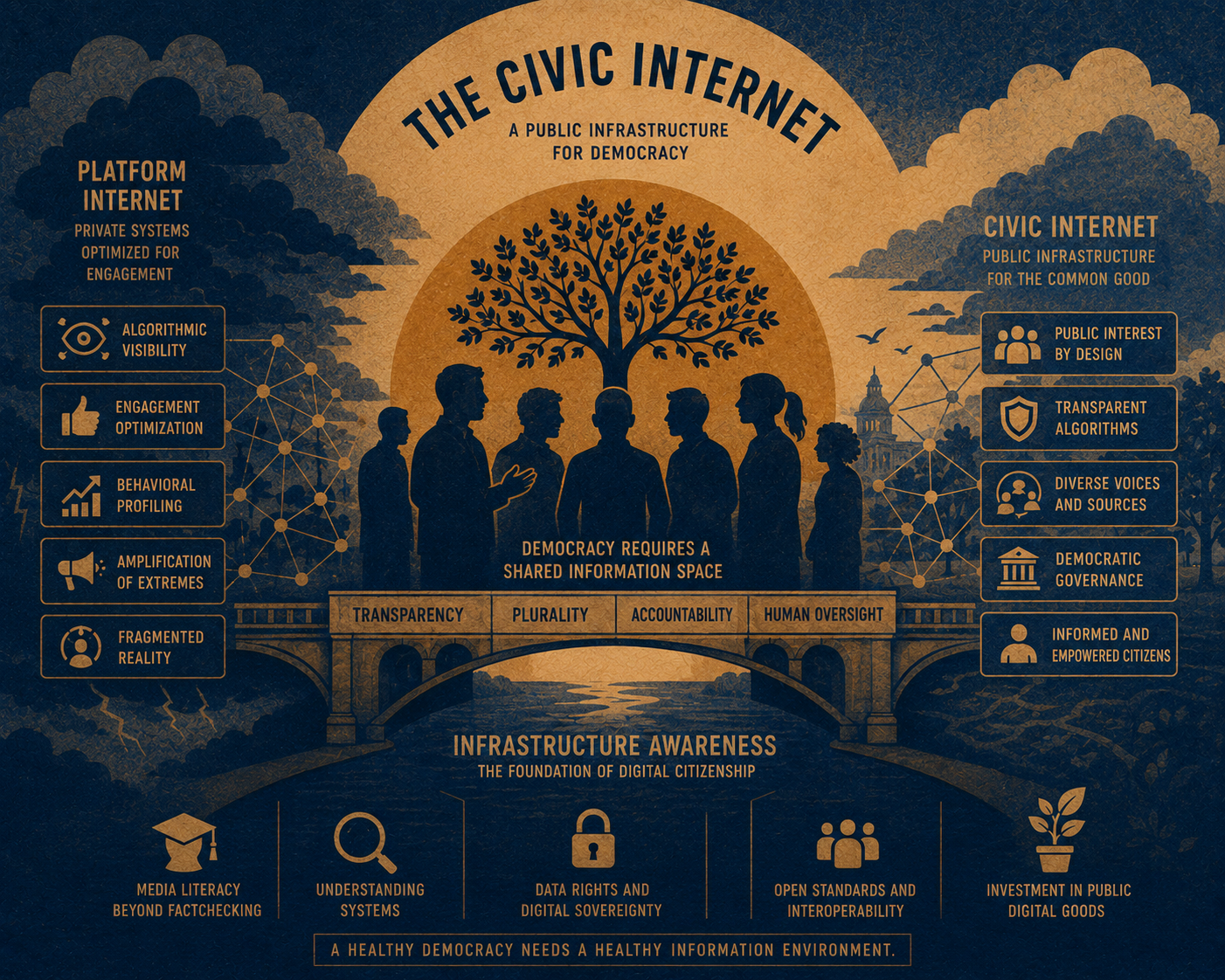
The internet is no longer merely a communication network. It has become the civic environment in which democratic reality itself is increasingly shaped. As algorithms and AI systems organize visibility, attention and interpretation, Europe faces a deeper challenge: can democratic societies still retain meaningful control over the infrastructures shaping public perception?
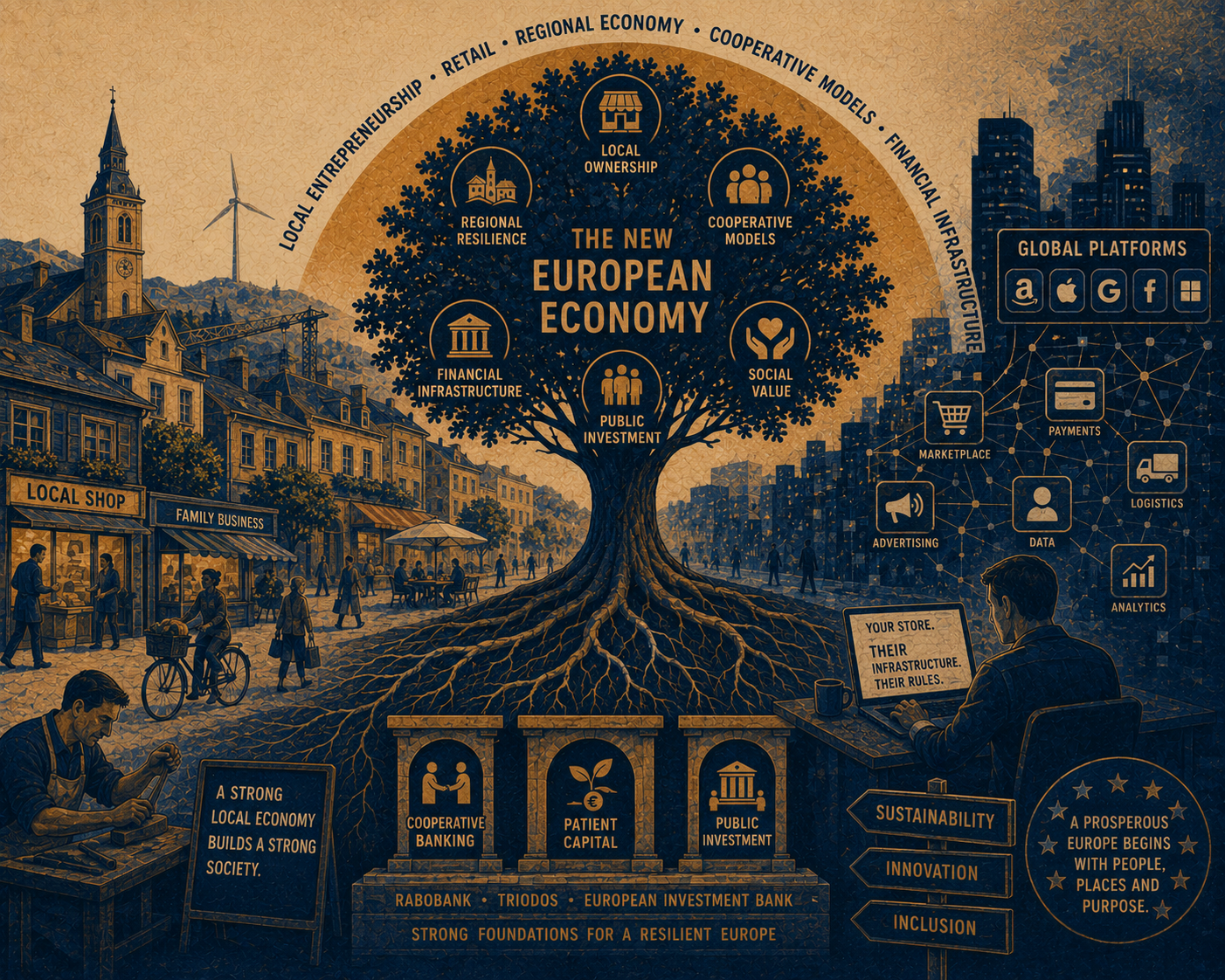
As digital platforms increasingly control visibility, logistics, payments and customer relationships, Europe faces a deeper economic question: can it remain globally competitive while preserving local ownership, regional resilience and democratic control over the infrastructure of everyday economic life?
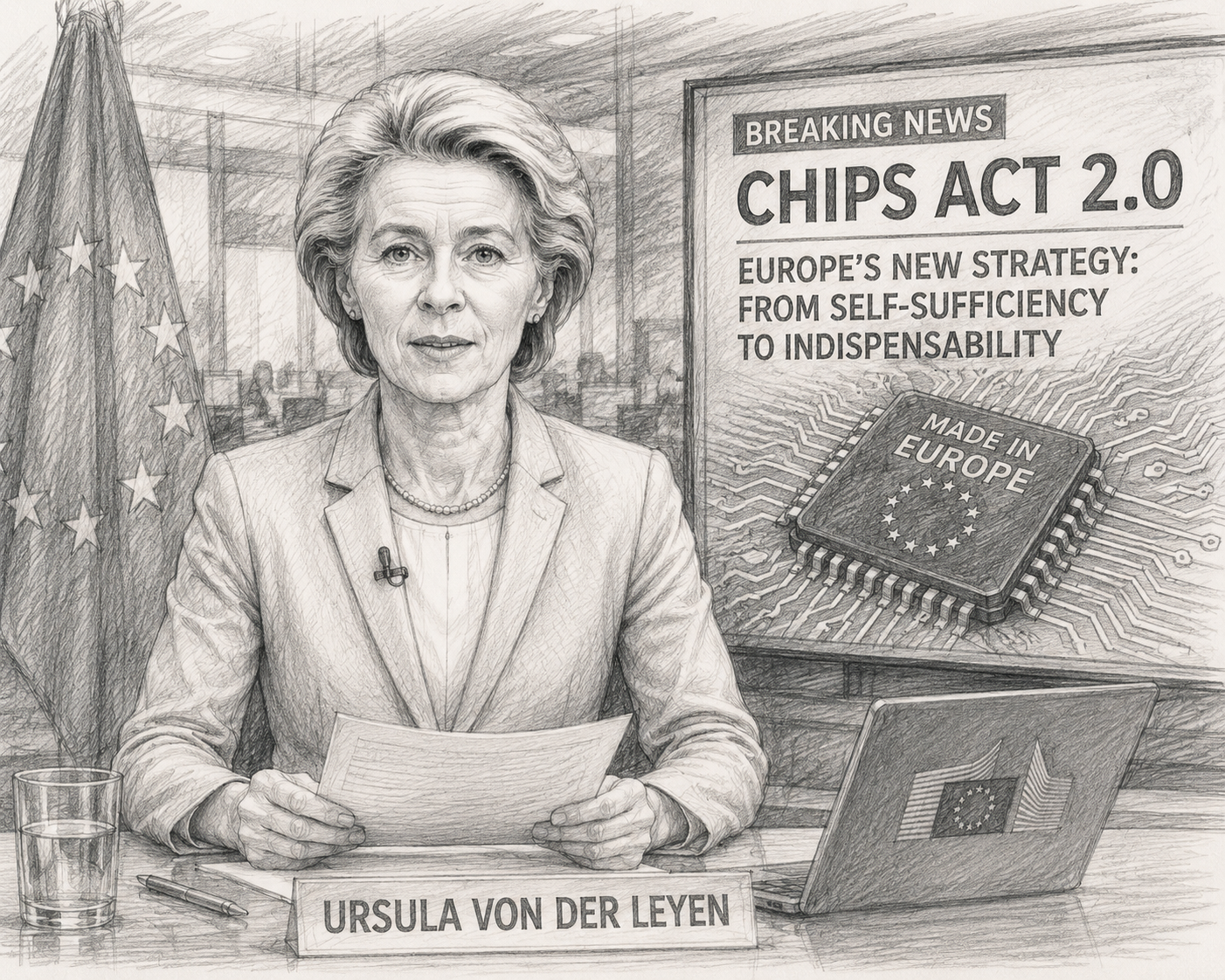
Europe’s upcoming Chips Act 2.0 signals a major strategic shift in Brussels. Instead of chasing unrealistic semiconductor self-sufficiency, the European Union increasingly aims to become technologically indispensable through photonics, industrial AI, advanced equipment and critical infrastructure technologies.

Europe shares a market, a currency and interconnected infrastructures, yet profound regional inequalities continue shaping opportunity, stability and social cohesion. Economic Europe examines how housing, infrastructure, labour and demographics increasingly influence the future resilience of the European project.
