
The United Kingdom remains one of the world’s most influential network economies. Through finance, law, education, research and global institutions, Britain continues to shape systems that extend far beyond its borders. Yet as economic security, industrial capacity and strategic infrastructure return to prominence, the country faces a new question: can global reach remain a source of power in an increasingly fragmented world?
Latest Articles
Stay informed with the latest stories from Altair Media exploring the technologies, infrastructures and policy developments shaping modern economies across Europe and the wider global landscape.

Ireland built its success on openness. Through education, foreign investment and global integration, it became a hub for technology, pharmaceuticals and digital services. Yet as globalisation evolves, the country faces a new challenge: transforming international success into long-term domestic resilience.
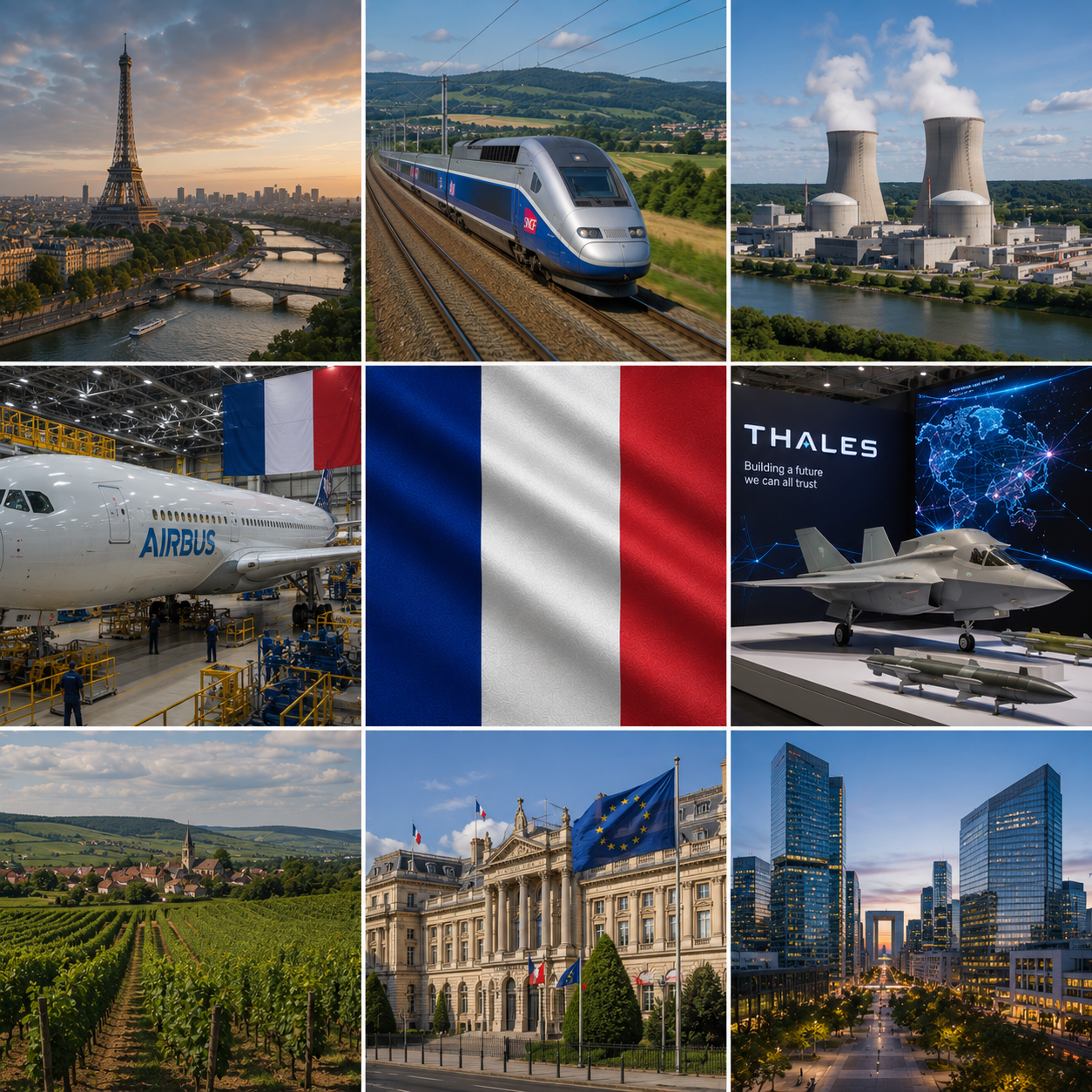
While much of Europe embraced market liberalisation, France maintained a stronger belief in the strategic role of the state. Today, as debates over industrial policy, energy security and technological sovereignty return, France’s economic model appears more relevant than it has in decades.

Luxembourg is one of Europe’s smallest countries, yet its influence extends far beyond its borders. Through finance, international institutions, satellite communications and strategic specialisation, the country demonstrates how expertise and indispensability can create influence beyond scale.

The Netherlands has built its prosperity on connectivity. From ports and airports to digital networks and advanced technology ecosystems, the country functions as one of Europe’s most interconnected economic systems. Yet in a fragmenting world, the foundations of that model are increasingly being tested.

ASML helped define the technological architecture of the modern semiconductor industry. Yet history suggests that every control point eventually faces new challenges. The company’s next test may not be achieving leadership, but maintaining relevance as technology, markets and geopolitics continue to evolve.
