
Europe’s largest universal banks already possess the balance sheets, sector knowledge and capital-market access needed to support industrial renewal. What Europe lacks is a shared architecture that can turn their separate capabilities into a coordinated investment system.
Digital Governance
Digital governance defines the rules, power structures and accountability shaping the digital economy and its underlying technologies.

When a platform can monitor performance, judge behaviour and withdraw access to income, it no longer acts merely as an intermediary. The Uber case reveals how employer-like power can emerge without a visible employer or accountable human decision-maker.

Helsing shows that Europe can build defence technology to global scale. The harder question is what happens next: whether Europe can develop the capital, industrial partnerships and market architecture needed to make companies like Helsing less exceptional.
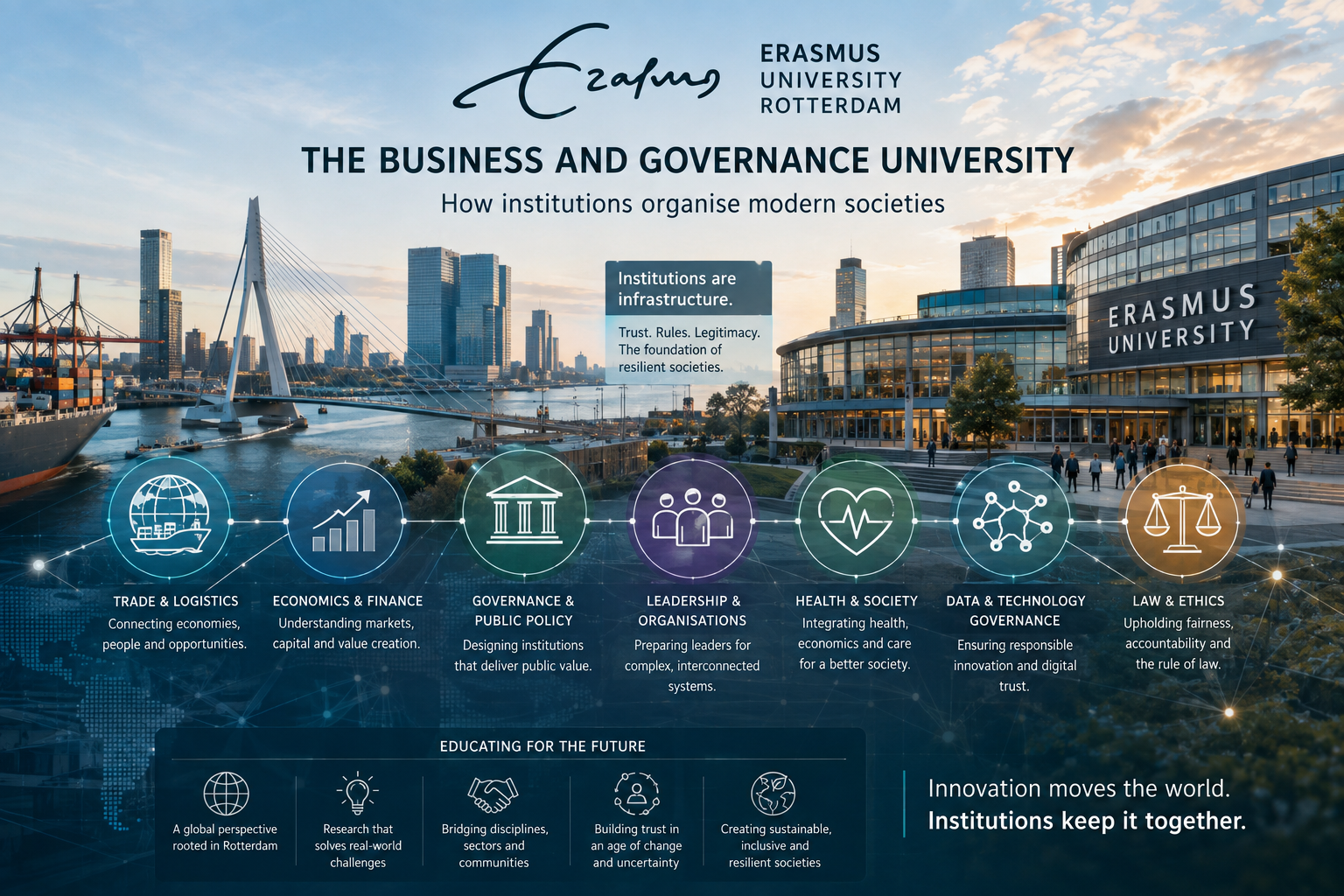
Technological innovation alone does not create resilient societies. Erasmus University Rotterdam explores how governance, economics, healthcare and public institutions together provide the institutional capacity that enables modern societies to function.
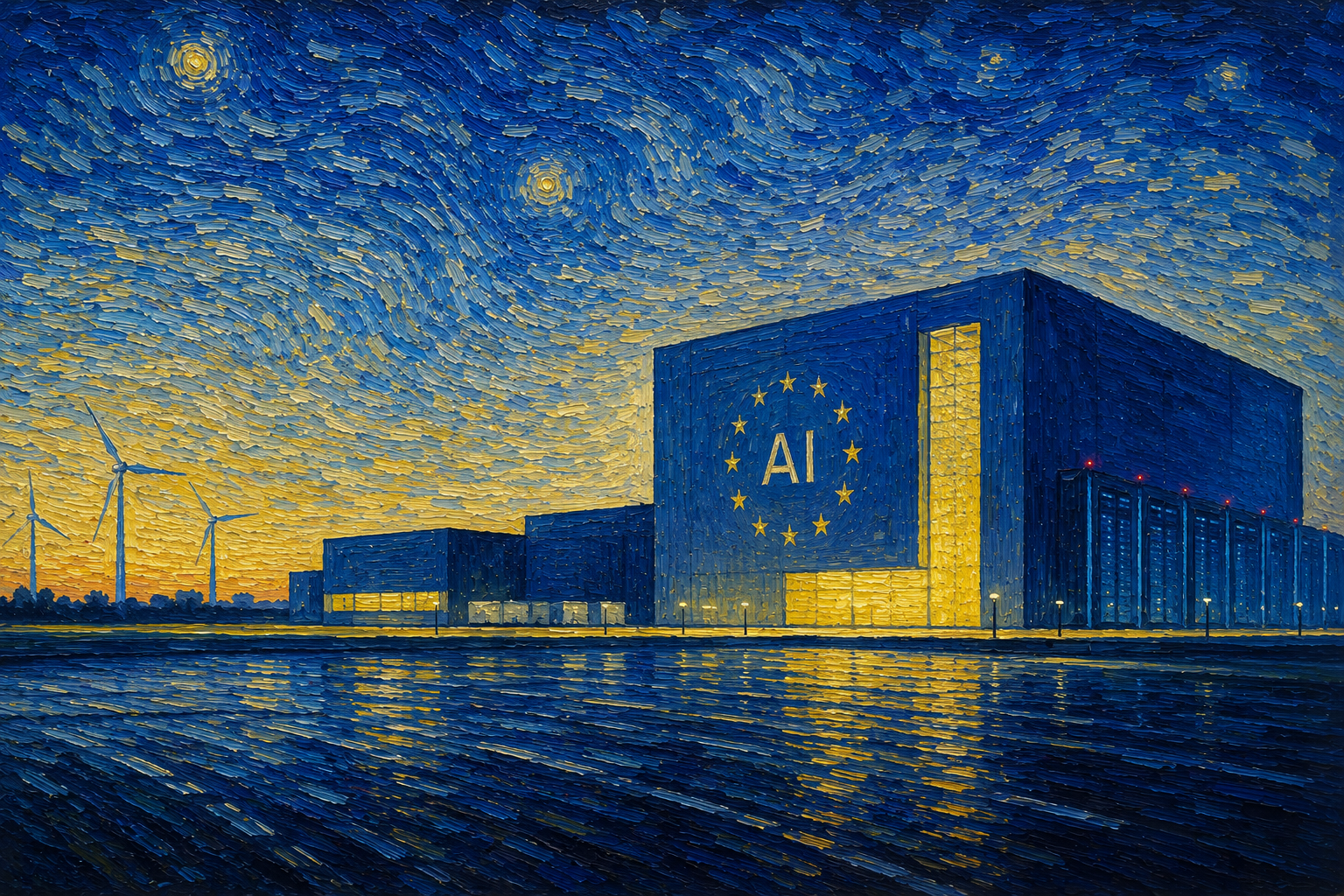
Europe’s AI Gigafactories are about far more than computing power. They represent a new generation of strategic infrastructure where energy, semiconductors, photonics, connectivity and industrial ecosystems determine whether Europe’s AI ambitions can become reality.

Meta is investing hundreds of billions in AI infrastructure. China is making artificial intelligence increasingly affordable. As these two strategies collide, Europe may face its greatest technological challenge yet: can digital sovereignty survive the economics of everyday choice?
