
Europe wants stronger networks, but more traffic does not automatically mean better returns. Operators need a business model that earns from the capacity, reliability and certainty they deliver. What should large users pay for—and what can Brussels and operators themselves change?
Digital Governance
Digital governance defines the rules, power structures and accountability shaping the digital economy and its underlying technologies.
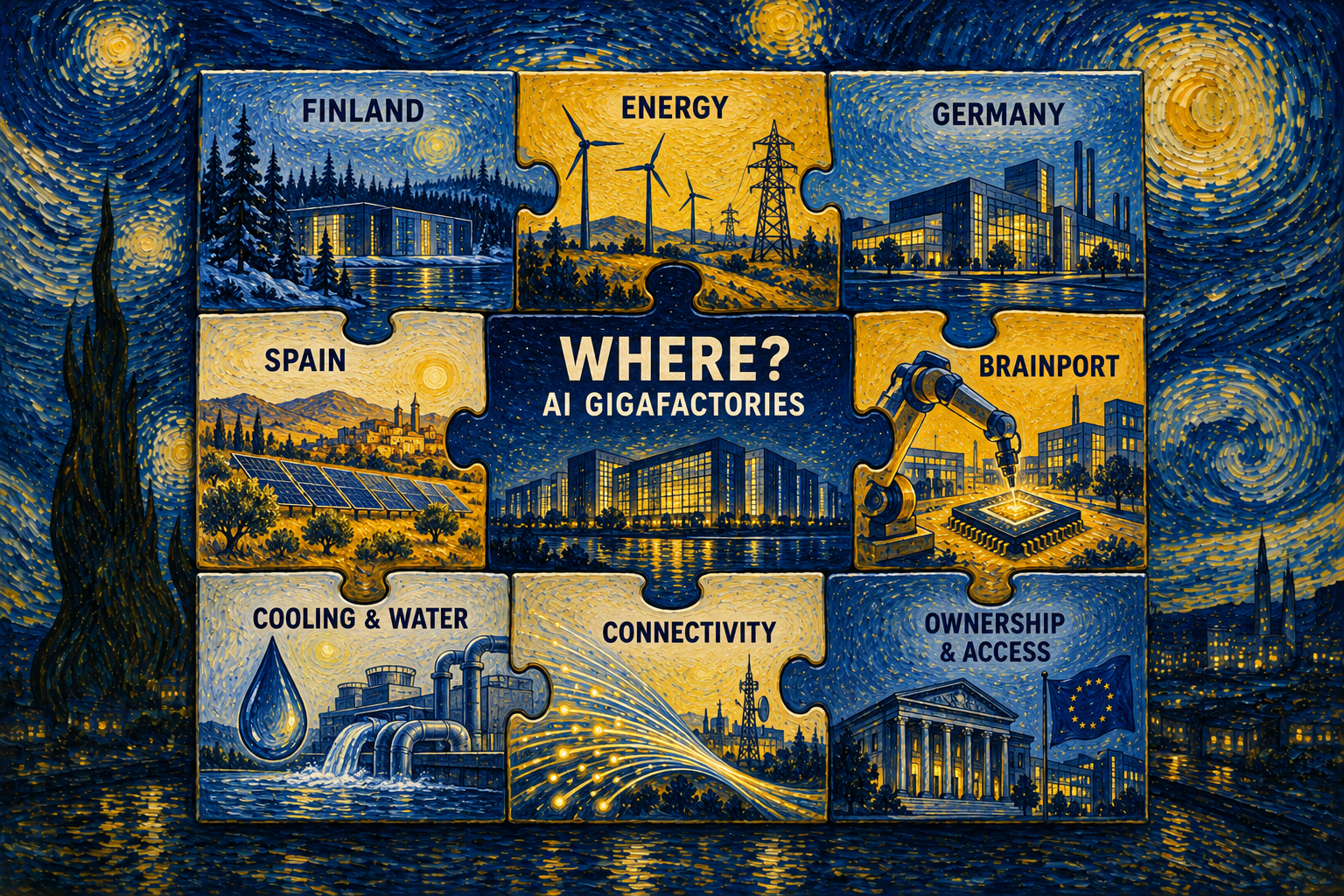
Europe’s AI Gigafactories will be shaped by electricity, cooling, connectivity and industrial demand. Finland, Spain, Germany and Brainport illustrate competing priorities — and a deeper question: who will control the infrastructure and secure lasting access for European users?
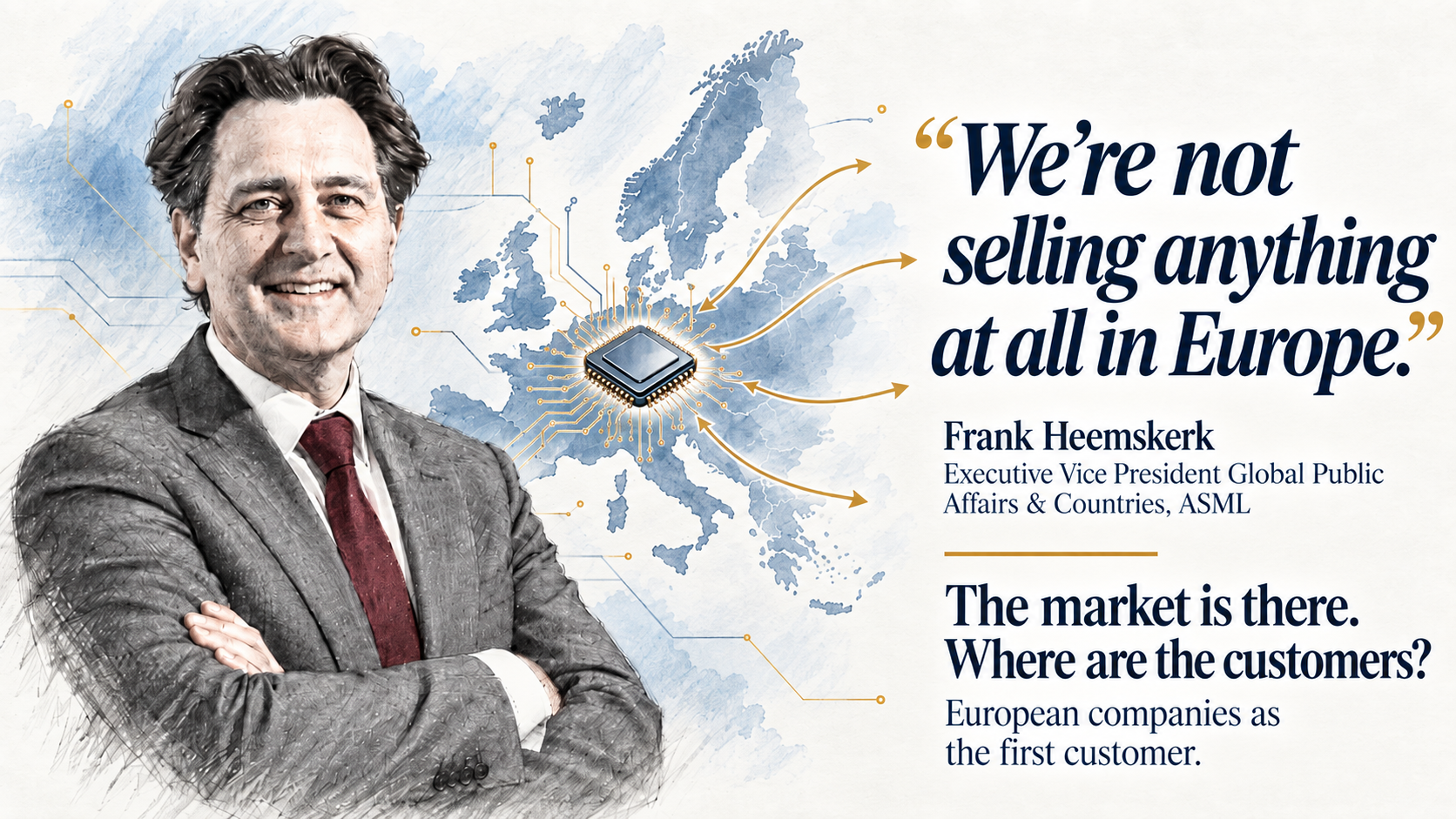
ASML sells virtually no chipmaking machines in Europe. The demand exists, but remains fragmented across industries. Europe’s semiconductor challenge may therefore be less about building fabs than about turning its own companies into coordinated anchor customers.

Europe needs Ericsson to preserve technological agency, but Ericsson needs global markets to remain relevant. The company’s strategic value lies not in technological isolation, but in keeping Europe influential inside the standards and architectures shaping worldwide communication.

Europe made payments instant, but fraud intelligence still moves between banks, platforms and authorities at institutional speed. As AI industrialises deception, Europe must decide who connects—and ultimately controls—the warning systems protecting its financial architecture.

A mobile standard is not merely a neutral technical agreement. It is where research, institutional consensus and patented inventions become shared infrastructure. Ericsson’s influence lies deep inside this process, helping shape the grammar of global communication.
