Tuesday, July 7, 2026
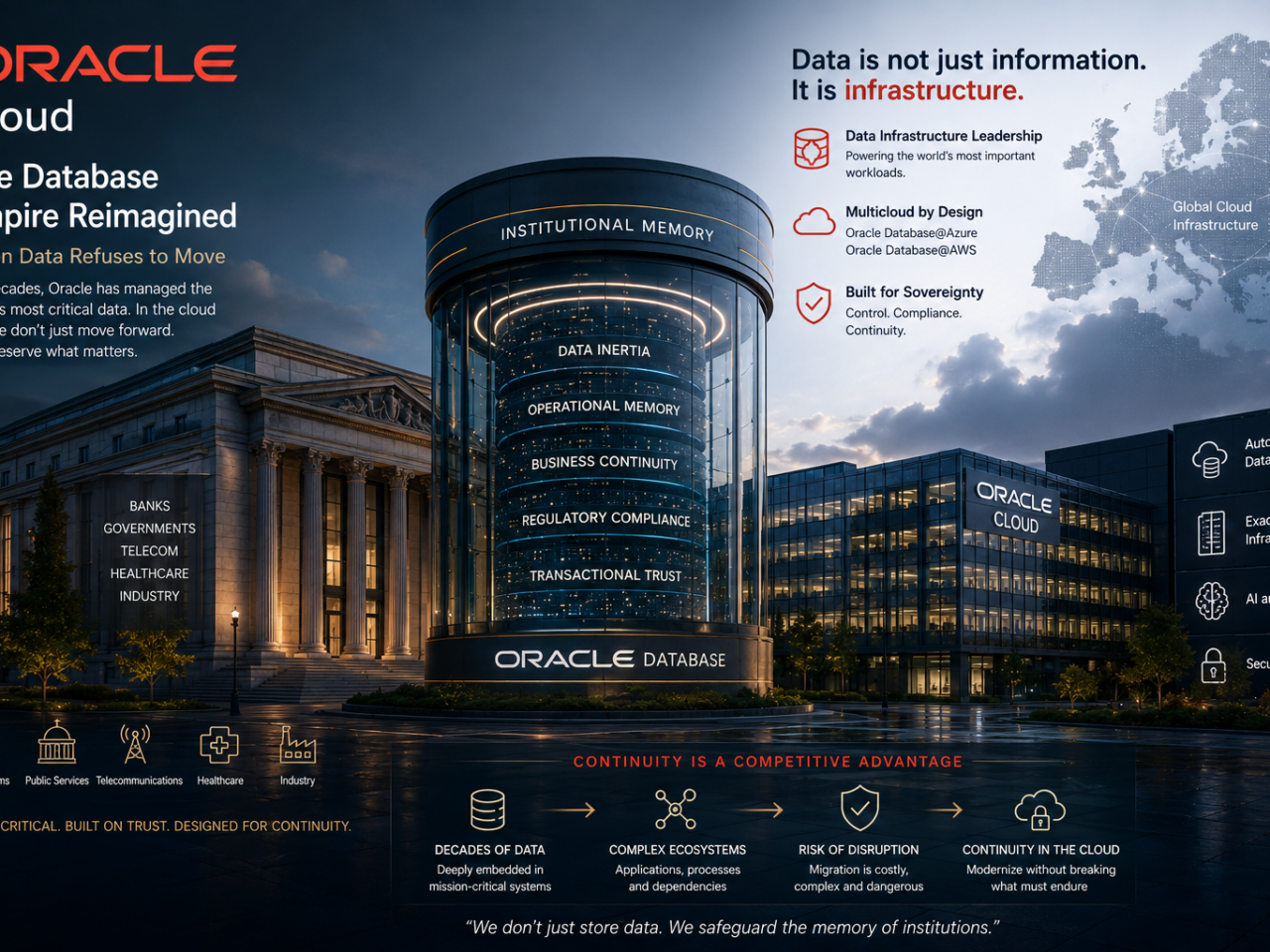
Oracle Cloud represents a different form of infrastructure power. While others compete for compute, applications and artificial intelligence, Oracle remains deeply embedded within the databases that underpin governments, banks and enterprises. In the cloud era, continuity itself may have become a strategic advantage.
Read More
Tuesday, July 7, 2026
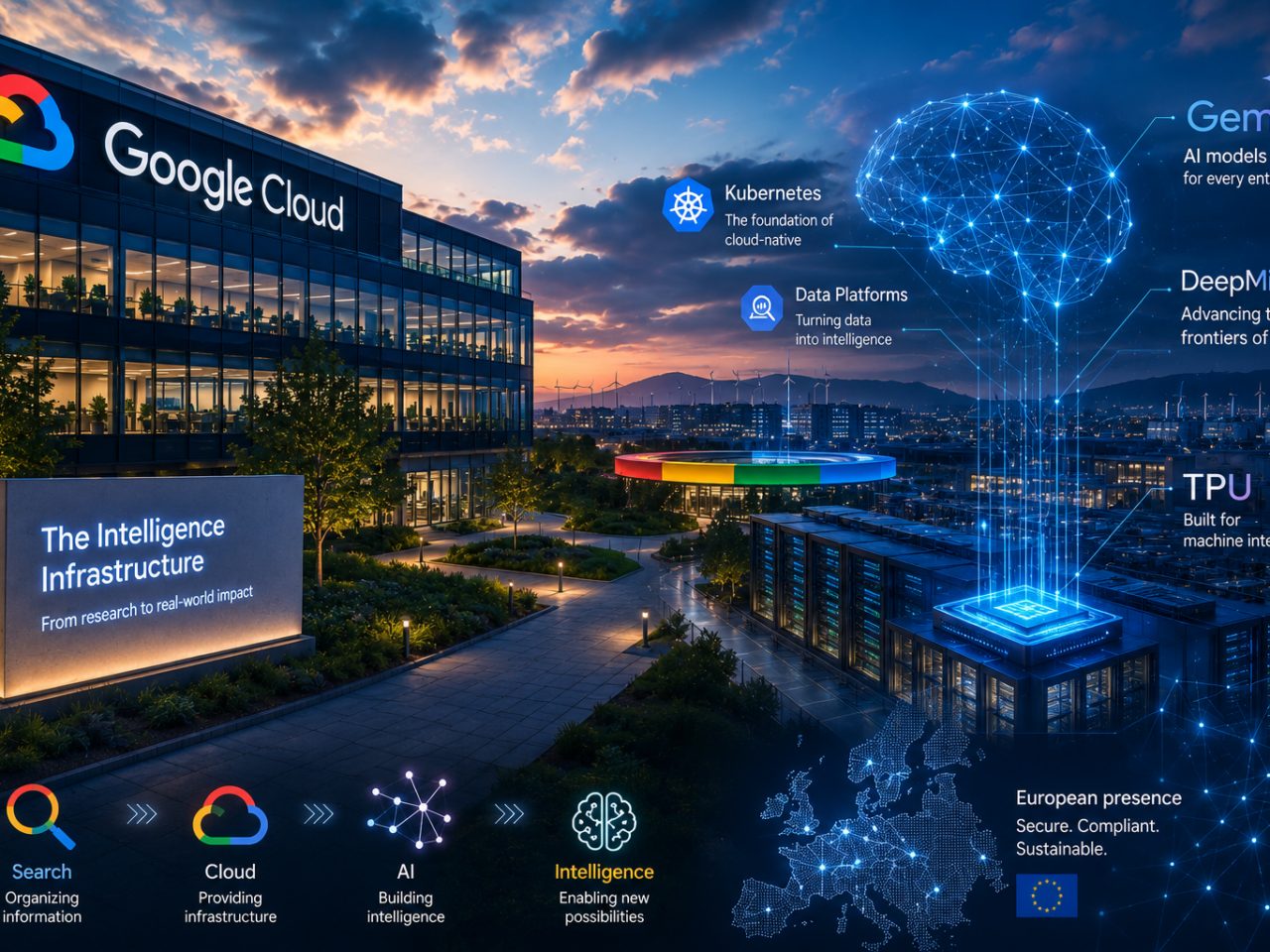
Google Cloud increasingly represents more than a cloud provider. Through Kubernetes, DeepMind, Tensor Processing Units and Gemini, it is helping transform compute capacity into a new form of cognitive infrastructure for the artificial intelligence era.
Read More
Monday, July 6, 2026
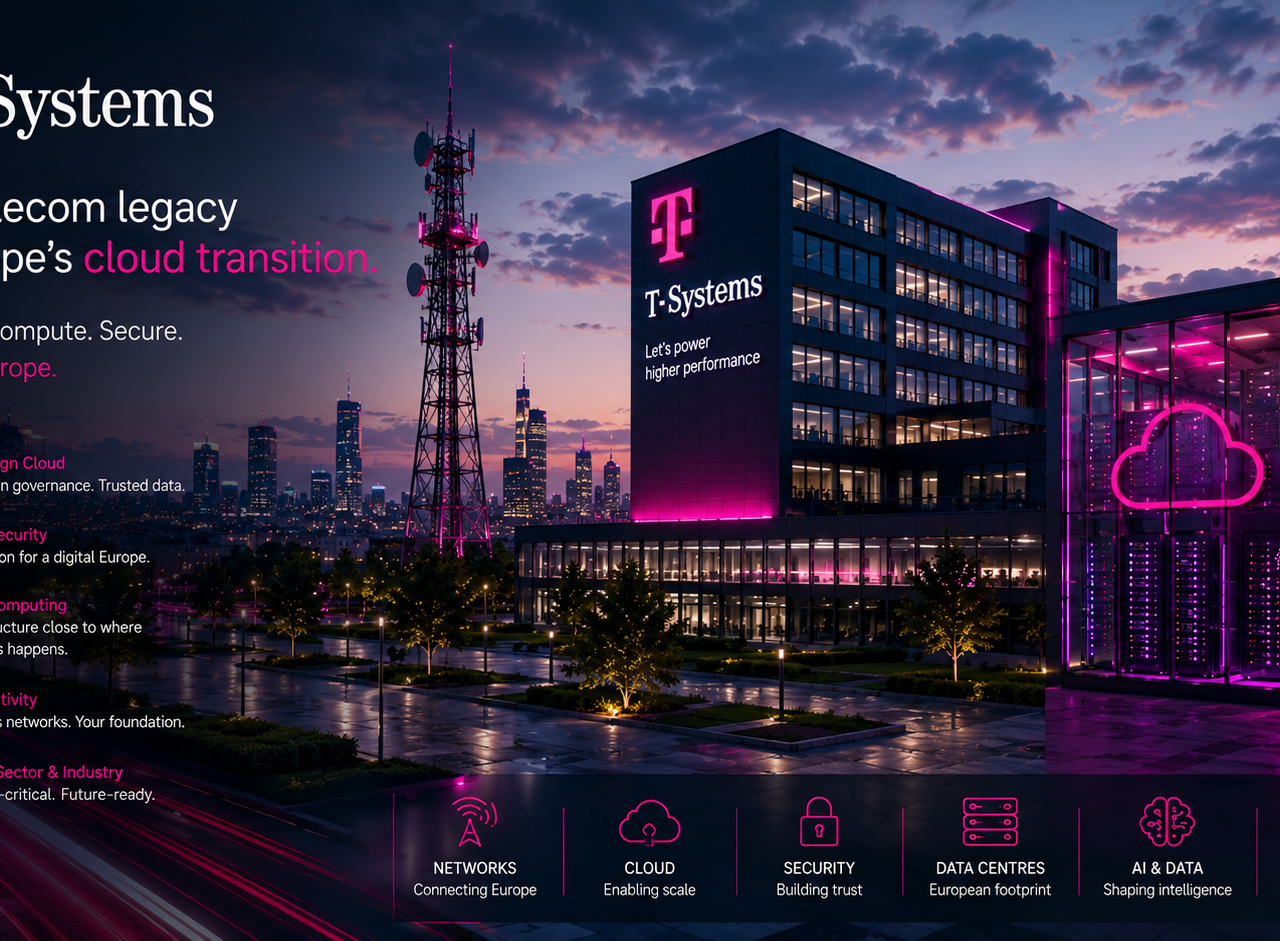
T-Systems illustrates how Europe’s telecommunications sector is increasingly entering the cloud economy. Combining connectivity, enterprise services and sovereign infrastructure, the company offers insight into whether telecom operators can become key builders of Europe’s computing future.
Read More
Monday, July 6, 2026
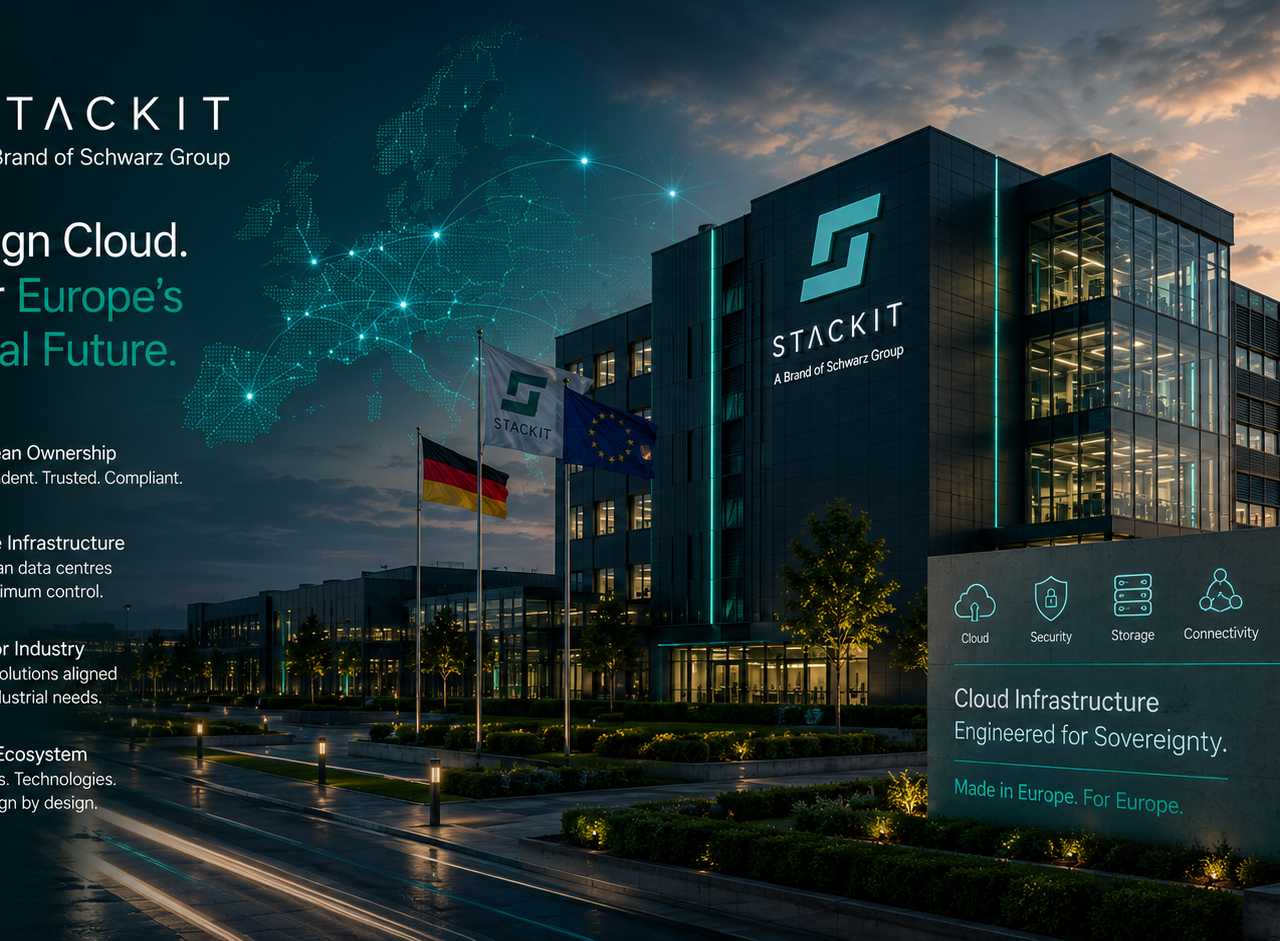
STACKIT represents an emerging model of European cloud infrastructure rooted in industry, compliance and sovereignty. Its development suggests that Europe’s computing future may increasingly depend on trusted ecosystems built around governance, resilience and operational control.
Read More
Monday, July 6, 2026

Scaleway represents an alternative European approach to cloud infrastructure, combining developer-centric services, AI capabilities and sovereign governance. Its evolution suggests that Europe’s cloud future may depend as much on diversity and openness as it does on scale.
Read More
Monday, July 6, 2026

IONOS represents a distinctly European approach to cloud infrastructure, prioritising trust, governance and sovereignty alongside technological capability. As demand for compute accelerates, the company offers insight into how Europe may seek to balance digital autonomy, competitiveness and control over its computing future.
Read More
Monday, July 6, 2026
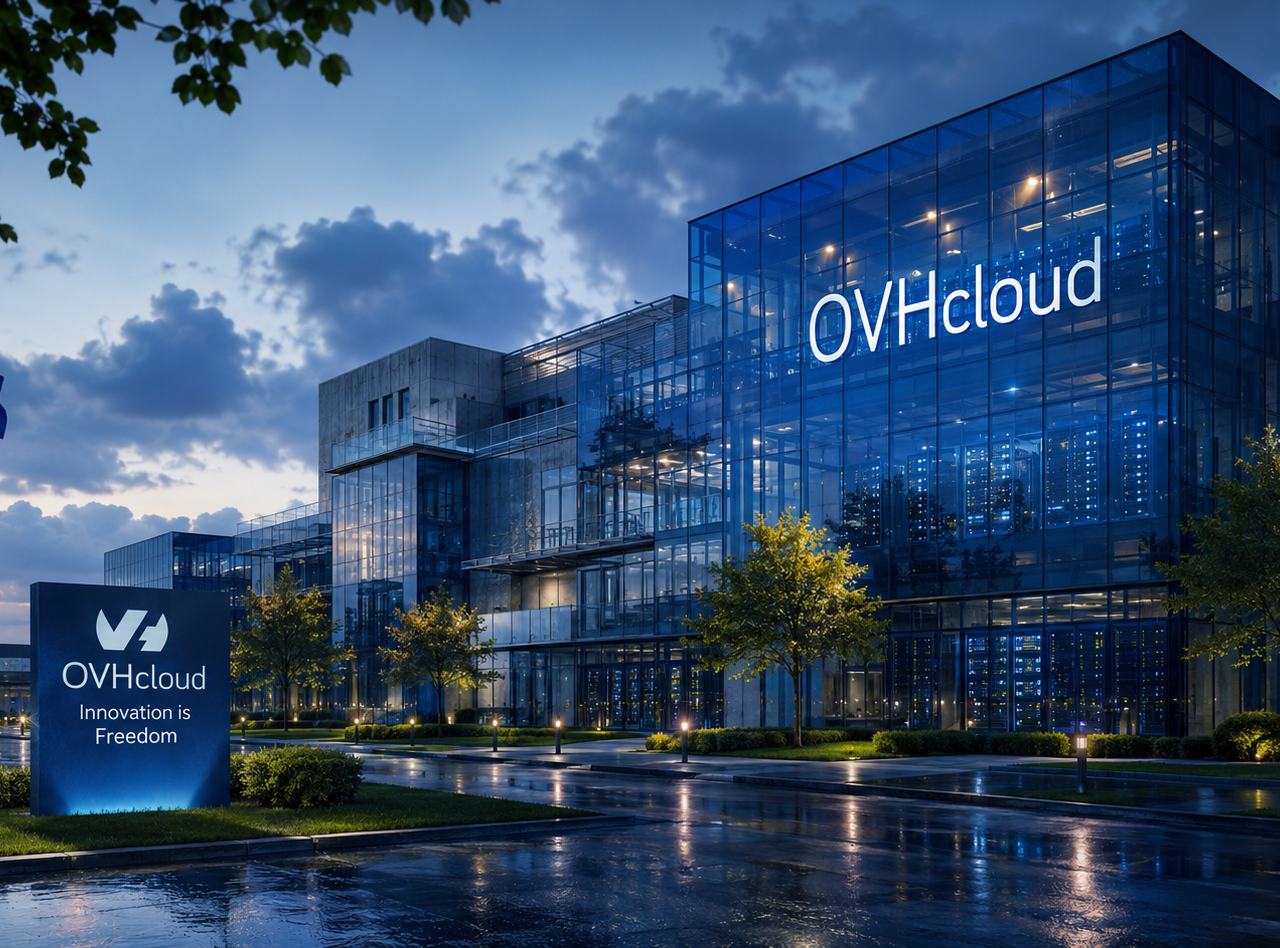
OVHcloud has emerged as one of Europe’s most ambitious cloud providers, combining sovereign ownership with hyperscale ambitions. Its trajectory offers insight into Europe’s broader challenge: transforming digital autonomy from political aspiration into operational infrastructure.
Read More
Saturday, July 4, 2026

Universities were built upon openness, collaboration and scientific exchange. Yet as semiconductors, photonics and artificial intelligence become strategic technologies, Europe increasingly faces a difficult question: how open can science remain when knowledge itself becomes infrastructure?
Read More
Wednesday, June 17, 2026
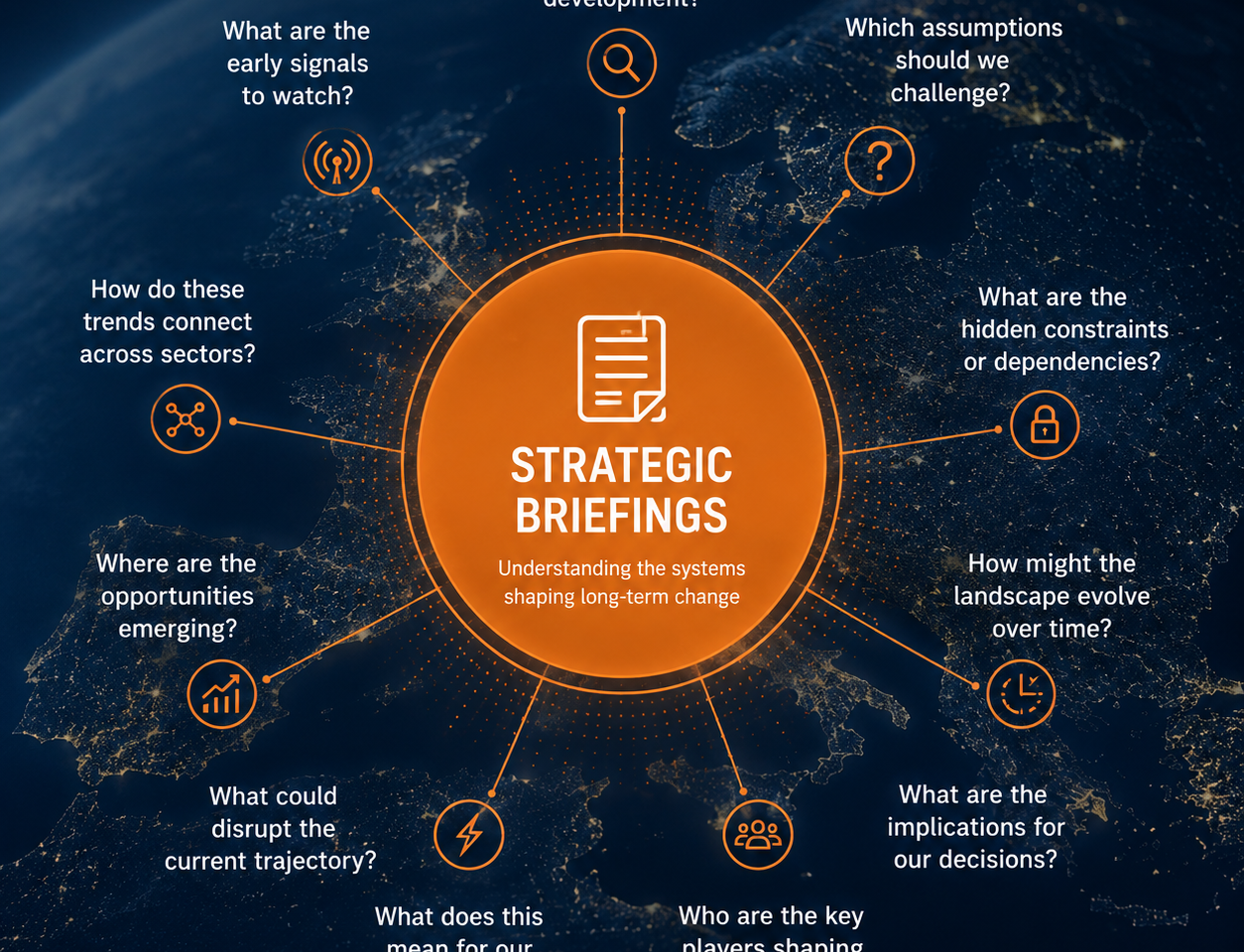
Information has never been more abundant. Yet many organisations struggle to understand what is actually changing. This essay explores why the challenge is no longer access to information, but the ability to recognise patterns, understand systems and navigate an increasingly fragmented world.
Read More
Wednesday, June 17, 2026
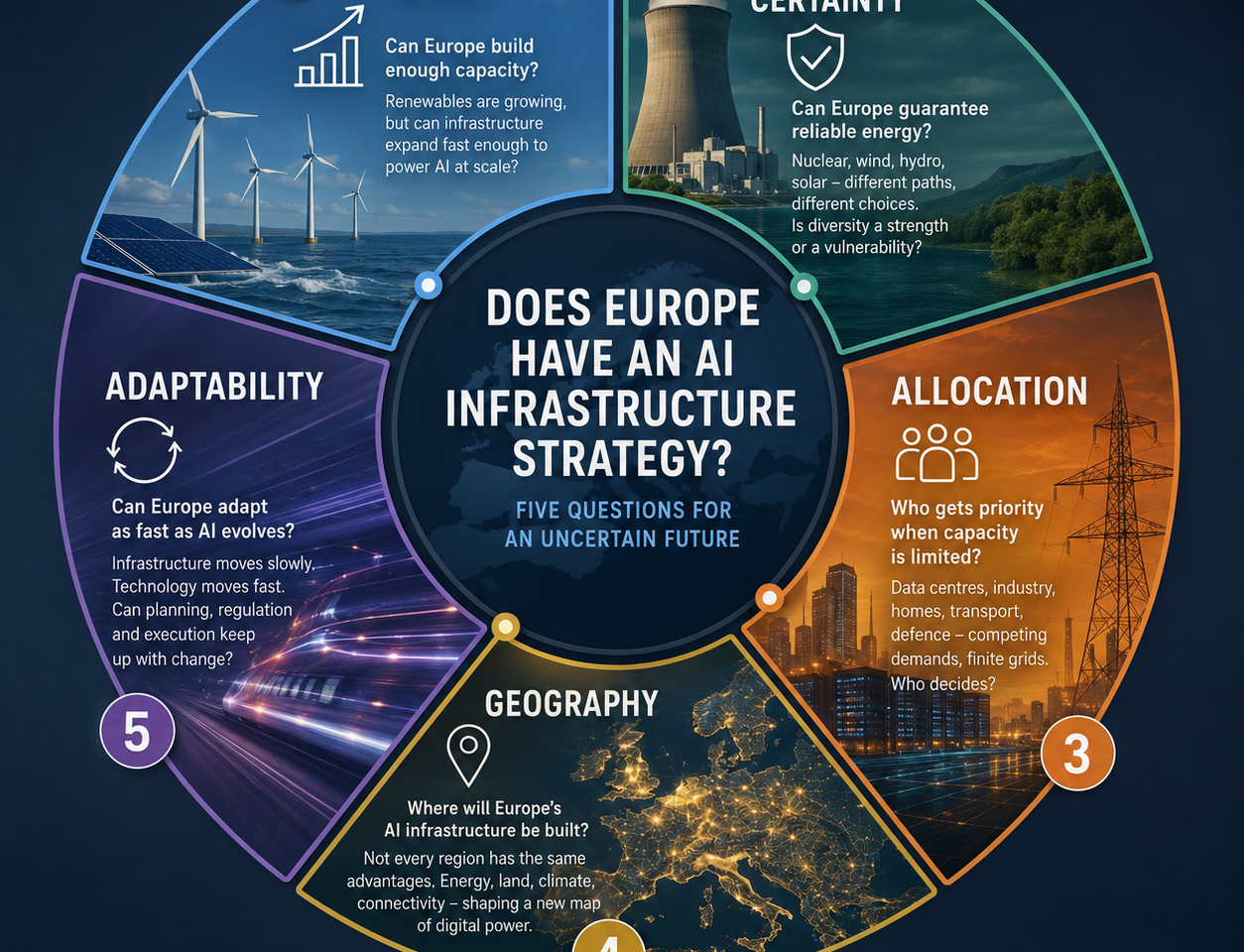
Europe leads the debate on artificial intelligence, digital sovereignty and technology regulation. Yet beneath these ambitions lies a more fundamental question: does Europe possess the infrastructure required to support large-scale AI? From energy certainty to resource allocation, geography and adaptability, five forces may ultimately determine Europe’s ability to compete in the age of artificial intelligence.
Read More

 Available here: