Sunday, April 5, 2026

As governments increasingly rely on AI to detect risk and enforce rules, the nature of state power is shifting. This article examines how the AI Act seeks to prevent automated injustice and safeguard transparency, accountability and fundamental rights in the algorithmic state.
Read More
Sunday, April 5, 2026

As Project Beethoven accelerates Brainport Eindhoven’s growth, the real challenge shifts from ambition to capacity. Talent shortages, housing pressure and governance gaps reveal a deeper question: can the system sustain its own success — or will scale become its biggest constraint?
Read More
Saturday, April 4, 2026

Project Beethoven marks a turning point for Brainport Eindhoven, as billions in public investment aim to scale Europe’s semiconductor ecosystem. But behind the momentum lies a deeper question: is this true acceleration — or a late response to growing global dependency?
Read More
Wednesday, April 1, 2026

As AI systems increasingly determine who gets hired, the labour market is shifting from human judgement to algorithmic decision-making. This article explores how the AI Act addresses bias, transparency and accountability in hiring, reshaping fairness and access to work.
Read More
Tuesday, March 31, 2026
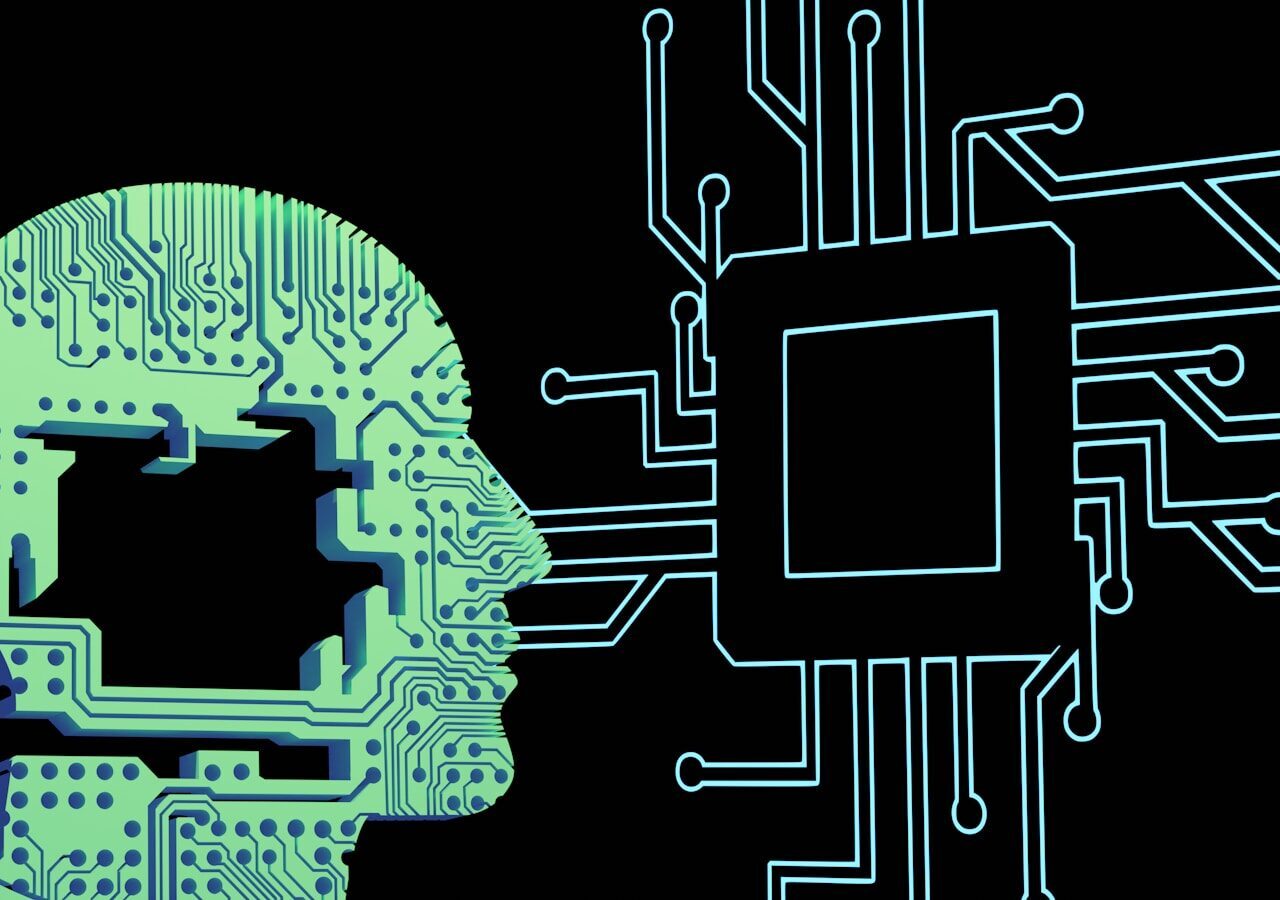
As artificial intelligence enters classrooms, education is shifting from pedagogy to data-driven decision-making. This article explores how the AI Act classifies educational AI as high-risk—and what that means for fairness, human judgement and the future of learning.
Read More
Monday, March 16, 2026

Europe’s Artificial Intelligence Act introduces a risk-based framework that classifies AI systems according to their potential impact on citizens and institutions. This article explains the law’s “risk pyramid” and how it will shape the governance of algorithms across key sectors.
Read More
Saturday, March 14, 2026

Europe’s Artificial Intelligence Act marks the first comprehensive attempt to regulate AI at scale. This article explores why the EU decided to govern algorithms, examining the political, ethical and geopolitical forces shaping Europe’s approach to artificial intelligence.
Read More
Monday, February 23, 2026

When the European Union’s AI Act entered into force, it was presented as a historic moment. Europe, once again, had set a global standard. In Brussels, the ceremony marked not merely a legislative milestone but a declaration of intent: artificial intelligence would not evolve unchecked. It would be governed.
Read More
Wednesday, February 18, 2026

As financial markets evolve into geopolitical infrastructures, Europe may lack scale but retains rule-making power. This analysis explores how governance, standards and market access can become strategic instruments — transforming regulation from defensive compliance into a foundation for long-term economic sovereignty.
Read More
Saturday, January 24, 2026

Ask ten European executives what the AI Act means for their organisation and you will likely receive ten different answers. Some see it as a legal framework best handled by compliance teams. Others assume it mainly targets Big Tech. A few quietly believe that enforcement will take years — long enough for technology to move on again.
Read More

 Available here: