Monday, September 21, 2026

Europe needs Ericsson to preserve technological agency, but Ericsson needs global markets to remain relevant. The company’s strategic value lies not in technological isolation, but in keeping Europe influential inside the standards and architectures shaping worldwide communication.
Read More
Friday, September 11, 2026

Europe made payments instant, but fraud intelligence still moves between banks, platforms and authorities at institutional speed. As AI industrialises deception, Europe must decide who connects—and ultimately controls—the warning systems protecting its financial architecture.
Read More
Tuesday, September 1, 2026

A mobile standard is not merely a neutral technical agreement. It is where research, institutional consensus and patented inventions become shared infrastructure. Ericsson’s influence lies deep inside this process, helping shape the grammar of global communication.
Read More
Saturday, August 29, 2026

Europe’s largest universal banks already possess the balance sheets, sector knowledge and capital-market access needed to support industrial renewal. What Europe lacks is a shared architecture that can turn their separate capabilities into a coordinated investment system.
Read More
Tuesday, August 25, 2026

When a platform can monitor performance, judge behaviour and withdraw access to income, it no longer acts merely as an intermediary. The Uber case reveals how employer-like power can emerge without a visible employer or accountable human decision-maker.
Read More
Monday, August 17, 2026
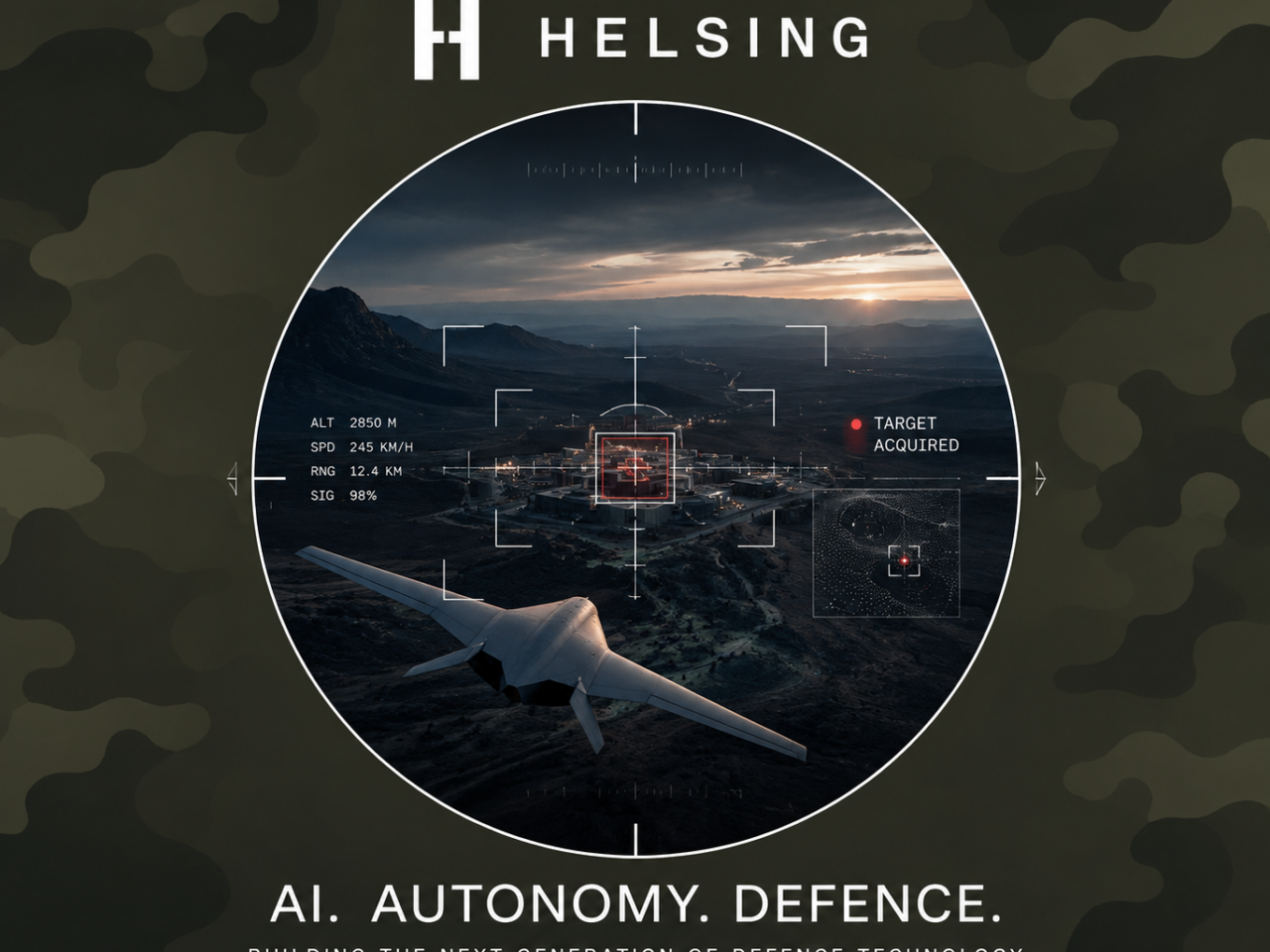
Helsing shows that Europe can build defence technology to global scale. The harder question is what happens next: whether Europe can develop the capital, industrial partnerships and market architecture needed to make companies like Helsing less exceptional.
Read More
Wednesday, August 5, 2026
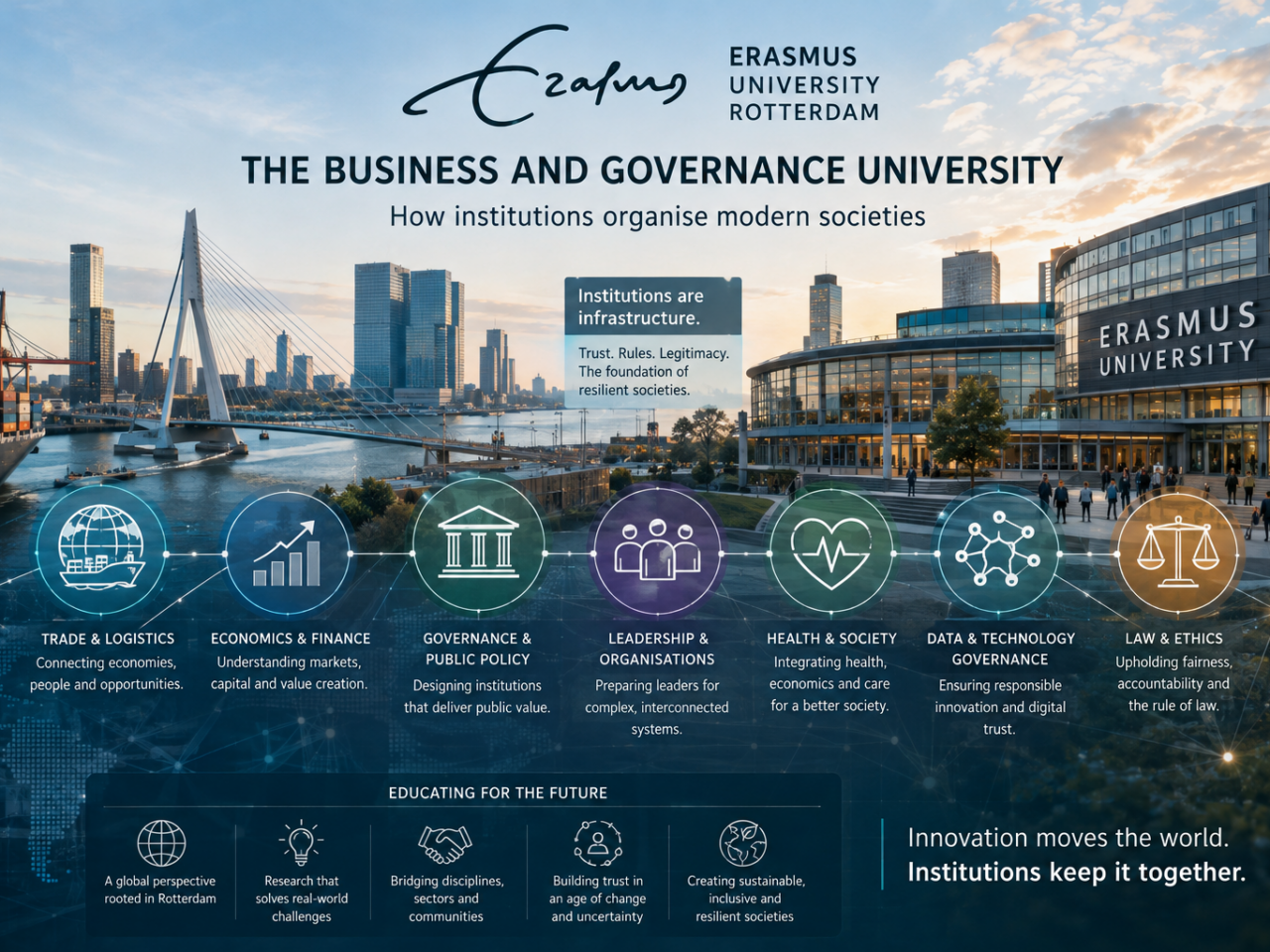
Technological innovation alone does not create resilient societies. Erasmus University Rotterdam explores how governance, economics, healthcare and public institutions together provide the institutional capacity that enables modern societies to function.
Read More
Monday, August 3, 2026
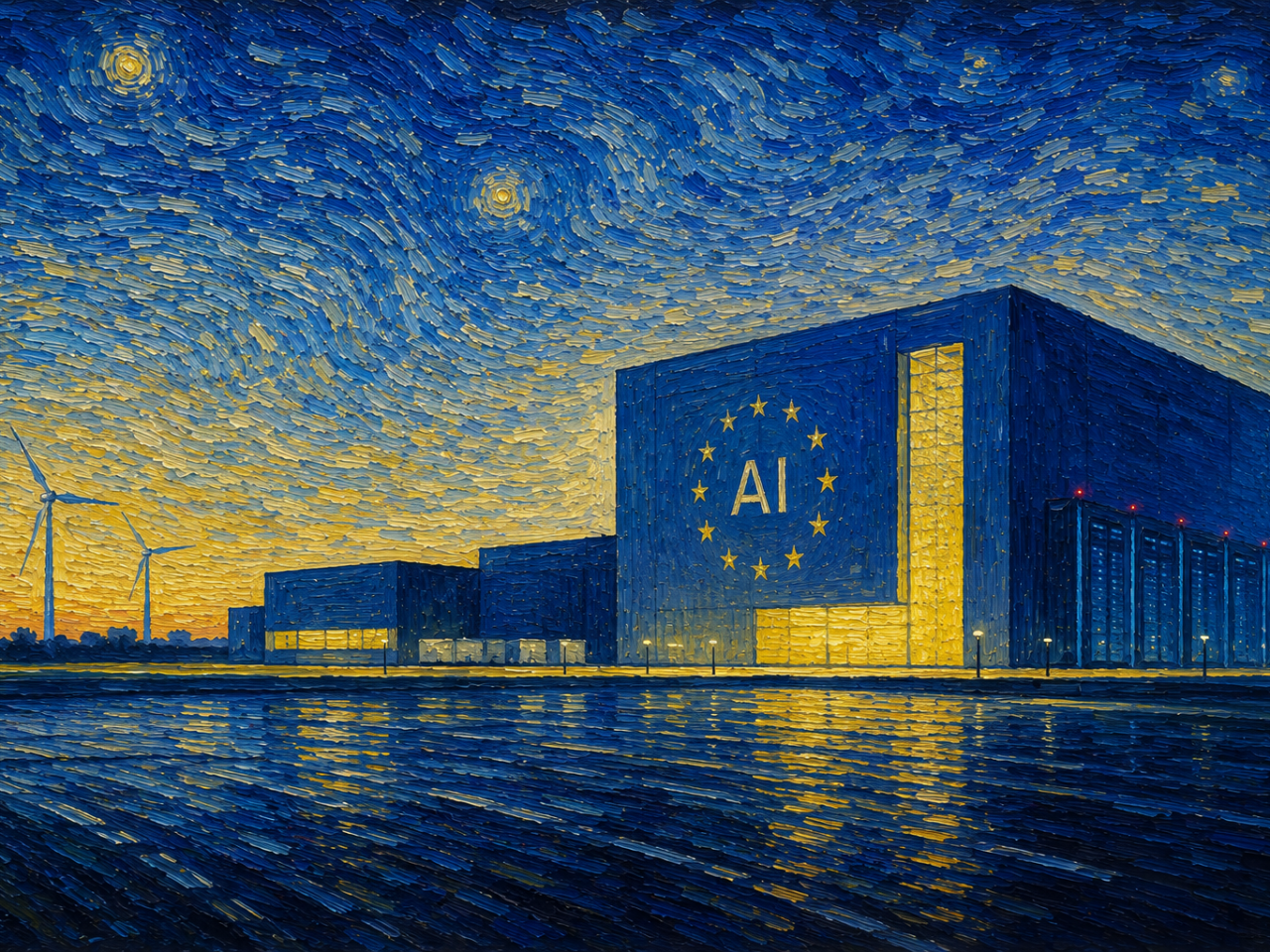
Europe’s AI Gigafactories are about far more than computing power. They represent a new generation of strategic infrastructure where energy, semiconductors, photonics, connectivity and industrial ecosystems determine whether Europe’s AI ambitions can become reality.
Read More
Thursday, July 30, 2026
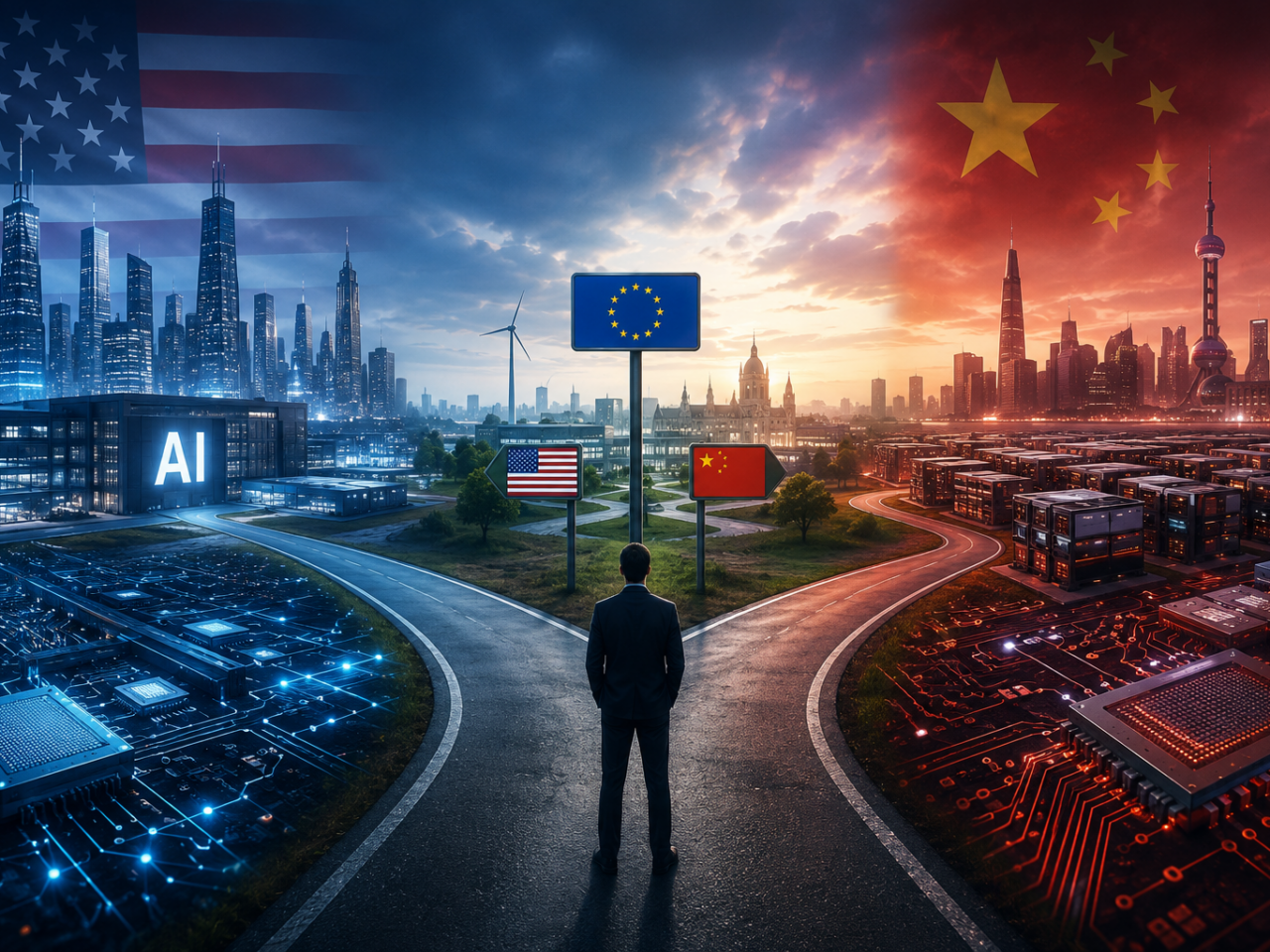
Meta is investing hundreds of billions in AI infrastructure. China is making artificial intelligence increasingly affordable. As these two strategies collide, Europe may face its greatest technological challenge yet: can digital sovereignty survive the economics of everyday choice?
Read More
Sunday, June 7, 2026

When seven European technology leaders issued a joint call for action, much of the discussion focused on regulation. Yet the significance of the coalition may lie elsewhere. By bringing together companies from semiconductors, telecommunications, industrial systems, software, artificial intelligence and aerospace, the statement reveals a broader shift in European thinking: from individual sectors toward interconnected technology ecosystems.
Read More

 Available here:
