
Europe has spent years demanding more engineers. At TU Eindhoven, interest in Electrical Engineering is growing just as educational capacity reaches its limits—exposing the widening gap between Europe’s industrial ambitions and its ability to train the people they require.
Education
Education shapes the knowledge, skills and institutions that enable societies to adapt, innovate and navigate economic and technological change.
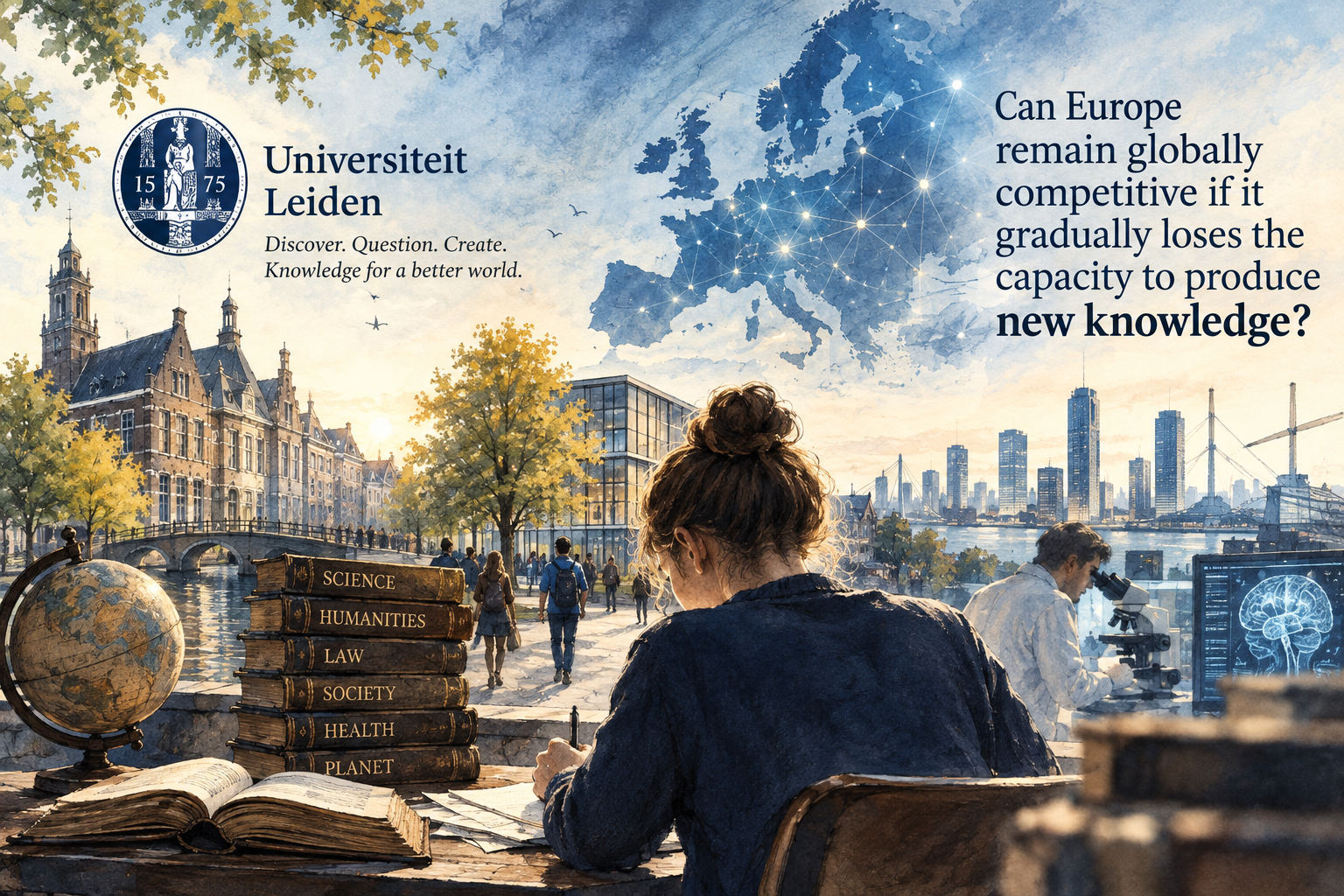
Leiden University demonstrates that the future of Europe depends not only on applying knowledge, but on continually creating it. As artificial intelligence transforms access to information, the production of reliable new knowledge may become one of Europe’s most strategic capabilities.

Wageningen University & Research has evolved far beyond agriculture. By integrating biology, artificial intelligence, robotics and environmental science, it is helping shape the resilient food systems upon which Europe’s future health, security and sustainability increasingly depend.
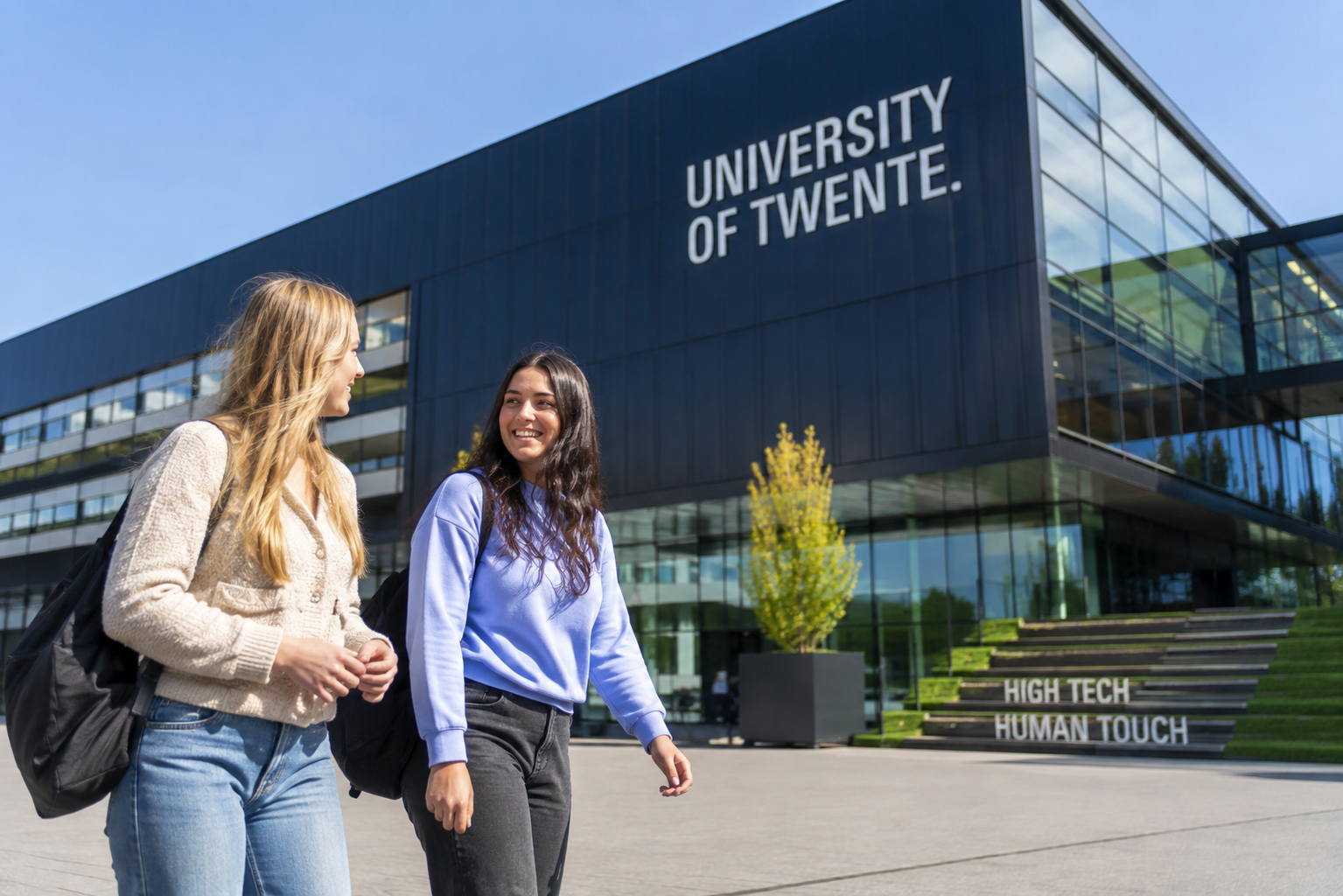
Can smaller universities become strategic assets? The University of Twente demonstrates that innovation is not defined by scale alone, but by the ability to integrate technology, entrepreneurship and society into a distinctive model of European excellence.
Innovation depends on more than scientific excellence. It depends on how effectively knowledge circulates between universities, industry and society. TU Eindhoven demonstrates how regional ecosystems can transform education into Europe’s long-term technological capacity.

Europe’s technological ambitions depend on far more than research funding and industrial investment. They depend on universities capable of educating the engineers, scientists and innovators who will design, build and sustain the continent’s future infrastructure.
