
The Netherlands’ 2027 budget promises investment in the future while a minority government negotiates support in the present. As reforms are delayed and spending rises, the central question is who will ultimately pay for the choices postponed today.
Governing Without a Majority

How the Netherlands is turning a national budget into a test of parliamentary government.
A national budget is normally presented as a government programme expressed in numbers. In the Netherlands, the 2027 budget has become something more: a test of how a minority government can build parliamentary support without a stable majority. This series follows the negotiations, concessions and institutional choices through which a budget becomes governable.
The central question is not simply whether enough votes can be found. It is whether separate agreements can produce a coherent budget — and whether responsibility can be shared without making accountability disappear.

A minority government needs more than enough votes to pass a budget. This briefing sets out five ways the Netherlands could build a durable agreement: shared evidence, meaningful opposition input, time-bound reforms, deliverable investments and a clear European strategy.
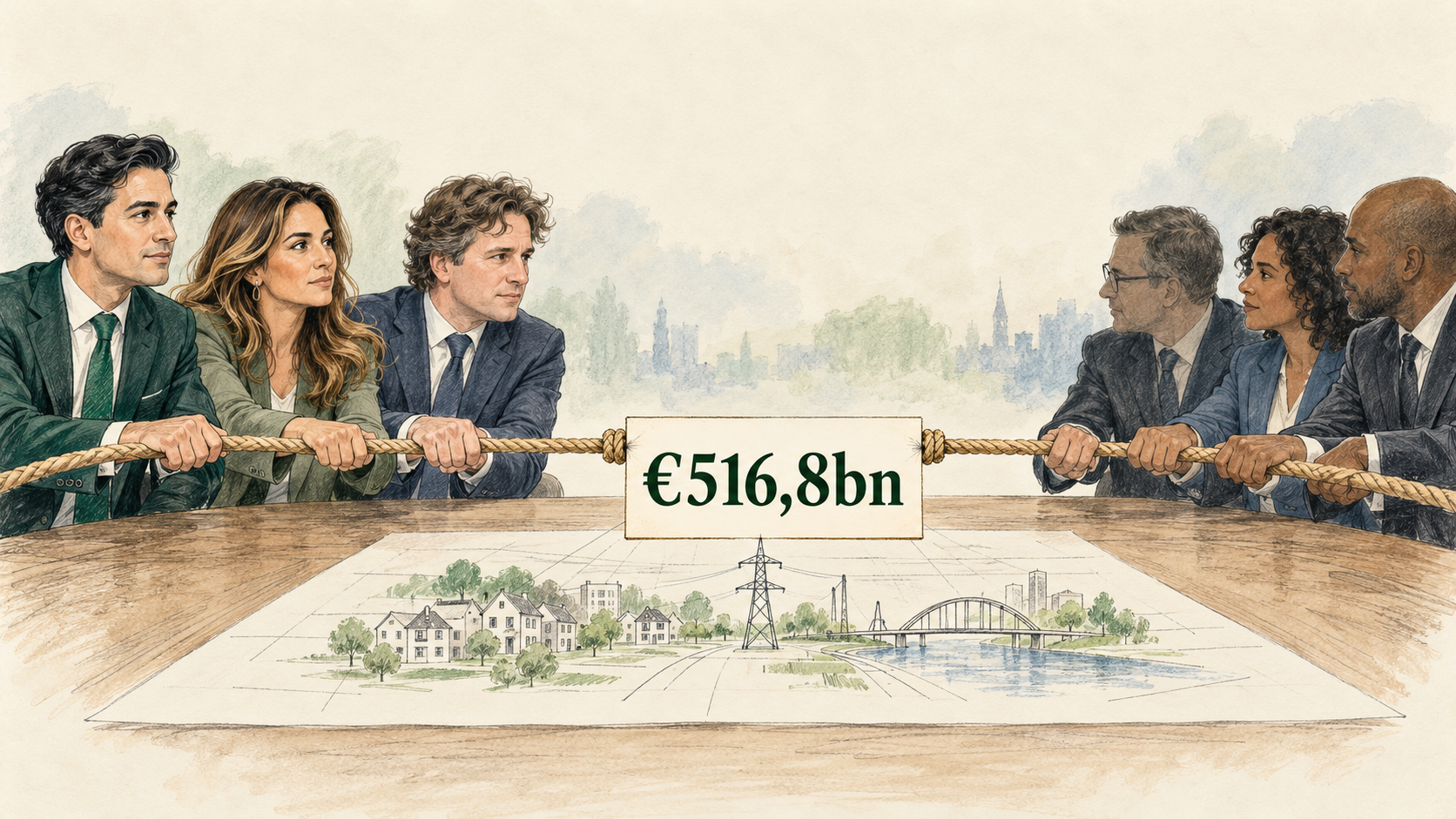
The Dutch budget talks are moving, but an agreement requires more than exchanged concessions. This Signal asks whether coalition and opposition can protect their mandates, share responsibility for the whole budget and make choices that endure beyond the next vote.
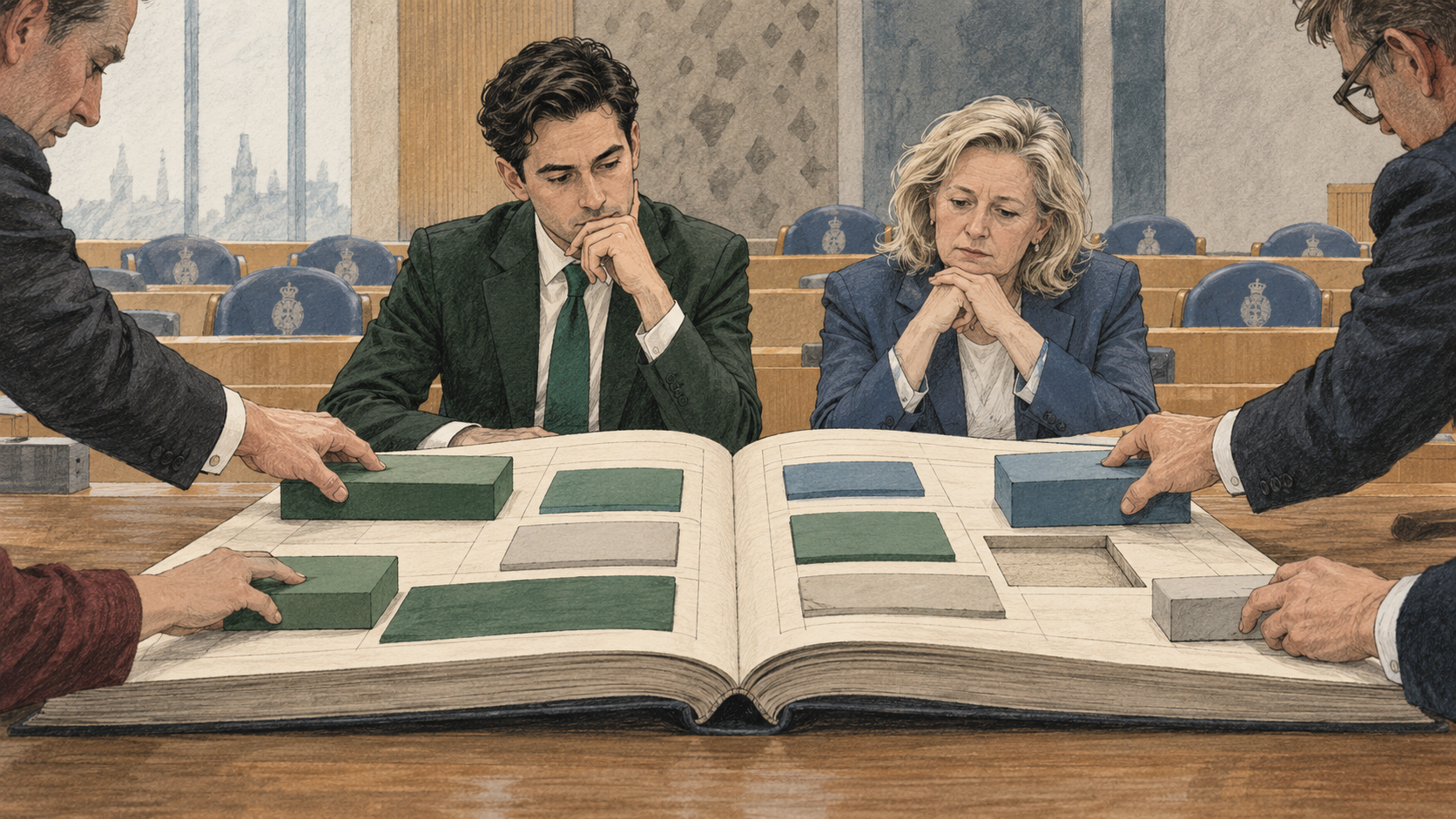
The Dutch budget is moving, but every concession raises a new question about funding. With social security savings deferred and the box 3 proposal under revision, can separate parliamentary bargains become one durable financial settlement?
Credit
Image: Altair Media
Caption
A minority government cannot rely on a fixed parliamentary majority. Governing Without a Majority follows how the Dutch 2027 budget moves through negotiation, amendment and approval — from government proposal to political bargaining in the Tweede Kamer and Eerste Kamer.
