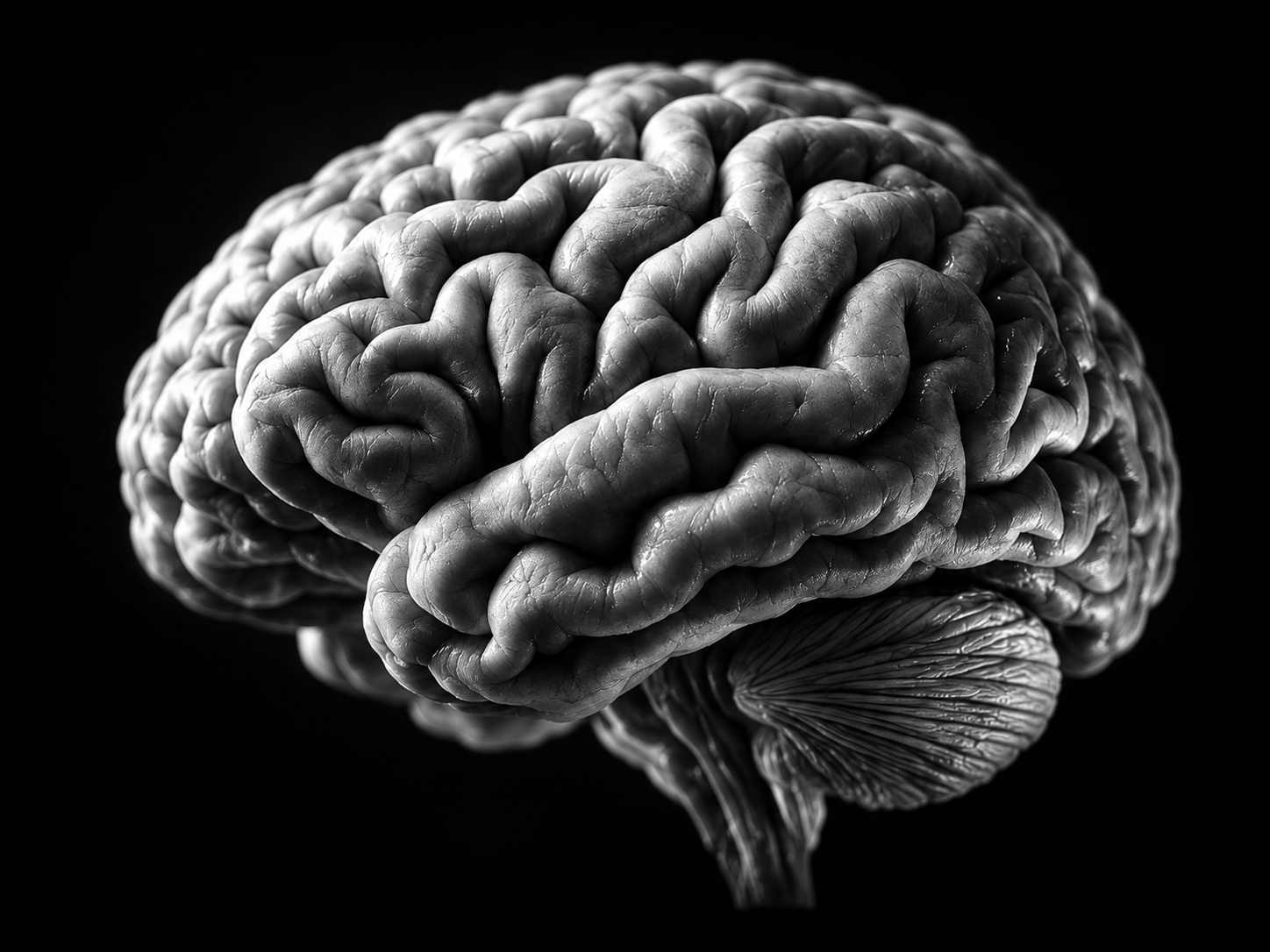
For decades, the human brain has shaped how we understand artificial intelligence. The comparison has been remarkably useful, but could it now be limiting our perspective? The revised second edition of ‘The Age of Light’ invites readers to reconsider intelligence through its physical foundations.
The Age of Light — Rethinking Intelligence
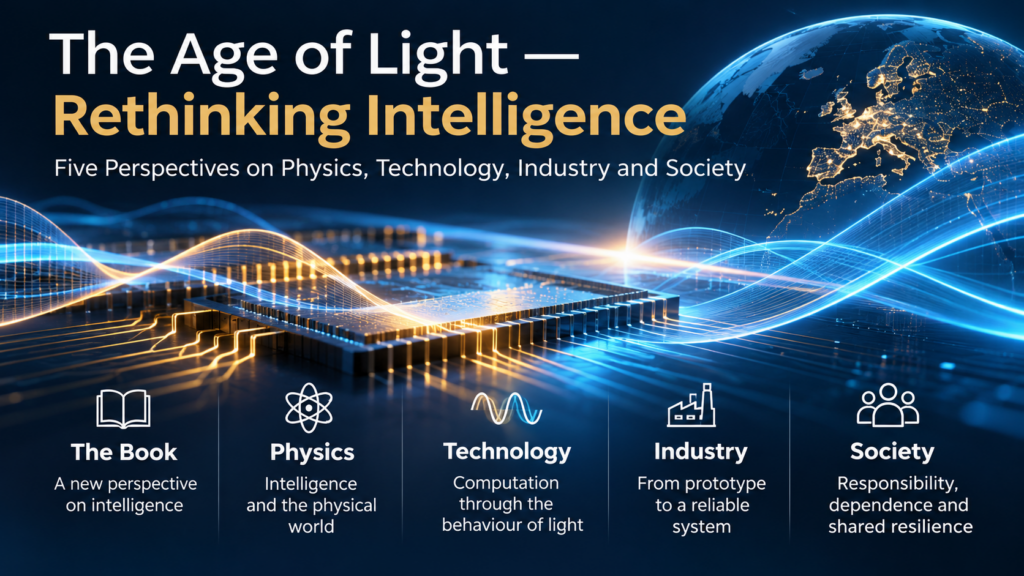
Five Perspectives on Physics, Technology, Industry and Society
Artificial intelligence is changing what machines can do. But understanding intelligence requires looking beyond algorithms and software. It means examining the physical conditions that make computation possible, the technologies that may change those conditions and the industrial and societal consequences that follow. Five perspectives explore the questions behind this changing relationship.
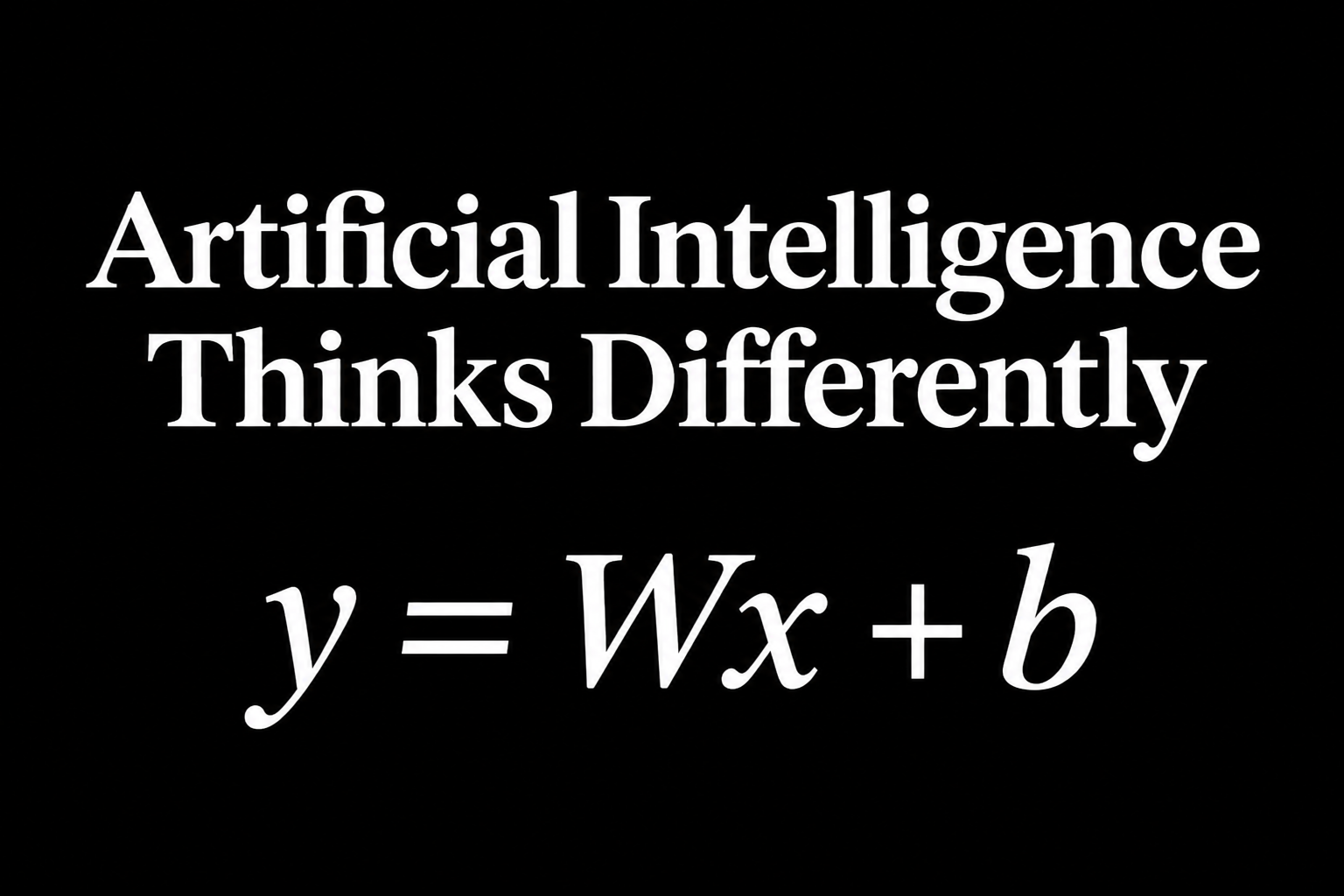
Artificial intelligence relies on mathematics, but the same calculations can be performed through different physical processes. What changes when light, rather than electronic circuits, helps process information? ‘The Age of Light’ explores how mathematics and physics together could open new possibilities for computing.
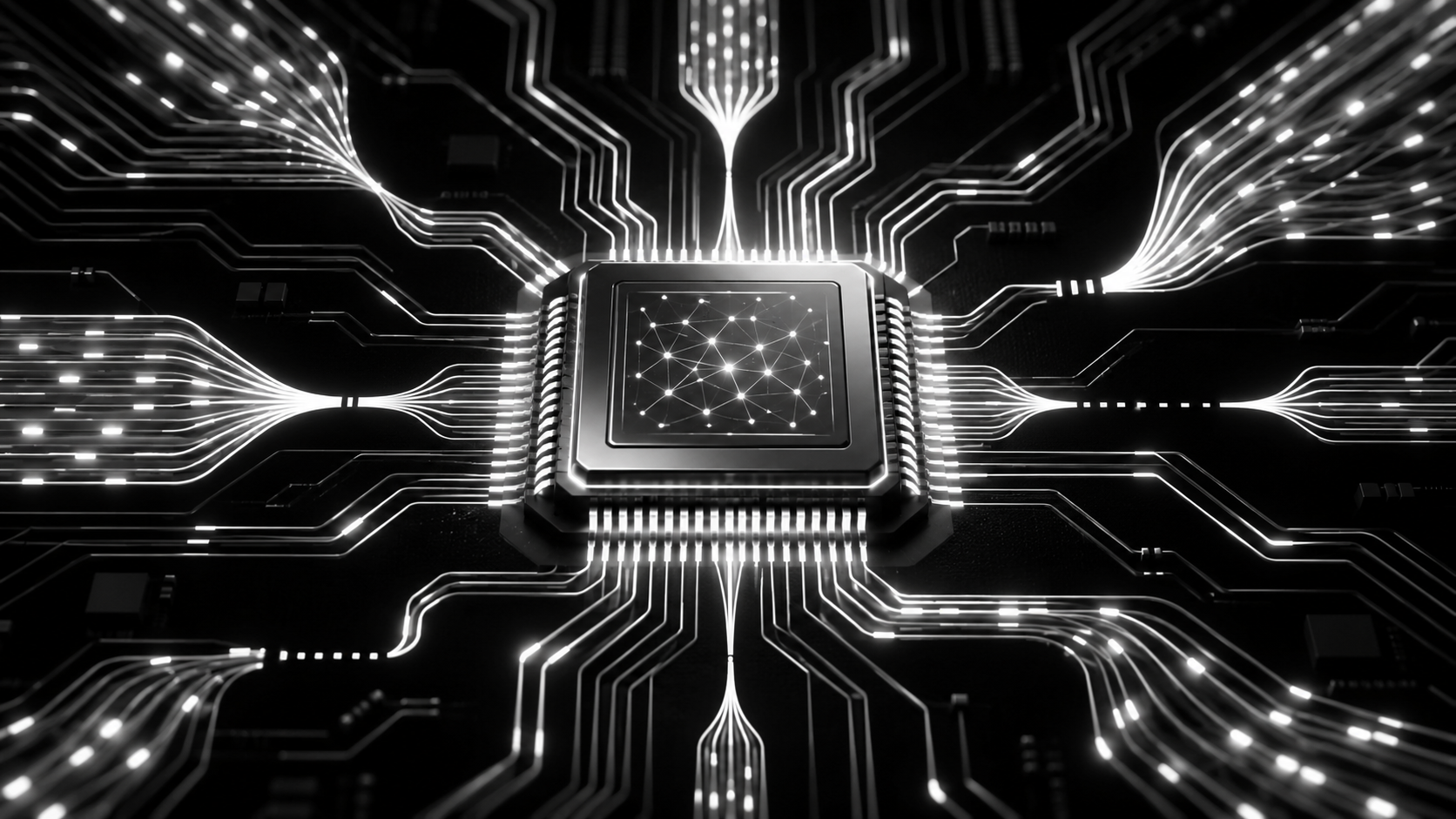
Modern AI processors can perform extraordinary numbers of calculations. But what happens when information cannot reach them fast enough? The third article in *The Age of Light — Rethinking Intelligence* explores why moving data, rather than processing it, may become one of computing’s greatest challenges—and how light could offer new possibilities.
About this series
Inspired by the revised second edition of The Age of Light, this five-part Altair Media series examines intelligence from perspectives that rarely come together in a single discussion.
Physics asks what different forms of intelligence reveal about the relationship between information and matter. Technology explores whether computation must always follow familiar electronic architectures. Industry examines the challenges of turning scientific possibilities into reliable products and infrastructure. Society considers how new technologies influence responsibility, economic relationships and geopolitical dependence.
Each article approaches these questions from the perspective of a different professional community. Rather than summarising the book, the series invites researchers, engineers, industrial leaders and policymakers to reconsider the assumptions shaping their work.
The common question throughout is not simply how intelligent our technologies may become, but how their physical foundations shape what becomes possible.
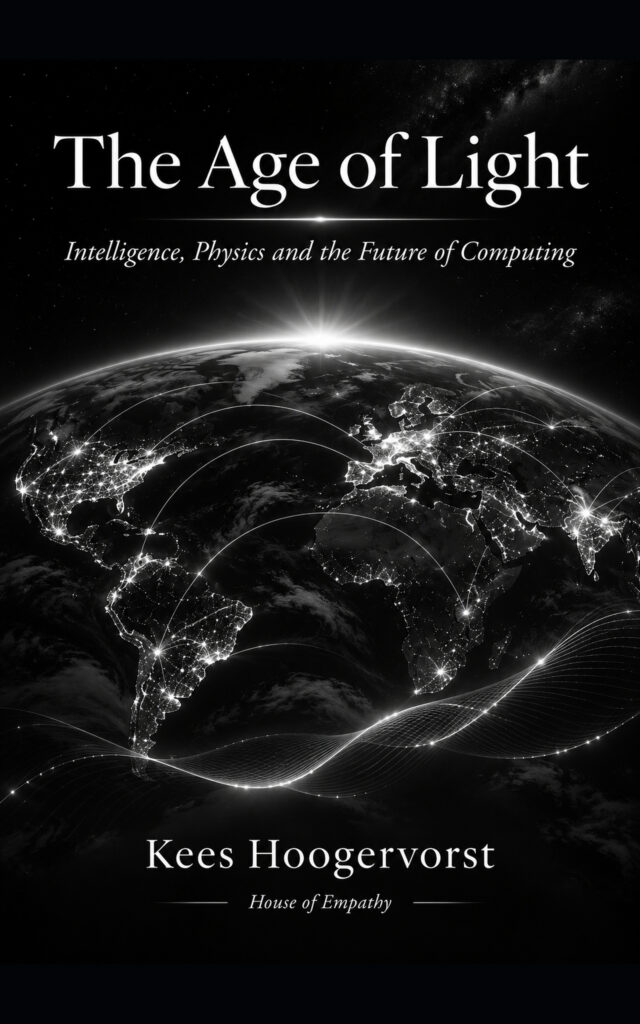
The Age of Light — Second Edition
What becomes possible when we stop using the human brain as our blueprint for artificial intelligence?
For curious readers, researchers and technology professionals, The Age of Light explores the shift from familiar assumptions about intelligence towards new ways of understanding computation through physics, emerging technologies and their consequences for society.
Available on Amazon
Kindle eBook — $7.99
Paperback — $16.99
Hardcover — $24.99
Prices shown for Amazon.com. Local prices may vary.
Image credit
Illustration: AI-generated editorial artwork developed with OpenAI for Altair Media / House of Empathy.
Image caption
From the physical foundations of intelligence to light-based computing, industrial applications and geopolitical dependence. The Age of Light — Rethinking Intelligence explores five perspectives on the relationship between technology and the physical world.
