Friday, October 2, 2026
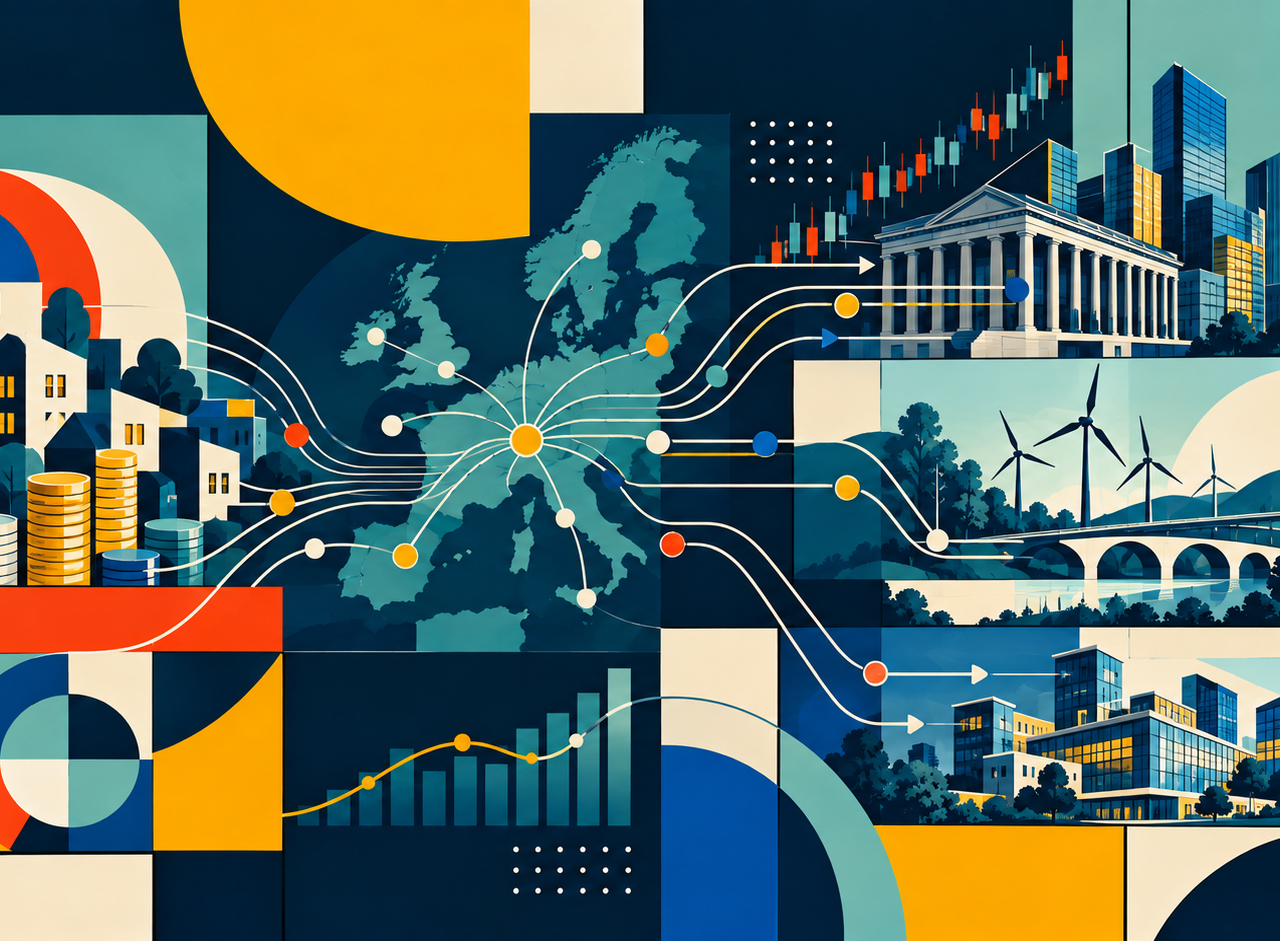
Europe has no shortage of savings. The harder challenge is turning those savings into productive investment. How Europe Gets Capital Moving examines the institutions, market structures and financial infrastructure that determine how capital reaches companies, innovation and long-term European growth.
Read More
Friday, October 2, 2026

Europe’s capital markets cannot integrate faster than the information systems beneath them. ESMA Data Day 2026 brings reporting, ESAP, market data and supervisory technology together — revealing how financial data is becoming a core layer of Europe’s Savings and Investments Union.
Read More
Thursday, August 27, 2026

Europe’s financial system is governed through a network of institutions rather than a single centre of authority. Who Governs European Finance maps the bodies that supervise markets, mobilise capital, safeguard banks, maintain monetary stability and manage failure — revealing how Europe’s financial architecture functions as a system.
Read More
Monday, August 24, 2026
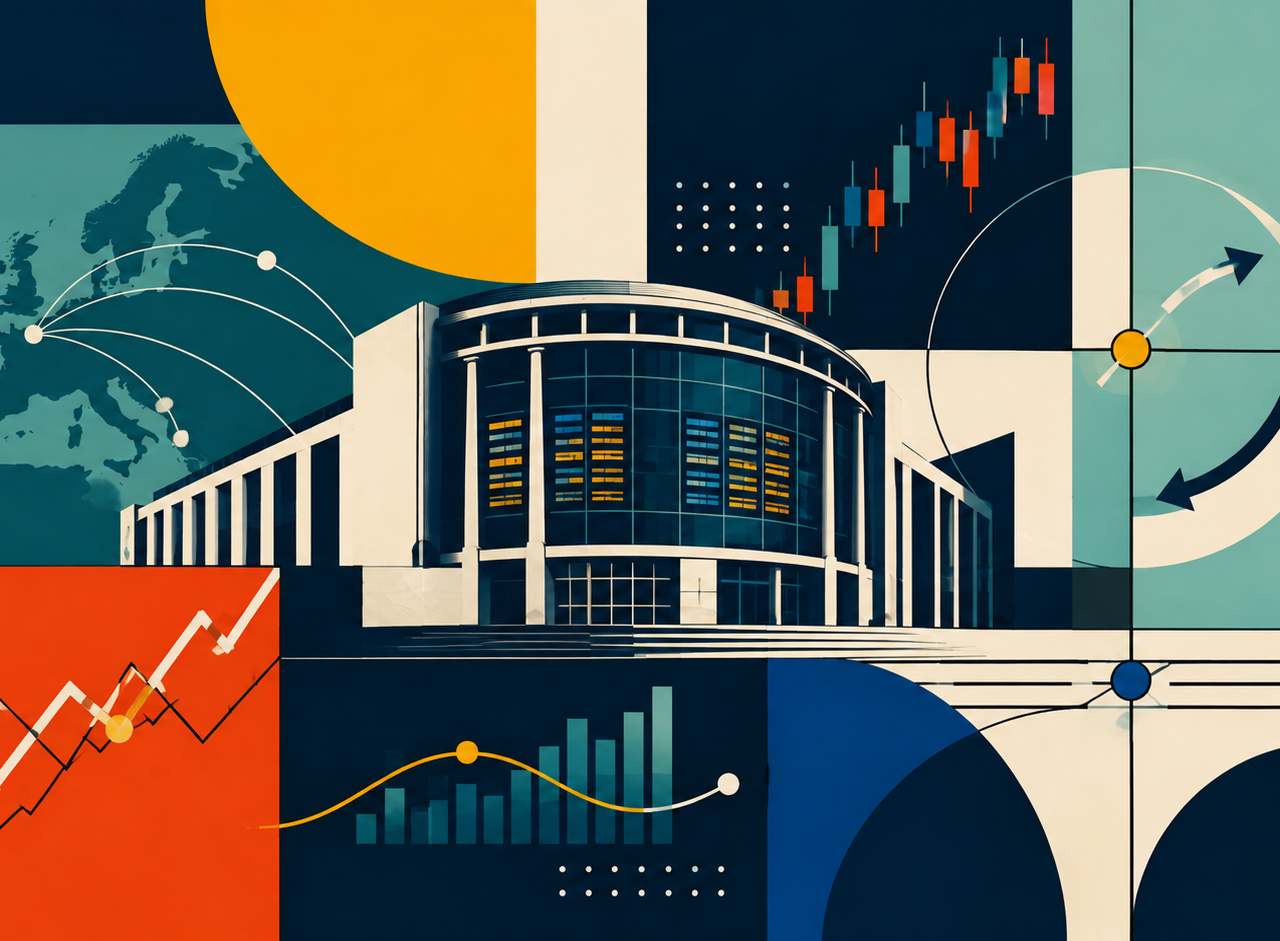
Europe’s capital markets depend on more than exchanges alone. Who Runs Europe’s Capital Markets? examines the companies operating the trading, data, clearing and market infrastructure through which European capital moves — and asks how those operators shape access, scale, resilience and investment across the continent.
Read More
Tuesday, August 18, 2026

As Europe’s capital markets become more connected, supervision remains largely national. ESMA is emerging as the institution best placed to guard that interface — protecting market integrity without becoming the operator or owner of the system.
Read More
Monday, August 17, 2026

Europe may already possess much of the financial infrastructure it needs. The deeper challenge is connecting markets, capital and institutions into a more continuous system — and determining who should guard the interface between them.
Read More
Thursday, August 13, 2026

Europe created a single currency, but not yet a single financial economy. Its exchanges reveal sophisticated but fragmented strengths. The next European project may therefore be neither one exchange nor one financial centre, but a connected European capital architecture.
Read More
Thursday, August 13, 2026

Luxembourg Stock Exchange shows how the role of an exchange can extend beyond raising capital. Through sustainable finance, it raises a deeper question for Europe: can financial markets make clearer not only where money goes, but what it is for?
Read More
Wednesday, August 12, 2026

Warsaw Stock Exchange helped Poland transition towards a market economy. Three decades later, it faces a different challenge: can Warsaw connect the growing companies and industries of Central and Eastern Europe with the deeper pools of capital available across Europe?
Read More
Wednesday, August 12, 2026

SIX Group raises an unusual question about modern financial markets. When banks and financial institutions collectively own infrastructure they also depend upon, ownership becomes more than a corporate matter — it becomes a question of governance, resilience and economic responsibility.
Read More

 Available here:
