Sunday, March 22, 2026

This series explores how capital shapes Europe’s technological, economic and societal systems. Moving beyond markets alone, it examines allocation, infrastructure and long-term investment — and asks whether Europe’s financial logic still aligns with its strategic ambitions.
Read More
Sunday, March 22, 2026

Altair Media Europe enters a new phase, reflecting on the structural transformation of Europe’s economic, cultural and technological systems. As regulation advances, a deeper question emerges: what foundations are still missing to sustain Europe’s long-term balance and direction?
Read More
Wednesday, March 18, 2026

As artificial intelligence reshapes how information is filtered and perceived, digital skills alone are no longer enough. Understanding the systems behind visibility, knowledge and decision-making is becoming essential for human capital, education and democratic participation in an increasingly algorithmic society.
Read More
Saturday, January 3, 2026

Europe rarely announces its strategic moves. When it does, they usually arrive wrapped in regulation, standards or carefully negotiated frameworks. Power is exercised indirectly, through architecture rather than proclamation. Nokia’s AnyCloud strategy fits squarely within that tradition. It is neither a manifesto nor a policy intervention, but an infrastructural choice with far-reaching consequences.
Read More
Friday, January 2, 2026
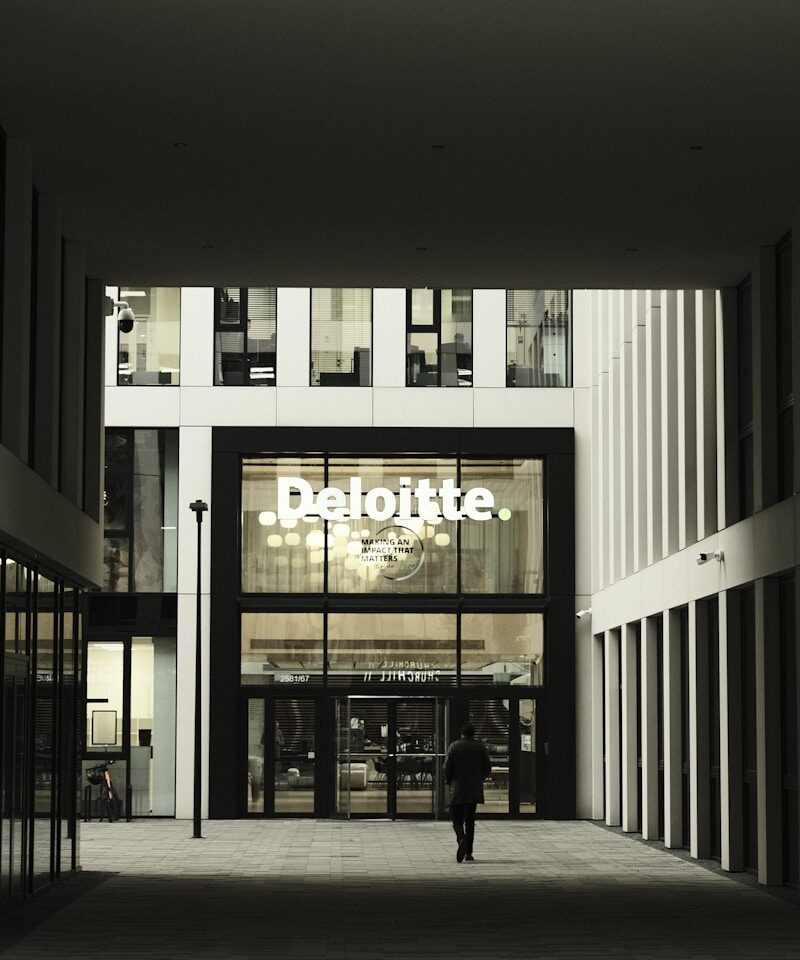
Artificial intelligence is often framed as a contest between platforms, startups and sovereign states. Public debate tends to revolve around models, chips and regulation. Yet beneath this visible layer lies a quieter infrastructure of influence: organisations that do not build AI themselves, but play a decisive role in how it is deployed, governed and ultimately normalised.
Read More
Monday, December 1, 2025

Europe has capital—immense pools of it—but much of that money never quite finds its way into the companies that could shape the continent’s technological or industrial future. On paper, Europe should be an investor’s dream: deep pension systems, world-class sovereign wealth players and a highly educated innovation ecosystem. Yet the deployment pattern tells a different story. Institutional investors continue to favour the United States, sprinkle selective exposure across Asia and keep their European allocations safe, liquid and conservative. The root cause is not a lack of ambition. It is a system that rewards caution and punishes scale.
Read More
Saturday, November 29, 2025

Quantum computing is not just the next step in computing: it is a fundamentally different paradigm. Unlike traditional computers, which use bits that are either 0 or 1, a quantum computer uses quantum bits — qubits. These qubits can exist in superposition (both 0 and 1 simultaneously) and can become entangled with one another, meaning their states become deeply linked even when separated.
Read More
Saturday, November 29, 2025
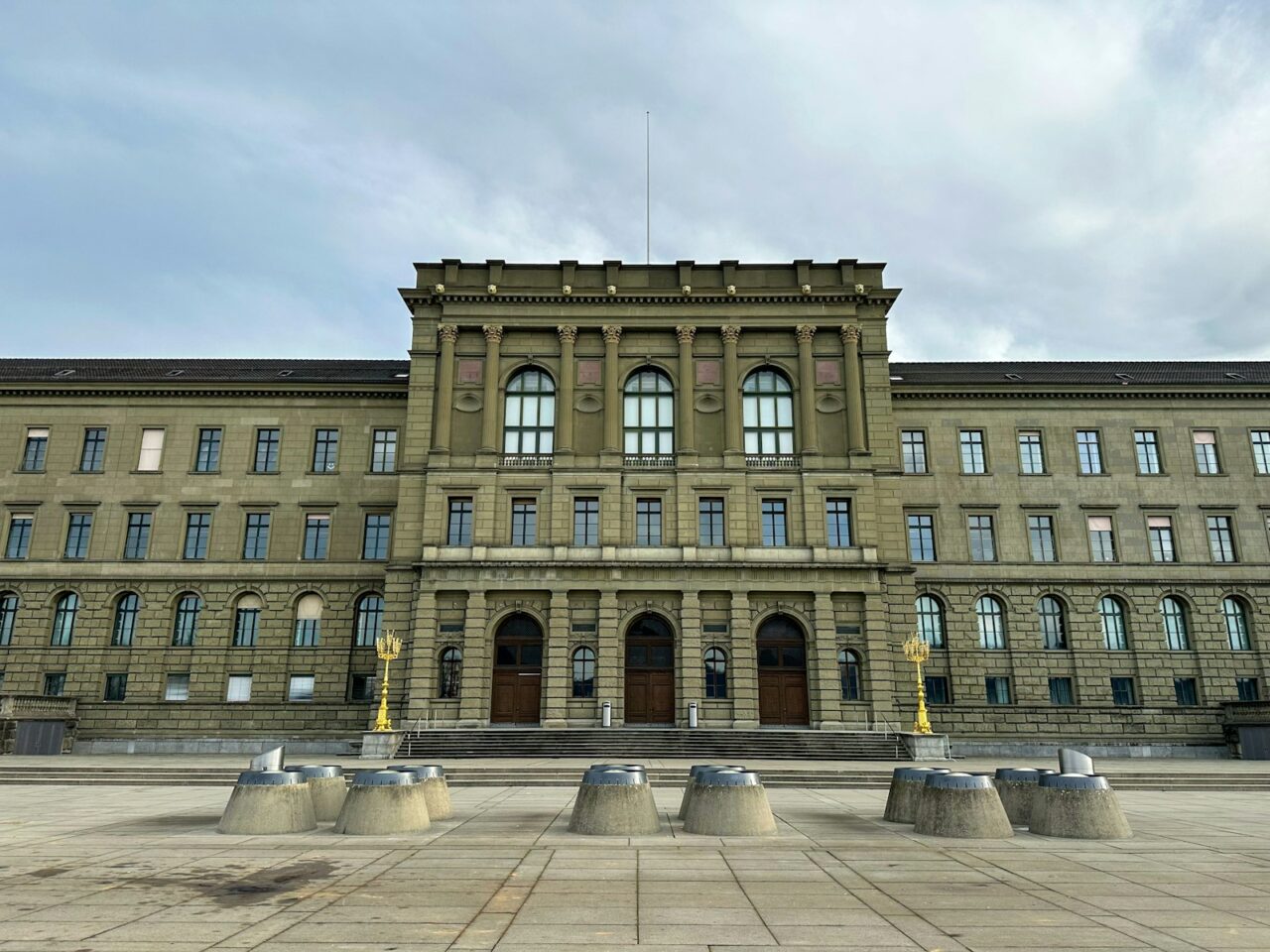
Europe is home to some of the world’s most prestigious AI faculties. Institutions like ETH Zürich, the Technical University of Munich, EPFL, Oxford and Cambridge consistently produce research that ranks among the very best globally. Their professors are leaders in fields such as robotics, neuro-symbolic AI and trustworthy AI, attracting top PhD students and forming vibrant hubs of expertise. With such talent and intellectual firepower, Europe should, on paper, be a major force in the AI landscape.
Read More
Friday, November 28, 2025

Europe is entering a decisive phase in its technological trajectory. While the global AI race is often framed as a binary contest between the United States and China, the real story is more complex. Europe is quietly, sometimes reluctantly, shaping itself into a multi-node AI power structure—one built on industrial strength, democratic governance and a patchwork of national strategies that do not always align but together form a distinctive technological identity.
Read More
Friday, November 14, 2025

While the world often focuses on Wall Street, a quieter revolution is unfolding in China. Once seen primarily as the “factory of the world”, China is now emerging as a global powerhouse in digital finance, leveraging technology, scale and state coordination to reshape the rules of capital. From mobile payments to digital banking, fintech innovation in China is not just about efficiency— it’s a strategic move to extend influence beyond its borders.
Read More

 Available here: