Friday, February 13, 2026

A senior European photonics leader leaves a flagship public institute for Huawei’s research center in London — a move that illuminates far more than a personal career shift. It reveals the growing struggle over who will control the physical infrastructure of AI, telecom networks and the digital economy.
Read More
Monday, February 9, 2026

AI is not exhausting our energy systems because it computes too much, but because digital infrastructure still wastes energy on heat, resistance and cooling. Photonics offers a structural way out.
Read More
Thursday, February 5, 2026

As AI-driven data centres scale at unprecedented speed, France’s centralised nuclear system faces a new kind of pressure. Built for stability, not acceleration, the grid must now absorb volatile demand while digital sovereignty increasingly depends on physical energy control.
Read More
Thursday, January 15, 2026

British Telecom sits at a fascinating — and risky — crossroads. While Deutsche Telekom has chosen to dominate the AI software stack with AI-Phones and proprietary clouds, BT has embraced a radically different path: industrial acceleration and the careful demolition of the past.
Read More
Wednesday, December 17, 2025

Artificial intelligence is usually discussed in extremes. Policymakers focus on the macro level, debating global power, competition between the United States, China and Europe, and the broader strategic consequences of AI. At the other end, the public and businesses experience AI at the micro level, through products, automation and daily decision-making. But the meso layer — the physical and organizational infrastructure that makes AI possible — is often invisible in the conversation. And yet, it is precisely this middle layer that explains why AI debates frequently stall.
Read More
Friday, December 12, 2025

Europe is entering a decisive moment. While the United States and China continue to dominate the global AI landscape, Europe is searching for a path that protects its values without sacrificing competitiveness or autonomy. The real question is no longer whether Europe should build its own AI model, but what kind of model is actually achievable — and how it can turn its structural strengths into strategic leverage.
Read More
Friday, December 5, 2025

Amazon Web Services has become more than a cloud provider; it is an invisible layer of global infrastructure that quietly determines where digital economies can grow. Nowhere is this more visible than in the geography of its datacenters. Dublin, Frankfurt, Stockholm, Singapore and Northern Virginia are not just strategic locations; they are geopolitical anchors in a world where data borders matter as much as physical ones. Each region has evolved into a gravitational center for AI companies, research institutions and cloud-native industries, pulling talent and investment toward the places where AWS capacity exists.
Read More
Thursday, December 4, 2025
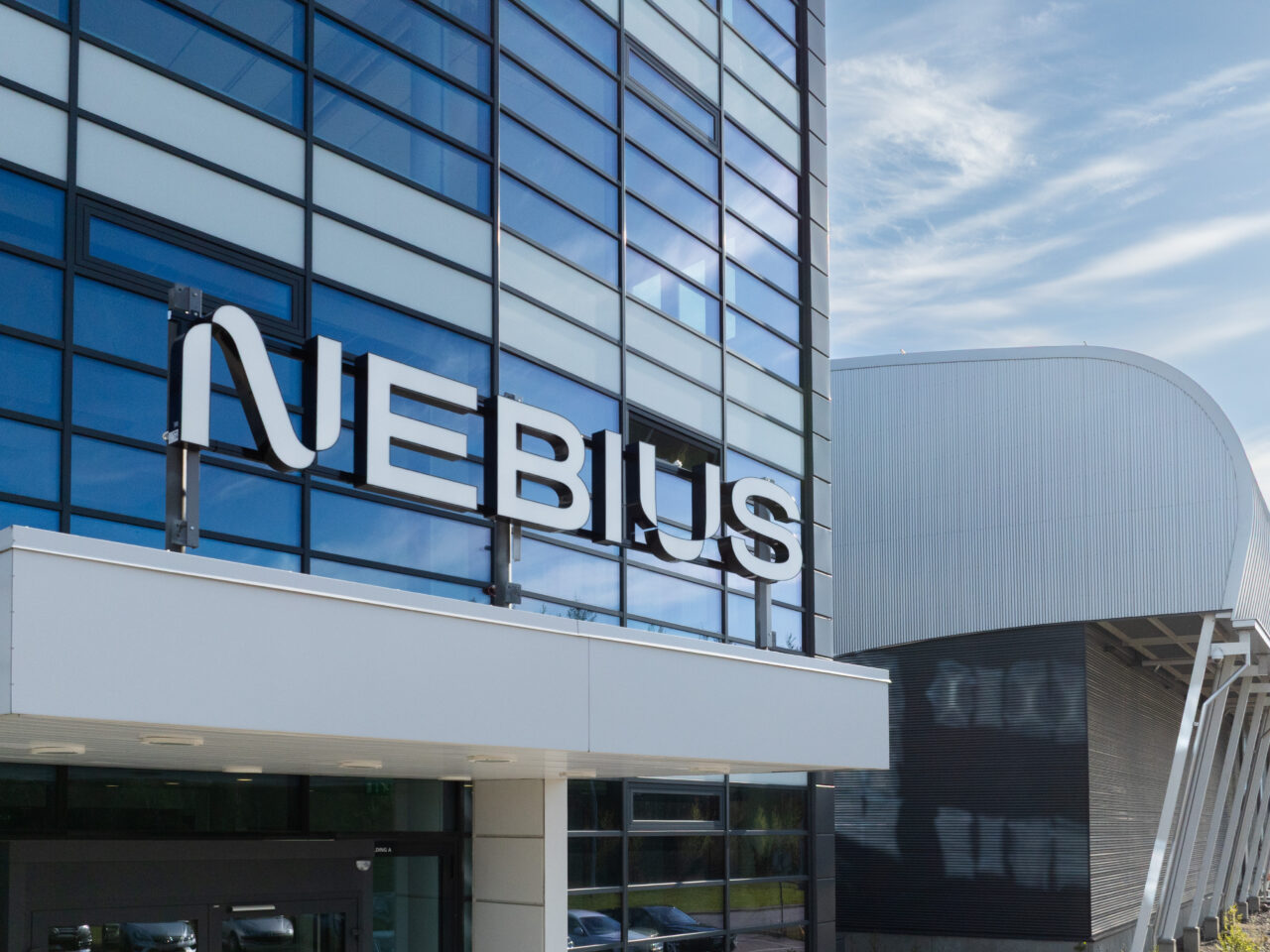
Nebius emerged quietly, almost unexpectedly, as one of Europe’s most strategic AI-infrastructure players. Its corporate home in Amsterdam–Schiphol Rijk gives it a European identity, but its operations stretch far beyond Dutch borders. Born from the international restructuring of Yandex in 2024, Nebius now positions itself as an independent global technology group, building cloud systems designed not for traditional enterprise workloads, but for intensive AI training and high-performance computing.
Read More

 Available here:
