
Monaco functions as one of Europe’s most extreme concentrations of wealth, finance and symbolic prestige. This portrait explores how capital, geography and micro-sovereignty shape everyday life, revealing a society where territory increasingly operates as financial infrastructure.
Strategic Culture
Strategic culture shapes how societies understand power, security and international relations.
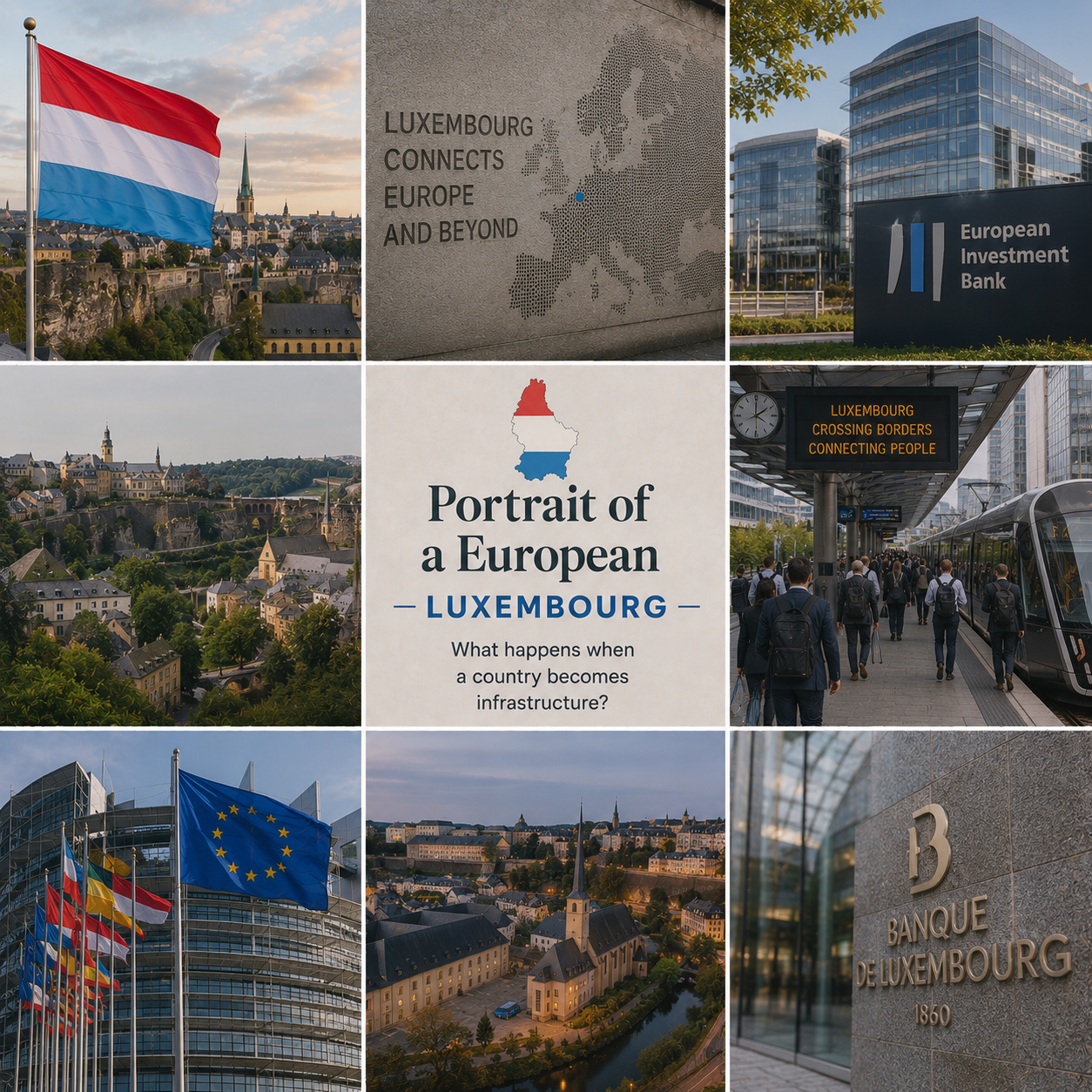
Luxembourg functions less like a traditional nation-state and more like a European infrastructure hub. This portrait explores how finance, cross-border labour and supranational governance shape everyday life, revealing a society where connectivity and systems increasingly define national importance.

Does something like a European truly exist? In this series, we explore how people across the continent see themselves—through work, income, identity and place—and what these portraits reveal about a Europe that is shared, yet never the same.
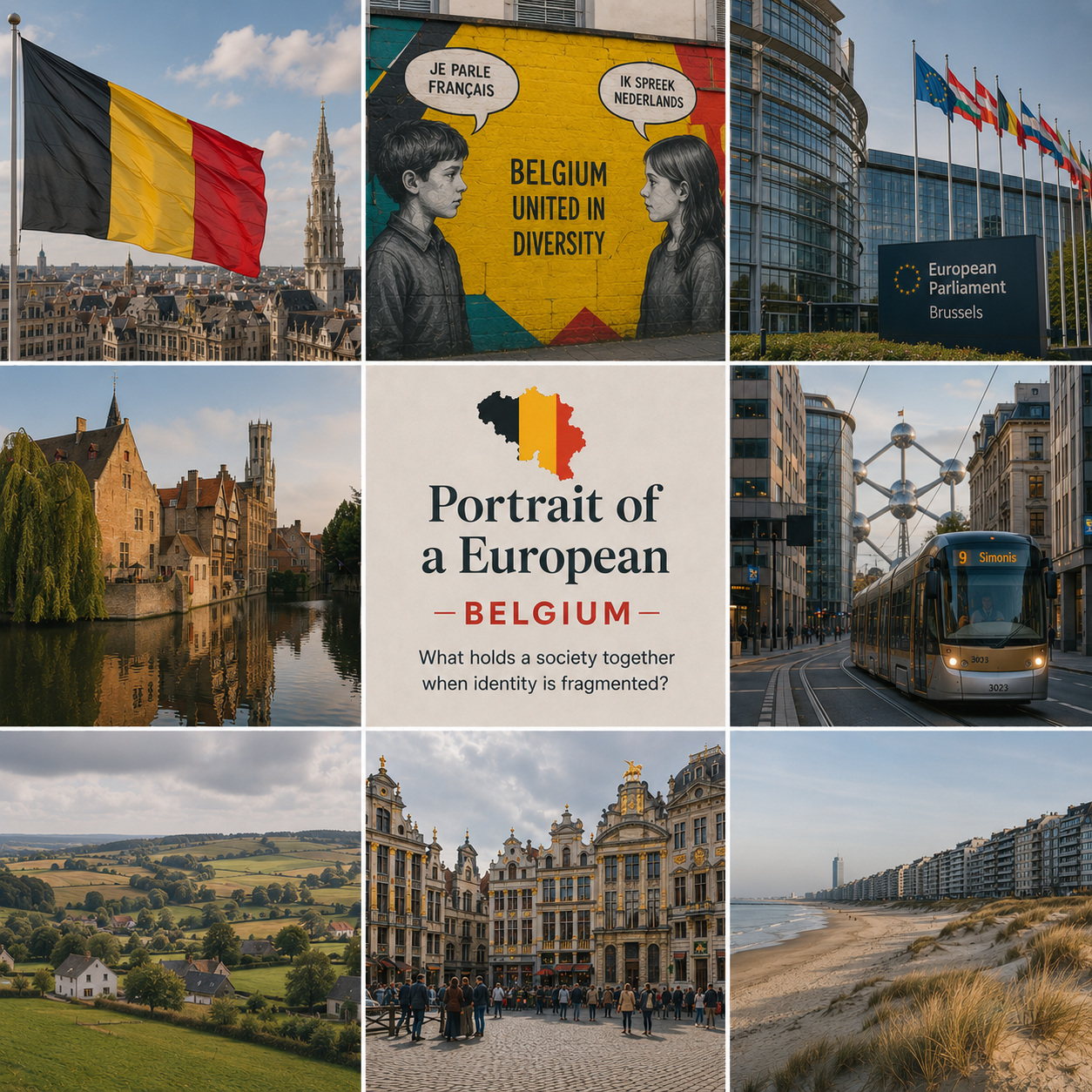
Europe increasingly debates infrastructure in terms of chips, cloud and AI. Yet beneath every technological system lies another layer that is far less visible: culture. Not as entertainment, but as the shared meaning, memory and public cohesion that allow democratic societies to remain socially recognizable at all.

Ireland transformed from a peripheral European economy into a globally connected technology and financial hub. This portrait explores how globalisation, postcolonial identity and American influence shape everyday life, revealing a society balancing rapid economic growth with questions of sovereignty and continuity.

Norway combines extraordinary energy wealth with strong social cohesion and political autonomy outside the European Union. This portrait explores how sovereignty, Arctic strategy and long-term planning shape everyday life, revealing a society balancing independence with deep European interdependence.
