
Silicon Valley is often treated as the ultimate template for innovation — the place where software giants were born, where venture capital became a cultural force and where new technologies could move from idea to global impact within a single product cycle. So when Europe looks for its own hubs of innovation, the comparison is inevitable: Is there a European Silicon Valley?
Latest Articles
Stay informed with the latest stories from Altair Media exploring the technologies, infrastructures and policy developments shaping modern economies across Europe and the wider global landscape.

If the AI revolution had a calm center of gravity, it would be Sundar Pichai — the soft-spoken strategist who quietly runs one of the most powerful AI engines on the planet.
While others make noise, Pichai makes scale. While others argue about AGI, he simply builds the infrastructure to get there.
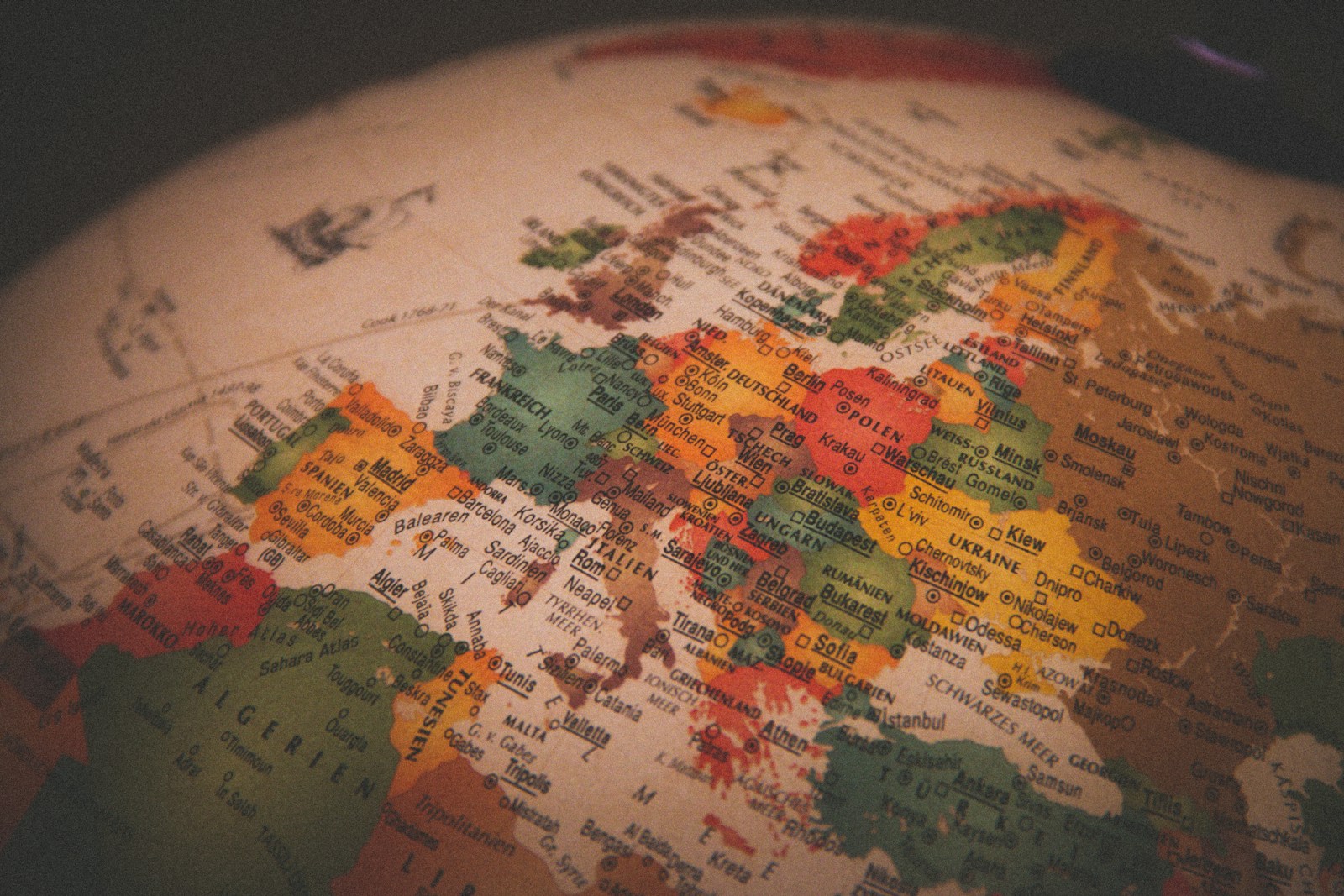
Europe loves the idea of speaking with one voice on artificial intelligence. It imagines itself as a unified digital bloc, capable of regulating, innovating and competing on equal terms. But behind the political speeches and shared legislation lies a reality that is far more complex: Europe does not inhabit one digital future — it inhabits twenty-seven.

The Industrial Revolution and the AI Revolution share a striking parallel: both are moments where technology fundamentally challenges the human role. The shift from steam power to artificial intelligence presents humanity with the same core dilemma: unprecedented opportunity versus the anxiety of mass change. We are watching the sands of the hourglass run out on the old ways of working and living. How will we ethically and intelligently navigate this transformative era?

Europe likes to present itself as the world’s moral anchor in the age of artificial intelligence. It wants to be the region where technology is shaped by human rights, democratic values and ethical principles rather than by Silicon Valley’s commercial logic or Beijing’s state-driven ambitions. On paper, that is a noble mission. But once you look closely at how Europe actually approaches AI — how laws are made, how member states behave and how uneven the digital landscape truly is — a far more complicated picture emerges.

Artificial Intelligence (AI) is no longer just a buzzword—it’s reshaping industries, creating new business opportunities and redefining how we work. Entrepreneurs everywhere are experimenting with tools like ChatGPT, but many still ask: what should I actually do with AI in my business?
