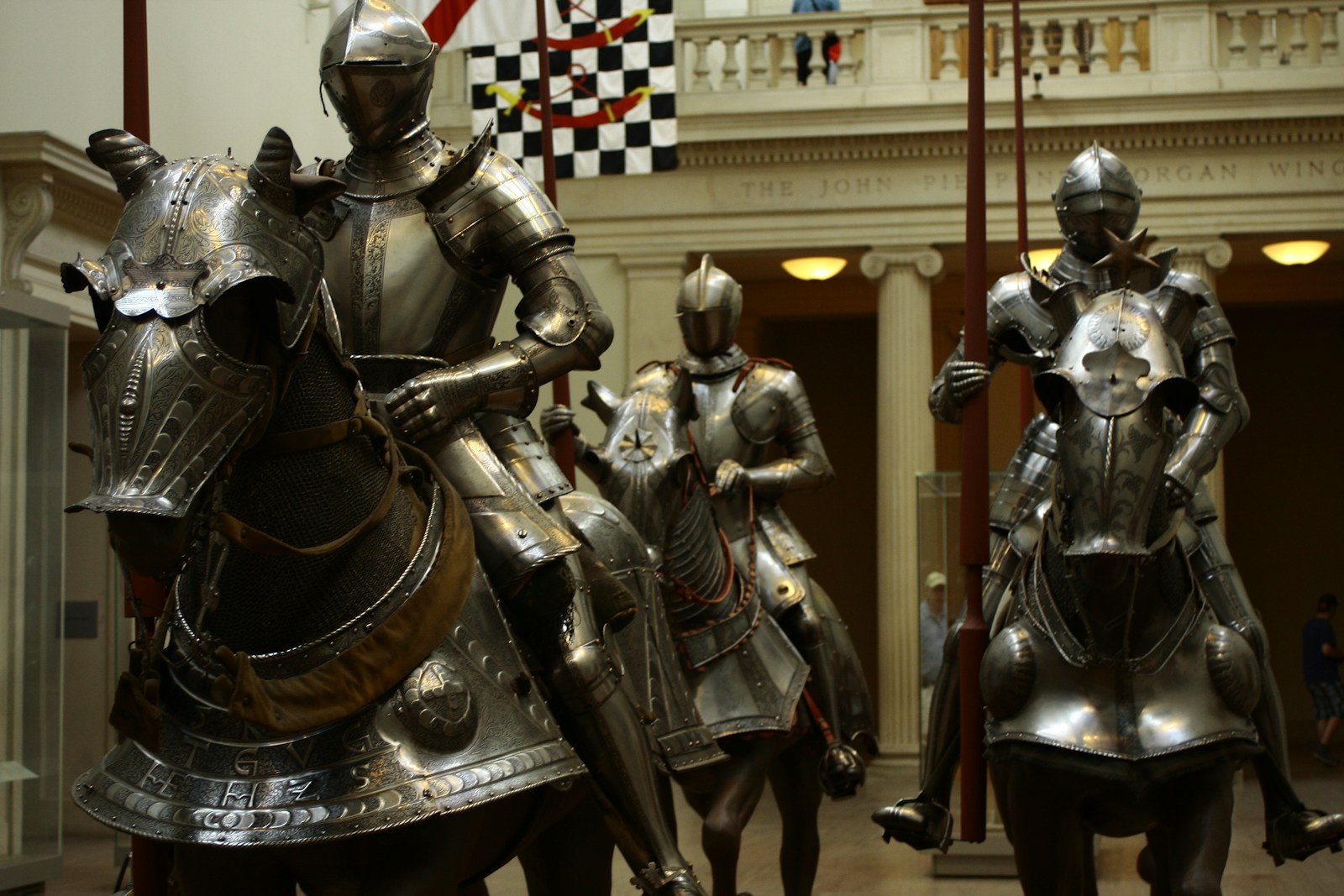
Sovereignty in the 21st century is often misunderstood. Governments and regions talk about autonomy as if it meant complete independence, a digital Fort Europa impervious to the outside world. In reality, true sovereignty is far more nuanced. It is not about building isolated islands of control; it is about creating resilient, interoperable networks where strategic autonomy and collaboration coexist.
Essays
Altair Media essays offer deeper reflections on the structural forces shaping infrastructure, technology and society. These long-form contributions explore ideas, historical context and emerging trends, providing thoughtful perspectives on the systems, strategies and developments defining the future of modern economies.

Fake news is no longer just a clumsy Photoshop job or a wild conspiracy thread. It has evolved into a sophisticated ecosystem of deception: deepfake videos that put words in the mouths of presidents, AI-generated articles that sound wiser than most humans and social media feeds that reward outrage over accuracy. And the worst part? We are voluntarily drowning in it.

Yesterday Geoffrey Hinton, the man who taught machines to dream, gave his verdict: Google will win the AI race. Not maybe. Not probably. Will.

When Elon Musk launched Grok, he didn’t just want another chatbot. He wanted an AI that is “unfiltered”, fast and integrated with the social media ecosystem—a digital assistant with attitude. Grok is deliberately different from the polished, neutral AI assistants most are used to. It is bold, ironic and draws directly from real-time trends and discourse on X (formerly Twitter).

Europe has spent the last decade defining itself through rules. From data protection to online platforms and now artificial intelligence, the continent has become the world’s most assertive regulatory power. It is a role Europe embraces proudly: the guardian of ethics, human rights and democratic values in a digital age often dominated by commercial or authoritarian interests.
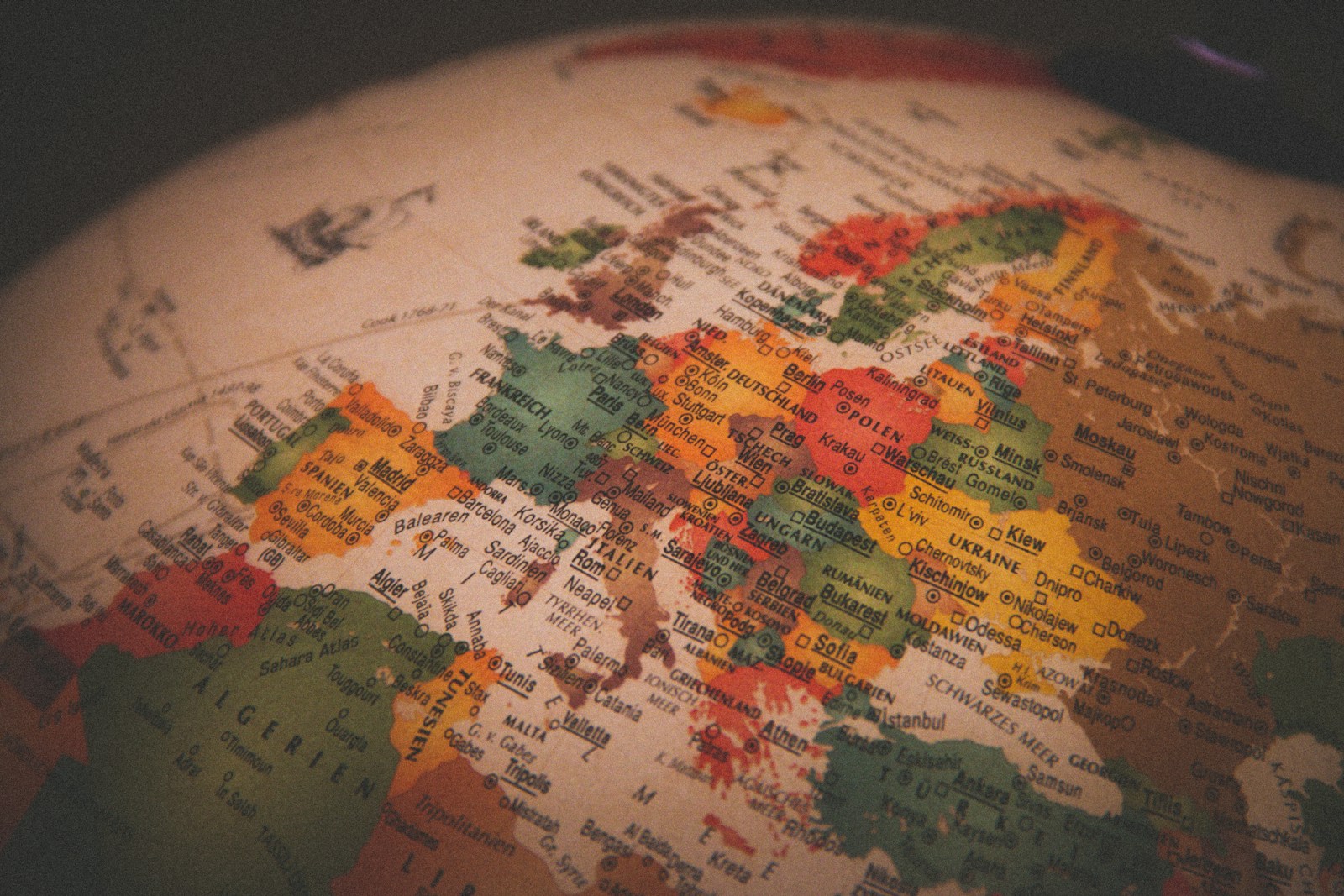
Europe loves the idea of speaking with one voice on artificial intelligence. It imagines itself as a unified digital bloc, capable of regulating, innovating and competing on equal terms. But behind the political speeches and shared legislation lies a reality that is far more complex: Europe does not inhabit one digital future — it inhabits twenty-seven.
