
For the first time in history, the world’s most influential newsrooms no longer belong to media companies — they belong to citizens. A teenager with a phone can now inform millions before traditional outlets have even confirmed the story. TikTok, X and YouTube haven’t just disrupted journalism; they’ve rebuilt it into a global, real-time, crowdsourced network.
Creative Industries
Creative industries connect culture, technology and entrepreneurship, generating new forms of expression, innovation and economic value.

In an era defined by rapid technological change, geopolitical competition and accelerating innovation cycles, one truth cuts through all complexity: nations rise or fall on the strength of their talent. The next generation of thinkers, builders and innovators will determine whether economies can adapt — or be left behind.
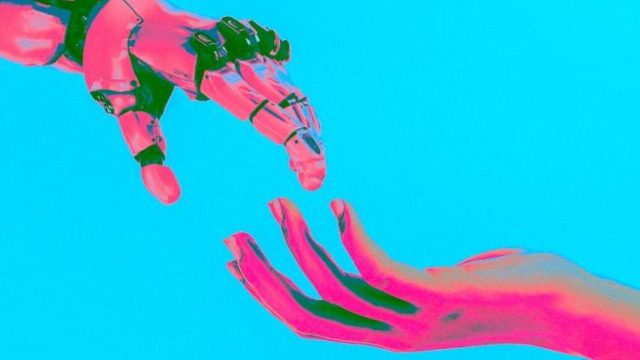
AI is advancing faster than society can adapt. Like the industrial revolution, this shift isn’t anyone’s fault — it’s evolution. But evolution needs reflection. The real challenge isn’t just building human-centered AI, but ensuring humanity is ready to live and work with it.

Europe, the United States and large parts of Asia are facing the same challenge: there simply aren’t enough highly skilled tech specialists and creative innovators to deliver on their digital and economic ambitions. Demand for AI engineers, semiconductor experts, data scientists, cybersecurity specialists and deep-tech researchers is exploding — but supply continues to lag far behind.

The collapse of traditional journalism has left a gap once filled by gatekeepers — now anyone with a smartphone can publish. In this article, we explore how print media fell, citizen reporting rose and AI is reshaping the way we create, consume and trust news. Who decides what’s real in a world of billions of voices?

The collapse of traditional media did not happen overnight. It arrived in waves — first with the mobile phone in the late 1990s, then the internet boom, the rise of social platforms, the dominance of search engines and today the acceleration of artificial intelligence. Each wave intensified the pressure on newspapers, magazines, radio broadcasters and the editorial profession. What once seemed unshakeable — the authority of journalists, the business models of publishers, the cultural power of print — has been quietly eroded.
