Friday, May 1, 2026

Europe defines values through policy, but capital tells a different story. This essay explores how financial systems shape what is recognised as value — and why that gap may be Europe’s most overlooked structural challenge.
Read More
Thursday, April 30, 2026

Europe holds vast pools of long-term capital, yet much of it fails to finance the systems that define its future. This essay explores why safety, as currently defined, may be Europe’s greatest long-term risk.
Read More
Thursday, April 30, 2026

Netflix does not own infrastructure or control platforms, yet its scale of traffic shapes how networks evolve. In a system driven by demand, usage itself becomes a form of power—subtly influencing investment, capacity and the architecture of connectivity.
Read More
Wednesday, April 29, 2026

Europe’s approach to AI is not defined by speed or scale alone, but by the conditions under which systems operate. As capability, deployment and governance converge, the question becomes whether Europe can build AI on its own terms.
Read More
Wednesday, April 29, 2026

Amazon has built a form of infrastructure that operates beyond borders, decoupling geography from control. As Europe’s economy increasingly depends on this layer, the question is no longer where data resides—but where the system itself is governed.
Read More
Tuesday, April 28, 2026

Microsoft does not own Europe’s networks—but increasingly shapes how they operate. As telecom shifts toward software and cloud-based infrastructure, control moves from hardware to platforms, raising a critical question: who governs the system behind the network?
Read More
Monday, April 27, 2026

An answer is not an explanation. As AI systems optimise for performance, the gap between output and understanding becomes harder to ignore. What we ask machines to explain reveals what we are willing—or unwilling—to understand ourselves.
Read More
Monday, April 27, 2026

Ericsson defines how networks function—through standards, patents and the physics of connectivity. But as power shifts toward cloud and orchestration, the question is whether control at this foundational layer can translate into influence across the system.
Read More
Monday, April 27, 2026
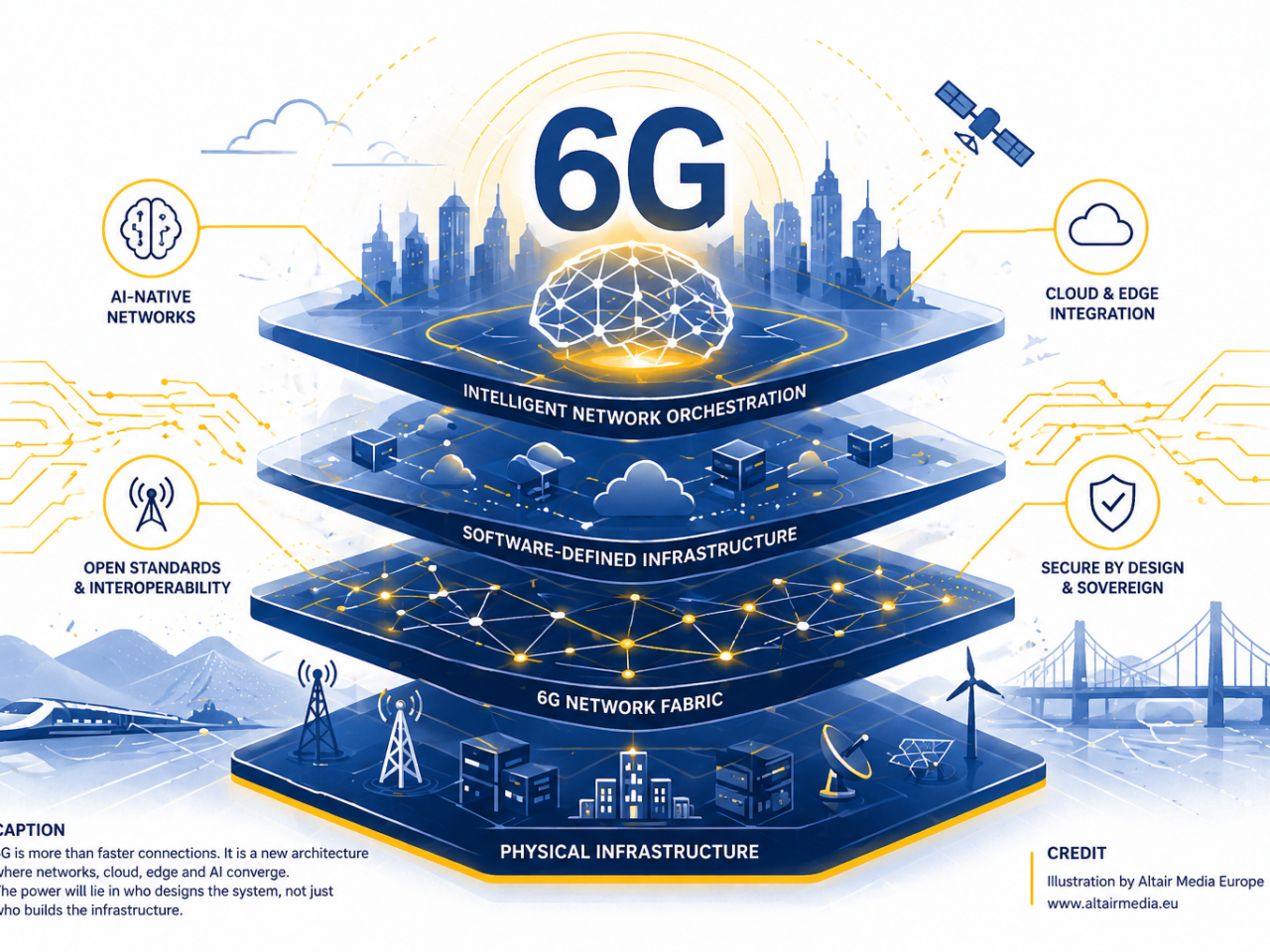
Nokia does not operate Europe’s networks—but helps design them. As telecom shifts toward software, standards and 6G architecture, its role becomes strategic. The question is whether design influence can translate into control in a system defined above the network.
Read More
Monday, April 27, 2026
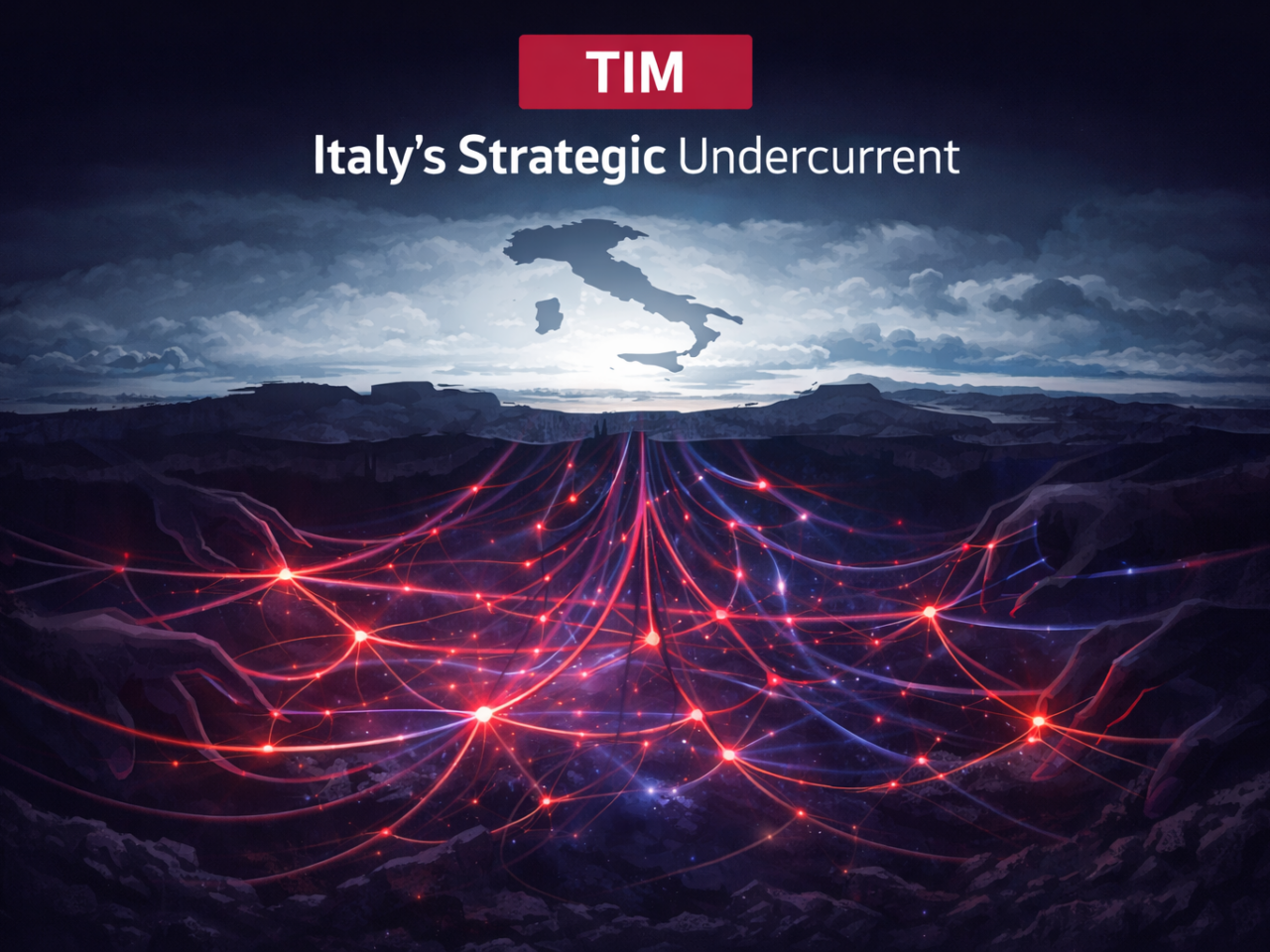
TIM reveals the hidden struggle beneath Europe’s digital infrastructure. As debt, private equity and national interests collide, control over networks becomes fluid—raising a deeper question: who owns sovereignty when infrastructure itself is in play?
Read More

 Available here:
