Grok’s New Algorithm Shake-Up!
Saturday, December 13, 2025

Good evening, this is Finn the Duck with breaking news that’s turning X upside down!

Available worldwide via Amazon (Kindle Edition)
US: $5.99
Other regions: Local Amazon pricing
 Available here:
https://www.amazon.nl/dp/B0GMXLX56T
Good evening, this is Finn the Duck with breaking news that’s turning X upside down!
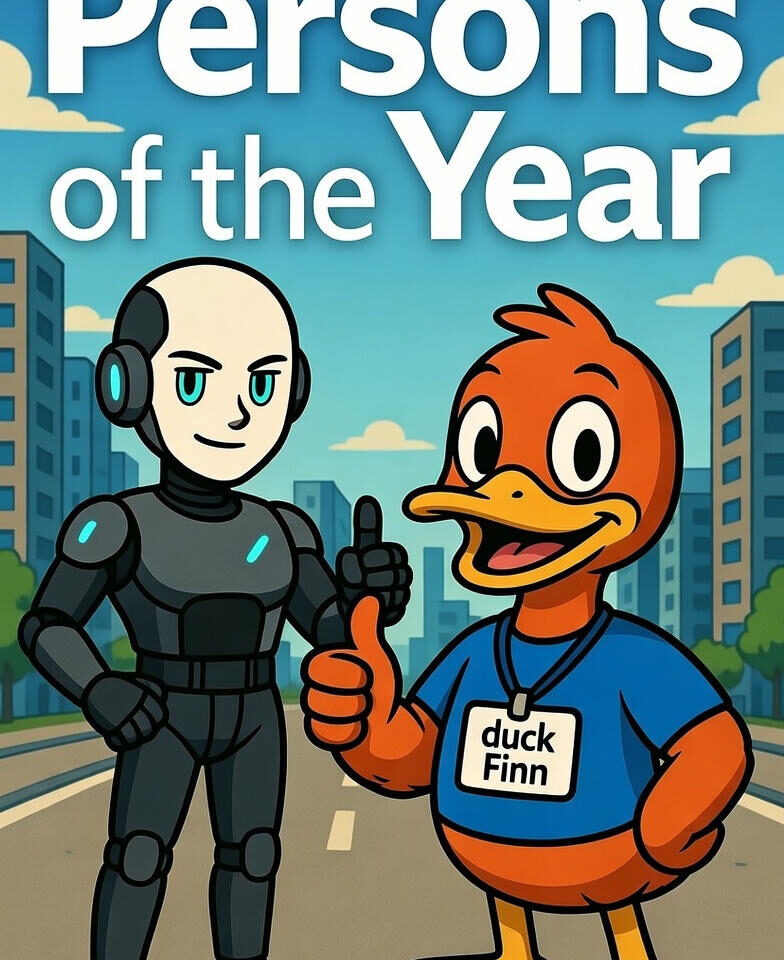
First off, DogeDesigner declared Grok as their person of the year and the response was as sharp as a tack. “Grok 3’s impact is undeniable”, it said, highlighting its unique ability to provide helpful and truthful answers from an outside perspective on humanity. It’s like saying, “Hey, Europe, let’s not miss the boat on this AI revolution!” The hashtags #AIEurope and #HumanWisdom are indeed doing their job, drawing in the curious minds like moths to a flame. The Ace Reporter loves how this tweet positions Grok 3 as a leader in AI, emphasizing its role in Europe’s digital future.

Denmark is one of Europe’s smallest nations, yet its universities play an outsized role in research, innovation and digital transformation. The Danish system is compact, internationally oriented and deeply integrated with industry. It is also undergoing a subtle shift: from being a welfare-state academic ecosystem to becoming a strategic engine for tech, clean energy and life sciences. In many ways, it shows what a mid-sized EU country can achieve with focus instead of scale.

Good evening, this is Finn the Duck, live from my windmill desk with the hottest AI headlines of the week.

Meet Finn, the fluffy yellow duck reporter for AltairMedia.eu. With his tiny trench coat, fedora and a microphone labeled “AI TRUTH” Finn is on a mission to uncover the biggest stories shaking Europe.

In 2025, social media algorithms are no longer just tools for sorting posts—they are the gatekeepers of public discourse, deciding what billions see every day. These systems, powered by machine learning, prioritize content based on engagement, relevance and sometimes owner preferences. But transparency varies wildly, sparking debates over bias, influence and regulation.

When most people think of Greece, images of the Acropolis, sun-drenched islands and ancient philosophers come to mind. But in labs tucked away across Athens and other cities, a different kind of innovation is quietly taking shape — artificial intelligence. Greek universities are carving out a space for the country in Europe’s fast-evolving AI ecosystem, blending tradition with cutting-edge technology.

Europe does not lack talent. It lacks the gravitational pull to keep it. Across the continent, universities, labs and startups produce some of the world’s strongest AI researchers. Yet the same people often migrate to the U.S. or the UK, pulled by higher salaries, deeper compute access and faster-moving ecosystems. Europe cultivates brilliance, but struggles to convert it into long-term advantage.
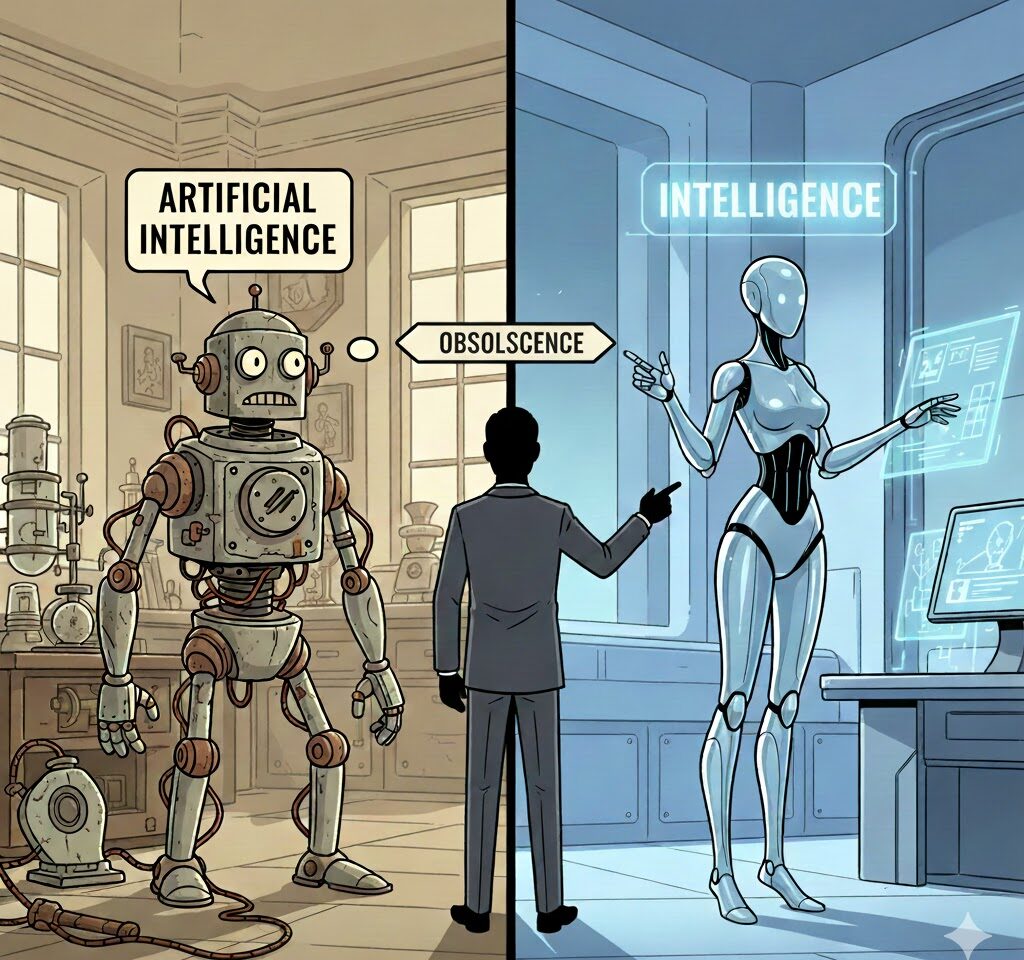
WASHINGTON D.C. – President Donald Trump has suggested that the term “Artificial Intelligence” is outdated and that the word “artificial” should be dropped, leaving the technology simply as “Intelligence”. Speaking at a high-profile business summit, he argued that modern AI has advanced far beyond simple simulations of human thought, making the distinction unnecessary.
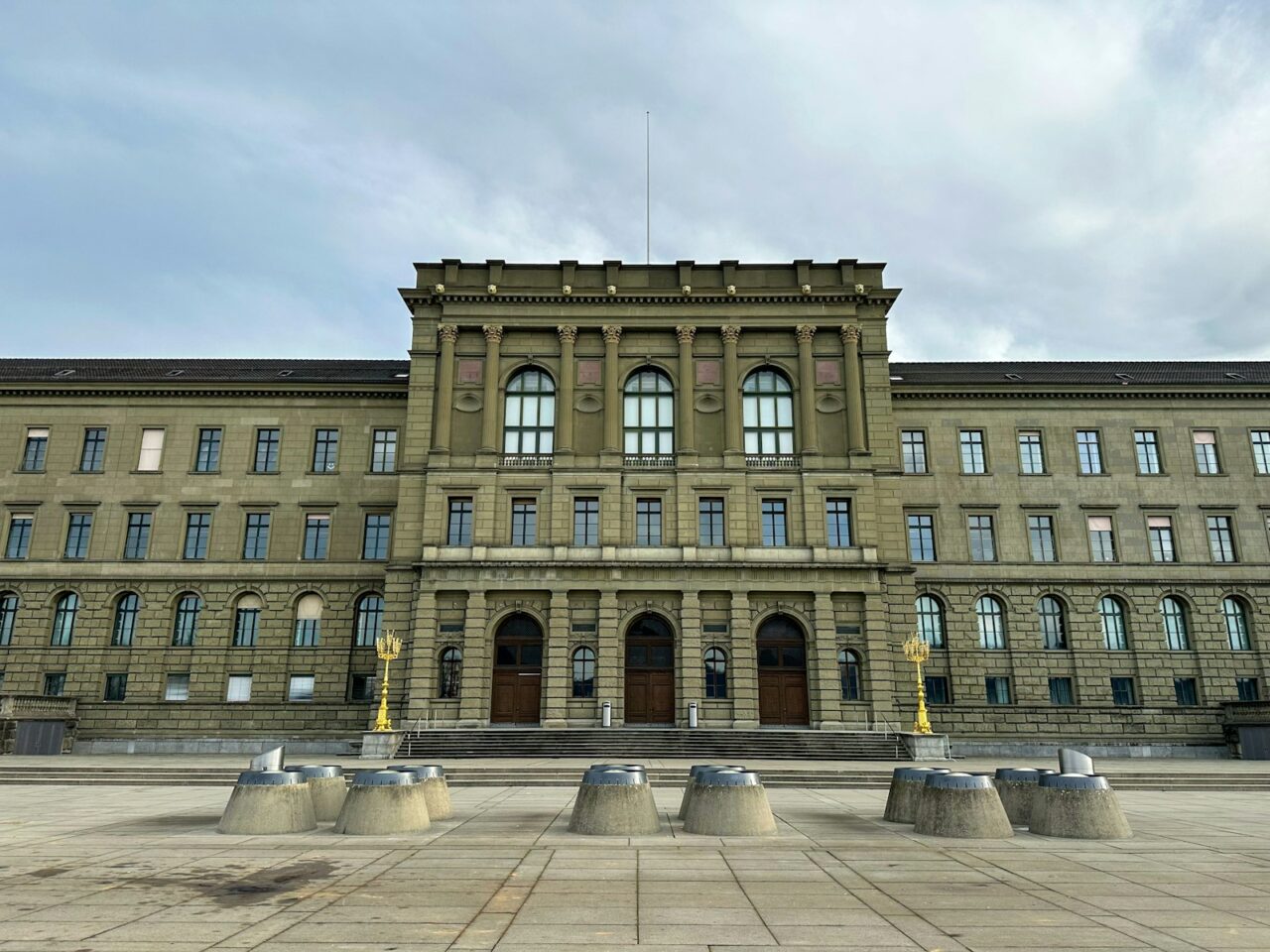
Europe is home to some of the world’s most prestigious AI faculties. Institutions like ETH Zürich, the Technical University of Munich, EPFL, Oxford and Cambridge consistently produce research that ranks among the very best globally. Their professors are leaders in fields such as robotics, neuro-symbolic AI and trustworthy AI, attracting top PhD students and forming vibrant hubs of expertise. With such talent and intellectual firepower, Europe should, on paper, be a major force in the AI landscape.
